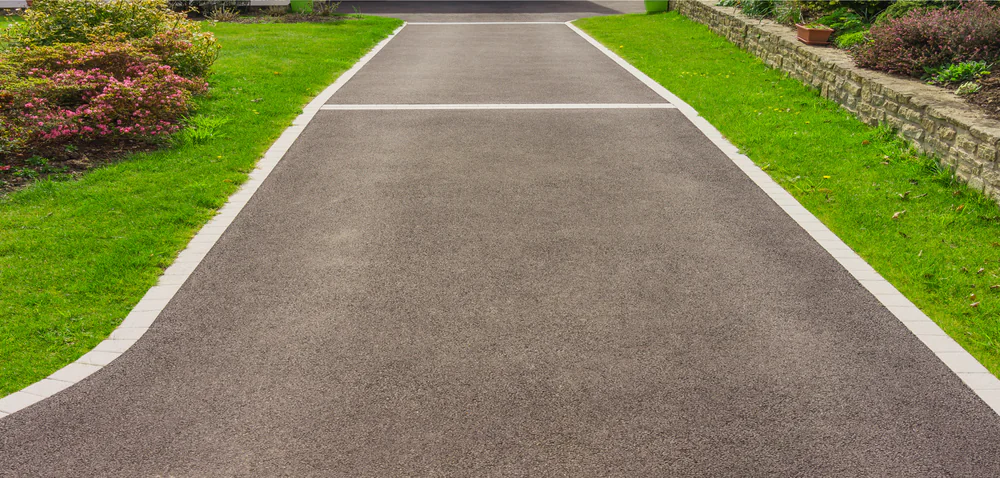
You’re not just getting a driveway. You’re getting a surface built to handle Pennsylvania winters without falling apart in three years.
Proper drainage so water doesn’t pool and destroy your base. A crew that shows up on time and doesn’t leave until the work meets our standards, not just yours. Installation done correctly from the ground up, which means the base gets compacted right, grading directs water away from your foundation, and asphalt goes down at the right temperature and thickness.
Most driveways fail because of what you can’t see. Poor base preparation. Inadequate drainage. Rushed work. When those things are handled correctly, your driveway can last 20 to 30 years with basic maintenance. When they’re not, you’re dealing with cracks and settling within five. That’s the difference between doing it right and doing it cheap.
We’ve been handling residential and commercial paving projects since 1948. That’s three generations of learning what works in Bucks County. Seventy-five years of seeing how New Hope’s soil drains, how freeze-thaw cycles affect different materials, and what it takes to build something that actually lasts.
Every project gets the same treatment here. Residential driveway or commercial parking lot, doesn’t matter. One crew, full attention, no rushing to the next job. That approach has earned us five-star reviews and a reputation for following through on what we say we’ll do.
New Hope properties come with their own challenges. Older homes, established landscapes, drainage quirks that newer developments don’t have. We’ve handled enough of them to know how to work around what’s already there without creating new problems.
First, we look at what you have. The existing surface. Drainage patterns. Soil conditions underneath. Not every driveway needs the same approach, so step one is figuring out what yours actually requires.
Then comes base work. This is where contractors either get it right or don’t. Old surface gets removed if needed. Ground gets graded so water moves away from your house. Base material goes down in layers and gets compacted properly. If this part is wrong, nothing else matters. Your driveway will fail regardless of how good the asphalt looks on top.
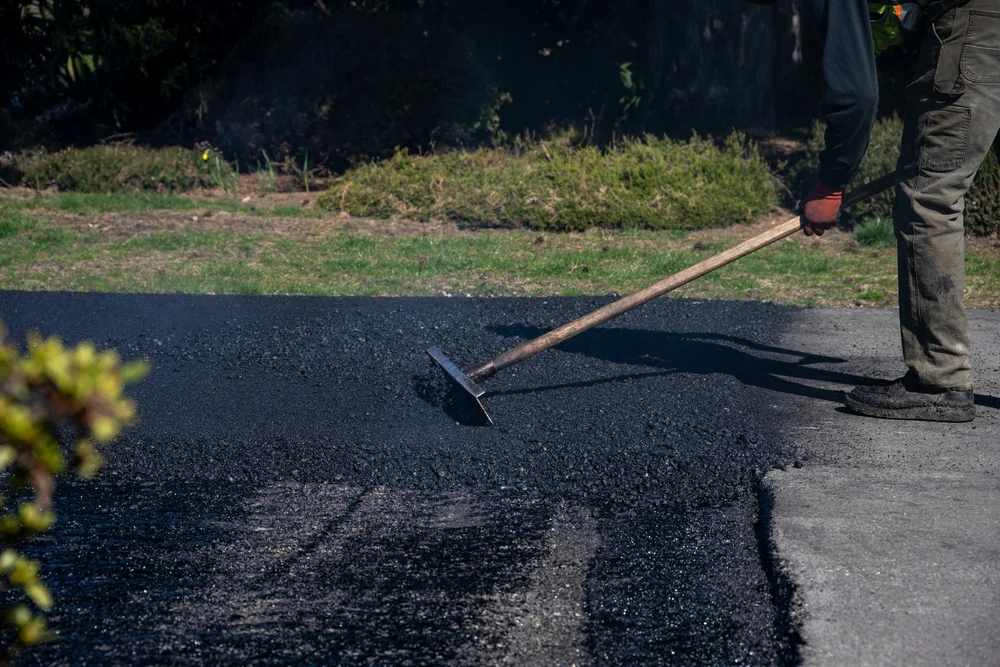
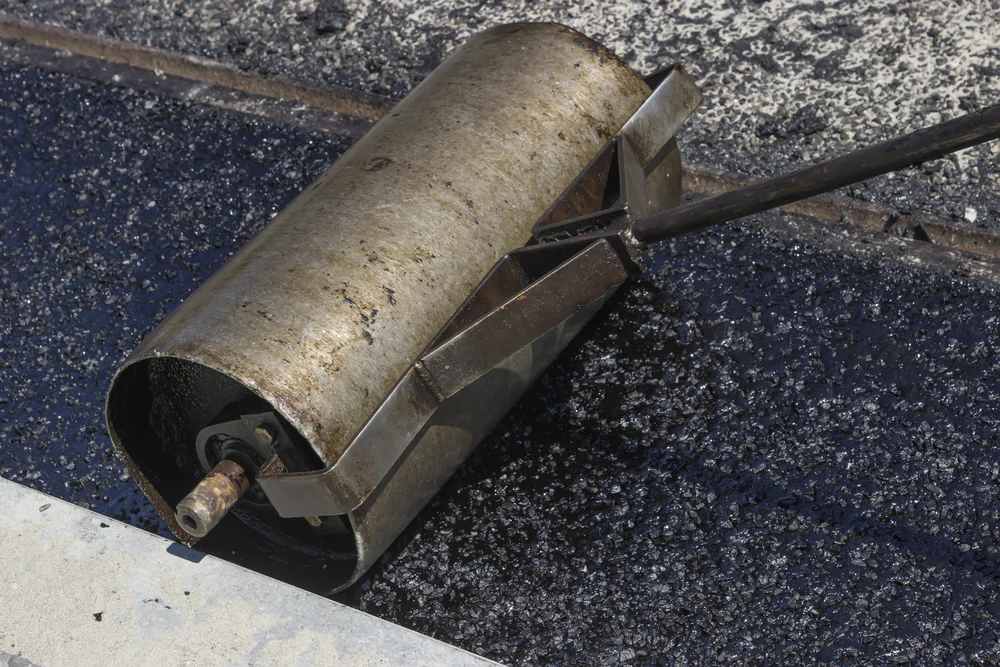
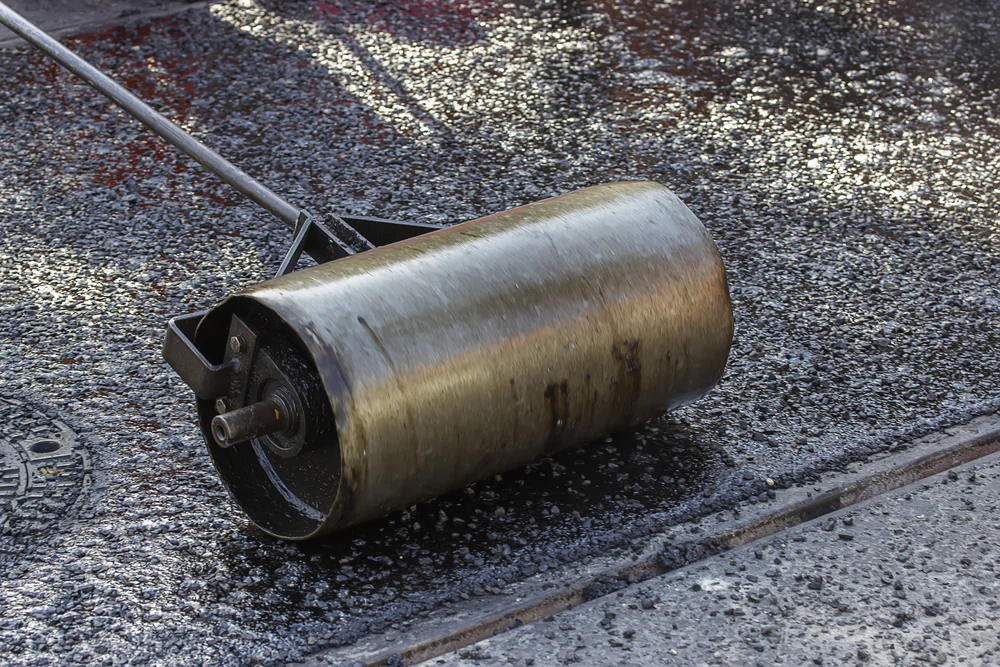
After the base is solid, asphalt installation happens. Temperature matters. Thickness matters. How it’s compacted matters. You can’t rush this if you want it to last. Our paving crew works the surface until it’s smooth and properly sloped, then it needs time to cure before vehicles can use it.
You’ll know what’s happening at each stage. No surprises, no guessing when we’ll show up or when you can park on your driveway again.
Ready to get started?
Every driveway paving project includes proper site assessment, complete removal of old material when necessary, base preparation and grading, quality asphalt paving installation, and final compaction. You also get clear communication about timeline, transparent pricing without hidden fees, and a crew that cleans up when we’re finished.
New Hope properties often deal with specific drainage challenges. The terrain and older infrastructure mean water doesn’t always go where it should. Proper grading isn’t optional here. Water that pools on your driveway or runs toward your foundation causes problems, either immediately or down the road. Our paving installation process accounts for where water needs to go and makes sure it gets there.
Pennsylvania’s climate beats up driveways. Freeze-thaw cycles, temperature swings, moisture infiltration. Your asphalt thickness and base depth need to handle that reality. Shortcuts might save money upfront, but they cost more when you’re repaving in eight years instead of twenty.
You’ll also get straightforward guidance on maintenance. Sealcoating every few years. Addressing small cracks before they spread. Simple steps that protect your investment and extend your driveway’s lifespan without being complicated or expensive.
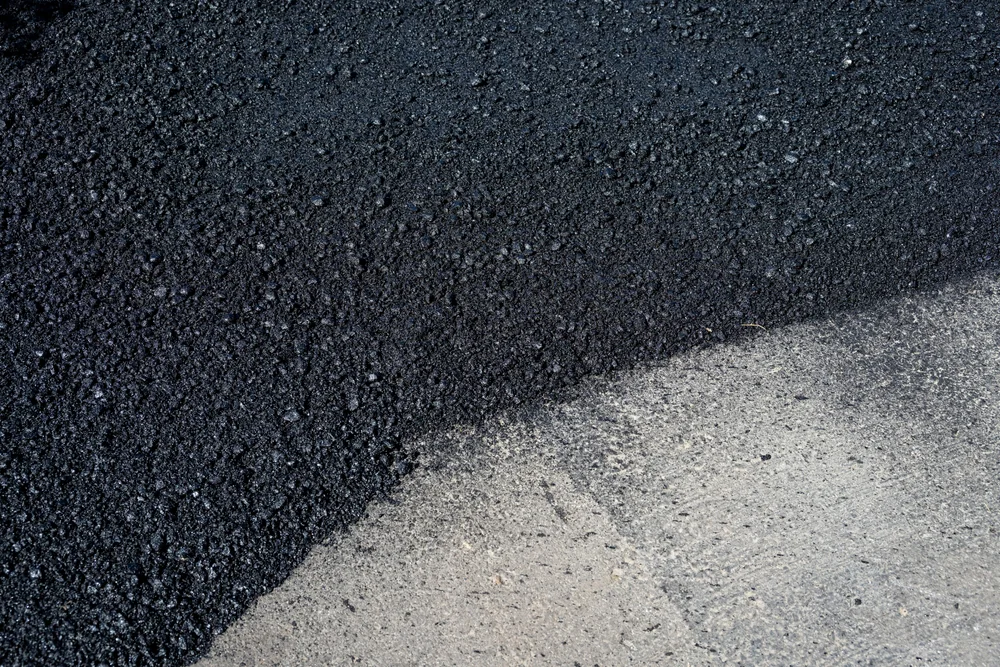
A properly installed asphalt driveway in New Hope typically lasts 15 to 30 years, with 20 to 25 years being average when you maintain it. Pennsylvania’s climate affects this because freeze-thaw cycles stress the asphalt. Water gets into small cracks, freezes, expands, and makes those cracks bigger. Over years, that breaks down the surface.
Actual lifespan depends heavily on installation quality. Poor base preparation or bad drainage means problems show up much sooner. But when the foundation is solid and water drains properly, your driveway handles decades of use. Regular sealcoating every three to four years adds protection against UV damage and water penetration, extending life even further.
Driveways that fail early almost always have the same issues: poor base prep, inadequate drainage, or corners cut during installation. The ones that last were built right from the start.
Late spring through early fall gives you the best conditions for asphalt paving in Pennsylvania. You need temperatures consistently above 50 degrees, ideally between 50 and 75 degrees, for asphalt to be installed and compacted correctly. Too cold and the material doesn’t bond right. Too hot and it’s difficult to work with properly.
September and October are often ideal because temperatures are moderate and there’s less chance of rain delays. Spring works once the ground has thawed and dried out from winter. Summer is fine unless you’re paving during a heat wave. The asphalt needs to cool and cure at the right pace.
Weather matters more than most people realize. Rain during or right after installation causes problems. Extreme temperatures affect how the material sets. We monitor the forecast and won’t start your project if conditions aren’t right, even if it means rescheduling. That’s not being difficult. That’s protecting your investment.
Driveway paving costs vary based on size, current condition, drainage needs, and site access. A typical residential driveway in New Hope might range from a few thousand dollars for a small, straightforward project to significantly more for larger driveways or properties with drainage challenges. The only way to get an accurate number is having us look at your specific property.
What affects price? Removing and hauling away your existing driveway adds cost. Significant base work or drainage improvements change the scope. Properties with difficult access or that require additional grading cost more than simple, flat driveway replacements.
Be cautious of quotes that seem too good to be true. They usually are. Low bids often mean thin asphalt, poor base prep, or shortcuts that save the contractor money but cost you later. You’re better off paying fair price for quality work than saving money upfront and needing repairs or full replacement years sooner than you should.
Sealcoating isn’t required, but it significantly extends your driveway’s lifespan and protects your investment. Think of it like painting your house. The house doesn’t fall down without paint, but the siding lasts longer when it’s protected. Sealcoating does the same thing for asphalt paving.
It creates a barrier against water, UV rays, oil, and chemicals. Water is the biggest threat because it seeps into small cracks, freezes in winter, and causes those cracks to expand. UV rays break down the asphalt binder over time, making the surface brittle. Sealcoating slows both processes considerably.
Most experts recommend sealcoating every three to four years, though exact timing depends on your driveway’s condition and how much use it gets. Don’t seal too soon after installation because new asphalt needs time to cure. After that, regular sealcoating is one of the simplest ways to add years to your driveway’s life.
Water is the main culprit. When water gets under your driveway through cracks or poor drainage, it weakens the base. In Pennsylvania, that water freezes in winter and expands, pushing the asphalt up and creating more cracks. When it thaws, the base settles unevenly. This freeze-thaw cycle repeats every year and gradually destroys driveways that weren’t built to handle it.
Poor installation causes most premature failures. If the base wasn’t compacted properly, it settles and shifts over time. If the driveway wasn’t graded correctly, water pools instead of draining away. If the asphalt was too thin or laid at wrong temperature, it won’t hold up to normal use and weather. You can’t see these things when the job is done, but they determine whether your driveway lasts ten years or thirty.
Heavy loads, tree roots, and normal wear contribute, but they’re rarely the primary cause of failure. A properly built driveway handles regular vehicle traffic and weather without major issues. When driveways fail early, it’s almost always because the foundation wasn’t right or water is getting where it shouldn’t.
Sometimes yes, sometimes no. It depends entirely on your existing driveway’s condition and what’s underneath it. If the current surface is relatively sound with minor cracks and the base is still solid, an overlay can work. But if there are major cracks, settling, drainage problems, or base failure, paving over it just covers up problems that will resurface quickly.
An overlay costs less than full removal and replacement because there’s less labor and material involved. But it’s only a good solution when the existing driveway provides stable foundation. If the base has failed or there are significant drainage issues, an overlay won’t fix those problems. You’ll end up with new surface that fails just as fast as the old one did.
We’ll tell you honestly whether an overlay makes sense for your situation or whether you need full replacement. That assessment requires looking at more than just the surface. It means understanding what’s happening with the base, the drainage, and the overall structure. The right answer depends on your specific driveway, not on what’s cheaper or easier.
Other Services we provide in Newhope