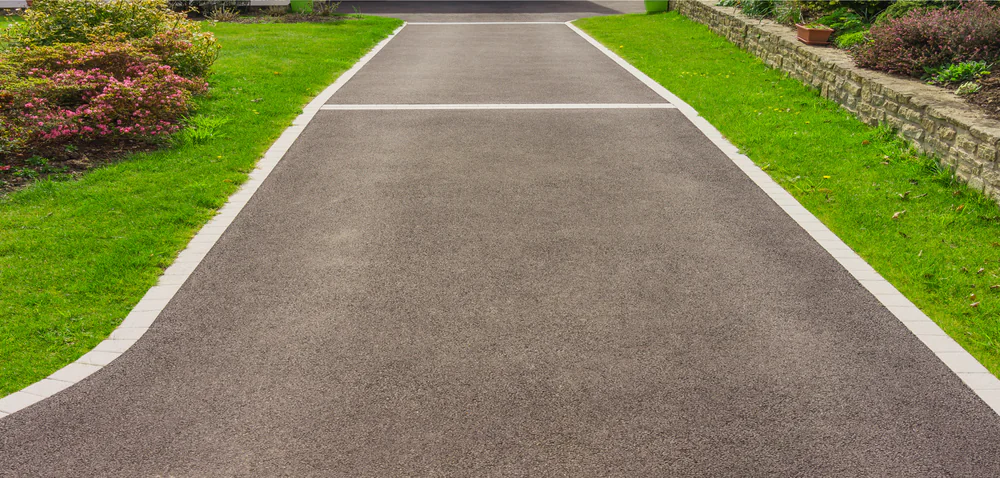
You’re not looking for the cheapest option. You’re looking for a driveway that won’t crack, buckle, or turn into a maintenance nightmare two years from now.
When the base is prepared correctly and the asphalt is laid at the right thickness, you get a surface that handles Pennsylvania winters without falling apart. That means proper drainage so water doesn’t pool and seep into cracks. It means a compacted stone base that won’t shift or settle. It means asphalt thick enough to withstand freeze-thaw cycles without crumbling.
The result is a driveway you can count on for 20-plus years. No constant patching. No regrets about going with the wrong contractor. Just a smooth, durable surface that does exactly what it’s supposed to do.
We bring decades of hands-on paving experience to every Northampton property. Our roots in the asphalt industry go back to 1948, combining that foundation with modern expertise to handle everything from residential driveways to complex commercial projects.
Here’s what makes our approach different: one crew, one job at a time. No juggling multiple projects or rushing through yours to get to the next one. We stay on your site until it’s done right, with the owner personally ensuring quality standards are met.
Northampton County properties face specific challenges—soil conditions that require proper base preparation, drainage issues common in the Lehigh Valley, and Pennsylvania’s brutal freeze-thaw cycles. We’ve solved these problems hundreds of times over and know exactly how to build a driveway that holds up in this climate.
First, we assess your property. That means looking at drainage, soil conditions, and any existing issues that need addressing. You’ll get a clear explanation of what needs to happen and why, along with transparent pricing that won’t change halfway through the job.
Next comes base preparation—the part most contractors cut corners on because you can’t see it once the asphalt goes down. We excavate to the proper depth, install a compacted stone base (typically 4-8 inches depending on your property), and ensure water drains away from your home. This foundation determines whether your driveway lasts 5 years or 25 years.
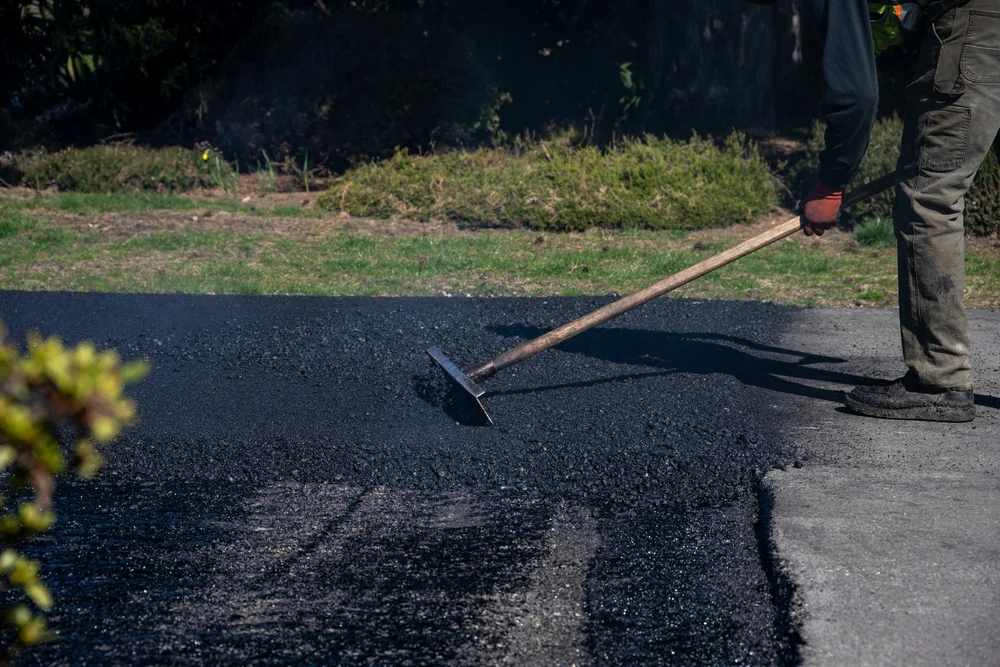
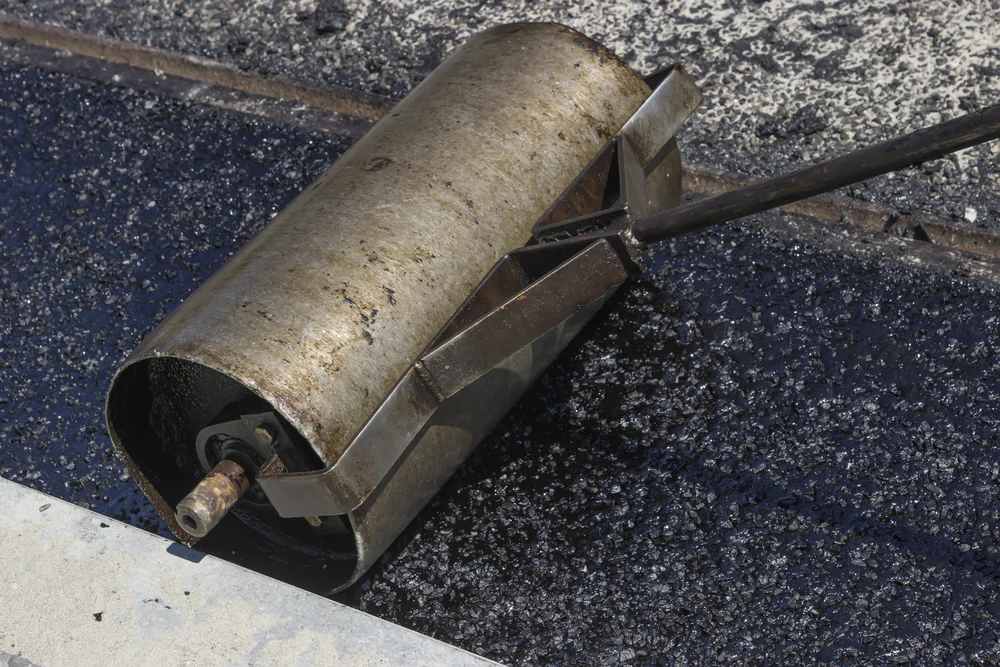
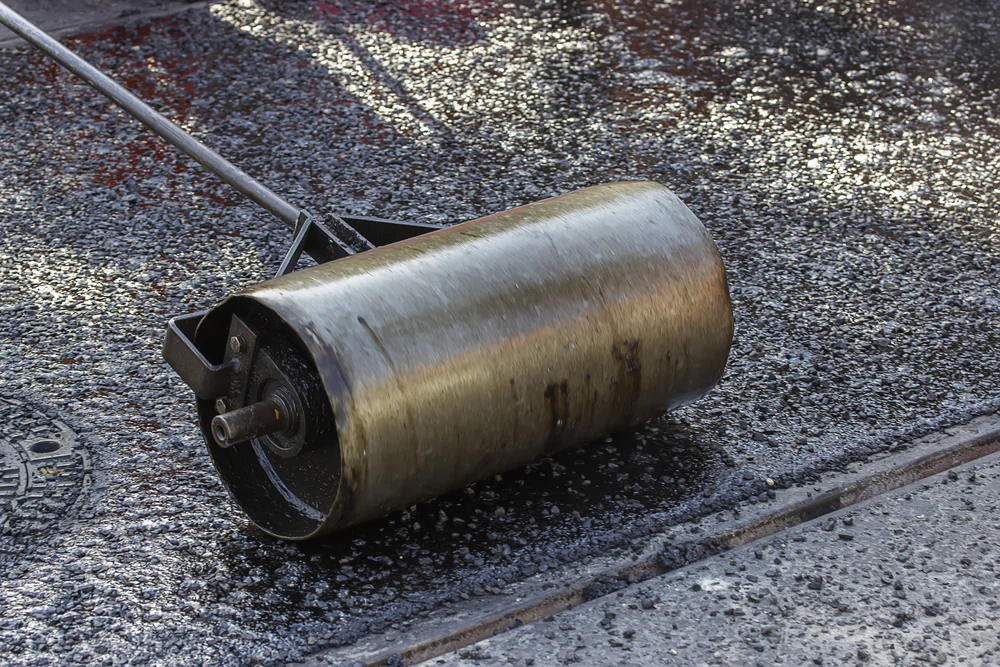
Once the base is solid, the asphalt installation begins. We lay down the right thickness for your needs—minimum 3 inches for residential driveways, more if you have heavier vehicles. The asphalt goes down hot and gets compacted properly with professional equipment. Edges are finished cleanly, transitions to existing surfaces are smooth, and the whole surface is graded for proper water runoff.
After installation, you’ll need to wait 48-72 hours before driving on it. We’ll walk you through maintenance recommendations, including when to sealcoat (typically 6 months to a year after installation, then every few years) to protect your investment and extend its lifespan.
Ready to get started?
A properly installed asphalt driveway in Northampton requires specific elements to withstand local conditions. The stone base needs to be thick enough and properly compacted—shortcuts here mean cracks and potholes within a couple years. The asphalt thickness matters too: 3-4 inches minimum for residential driveways that see regular car traffic, more if you park trucks or commercial vehicles.
Drainage is critical in the Lehigh Valley. Properties here deal with everything from heavy spring rains to snowmelt, and water is asphalt’s biggest enemy. We design drainage solutions specific to your property—whether that means grading adjustments, installing French drains, or ensuring proper pitch away from your foundation.
Northampton County’s freeze-thaw cycles put unique stress on asphalt. When water seeps into small cracks and freezes, it expands and causes those cracks to grow. That’s why proper sealcoating matters—it creates a protective barrier against water infiltration and extends your driveway’s life by years. The right installation combined with regular maintenance means you’re looking at 20-30 years of reliable use, not 5 years before major repairs.
For commercial properties, the requirements increase. Parking lots need thicker asphalt to handle constant traffic, proper striping for safety and compliance, and drainage systems that prevent standing water. We handle both residential and commercial paving projects with the same attention to detail, treating a small home driveway with the same care as a large industrial lot.
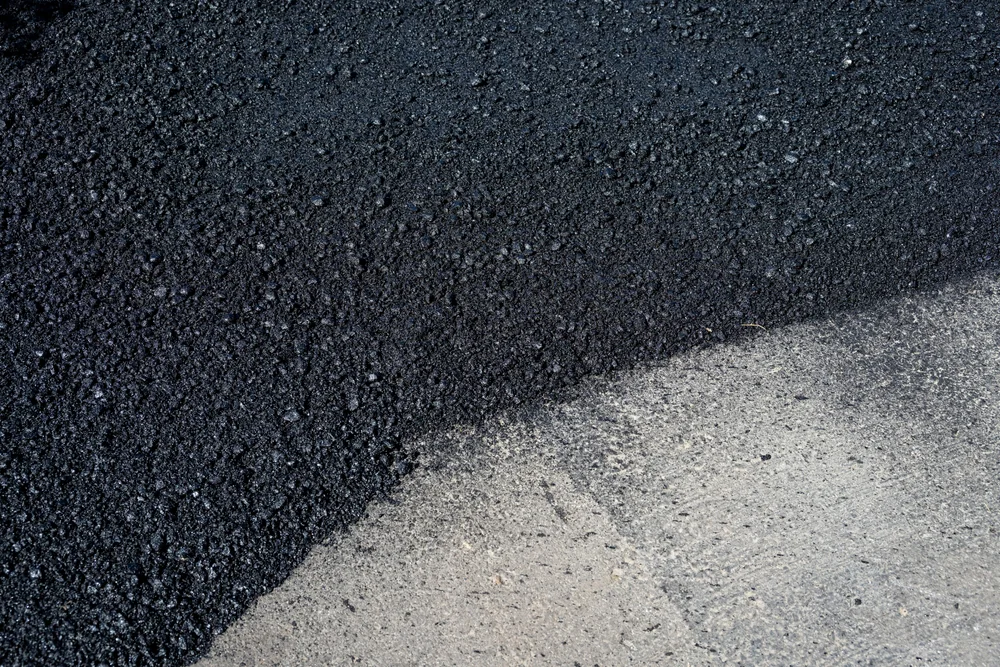
For residential driveways in Northampton, you want a minimum of 3 inches of compacted asphalt over a properly prepared stone base. If you regularly park heavier vehicles like trucks or work vans, 4 inches is better and will hold up longer under the weight.
The thickness matters because thin asphalt cracks faster, especially with Pennsylvania’s freeze-thaw cycles. Some contractors will quote lower prices by laying down only 2 inches, but that’s a shortcut that costs you more in repairs down the road. Underneath the asphalt, you need 4-8 inches of compacted stone base—this is the foundation that prevents settling and cracking.
Don’t be afraid to ask contractors exactly how thick the asphalt will be after compaction. Some will quote you a thickness before rolling, which ends up thinner than you expect. Get it in writing: 3-4 inches of compacted asphalt is the standard for a driveway that lasts.
Repaving (also called resurfacing or overlay) means adding a new layer of asphalt on top of your existing driveway. This works if your current base is still solid and you just have surface wear. It’s less expensive because you’re not tearing anything out, but it only makes sense if the foundation underneath is in good shape.
Installing a new driveway means removing the old surface completely, addressing any base issues, and starting fresh. This is what you need if your current driveway has major cracks, potholes, drainage problems, or if the base has failed. Yes, it costs more upfront, but you’re getting 20-30 years of life instead of putting a bandaid on a failing foundation.
Here’s how to know which you need: if your driveway has widespread cracking, areas that have sunk or heaved, or water pooling issues, you need a full replacement. If it’s just surface wear with no structural problems, an overlay might work. A good contractor will tell you honestly which option makes sense for your situation, not just sell you the more expensive service.
A properly installed asphalt driveway in Pennsylvania typically lasts 20-30 years with regular maintenance. The range is wide because it depends on installation quality, how well you maintain it, and how much traffic it gets.
Pennsylvania’s climate is tough on asphalt. The freeze-thaw cycles we get every winter cause expansion and contraction that creates cracks over time. That’s why proper installation matters so much—a thick asphalt layer over a well-prepared base holds up better against these stresses. Skimping on thickness or base preparation can cut your driveway’s life in half.
Maintenance extends that lifespan significantly. Sealcoating every 2-4 years protects against water infiltration, UV damage, and chemicals. Filling cracks promptly before they spread prevents small problems from becoming expensive repairs. With proper care, you can push that 20-year driveway well past 30 years. Without it, you might be looking at major repairs or replacement in 10-15 years.
The biggest corner contractors cut is base preparation—because once the asphalt goes down, you can’t see what’s underneath. Ask specific questions about base depth and compaction. If they’re vague or dismissive, that’s a red flag. A good contractor will explain exactly how deep they’re excavating, what type of stone they’re using, and how they’re compacting it.
Watch out for prices that seem too good to be true. If one quote is drastically lower than others, they’re saving money somewhere—usually by using less asphalt thickness, skipping proper base prep, or not carrying proper insurance. Ask for the asphalt thickness after compaction, not before. Some contractors will quote “4 inches” but that’s before rolling, which compacts down to 2-3 inches.
Check that they’re licensed and insured. Unlicensed contractors offer lower prices because they’re cutting overhead, but that means you’re liable if someone gets hurt on your property. Ask to see proof of insurance and verify it. Also ask about their crew size and equipment—professional paving requires a full crew and proper machinery. If they show up with 2 guys and a pickup truck, you’re not getting a quality installation.
Wait 6 months to a year after installation before sealcoating a new asphalt driveway. New asphalt needs time to cure properly, and sealcoating too early can actually trap oils in the asphalt that need to evaporate. Your contractor should give you specific guidance based on the mix they used and local conditions.
After that first sealcoating, you’ll want to reapply every 2-4 years depending on traffic and weather exposure. Sealcoating creates a protective barrier against water, UV rays, oil, and chemicals that break down asphalt over time. It’s one of the most cost-effective ways to extend your driveway’s lifespan—spending a few hundred dollars every few years can add 5-10 years to a driveway that cost thousands to install.
You’ll know it’s time to sealcoat again when the surface starts looking faded or gray instead of deep black, or when you notice the asphalt is rougher and more porous. Don’t wait until you see cracks forming—sealcoating is preventive maintenance, not a repair solution. Once cracks appear, you’ll need to fill those first, then sealcoat over them.
The biggest drainage problem is water flowing toward your house instead of away from it. If your driveway slopes toward your foundation, you’re asking for basement water issues and premature driveway failure. The driveway should be graded so water runs off to the sides or toward the street, never toward your home.
Watch for areas where water pools after rain. Standing water seeps into asphalt, gets into cracks, and when it freezes in winter, it expands and makes those cracks worse. Over time, this freeze-thaw cycle destroys the asphalt from underneath. If you notice puddles that don’t drain, you’ve got a grading problem that needs addressing before it causes major damage.
Some properties need additional drainage solutions like French drains or catch basins, especially if you’re at the bottom of a slope or in an area with poor soil drainage. A good paving contractor will assess your property’s specific drainage situation during the estimate and recommend solutions. Don’t skip this step—proper drainage is the difference between a driveway that lasts 30 years and one that needs major repairs in 5.
Other Services we provide in Northampton