You’re tired of looking at cracks. Tired of puddles that turn into ice patches every winter. Tired of wondering if your driveway’s going to make it another year or if you’re throwing money at a problem that keeps coming back.
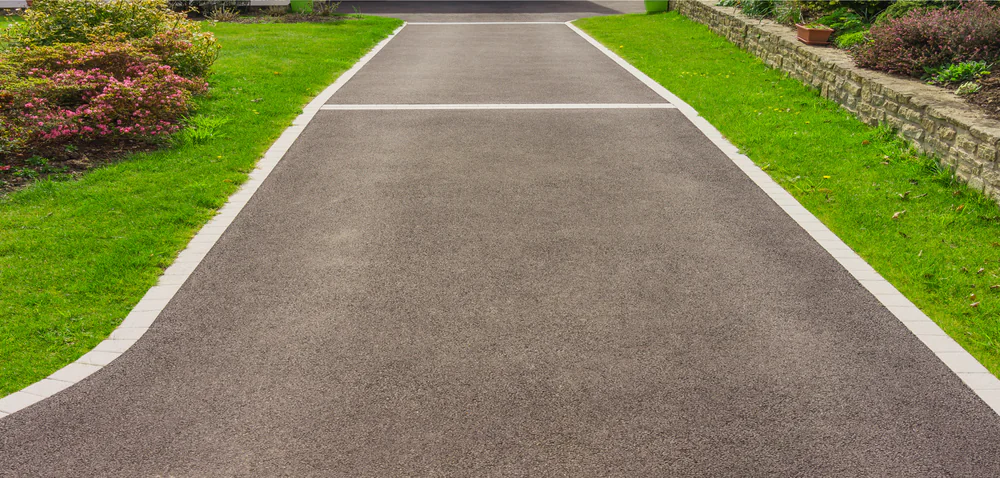
Here’s what changes when the work is done right: water flows where it should instead of pooling in low spots. The surface stays smooth because the base underneath was built to handle freeze-thaw cycles. You’re not calling someone back in two years because corners were cut the first time.
A properly installed asphalt driveway doesn’t just look better. It protects your investment, eliminates safety hazards, and gives you one less thing to worry about when the weather turns.
We’ve been in the paving business since 1948. That’s not a typo—three generations of hands-on experience serving residential and commercial properties throughout Bucks County.
The difference shows in how we operate. One crew, one project at a time. No rushing off to the next job while yours sits half-finished. Every driveway gets the same level of attention whether it’s a small residential project or a larger commercial installation.
Penndel homeowners deal with the same challenges: aging driveways that weren’t built for Pennsylvania’s brutal winters, water drainage issues that create ice hazards, and the frustration of finding a contractor who actually shows up. We built our reputation on transparent communication, honest pricing, and work that holds up year after year in this area.
First, the old surface comes out. If your existing driveway is cracked or failing, it gets removed completely—no shortcuts, no paving over problems. The site is cleared and prepped for the real work.
Next comes grading. This step determines whether water drains properly or pools on your driveway for the next 20 years. The ground gets leveled and sloped correctly so runoff moves away from your property instead of sitting there causing damage.
The sub-base goes in next—this is the foundation that prevents your driveway from shifting when the ground freezes and thaws. Most asphalt failures trace back to a weak sub-base. We compact this layer properly because it’s the difference between a driveway that lasts and one that cracks in two years.
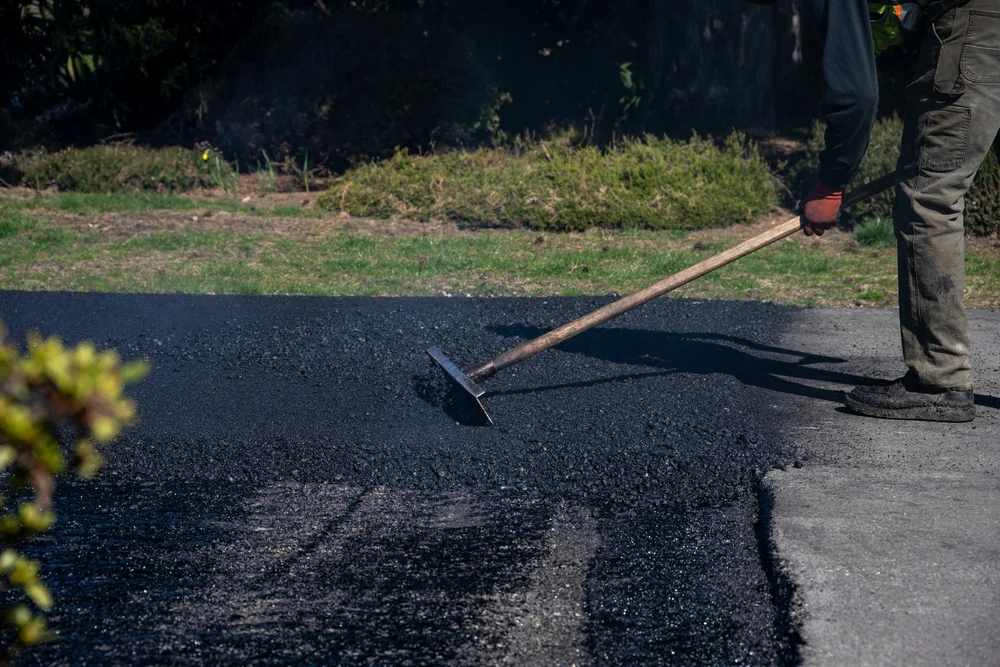
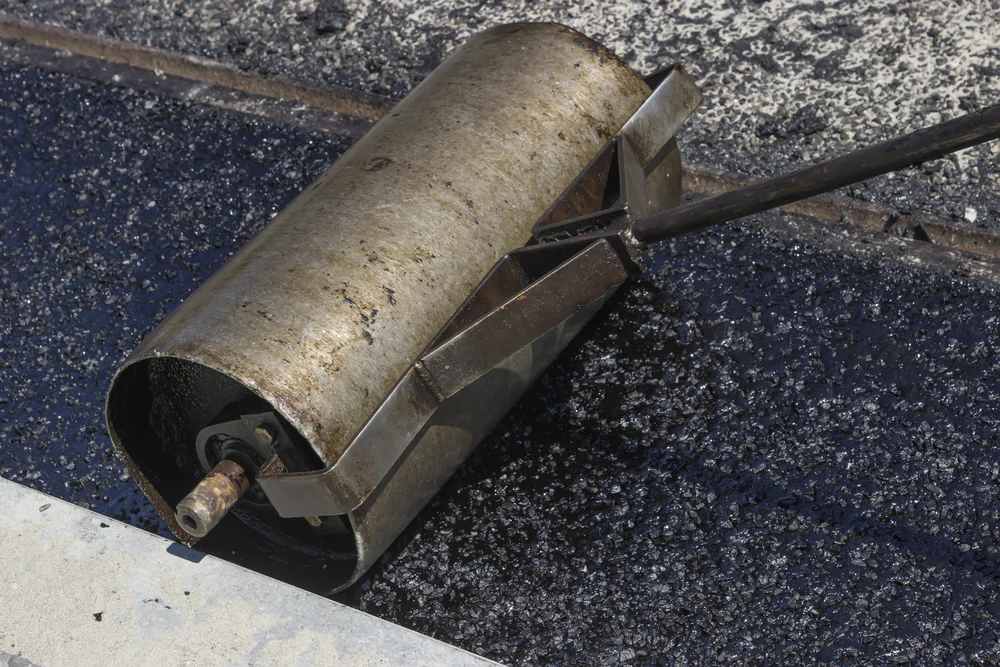
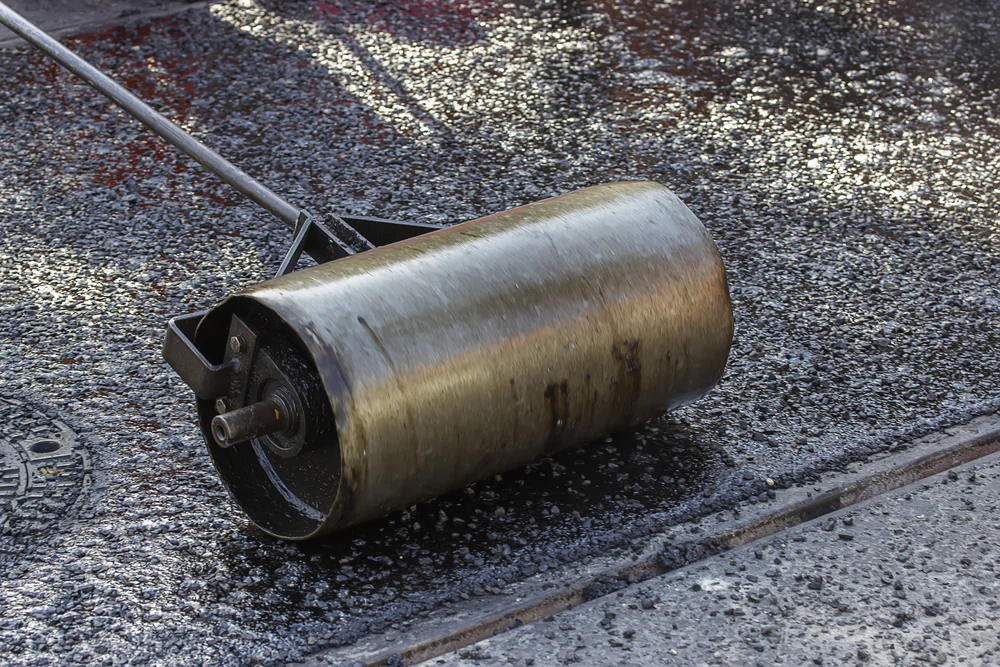
After the base course is applied and compacted, the surface asphalt goes down. This is the smooth, finished layer you’ll see every day. It gets compacted with heavy equipment while it’s still hot to ensure proper density and a smooth finish. Finally, the edges are finished and any transitions to existing surfaces are sealed to prevent water intrusion.
The entire process for a residential driveway typically takes a few days. You can walk on it almost immediately and drive on it within a few days, though it takes about a month to fully cure.
Ready to get started?
Every paving installation starts with a site assessment. We evaluate your property’s drainage patterns, soil conditions, and any existing issues that need addressing. You get a clear estimate upfront—no surprises, no hidden costs added later.
The work includes complete removal of old pavement if needed, proper grading and drainage solutions customized to your property, a compacted sub-base built to handle Pennsylvania’s freeze-thaw cycles, quality asphalt materials applied at the correct thickness, and professional finishing that creates clean edges and smooth transitions.
Penndel’s location in Bucks County means your driveway faces tough conditions: temperature swings that crack inferior work, winter salt and moisture that accelerate deterioration, and soil conditions that require experienced grading. We understand these local challenges because we’ve been working in this area for decades.
You also get transparent communication throughout the project. No disappearing for days, no vague timelines. Our crew works on your job until it’s finished, and you’re updated on progress along the way. We offer specialized discounts for seniors, military members, and first-time customers—because quality paving shouldn’t be out of reach for people who need it.
A properly installed asphalt driveway in Penndel should last 20 to 30 years with basic maintenance. That lifespan depends entirely on two things: the quality of the installation and how well you maintain it.
Pennsylvania’s freeze-thaw cycles are brutal on asphalt. Water seeps into small cracks, freezes, expands, and creates bigger cracks. If the sub-base wasn’t installed correctly or the drainage is poor, you’ll see failure much sooner—sometimes within 5 to 10 years. That’s why proper installation matters more than the asphalt itself.
Maintenance extends that lifespan significantly. Sealcoating every 3 to 5 years protects the surface from water, UV damage, and chemicals. Filling cracks promptly prevents them from spreading. Most Penndel homeowners who stay on top of basic maintenance get the full 20 to 30 years, while those who ignore maintenance see problems much earlier.
Late spring through early fall gives you the best conditions for asphalt installation in Pennsylvania. You need consistent temperatures above 50 degrees Fahrenheit for the asphalt to cure properly and compact correctly.
Asphalt is applied hot—around 300 degrees—and needs to stay warm enough during compaction to achieve the right density. Cold weather causes the material to cool too quickly, preventing proper compaction. That leads to a weaker surface that’s more prone to cracking and deterioration.
Summer is ideal, but spring and fall work well too as long as temperatures stay consistently warm. Many Penndel contractors stay busy from April through October. Winter installations are possible in mild conditions, but they’re riskier and most experienced contractors avoid them. If you’re planning a driveway project, reaching out in early spring gives you the best shot at scheduling during optimal weather.
If more than 25 to 30 percent of your driveway shows significant damage, replacement usually makes more sense than repairs. Patching a failing driveway is like putting a bandage on a broken bone—it might look better temporarily, but the underlying problem remains.
Look for these signs that point toward replacement: widespread cracking across the surface, alligator cracking (interconnected cracks that look like reptile skin), large potholes or sunken areas, water pooling in multiple spots, and edges that are crumbling or breaking apart. These issues indicate the base has failed, and no amount of patching will fix that.
Minor repairs work when damage is isolated. A few small cracks, a single pothole, or minor edge deterioration can be patched effectively if the rest of the driveway is solid. But if you’re constantly repairing new problems every year, you’re wasting money. Replacement costs more upfront but eliminates the cycle of temporary fixes that never really solve anything.
Water pools because the driveway wasn’t graded correctly during installation. Either the surface is too flat, there are low spots where water collects, or the slope directs water toward your property instead of away from it.
Proper grading creates a slight slope—usually about 1 to 2 percent—that guides water off the driveway and away from your home’s foundation. If that slope doesn’t exist or was done wrong, water sits there. In Pennsylvania, that standing water freezes in winter, expands, and cracks the asphalt. Over time, those cracks get worse and the pooling gets worse, creating a cycle of deterioration.
Fixing drainage usually requires more than just patching. The surface needs to be regraded or, in severe cases, the driveway needs replacement with proper grading built in from the start. Some situations can be addressed with drainage solutions like French drains or catch basins, but the most reliable fix is correct grading during installation. That’s why choosing an experienced paving contractor who understands drainage matters—it’s not just about laying asphalt, it’s about engineering a surface that handles water correctly.
Asphalt driveway installation in Penndel typically runs between $7 and $13 per square foot, though your actual cost depends on several factors. A standard two-car driveway of about 600 square feet would cost roughly $4,200 to $7,800.
What affects the price? The size of your driveway, the condition of the existing surface, whether complete removal is needed, the complexity of grading and drainage work, the thickness of asphalt required, and any additional features like edging or special transitions. A simple overlay on an existing driveway in good condition costs less than a full removal and replacement with drainage corrections.
Be cautious of quotes that seem too good to be true. Cheap paving usually means shortcuts: thin asphalt that won’t last, inadequate base preparation, poor drainage, or contractors who disappear when problems arise. We provide transparent estimates that break down what you’re paying for. You’re not just buying asphalt—you’re buying proper installation that prevents costly repairs down the road. Spending a bit more upfront for quality work saves you from replacing a failed driveway in five years.
No—new asphalt needs time to cure before sealcoating. You should wait at least 3 to 6 months, and many contractors recommend waiting a full year before applying the first sealcoat.
Fresh asphalt contains oils that need to evaporate and cure properly. Sealcoating too early traps those oils and prevents proper curing, which can actually weaken the surface. The asphalt needs exposure to air and sunlight to harden and reach its full strength.
Once that initial curing period passes, sealcoating becomes one of the best things you can do to extend your driveway’s lifespan. A quality sealcoat protects against water penetration, UV damage, oil and gas spills, and the harsh chemicals used on Pennsylvania roads in winter. Most driveways in Penndel should be sealcoated every 3 to 5 years depending on traffic and exposure. It’s a relatively inexpensive maintenance step that can add years to your driveway’s life, but timing that first application correctly matters.
Other Services we provide in Penndel