
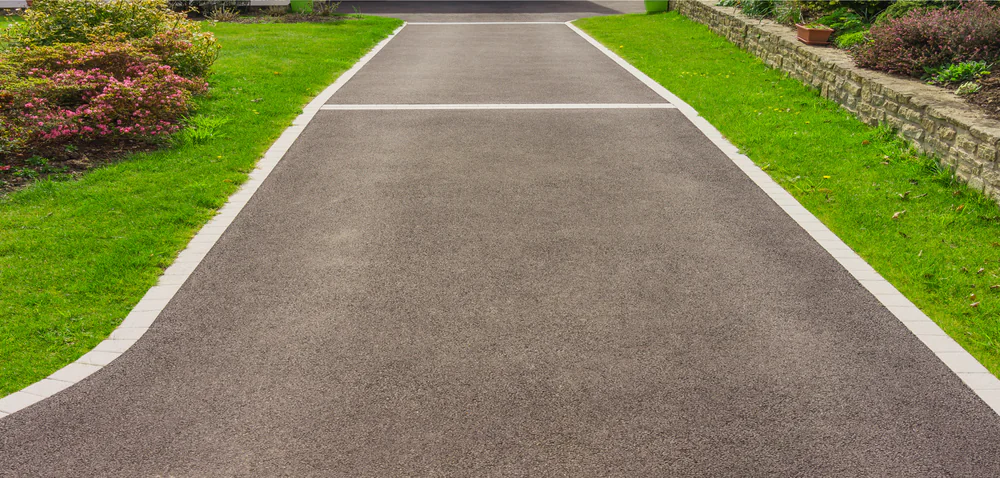
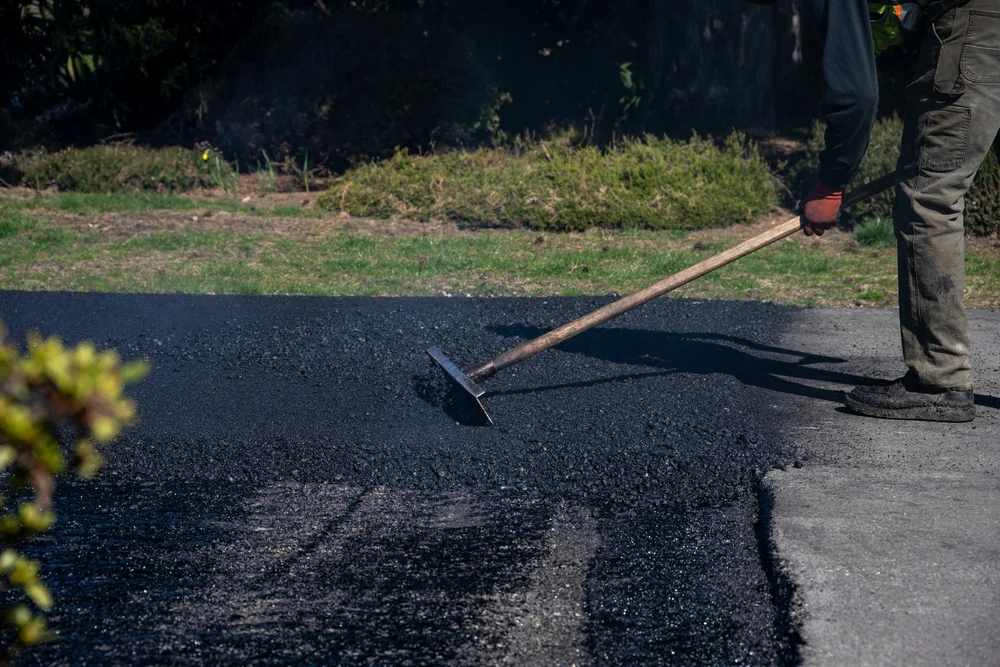
A quality driveway isn’t just about looks. It’s about coming home to a smooth surface that drains properly, holds up through brutal winters, and doesn’t crack apart in two years because someone rushed the base work.
You’re looking at 20 to 30 years of reliable performance when the job’s done right. That means proper thickness for your specific use, a base that won’t shift, and drainage that keeps water away from your foundation instead of pooling by your garage door.
The difference shows up in year five when your neighbors are patching cracks and you’re not. It shows up when you sell and buyers see a driveway that actually adds value instead of raising red flags on the inspection report.
We’ve been in the paving business since 1948. That’s not a marketing line—it’s decades of figuring out what works in New Jersey’s climate and what doesn’t.
Our crew focuses on one project at a time. Not three jobs in one day where everyone’s rushing to the next site. Your driveway gets our full attention from start to finish, whether it’s a residential driveway in Ringoes or a commercial parking lot that needs proper load-bearing specs.
Ringoes properties come with their own challenges—rural lots with grading issues, older homes with drainage quirks, long driveways that need careful planning. These aren’t problems you solve by showing up with a truck and hoping for the best.
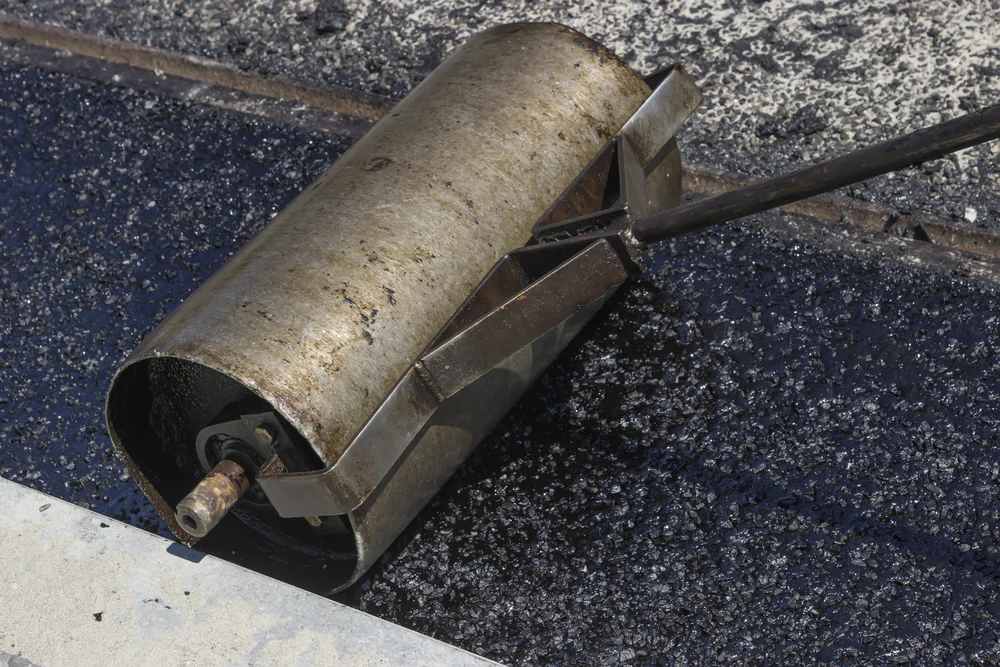
First, we assess the site for drainage, grade, and any base issues that’ll cause problems later. If your current driveway is cracked or sinking, we remove it properly—not pave over it like some crews do to save an hour.
The base goes in next. This is where most shortcuts happen and where most driveways fail. You need proper compaction and the right depth for your soil conditions and how you’ll use the driveway. A base that shifts means cracks within two years no matter how good the asphalt looks on day one.
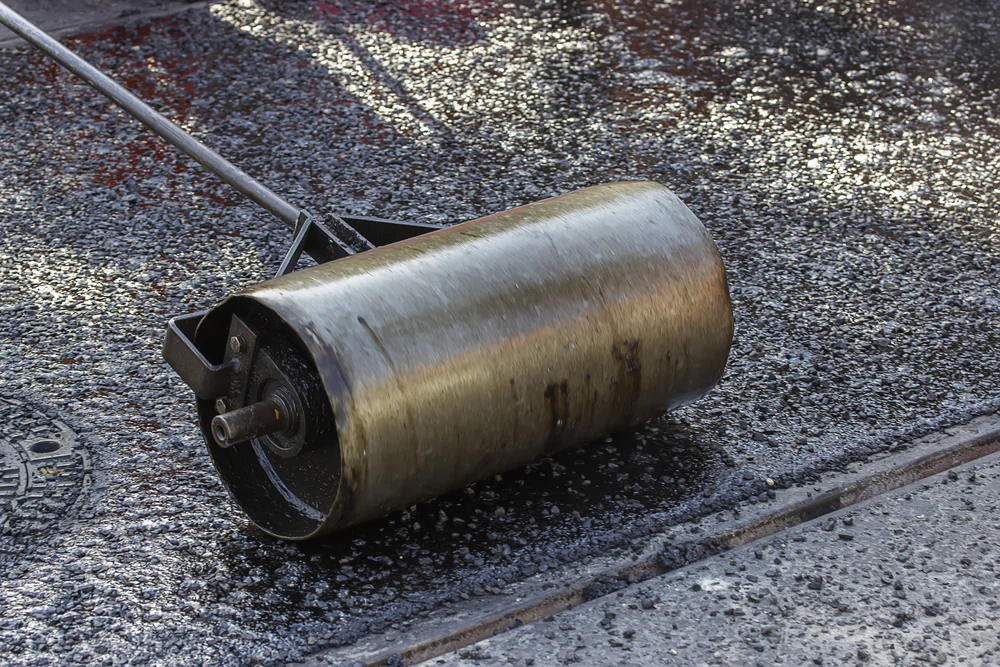
Once the base is solid and graded for drainage, the asphalt goes down at the right thickness—typically 2 to 3 inches for residential driveways, more if you’ve got heavier vehicles. The material needs to be hot, the weather needs to cooperate, and the compaction needs to happen while everything’s at the right temperature.
You’ll need to stay off it for a day or two while it cures. Then you’ve got a driveway that’ll handle New Jersey winters without turning into a patchwork of repairs.
Ready to get started?
Every driveway paving project includes proper site preparation, base work that’s built to last, and asphalt installation that accounts for New Jersey’s freeze-thaw cycles. That’s the baseline. What separates good work from work that fails in five years is attention to the details most people never see.
Drainage matters more in Ringoes than people realize. Properties here aren’t flat suburban lots—you’ve got slopes, rural terrain, and soil that behaves differently depending on where you are. Water needs somewhere to go that isn’t your foundation or pooling on the asphalt surface.
We handle grading and water management as part of the process, not as an expensive add-on you find out about halfway through. If your property needs drainage solutions, you’ll know that upfront with clear pricing.
We also offer specialized discounts for seniors, military members, and first-time customers—not because it makes good marketing sense, but because it’s the right thing to do. You’re working with a local contractor who plans to be here long after your driveway’s installed.
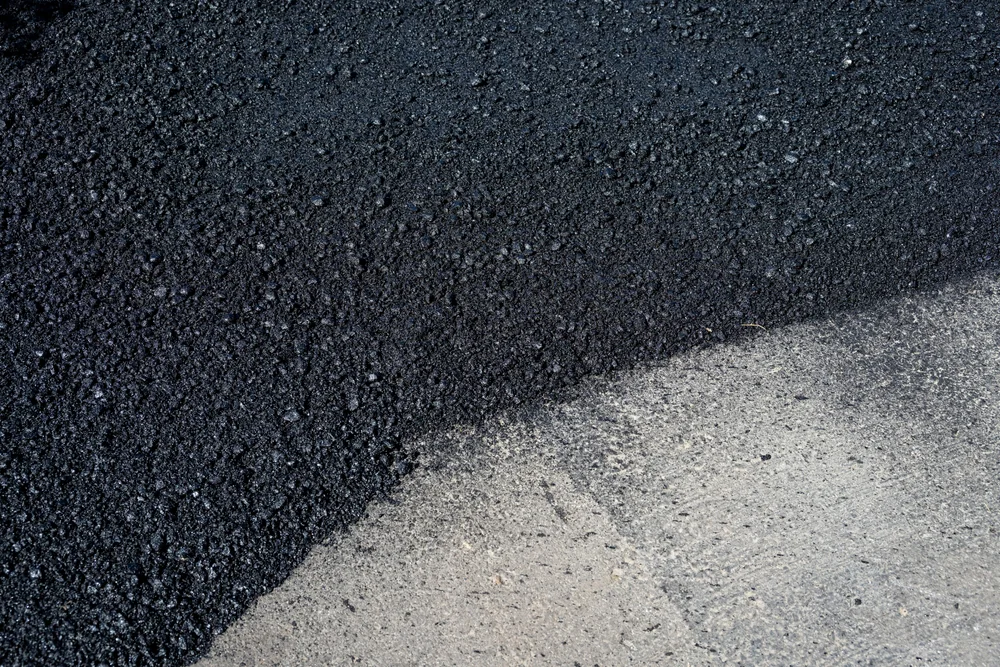
Most residential driveway projects in Ringoes take one to three days depending on size and site conditions. Day one typically involves removing the old surface if needed and preparing the base. Day two is asphalt installation and compaction. If drainage work or significant grading is required, add another day or two.
Weather plays a role. Asphalt needs to be installed in dry conditions above 50 degrees for proper compaction and curing. If rain’s forecast or temperatures drop, we reschedule the project rather than rush it with subpar results.
You’ll need to stay off the new driveway for 24 to 48 hours after installation. Full curing takes longer, so avoid heavy vehicles or sharp turns for about a week. We’ll give you specific guidelines based on weather conditions and the asphalt mix used.
Expect to pay between $5 and $12 per square foot for quality asphalt driveway installation in the Ringoes area. A standard two-car driveway runs anywhere from $5,500 to $12,000 depending on size, current condition, and site-specific factors.
That range exists for a reason. A straightforward replacement on flat ground with good drainage costs less than a project requiring extensive base repair, grading work, or drainage solutions. Properties with steep slopes, difficult access, or soil issues will be on the higher end.
Be cautious of quotes significantly below market rate. Cheap usually means shortcuts—thin asphalt, poor base prep, or a crew that’s gone when problems show up six months later. You’re better off paying fair market value for work that lasts than saving a thousand dollars on a driveway that needs replacement in five years.
A properly installed asphalt driveway in New Jersey should last 20 to 30 years with appropriate maintenance. That lifespan depends entirely on three things: quality installation, proper drainage, and regular sealcoating.
Installation quality matters most. If the base isn’t properly compacted or the asphalt is too thin, you’ll see cracks and settling within a few years regardless of maintenance. New Jersey’s freeze-thaw cycles are brutal on poor installation work.
Sealcoating should happen six months to a year after installation, then every two to three years after that. This protects the asphalt from water infiltration, UV damage, and chemicals. Skipping sealcoating can cut your driveway’s lifespan in half.
Small cracks should be filled promptly before they expand. Water gets into cracks, freezes, expands, and turns minor issues into major failures. Catching problems early is always cheaper than waiting.
Asphalt performs significantly better than concrete in New Jersey’s climate. Concrete cracks and heaves during freeze-thaw cycles, which happen constantly through winter in Ringoes. Road salt also damages concrete surfaces, creating pits and surface deterioration.
Asphalt flexes slightly with temperature changes rather than cracking like rigid concrete. When repairs are needed, asphalt can be patched and blended seamlessly. Concrete repairs are obvious, expensive, and often don’t match the original surface.
Cost is another factor. Asphalt typically runs $5 to $12 per square foot installed, while concrete starts at $7 and goes up to $12 or more. For the climate and conditions in this area, asphalt delivers better performance at a lower cost.
The one advantage concrete has is lifespan—it can last 30 to 40 years compared to asphalt’s 20 to 30. But given repair costs and climate performance, most property owners in Ringoes choose asphalt.
Start with how long they’ve been in business and whether they’re local. A contractor who’s been serving the area for decades isn’t disappearing after your deposit clears. Check reviews on platforms like Angie’s List, but also ask for references from jobs completed two or three years ago—that’s when installation quality really shows.
Ask specific questions about their process. How thick will the asphalt be? What type of base preparation is included? How do they handle drainage? If they can’t give you clear answers or everything sounds vague, that’s a red flag.
Get detailed written estimates from multiple contractors. The cheapest bid is rarely the best value. Compare what’s actually included—some contractors lowball the estimate then add charges for unexpected work that any experienced crew should have anticipated.
Finally, pay attention to communication. If they’re hard to reach or vague during the estimate process, that won’t improve once they have your money. You want a contractor who explains the work clearly, shows up when promised, and treats your property with respect.
Late spring through early fall is ideal for asphalt paving in New Jersey. The asphalt needs consistent temperatures above 50 degrees for proper installation and curing. Summer is peak season, which means higher demand and potentially longer wait times.
Early fall can be perfect—temperatures are still warm, contractors are less booked, and you’re getting the driveway ready before winter. Just don’t wait too long. Once temperatures start dropping consistently below 50, installation quality suffers.
Spring works well too, but you’re competing with everyone who waited out the winter and wants work done immediately. Expect longer scheduling times in April and May.
Winter installation is possible during mild stretches, but it’s risky. If temperatures drop unexpectedly or precipitation moves in, the asphalt won’t compact properly and you’ll have problems. Most reputable contractors won’t schedule winter work unless conditions are reliably favorable.
Other Services we provide in Ringoes