
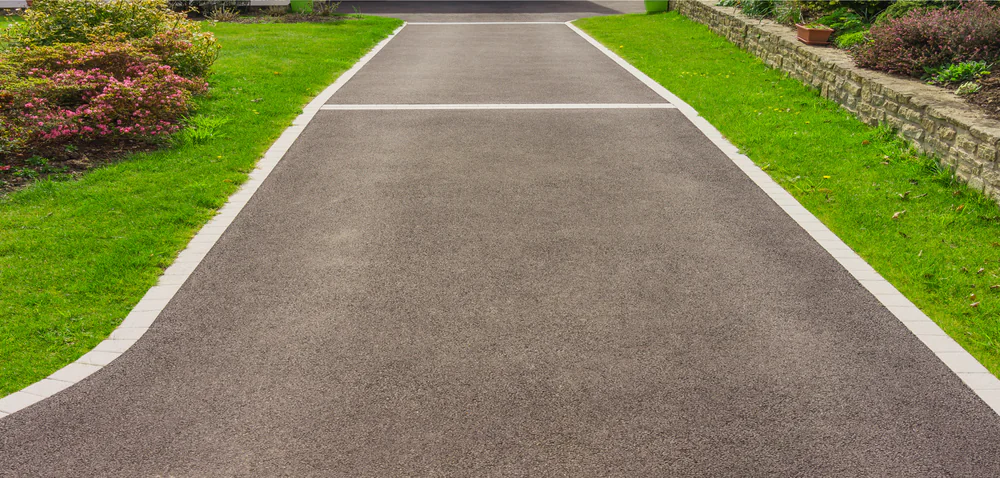
You’re not just getting a smooth surface. You’re getting an asphalt driveway that drains properly, resists Pennsylvania’s freeze-thaw cycles, and holds up under daily use for 20+ years.
That’s what happens when base preparation isn’t rushed. When grading is done correctly. When the crew focuses on one project at a time instead of juggling five jobs at once.
Water flows away from your foundation instead of pooling. Cracks don’t appear after the first winter. Your investment actually lasts—not just until the contractor cashes your check, but for decades. That’s the difference between doing it right and doing it fast.
Our roots go back to 1948. That’s not marketing talk—it’s three-quarters of a century of learning what works in Pennsylvania soil, Pennsylvania weather, and Springfield properties specifically.
Our approach is simple: one crew, one project, full attention. No splitting time between multiple jobs. No rushing to the next site. Every asphalt driveway and parking lot paving project gets the same meticulous care whether it’s a single-car residential driveway or a complex commercial lot.
Springfield homeowners have high standards for their properties, and we match that. Five-star reviews on Angie’s List. Specialized discounts for seniors, military, and first-time customers. A phone number that actually gets answered when you call back months later with a question.
First, our crew assesses your property. Soil conditions, drainage patterns, how water currently flows. This isn’t a five-minute walkthrough—it’s figuring out what your specific property needs to avoid problems down the road.
Next comes excavation and base preparation. This is where corners get cut by contractors in a hurry. We install a proper compacted gravel base—typically 4-8 inches depending on your soil and drainage needs. The base gets graded with a slight slope so water moves away from your foundation, not toward it.
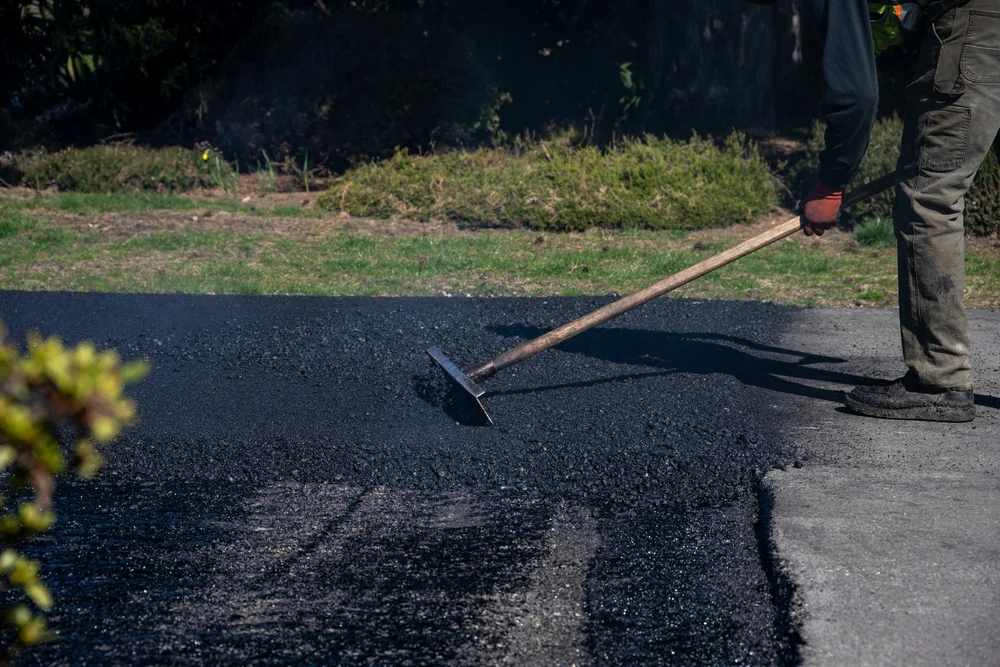
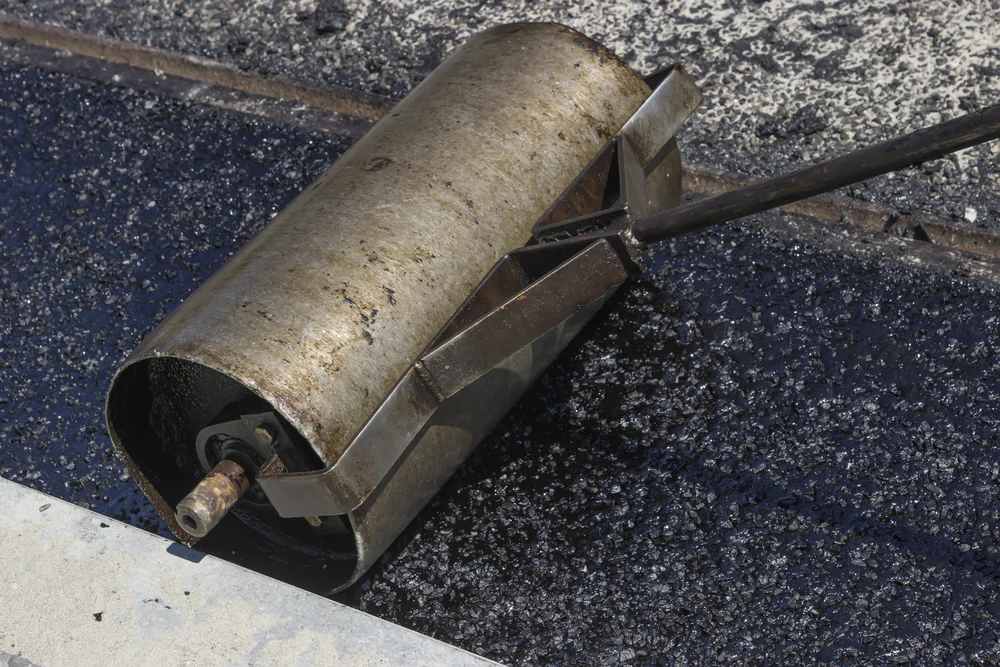
Then the asphalt goes down. Three to four inches for residential driveways—not the thin skim coat some contractors try to get away with. Hot-mix asphalt, properly compacted while it’s still workable. Edges get finished cleanly. Seams between passes are nearly invisible.
After installation, the surface needs time to cure. You’ll get clear instructions on when you can drive on it—usually 48-72 hours. No guessing. No assumptions. Just straightforward information so you don’t damage your new asphalt driveway before it’s ready.
Ready to get started?
Springfield’s climate demands specific installation standards. Freeze-thaw cycles hit hard here—water gets into cracks, freezes, expands, and turns small problems into major failures. That’s why proper asphalt paving installation matters more in Pennsylvania than in warmer states.
Your project includes full excavation when needed, not just paving over problems. A compacted aggregate base that won’t shift or settle. Proper grading so water drains correctly—this prevents the standing water that leads to potholes and premature failure. Three to four inches of hot-mix asphalt for residential driveways, more for commercial paving applications or heavy vehicle traffic.
Springfield properties often need custom drainage solutions. Some driveways require additional grading work. Others need water management systems to handle runoff properly. We assess these needs upfront, not after problems develop.
Our crew cleans up completely before leaving. No asphalt chunks in your lawn. No equipment marks on your property. The job site looks professional when we’re done, not like a construction zone that got abandoned halfway through.
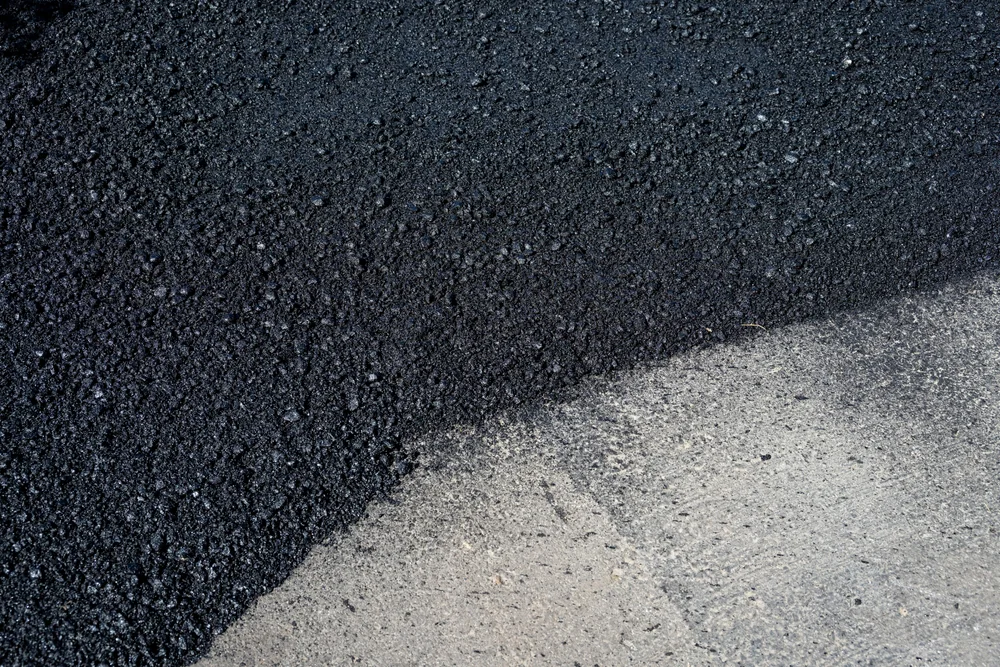
A properly installed asphalt driveway in Springfield should last 15 to 30 years. That wide range isn’t random—it depends entirely on installation quality and maintenance.
Driveways with correct base preparation, proper drainage, and adequate thickness (3-4 inches of asphalt over a compacted gravel base) reach the higher end of that range. Thin installations with poor drainage fail in 8-10 years. Pennsylvania’s freeze-thaw cycles are unforgiving. Water that can’t drain properly seeps into small cracks, freezes, expands, and creates major damage.
Regular maintenance extends lifespan significantly. Sealcoating every 2-3 years protects against UV damage and moisture. Repairing small cracks before they spread prevents water infiltration. These aren’t optional extras—they’re what separates a 15-year driveway from a 25-year one.
Driveway paving in Springfield typically costs $4 to $7 per square foot for professional installation. A standard two-car driveway (roughly 600 square feet) runs $2,400 to $4,200. Larger driveways or complex projects with drainage challenges cost more.
That price includes proper excavation, a compacted gravel base, 3-4 inches of hot-mix asphalt, and professional grading for drainage. If you’re getting quotes significantly below this range, ask what’s being cut. Thinner asphalt? Skipped base preparation? Inadequate drainage work? Those shortcuts save money today but cost far more in premature replacement.
Pricing also depends on site access, current driveway removal if needed, and soil conditions. Properties with poor drainage or unstable soil require more prep work. Get a detailed written estimate that breaks down what’s included—not just a per-square-foot number with no explanation.
Wait 48 to 72 hours before driving on your new asphalt driveway. The surface needs time to cure and harden properly. Driving on it too soon creates indentations and damage that won’t heal.
During the first few days, asphalt is still relatively soft. Vehicle weight—especially when stationary—can create permanent depressions. Turning your steering wheel while the car isn’t moving causes surface damage. Even walking on very fresh asphalt leaves footprints.
After 72 hours, you can use your driveway normally for regular passenger vehicles. Heavier vehicles like moving trucks should wait a full week if possible. During the first summer, avoid parking in the exact same spot repeatedly—hot weather softens asphalt slightly, and concentrated weight can create shallow depressions. This is normal and doesn’t indicate poor installation.
Poor drainage is the number one killer of asphalt driveways in Pennsylvania. Water that can’t drain properly pools on the surface, seeps into small cracks, and causes catastrophic damage during freeze-thaw cycles.
When water freezes, it expands by roughly 9%. That expansion force is powerful enough to widen cracks and break apart asphalt. Over multiple winters, microscopic cracks become visible cracks, then potholes, then structural failure. Proper grading during installation prevents this by ensuring water flows off the driveway instead of sitting on it.
Inadequate base preparation also causes premature failure. A thin or poorly compacted base shifts under vehicle weight, creating low spots where water collects. Thin asphalt (less than 3 inches) doesn’t have enough structural strength to resist Pennsylvania weather. Skipping sealcoating allows UV rays and moisture to degrade the asphalt binder. All these factors compound—poor installation plus neglected maintenance equals a driveway that fails in under a decade.
Yes, sealcoating every 2 to 3 years significantly extends your driveway’s lifespan. It’s not optional maintenance—it’s protection against the elements that destroy asphalt in Pennsylvania’s climate.
Sealcoating creates a protective barrier against UV rays, which break down the petroleum binders in asphalt. It prevents water infiltration through small surface cracks. It protects against oil spills and chemical damage from vehicles. In Springfield’s climate, where freeze-thaw cycles are intense, this protection is critical.
The first sealcoat should be applied 6-12 months after installation, once the asphalt has fully cured. After that, reapply every 2-3 years depending on traffic and weather exposure. Driveways that get regular sealcoating can last 25-30 years. Driveways that never get sealed often fail in 15 years or less. The cost of sealcoating is minimal compared to premature replacement.
An asphalt overlay adds a new layer (typically 2 inches) over your existing driveway. Full replacement removes everything down to the base and rebuilds from scratch. Which you need depends on your current driveway’s condition.
Overlay works when your existing driveway has minor surface wear but the base underneath is still solid. No major cracks, no drainage problems, no areas where the base has failed. Overlay costs less—roughly $3 to $5 per square foot versus $4 to $7 for full replacement. It extends the life of a structurally sound driveway by 10-15 years.
Full replacement is necessary when you have widespread cracking, potholes, drainage issues, or base failure. Paving over these problems doesn’t fix them—it just hides them temporarily. Within a few years, the underlying issues resurface through the new layer. If water pools on your driveway, if sections have sunk, or if cracks are wider than a quarter-inch, you likely need full replacement, not overlay. A professional assessment determines which approach makes sense for your specific situation.
Other Services we provide in Springfield