
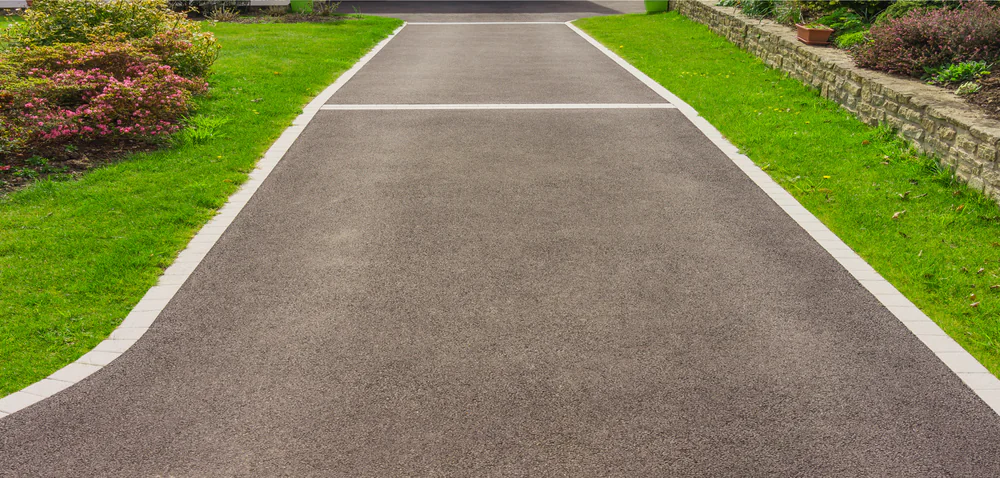
You know that feeling when you pull into a driveway that looks sharp, feels smooth, and clearly won’t need fixing next year? That’s what proper asphalt paving does for your property.
A well-installed driveway doesn’t just look good—it handles New Jersey’s freeze-thaw cycles without cracking. It drains water properly so you’re not dealing with puddles or ice patches. And it actually adds real value to your property, not just the appearance of it.
When the job’s done right, you get years of reliable performance instead of annual repair bills. Your guests notice. Your neighbors notice. And when it comes time to sell, buyers definitely notice the difference between a professionally paved driveway and one that’s already showing problems.
We’ve been handling paving projects in the Tewksbury area since 1948. That’s not just experience—that’s three generations of understanding exactly what works in New Jersey’s climate and what doesn’t.
We focus on one project at a time, which means when we’re working on your driveway, that’s where our full attention goes. No juggling multiple jobs or rushing to get to the next site. This approach has earned us consistent five-star reviews on Angie’s List and a reputation for treating every customer like our most important one.
We know Tewksbury’s soil conditions, drainage patterns, and the specific challenges that come with paving in this area. That local knowledge makes a real difference in how long your driveway lasts and how well it performs.
First, we evaluate your property’s specific needs—drainage, soil conditions, and how the driveway will be used. This isn’t a cookie-cutter approach because every property is different.
Next comes proper preparation, which is where most contractors cut corners but we don’t. We grade the area correctly, address any drainage issues, and ensure a solid foundation. This step determines whether your driveway lasts five years or twenty-five.
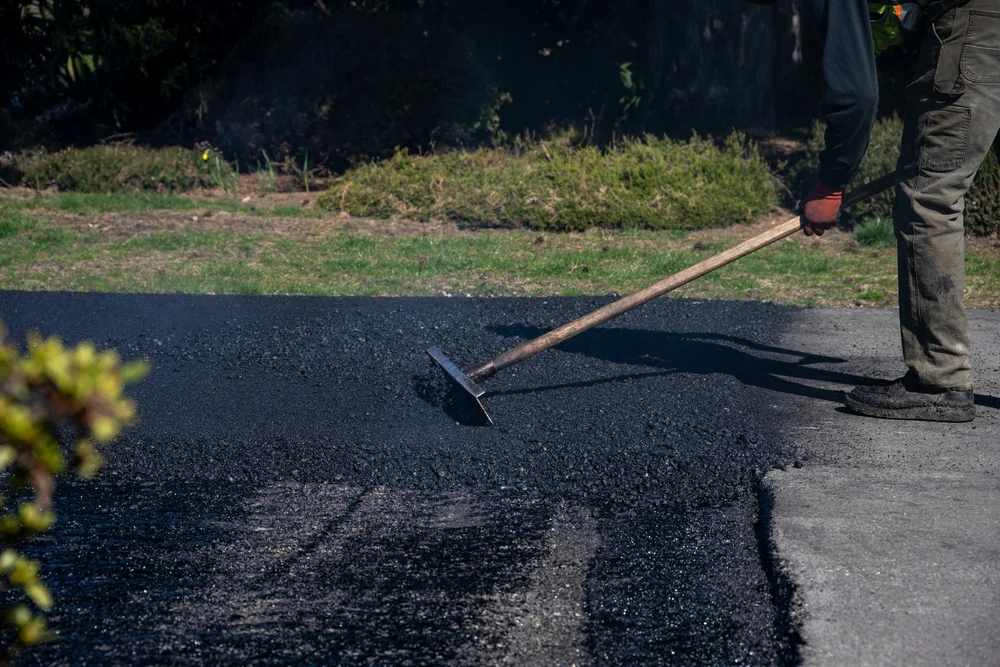
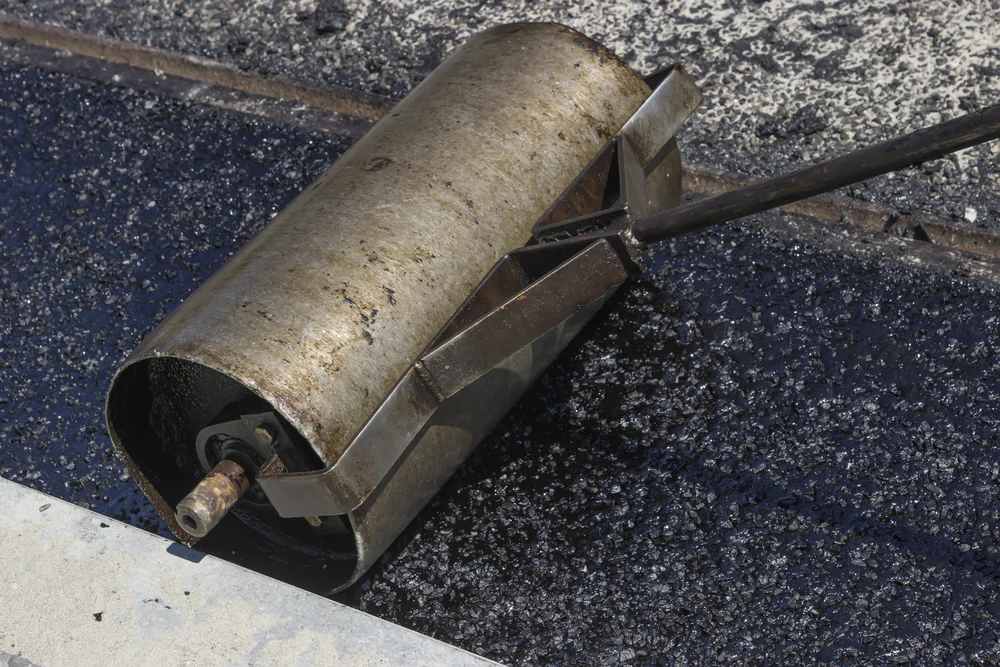
Then comes the asphalt installation using the right mix for New Jersey conditions. We pay attention to thickness, compaction, and proper finishing. Finally, we walk you through maintenance recommendations so you know exactly how to protect your investment.
Throughout the process, you get regular updates on progress and timeline. No surprises, no wondering what’s happening next.
Ready to get started?
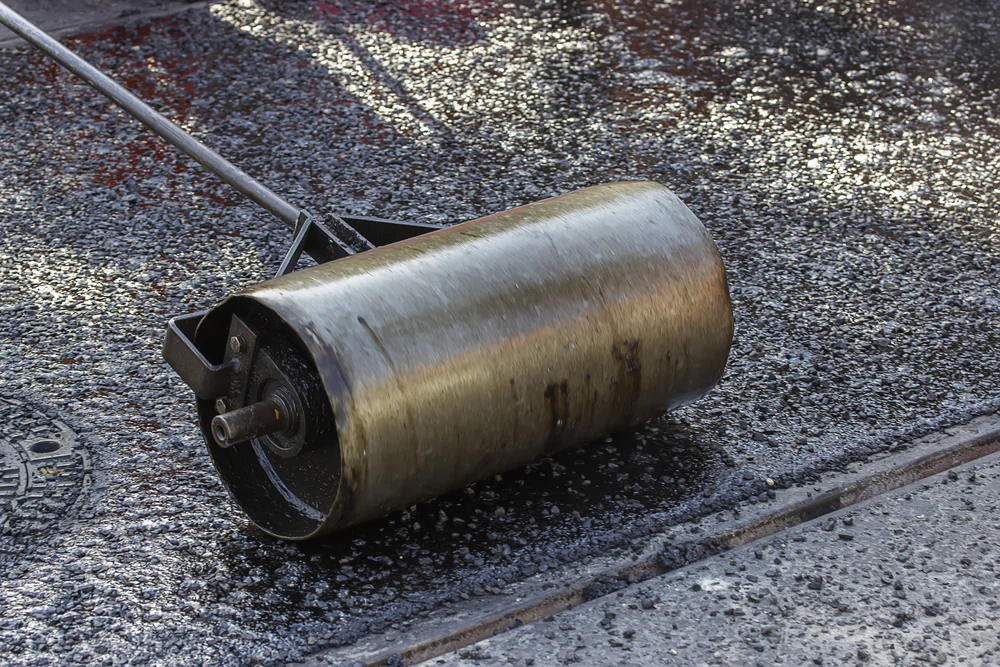
Every driveway paving project includes proper site preparation, quality asphalt mix designed for New Jersey weather, and professional-grade equipment for proper compaction. You’re not getting the bare minimum—you’re getting the full treatment.
Tewksbury properties often deal with specific challenges like clay soil and seasonal water issues. We address these during the planning phase, incorporating proper drainage solutions and base preparation that many contractors skip.
Our service also includes cleanup, disposal of old materials, and a clear explanation of curing time and maintenance. We offer specialized discounts for seniors, military personnel, and first-time customers because we believe quality paving should be accessible to the community members who deserve it most.
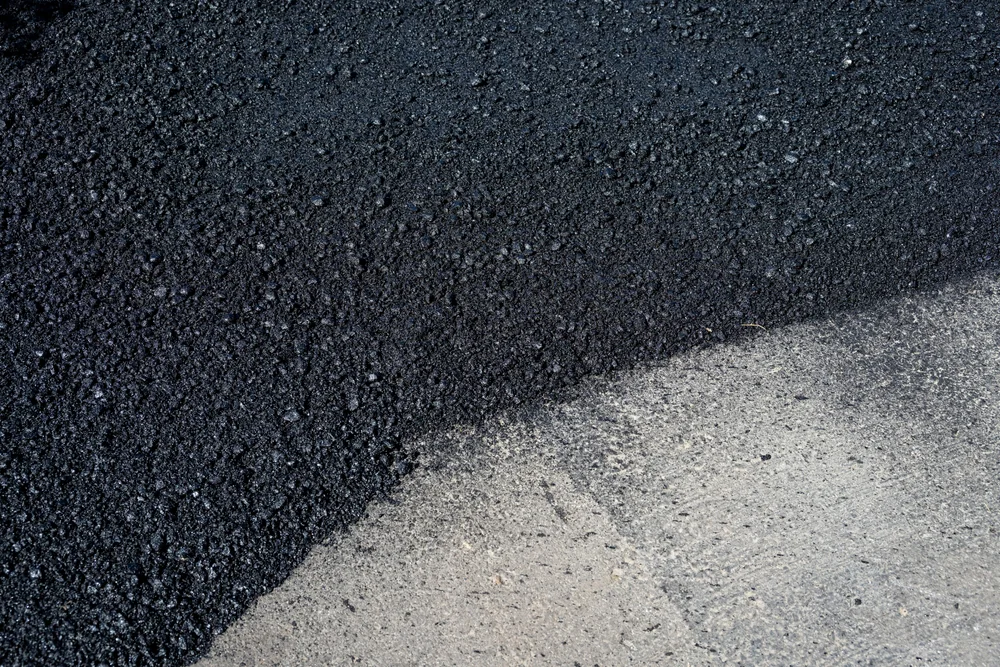
A professionally installed asphalt driveway in New Jersey typically lasts 15-25 years with proper maintenance. The key factors are correct base preparation, appropriate asphalt thickness for your usage, and addressing drainage issues upfront.
New Jersey’s freeze-thaw cycles are tough on asphalt, but when the foundation is properly prepared and the installation follows industry standards, your driveway will handle these seasonal changes without significant cracking or settling. Regular sealcoating every 3-5 years extends this lifespan considerably.
The difference between a 10-year driveway and a 25-year driveway usually comes down to the preparation work that happens before any asphalt gets laid down.
Commercial paving requires thicker asphalt layers and more robust base preparation because it handles heavier vehicles and more frequent traffic. Residential driveways typically use 2-3 inches of asphalt, while commercial applications often need 4-6 inches or more.
The base preparation is also more intensive for commercial projects. Heavy trucks and delivery vehicles create different stress patterns than passenger cars, so the foundation needs to be engineered accordingly. Commercial projects also require specific attention to turning radii and loading areas where trucks might sit for extended periods.
Both types of projects need proper drainage and quality materials, but commercial paving involves additional considerations for long-term durability under heavy use.
If more than 30% of your driveway surface shows significant cracking, settling, or deterioration, replacement usually makes more financial sense than patching. Large cracks that you can fit a quarter into, areas where the asphalt is breaking apart, or sections that have settled significantly are all signs that the base has failed.
Surface-level issues like minor cracks, small potholes, or fading can often be addressed with repairs and sealcoating. But when you’re seeing widespread problems or the same areas keep failing after repairs, the underlying structure likely needs to be rebuilt.
A professional assessment can determine whether your base is still sound or if you’re just postponing the inevitable with temporary fixes. Sometimes what looks like a major problem is actually repairable, and sometimes what seems minor indicates deeper structural issues.
Driveway paving costs in Tewksbury typically range from $3-7 per square foot, depending on site conditions, access, and specific requirements. A standard residential driveway (400-600 square feet) usually runs between $2,500-4,500 for complete replacement.
Factors that affect pricing include excavation requirements, drainage solutions, base thickness needed, and site accessibility. Properties with challenging drainage or soil conditions require additional preparation work, which increases the investment but ensures long-term performance.
The lowest bid isn’t always the best value. Contractors who underbid often cut corners on base preparation or asphalt thickness, leading to premature failure and costly repairs. Quality installation costs more upfront but saves money over the driveway’s lifetime.
Late spring through early fall provides the best conditions for asphalt paving in New Jersey. Temperatures need to be consistently above 50°F for proper asphalt curing, and dry weather is essential for quality installation.
Summer and early fall are ideal because asphalt plants are running at full capacity, material availability is good, and weather conditions are most predictable. However, these are also the busiest times for contractors, so scheduling requires more advance planning.
Winter paving is possible during warm spells, but it’s riskier due to unpredictable weather and limited material availability. Spring paving works well once ground conditions stabilize after winter freeze-thaw cycles. The key is avoiding periods when rain or cold weather might compromise the installation quality.
Most driveway replacement projects in Tewksbury don’t require permits if you’re staying within existing boundaries and not changing drainage patterns. However, if you’re expanding the driveway, altering the entrance location, or making changes that affect stormwater runoff, permits may be required.
New driveways or significant modifications typically need approval from the local building department. This includes projects that change the grade, add impervious surface area, or alter how water flows off your property. The permit process ensures compliance with local zoning and environmental regulations.
Your paving contractor should be familiar with Tewksbury’s requirements and can advise whether your specific project needs permits. It’s always better to check beforehand rather than deal with compliance issues after the work is complete.
Other Services we provide in Tewksbury