
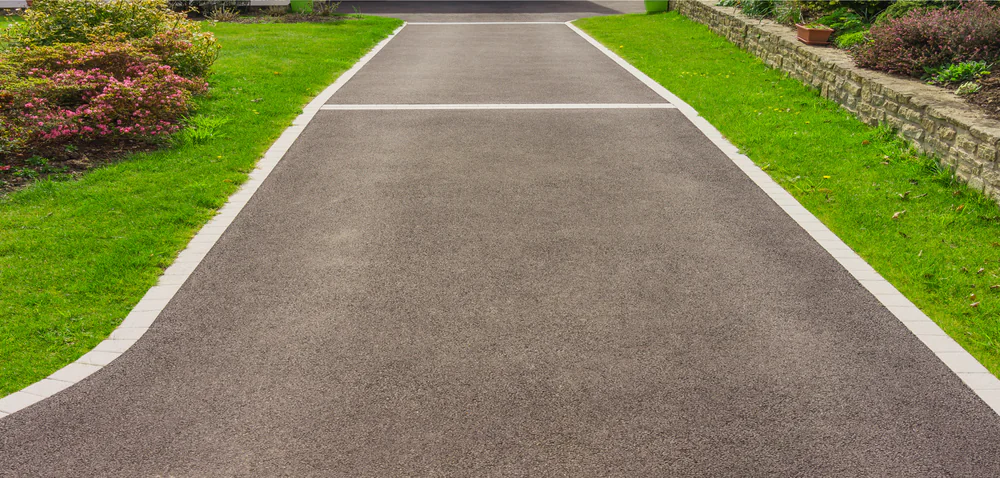
You get a driveway that doesn’t crack in two years. You get proper drainage so water doesn’t pool near your foundation after every Mercer County storm. You get a base that’s actually thick enough to support your vehicles through New Jersey’s brutal freeze-thaw cycles.
Here’s what matters: the foundation. Most driveway problems start below the surface—thin base layers, poor grading, corners cut where you can’t see them. When the base fails, everything above it fails too. That’s why driveways crack, sink, and need replacement years before they should.
A properly installed asphalt driveway in West Windsor, NJ should give you 20 to 30 years. Not five. Not ten. Decades. That only happens when the prep work is done right, the materials are quality, and the crew actually knows what they’re doing in this area’s soil conditions.
We have roots in this industry going back to 1948. That’s not a sales pitch—it’s just fact. We bring that generational knowledge to every residential driveway and commercial parking lot installation in West Windsor, NJ and throughout Mercer County.
Here’s how we work: one job at a time. Our crew doesn’t split attention across multiple sites. We show up, focus on your project, and don’t leave until it’s done right. Every client gets treated like the most important client, whether it’s a small residential driveway off Clarksville Road or a large commercial paving project near Princeton Junction.
West Windsor homeowners deal with specific challenges—drainage requirements, township stormwater codes, soil conditions that vary across neighborhoods. We understand these local factors because we’ve been working in this area for years. We’re not learning on your driveway.
First, we assess your property. That means looking at drainage, soil conditions, grade, and any unique factors that affect how your driveway should be built. No cookie-cutter approach—every West Windsor property is different.
Next comes the prep work. If you have an old driveway, it gets removed properly. The base gets excavated to the right depth—not whatever’s easiest. A compacted gravel base goes down, usually at least 3 inches for residential driveways, thicker if drainage is an issue. This base is what determines whether your driveway lasts 5 years or 25 years.
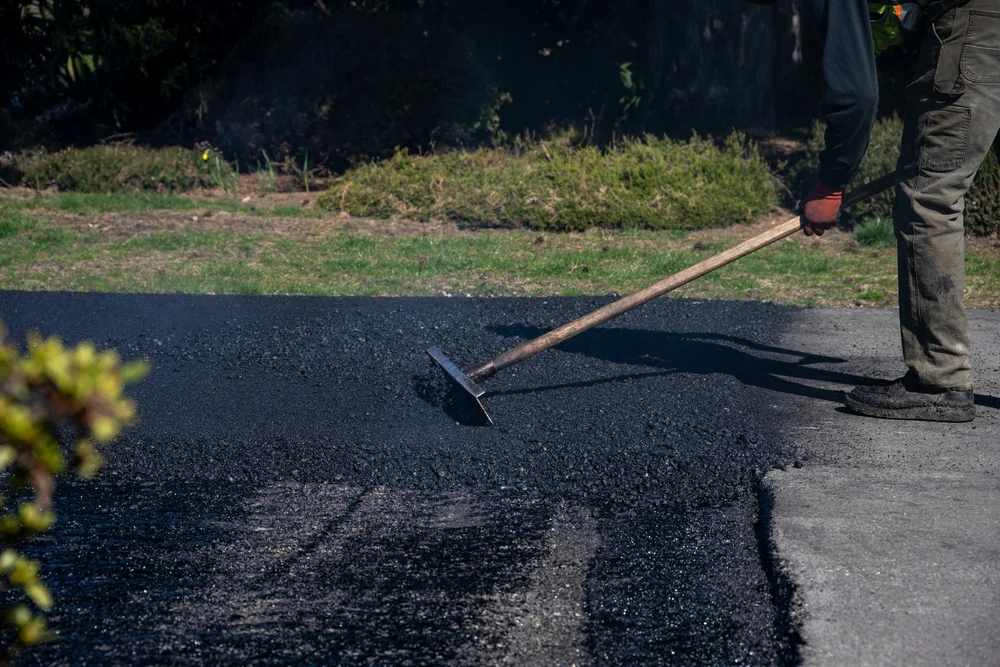
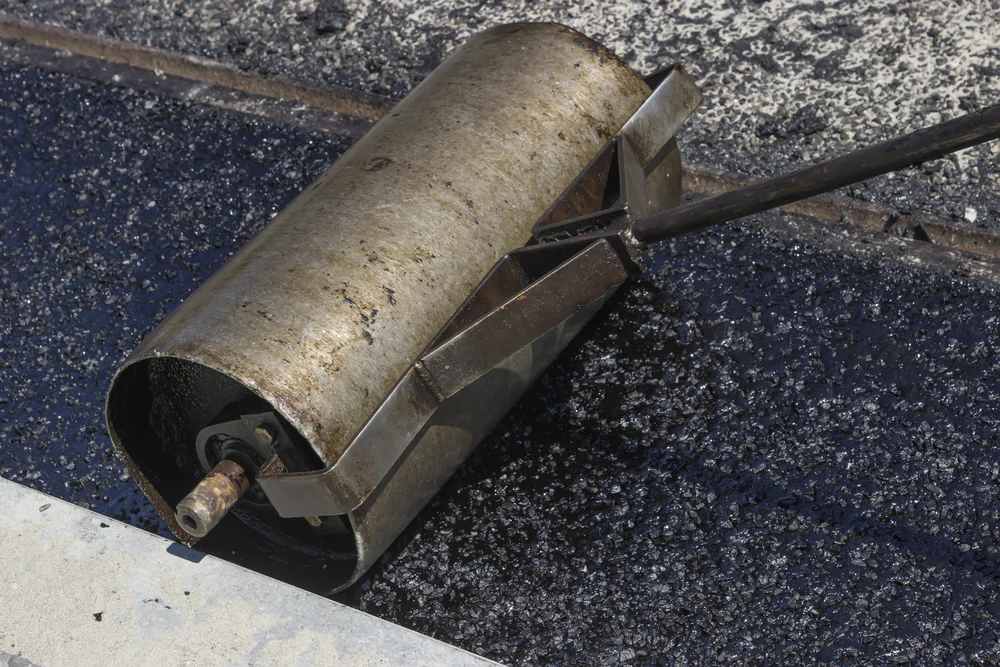
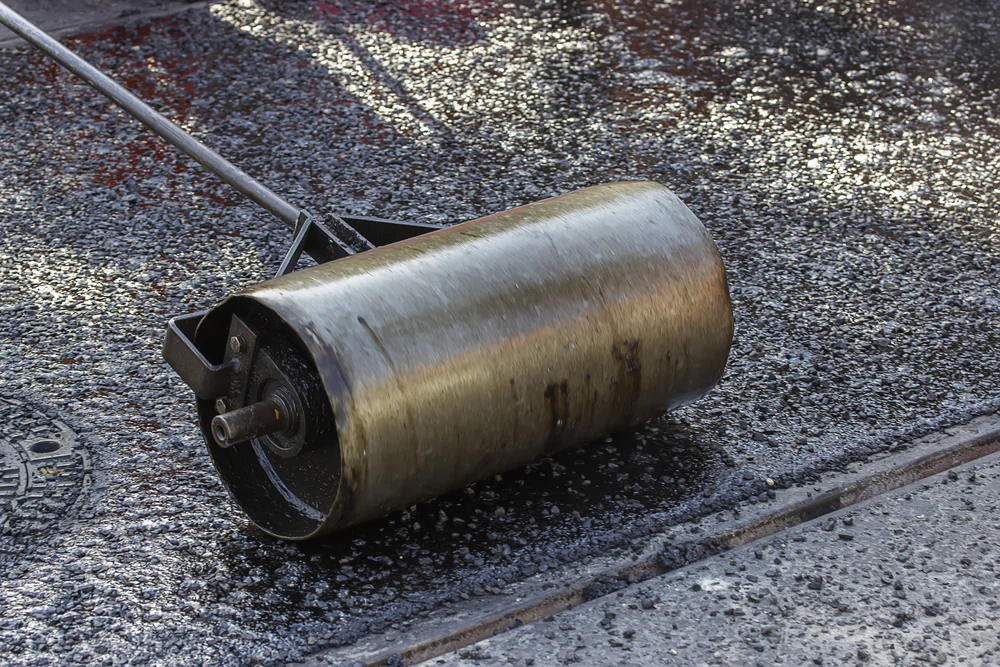
Then comes the asphalt installation. Hot mix asphalt gets laid, graded for proper water runoff, and compacted while it’s still hot. Edges get finished cleanly. We don’t rush this part—proper compaction matters, especially with New Jersey’s temperature swings.
After installation, you wait. New asphalt needs 24 to 48 hours before you can drive on it, depending on weather. Then you’ve got a driveway that’s ready to handle whatever you throw at it.
Ready to get started?
You get a complete installation—not just asphalt slapped over dirt. That includes site assessment, old material removal if needed, proper base preparation with compacted stone, grading for drainage, hot mix asphalt installation, and clean finishing work.
West Windsor sits in Mercer County where soil conditions and drainage matter. Properties here deal with varying terrain, and the township has specific codes around stormwater management that contractors need to follow. Your driveway needs to handle New Jersey’s climate—freezing winters that dip into the teens, summers that hit 90 degrees, and spring rains that test every drainage system. That means proper thickness, quality materials, and installation techniques that account for freeze-thaw cycles.
We also provide guidance on maintenance. A new driveway is an investment, and you should know how to protect it. That includes when to seal coat (every 2 to 3 years in this climate), how to handle winter de-icing without damaging the surface, and what signs to watch for that indicate you need crack filling before small problems become expensive ones.
We offer discounts for seniors, military, and first-time customers. We provide transparent estimates with no hidden fees—you know what you’re paying before work starts. And we communicate throughout the project so you’re never wondering what’s happening or when we’ll be back.
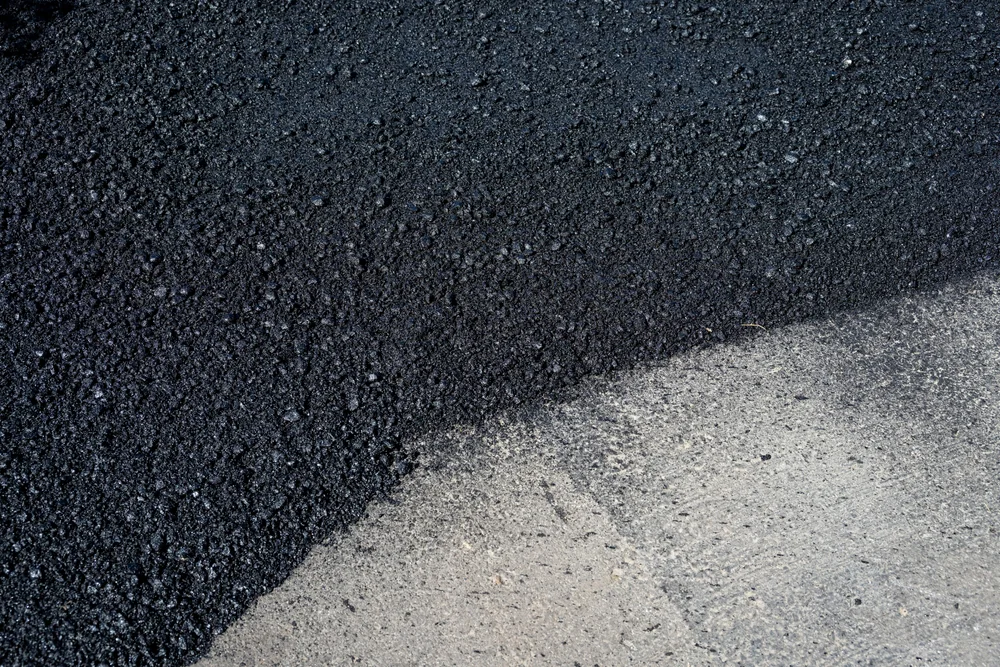
With proper installation and regular maintenance, you’re looking at 20 to 30 years. That’s not a guarantee—it depends on how well the base was prepared, the quality of materials used, and whether you maintain it properly.
New Jersey’s climate is tough on asphalt. The freeze-thaw cycles we get every winter cause expansion and contraction that can crack poorly installed driveways fast. If the base isn’t thick enough or the drainage isn’t right, you’ll see problems within five years.
Maintenance matters too. Sealcoating every 2 to 3 years protects against water penetration, UV damage, and chemicals from road salt. Fill cracks when they’re small, before water gets underneath and makes them worse. Homeowners who skip maintenance cut their driveway’s lifespan in half.
Residential driveway paving typically runs $7 to $15 per square foot in this area, including labor and materials. That’s a wide range because every project is different.
Cost depends on several factors: the size of your driveway, whether old material needs removal, how much base preparation is required, drainage considerations, and site accessibility. A straightforward replacement on flat ground with good drainage costs less than a new installation on sloped property with drainage issues.
Be cautious of quotes that seem too good to be true. If someone’s pricing is significantly lower than other contractors, they’re cutting corners somewhere—usually in base preparation or material quality. Those corners show up as cracks and failures within a few years, and then you’re paying for the job twice.
Late spring through early fall—basically late March through early November in New Jersey. Asphalt needs warm temperatures to cure properly. Once temperatures drop below 50 degrees, you can’t get proper compaction and the asphalt won’t cure correctly.
Summer is ideal because the heat helps everything bond and compact properly. The asphalt stays workable longer, which means better finishing work. Dry conditions also make base preparation easier and more reliable.
Fall works too, but don’t wait too long. Contractors get busy in October with homeowners trying to beat the first freeze. If you’re thinking about a new driveway, book early—schedules fill up fast. And definitely don’t plan on paving work in winter. Cold weather compromises the installation, and you’ll end up with problems you could have avoided by waiting for warmer weather.
At least 3 inches of compacted asphalt over a proper gravel base. That’s the minimum for residential driveways. If your property has drainage issues or poor soil conditions, you need a thicker stone base underneath—sometimes 6 to 8 inches or more.
The base is actually more important than the asphalt thickness. A thick asphalt layer over a thin or poorly compacted base will fail quickly. The base provides stability and drainage. Without it, water gets trapped underneath, the ground shifts, and your driveway cracks and sinks.
Some contractors will try to save money by skimping on base preparation. They’ll put down 2 inches of asphalt over minimal base and tell you it’s fine. It’s not. That driveway will show problems within a few years. Proper base preparation costs more upfront but saves you from having to redo the entire driveway prematurely.
If you want it to last, yes. Sealcoating protects asphalt from water, UV rays, and chemicals like road salt. In New Jersey’s climate, plan on sealcoating every 2 to 3 years.
Think of it like changing the oil in your car. You can skip it and the car will still run—for a while. But eventually, that neglect catches up with you in expensive ways. Same with driveways. Sealcoating is relatively inexpensive maintenance that can add 7 to 10 years to your driveway’s lifespan.
Water is asphalt’s biggest enemy. When water seeps into cracks, it gets under the surface and erodes the base. In winter, that water freezes and expands, making cracks bigger. Sealcoating creates a protective barrier that keeps water on the surface where it belongs. It also fills minor surface cracks before they become major problems. The cost of sealcoating every few years is a fraction of what you’d pay to replace a failed driveway.
Experience, transparency, and verifiable past work. Ask how long they’ve been in business and whether they can provide references from projects in your area. Check online reviews on multiple platforms—not just their website testimonials.
Get detailed written estimates from at least three contractors. The estimate should break down exactly what’s included: removal, base preparation depth and materials, asphalt thickness, and finishing work. If a contractor won’t provide details or pressures you to sign immediately, walk away.
Ask about their process. How do they handle drainage? What thickness base do they use? How long will the project take? A good contractor will explain their approach and answer questions without getting defensive. They should also discuss maintenance—what you need to do after installation to protect your investment. If they install your driveway and disappear without guidance, that’s a red flag.
Other Services we provide in Westwindsor