
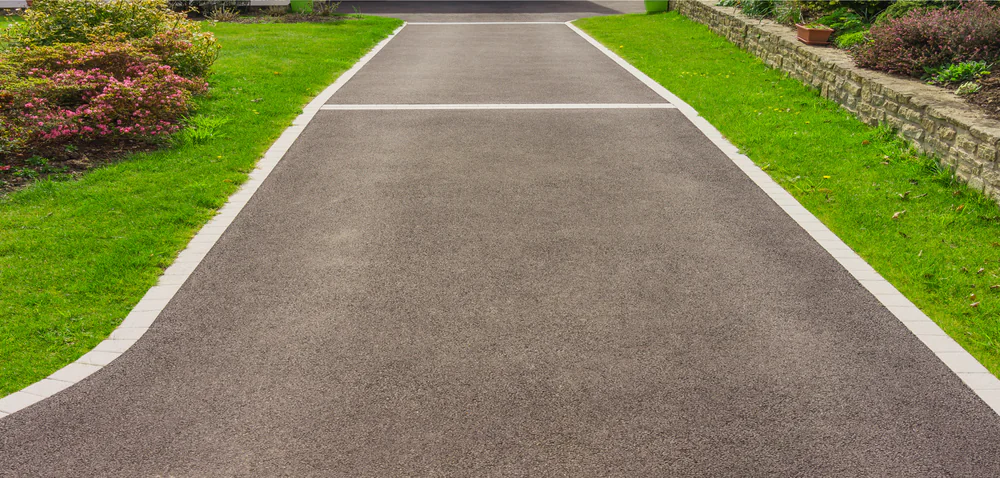
A properly paved driveway isn’t just smoother to look at. It’s safer to walk on, easier to maintain, and built to handle New Jersey winters without cracking apart in year two.
When the base is compacted correctly and drainage is planned from the start, water flows where it should instead of pooling up and freezing into problems. That means fewer repairs, less frustration, and a surface that holds up under real use—not just for show.
You’re not paying for perfection. You’re paying for a driveway that does its job without needing constant attention or turning into a safety hazard the moment the weather shifts.
We’ve been in the paving business since 1948. That’s not a typo—over 75 years of learning what works, what doesn’t, and how to do the job without cutting corners or disappearing halfway through.
We’re family-owned, locally operated, and built on the idea that every project matters. Whether it’s a residential driveway in Windsor or a commercial parking lot, we show up, focus on one job at a time, and treat your property with the same care we’d want for our own.
Windsor homeowners deal with the same weather challenges as the rest of Mercer County—freeze-thaw cycles, heavy rain, and driveways that take a beating. We know how to prep for that, plan around it, and build something that holds up when it counts.
First, the old surface gets removed if there’s one to take out. That means breaking up worn asphalt or concrete and hauling it off so there’s a clean slate to work with.
Next comes grading and drainage planning. The ground gets leveled and sloped so water runs off instead of sitting there and causing damage down the line. This step matters more than most people realize—it’s what keeps your driveway from turning into a pond every time it rains.
Then the base goes in. A solid sub-base layer of compacted gravel provides the foundation that supports everything on top. If this part isn’t done right, nothing else will hold up. The base gets compacted, tested, and checked to make sure it’s stable enough to handle vehicles and weather without shifting or settling.
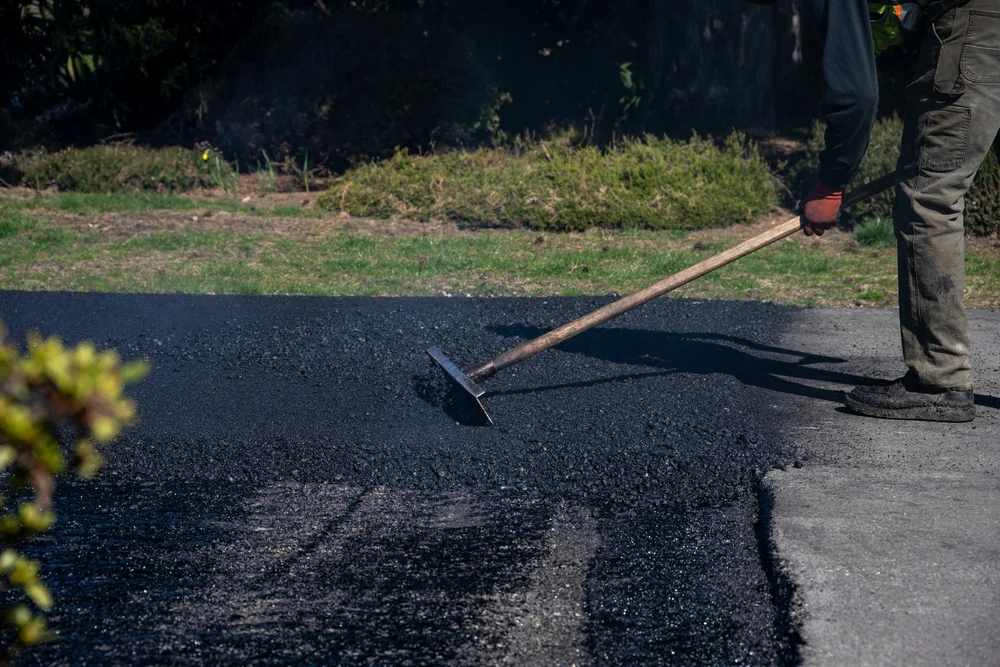
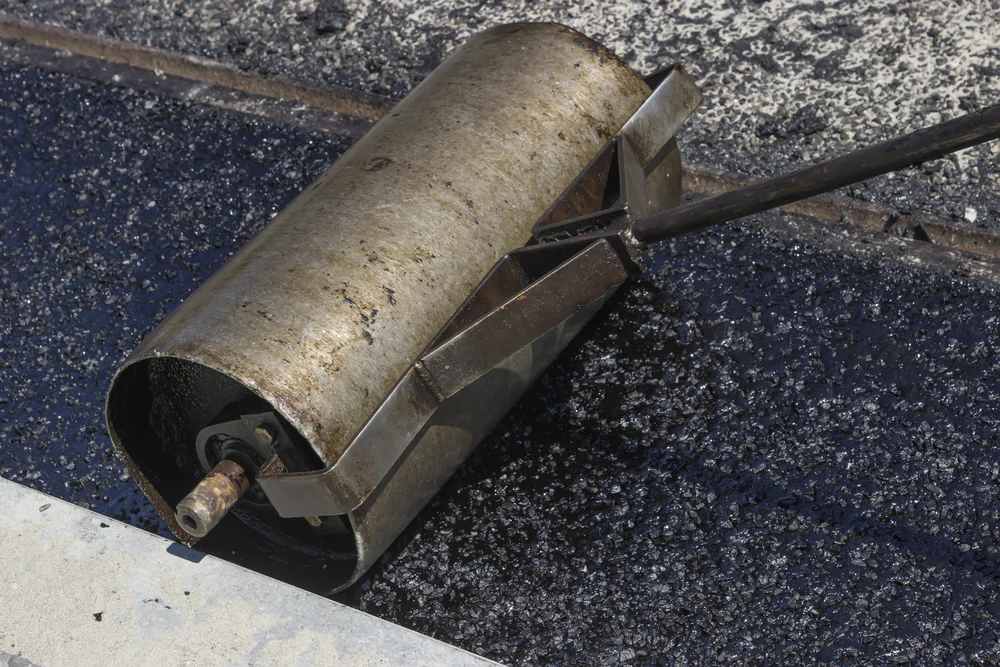
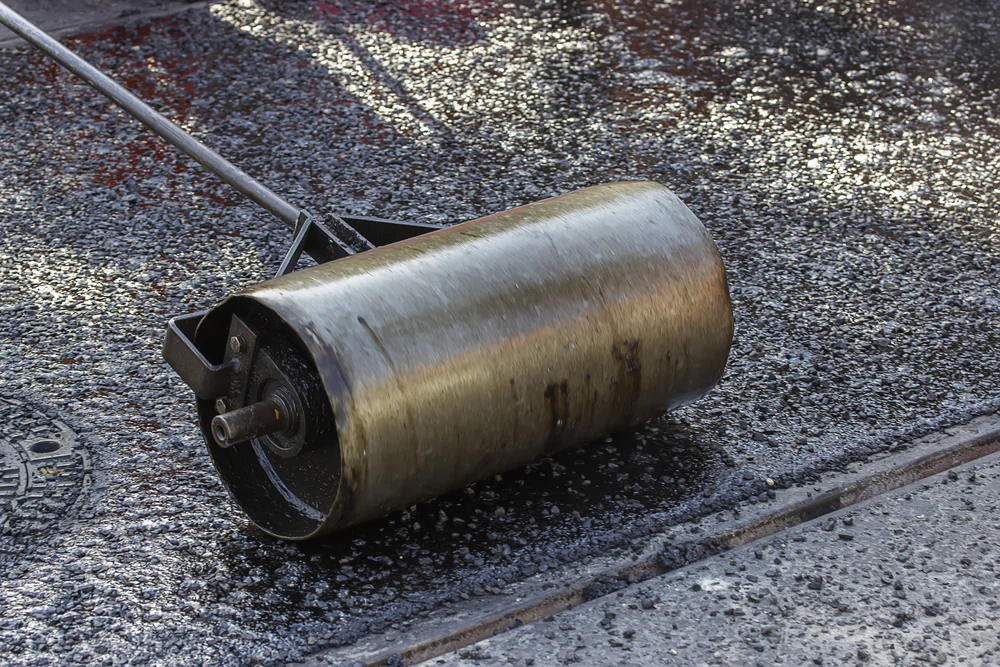
After that, the asphalt layers go down—binder first, then the surface course. We spread it evenly, compact it with heavy rollers, and make sure the transitions to existing surfaces are smooth. No lips, no rough edges, no shortcuts.
Once it’s done, you wait about 24 to 48 hours before driving on it lightly, and a full week before parking anything heavy. The asphalt needs time to cure properly, but after that, it’s ready to go.
Ready to get started?
In Windsor and the surrounding Mercer County area, driveways face specific challenges. The freeze-thaw cycle hits hard here, and poor drainage can turn a brand-new driveway into a cracked mess within a year or two.
That’s why proper base preparation isn’t optional. A minimum of four inches of compacted gravel creates the stability needed to prevent shifting, cracking, and early failure. Drainage planning ensures water flows away from your home and doesn’t pool on the surface where it can freeze and cause damage.
Asphalt thickness matters too. Residential driveways typically need at least two to three inches of compacted asphalt, while commercial projects often require more depending on traffic load. Skimping on thickness to save a few bucks upfront just means you’ll be paying for repairs sooner than you should.
Windsor properties also benefit from proper grading that accounts for the local terrain. Whether your driveway slopes toward the street or sits on a flat lot, we need to plan for how water will move across and off the surface. Ignoring this step leads to standing water, ice patches in winter, and premature wear.
We handle both residential and commercial projects, which means we understand the difference between a family driveway and a parking lot that sees constant traffic. The approach, materials, and execution get adjusted based on what the property actually needs—not a one-size-fits-all formula.
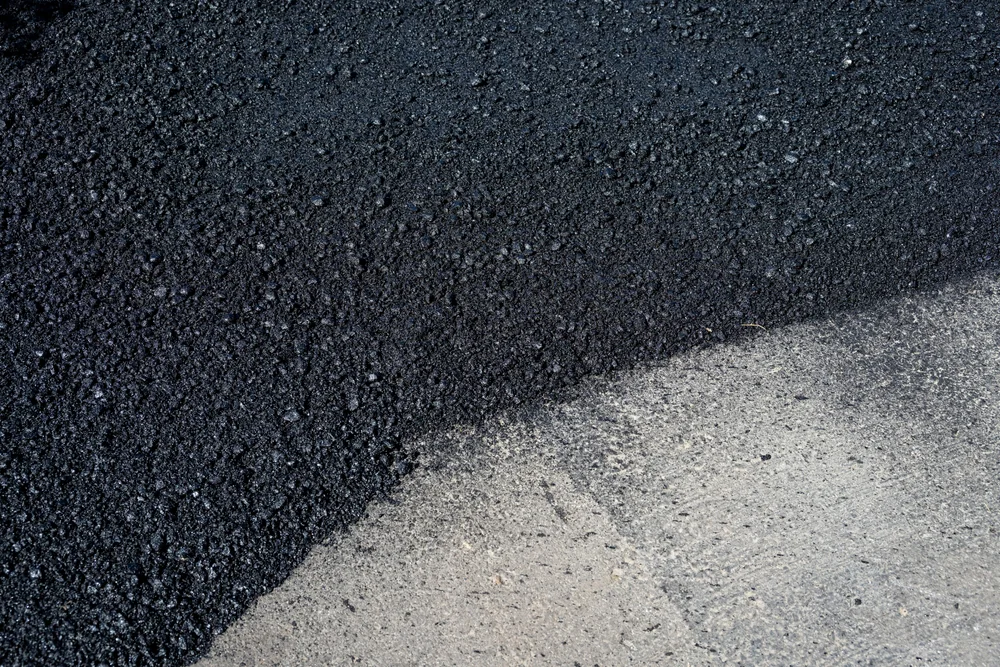
Most asphalt driveways in New Jersey run between five and eight dollars per square foot, including materials and labor. That price covers demolition of the old surface if needed, proper base preparation, and installation of new asphalt.
The final cost depends on the size of your driveway, how much prep work is required, and whether there are drainage issues that need to be addressed. A standard two-car driveway might range from around four thousand to seven thousand dollars, but every property is different.
What drives the price up? Things like removing old concrete instead of asphalt, dealing with poor soil that needs extra base material, or adding drainage solutions. What keeps it lower? Overlaying existing asphalt that’s still in decent shape, straightforward grading, and no major site complications.
Most residential driveways in Windsor get completed in one to three days depending on size and complexity. Day one typically involves demolition and removal of the old surface. Day two focuses on grading, base preparation, and compaction. Day three is when the asphalt gets laid and finished.
Weather plays a role too. Asphalt needs to be installed when temperatures are consistently above 50 degrees, and rain can delay the process since you can’t pave on wet surfaces. We schedule around weather forecasts and let you know if delays are expected.
Once the asphalt is down, you’ll need to stay off it for at least 24 to 48 hours before light foot traffic or driving. Heavy vehicles should wait a full week. The surface continues to cure over the next several months, but it’s usable much sooner than that.
The most common culprit is poor base preparation. If the gravel sub-base isn’t thick enough, properly compacted, or graded for drainage, the asphalt on top will crack and fail no matter how good the surface layer is.
Water is the other major issue. When drainage isn’t planned correctly, water sits on or under the driveway. In New Jersey’s climate, that water freezes and expands during winter, which causes cracking, heaving, and potholes. Proper grading and drainage planning prevent this from happening.
Thin asphalt is another problem. Some contractors cut corners by laying asphalt that’s too thin to handle the load. Residential driveways need at least two to three inches of compacted asphalt. Anything less won’t hold up over time, especially with freeze-thaw cycles and vehicle weight.
Start by avoiding anyone who shows up at your door unsolicited claiming they have leftover asphalt from a job down the street. That’s one of the most common paving scams, and it almost always ends with shoddy work, inflated prices, or contractors who disappear before finishing.
Always get everything in writing before any work starts. A legitimate contractor will provide a detailed estimate that includes the scope of work, materials, timeline, and total cost. If someone asks for payment in cash or wants a large deposit upfront with no contract, walk away.
Check reviews and references. Look for contractors with verified reviews on platforms like Angie’s List, Google, or the Better Business Bureau. Ask for references from recent projects and actually call them. A reputable contractor won’t hesitate to provide this information.
Make sure they’re licensed and insured. In New Jersey, paving contractors should have proper licensing and insurance to protect you if something goes wrong. Ask to see proof before hiring anyone.
A properly installed asphalt driveway in New Jersey should last 20 to 30 years with regular maintenance. The key words there are “properly installed” and “regular maintenance.” Cut corners on either one, and you’ll be lucky to get 10 years.
Maintenance means sealcoating every two to three years after the first year, filling cracks as they appear, and keeping the surface clean. Sealcoating protects the asphalt from UV damage, water penetration, and chemical wear from oil or gas spills.
The lifespan also depends on how much use the driveway gets and how well drainage was planned during installation. A residential driveway with light use will outlast one that sees heavy trucks or poor water runoff. But if the base was built correctly and drainage was done right from the start, you’re set up for decades of reliable use.
Asphalt installation works best when temperatures are consistently above 50 degrees Fahrenheit. Below that, the asphalt cools too quickly and doesn’t compact properly, which leads to a weaker surface that’s more prone to cracking and failure.
That means late spring, summer, and early fall are the ideal times for paving installation in Windsor and the rest of New Jersey. Winter installations are generally not recommended unless it’s an emergency repair, and even then, the results won’t be as durable as warm-weather work.
If you’re planning a driveway project, schedule it during the warmer months. Contractors also tend to be less busy in late fall or early spring, which can sometimes mean better availability and pricing. Just make sure the forecast shows consistent warm temperatures for at least a few days before and after installation.
Other Services we provide in Windsor