
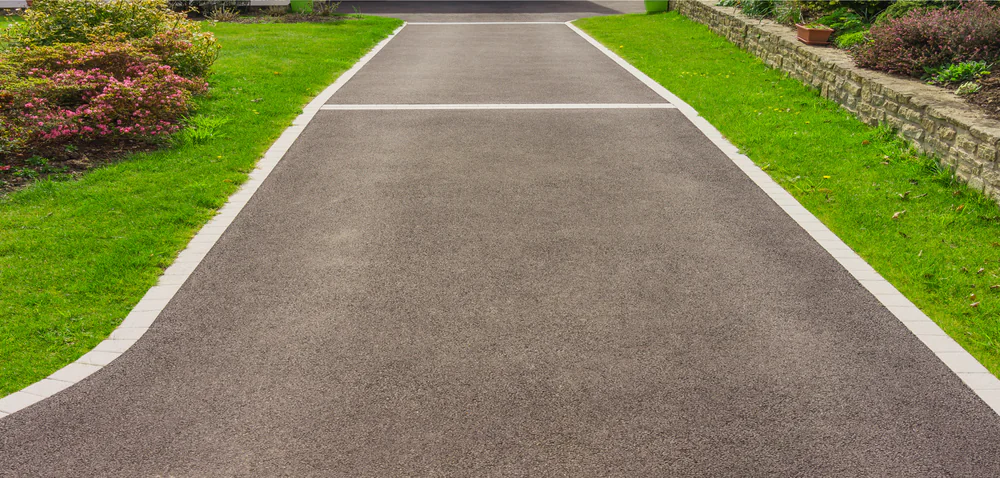
Pennsylvania winters aren’t gentle. Thirty to fifty freeze-thaw cycles hit your driveway every year. Water seeps in, freezes, expands, cracks the surface. Before you know it, you’re patching potholes or looking at a full replacement.
That’s why proper installation matters more than the price tag. The base needs to be graded right. Drainage has to work. The asphalt thickness has to match your property’s needs—not some cookie-cutter standard.
When your driveway is installed correctly, you’re not calling for repairs every spring. You’re pulling in and out without worrying about cracks spreading or edges crumbling. You get a smooth surface that drains water where it should, handles daily traffic, and holds up year after year.
We bring decades of hands-on paving experience to Woodside and the surrounding areas. Our roots in the asphalt industry date back to 1948, combining family tradition with the kind of expertise you only get from years of doing the work.
Our crew focuses on one job at a time. Not juggling multiple sites. Not rushing to the next project. Your driveway gets full attention from start to finish, whether it’s a residential driveway or a commercial parking lot.
Woodside’s industrial history and small-town character deserve contractors who understand local conditions. We know how Allegheny County weather affects pavement, how to handle drainage on different property types, and what it takes to build driveways that last in this climate.
First, the old surface comes out if you’re replacing an existing driveway. We remove deteriorated asphalt or concrete, clear debris, and prepare a clean base to work from.
Next comes grading and drainage setup. This step determines whether water runs off properly or pools on your driveway causing damage. The base gets sloped correctly, soft spots get addressed, and the foundation is compacted to handle vehicle weight without flexing or settling.
Then the sub-base goes in—typically crushed stone or aggregate that creates a stable layer between the ground and your asphalt. This layer protects against frost heave during winter and provides the structural support your driveway needs.
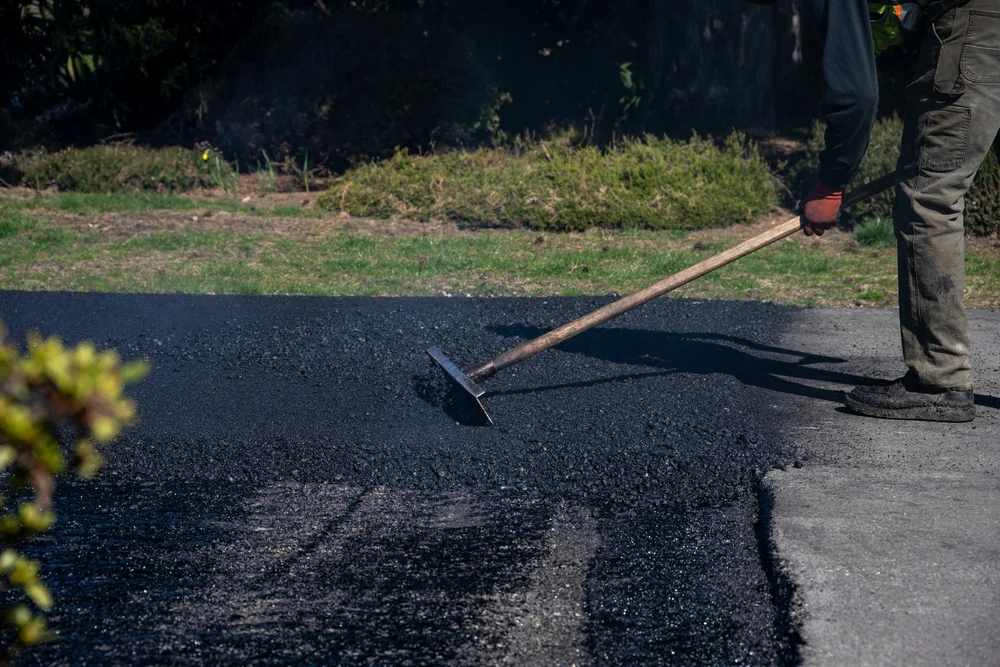
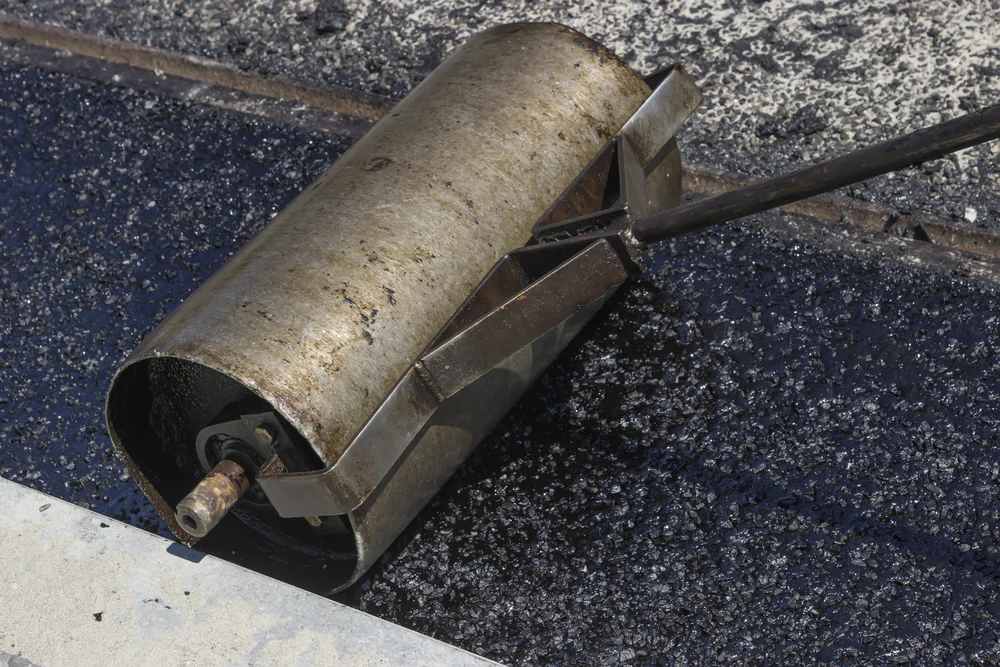
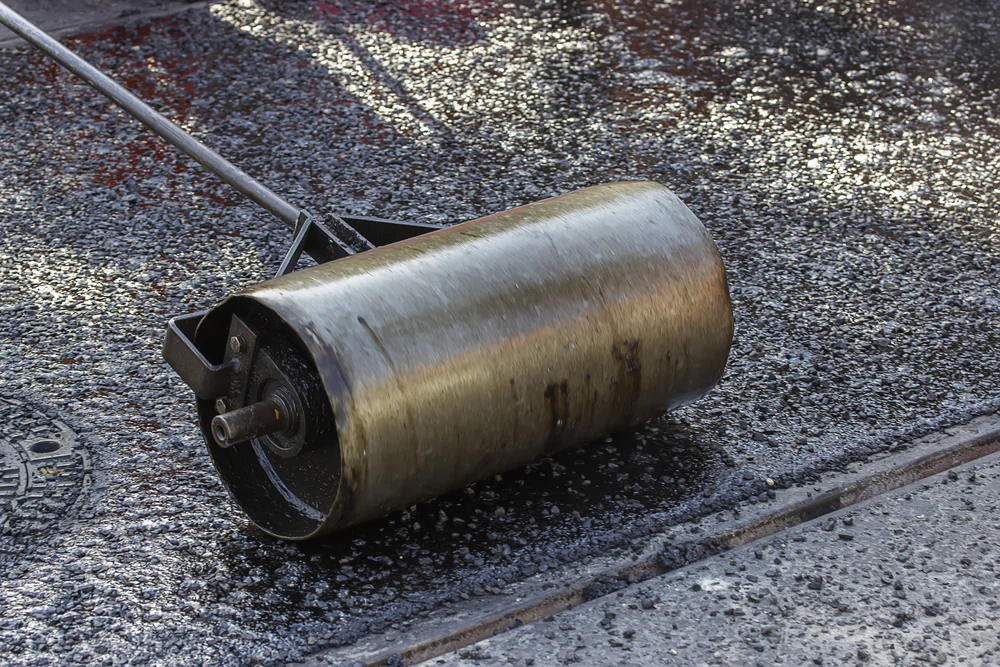
Finally, hot-mix asphalt gets applied at the right thickness for your situation. Residential driveways typically need two to three inches. The asphalt is spread evenly, compacted with heavy rollers, and finished with clean edges and smooth transitions to existing surfaces. The whole process usually takes a couple of days for a standard residential driveway, assuming no major drainage or base issues.
Ready to get started?
Driveway paving in Woodside means dealing with real Pennsylvania conditions. The freeze-thaw cycles here are relentless. Allegheny County properties face temperature swings that test every paved surface, and your driveway is no exception.
Proper paving installation accounts for local soil conditions, drainage patterns specific to your property, and the reality that winter will come back every year. You’re getting asphalt mixed and applied at temperatures that allow proper compaction—not rushed through when conditions aren’t right.
The base preparation matters as much as the asphalt itself. Inadequate base work is why driveways fail early. Water infiltration, poor compaction, insufficient thickness—these aren’t just technical details. They’re the difference between a driveway that lasts fifteen years and one that needs major work in five.
Woodside properties vary. Some have challenging slopes. Others have drainage issues from surrounding landscape. We assess your specific situation and build solutions that work for your property, not just standard approaches that might fail when conditions get tough.
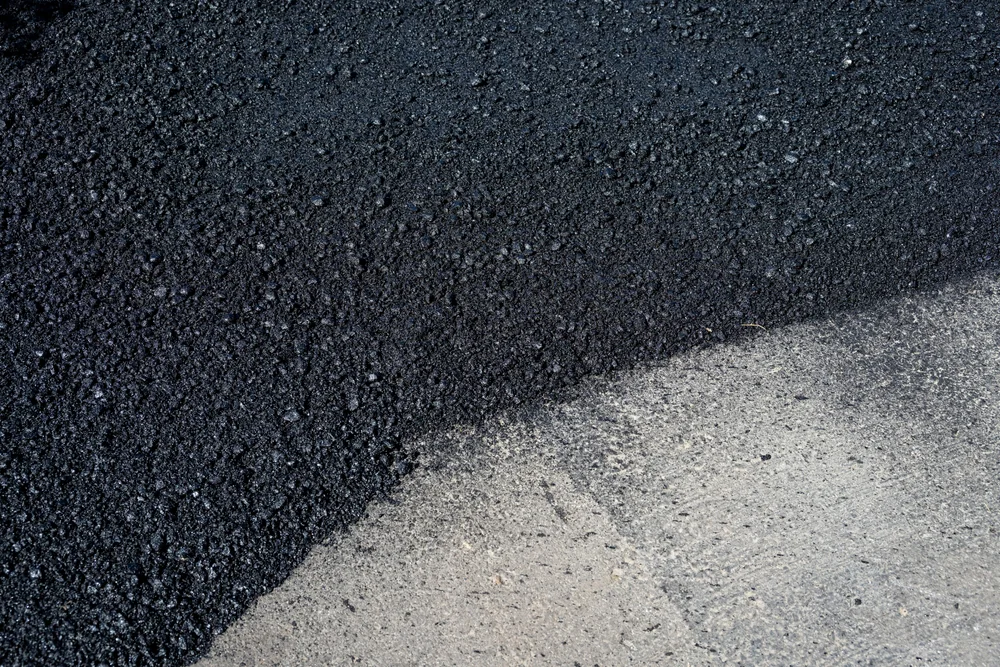
With proper installation and maintenance, you’re looking at fifteen to twenty years, sometimes longer. The key factors are base quality, asphalt thickness, drainage, and whether you stay on top of sealcoating every few years.
Pennsylvania’s freeze-thaw cycles are tough on pavement. Water that gets into small cracks freezes, expands, and creates bigger problems. If your driveway was installed correctly with adequate base preparation and proper drainage, it handles these cycles much better.
Maintenance extends life significantly. Sealcoating every two to three years protects the surface from oxidation and water penetration. Filling cracks promptly prevents them from spreading. Neglected driveways might need replacement in ten to twelve years, while maintained ones can push past twenty.
It depends on what’s happening below the surface. If your base is still solid and only the top layer shows wear, resurfacing might work. If you have base failures, widespread cracking, or drainage problems, full replacement makes more sense.
Resurfacing costs less upfront—typically forty percent less than full replacement. But it only works if the underlying structure is sound. Cracks that reflect through from a failing base, soft spots that flex under weight, or persistent water pooling all signal base problems that resurfacing won’t fix.
An honest contractor will assess your situation and tell you what you actually need. Sometimes resurfacing buys you another eight to ten years. Other times it’s throwing money at a problem that needs a real solution. The assessment should include checking how the base responds to weight, evaluating drainage patterns, and looking at crack patterns to determine if they’re surface-level or structural.
Late spring through early fall gives you the best conditions. Asphalt needs warm temperatures to compact properly and cure correctly. We prefer working when temperatures consistently hit sixty-five to seventy degrees or higher.
Cold weather causes problems. The asphalt cools too quickly, making proper compaction difficult. It might look fine initially but can develop issues as it settles. Hot summer days work, though extreme heat requires adjustments to application techniques.
Fall can be ideal if you time it right. Temperatures are moderate, the asphalt cures at a good pace, and we often have more availability than during peak summer season. Just avoid scheduling too late—once temperatures start dropping consistently below fifty degrees, quality becomes harder to guarantee. Most paving in Pennsylvania happens between late April and early October for good reason.
For a standard residential driveway, you’re typically looking at seven to thirteen dollars per square foot installed, depending on site conditions and project specifics. A typical two-car driveway might run anywhere from three thousand to six thousand dollars, though costs vary based on size and complexity.
Several factors affect the final number. If you need extensive base work, grading corrections, or drainage solutions, costs go up. Simple replacement on level ground with good existing base costs less than starting from scratch on a sloped property with drainage challenges.
Thickness matters too. Most residential driveways use two to three inches of asphalt, but properties expecting heavier vehicles might need four inches. More material means higher cost but also longer life and better performance. Get a detailed estimate that breaks down what you’re paying for—base work, asphalt thickness, grading, and any site-specific challenges. That transparency helps you understand the value, not just the price.
No. New asphalt needs time to cure before sealcoating. We recommend waiting at least six months to a year after installation. The asphalt has to fully harden and any oils need to evaporate before sealer can properly bond.
Sealcoating too early can trap those oils and prevent proper curing. You might see soft spots or areas that don’t harden correctly. It’s tempting to protect your investment immediately, but patience pays off here.
Once that initial curing period passes, sealcoating every two to three years makes sense. It protects against UV damage, prevents water infiltration, and keeps the surface looking fresh. Think of it as routine maintenance that extends your driveway’s life. Skipping sealcoating might save money short-term, but you’ll likely face more repairs and earlier replacement down the road.
Freeze-thaw cycles top the list. Water gets into small cracks or porous areas, freezes when temperatures drop, expands with significant force, and creates larger cracks. This happens thirty to fifty times every winter in this region, which is why proper installation and drainage matter so much.
Poor base preparation causes problems too. If the base wasn’t compacted properly or the wrong materials were used, the driveway can settle unevenly. That settling creates stress points where cracks develop. Inadequate thickness is another culprit—asphalt that’s too thin can’t handle the stress from temperature changes and vehicle weight.
Water is the enemy. If your driveway doesn’t drain properly, water sits on the surface, works its way into tiny openings, and accelerates deterioration. UV exposure from sun gradually breaks down the asphalt binder, making it brittle and more prone to cracking. Regular maintenance like sealcoating helps, but the foundation has to be right from the start. A properly installed driveway with good drainage and adequate thickness resists cracking far better than one where corners were cut during installation.
Other Services we provide in Woodside