Your parking lot takes a beating. New Jersey winters crack the surface. Spring rains pool in low spots. Summer heat softens the asphalt. By fall, you’re looking at potholes that weren’t there six months ago.
Here’s what changes when the work is done right: smooth surfaces that drain properly, fewer repair calls, and a property that looks maintained instead of neglected. Your customers don’t dodge cracks on their way to the door. Your liability risk drops. Your maintenance budget becomes predictable instead of reactive.
The difference isn’t just in how the lot looks on day one. It’s in how it holds up year five, year ten, and beyond. Proper base preparation, correct grading for drainage, quality materials, and installation that doesn’t cut corners—that’s what separates a parking lot that lasts from one that fails early.
We’ve been in the asphalt business since 1948. That’s not a typo—generational knowledge passed down and combined with modern techniques that work in Bethlehem’s specific conditions.
Our approach is simple: one project at a time. When our crew is on your site, we’re not thinking about the next job or rushing to squeeze in another property before dark. We’re focused on your parking lot, your drainage issues, your specific challenges.
Every project gets the same treatment, whether it’s a small business lot or a large commercial facility. Clear communication, transparent pricing, and work that holds up to New Jersey’s weather extremes. That’s been our standard for decades, and it’s what property owners in Bethlehem can expect today.
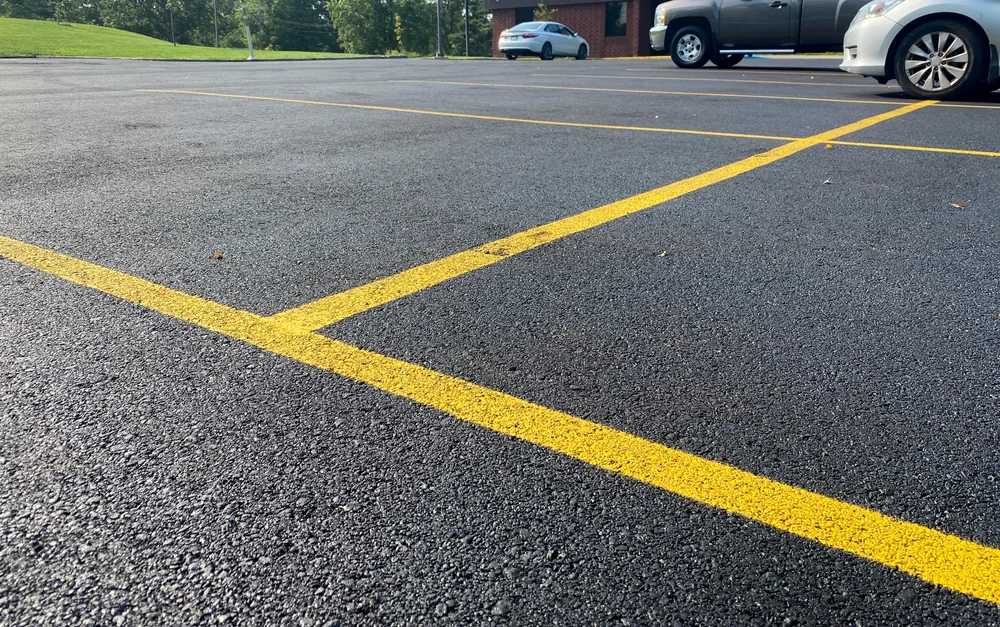
First, there’s a site assessment. We examine your current surface, check drainage patterns, measure the area, and identify any base issues. This determines whether you need full reconstruction, milling and overlay, or resurfacing. No guesswork—just honest evaluation of what your property needs.
Next comes preparation. If your base is compromised, we address it before any new asphalt goes down. Proper grading ensures water flows away from buildings and doesn’t pool on the surface. If you have severe cracking or drainage problems, we may mill off damaged layers or install fabric to prevent future issues.
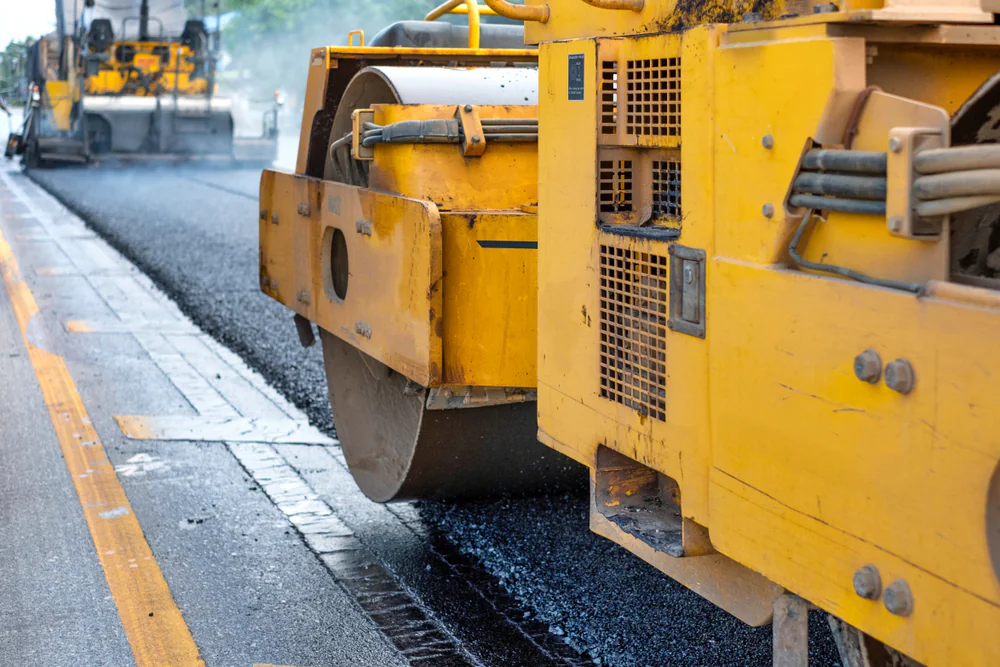
Then comes installation. Hot asphalt is laid, compacted properly, and graded to exact specifications. Thickness matters—commercial lots handling heavy traffic need more depth than residential applications. We work systematically, ensuring proper compaction and smooth transitions.
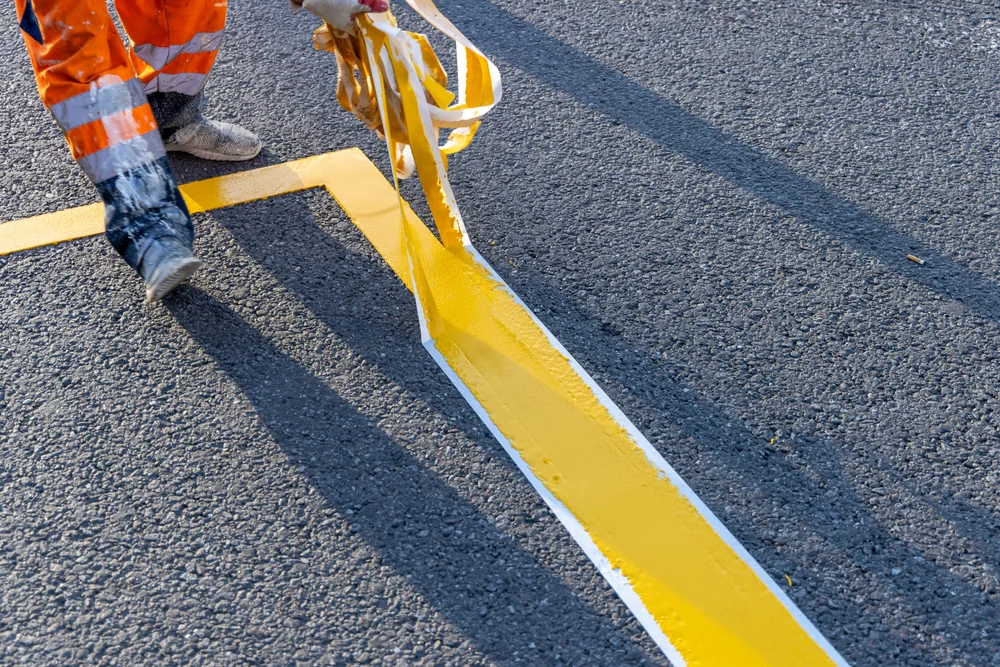
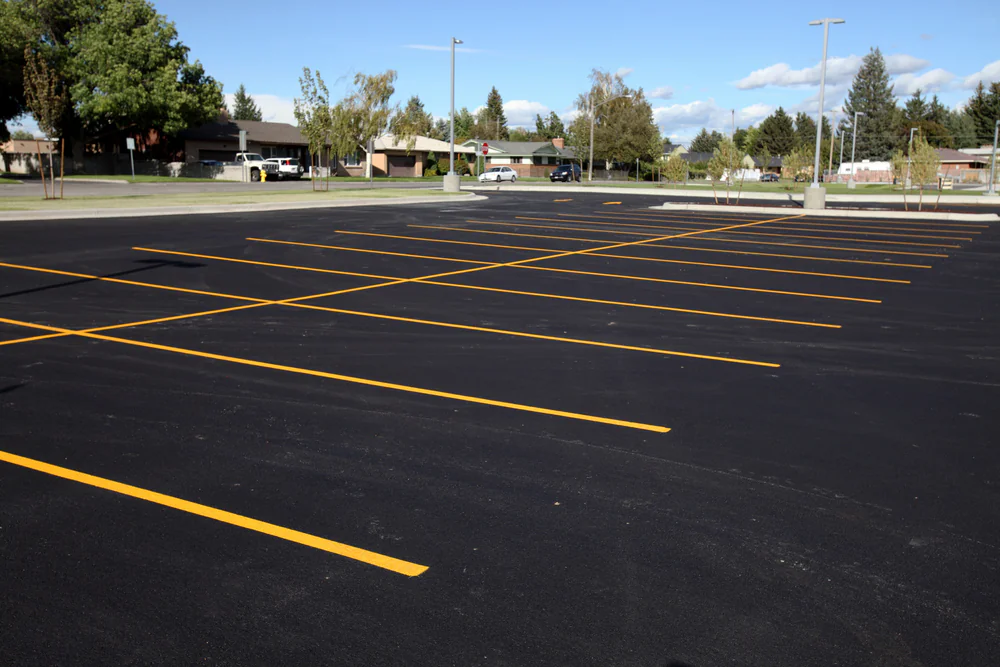
Finally, there’s curing and finishing. The surface needs time to set before vehicles can use it. Line striping, if needed, happens after the asphalt has cured. You get clear guidance on when the lot can handle traffic and what to expect during the first few weeks.
Ready to get started?
Parking lot paving in Bethlehem means dealing with specific local conditions. The soil composition, water table levels, and freeze-thaw cycles here are different from other parts of New Jersey. Your project needs to account for these factors, not follow some generic template.
Our work includes proper site evaluation, base preparation or repair, grading for effective drainage, and installation of quality asphalt at the correct depth for your traffic patterns. Commercial properties handling delivery trucks need different specifications than residential parking areas. Industrial sites with heavy equipment require even more robust construction.
You also get guidance on maintenance. A well-installed parking lot in Bethlehem can last 15 to 25 years with proper care, but that requires understanding when to seal coat, how to address cracks before they spread, and what signs indicate you need professional attention. Our goal isn’t just to install asphalt and disappear—it’s to set you up for long-term success with a surface that performs year after year.
Commercial parking lot paving typically runs between $4 and $7 per square foot in New Jersey, but that range exists for a reason. Your actual cost depends on current surface condition, whether you need full reconstruction or just resurfacing, drainage work required, and site-specific challenges.
A parking lot with a solid base that just needs milling and overlay costs less than one with failing subgrade that requires excavation and rebuilding. Properties with drainage issues need grading work. Sites with limited access or tight timelines may have additional considerations. The only way to get accurate pricing is a site evaluation—anything else is guessing.
Cheaper isn’t better if the work fails in three years instead of lasting twenty. Quality materials, proper installation, and experienced crews cost more upfront but save money long-term through fewer repairs and longer lifespan.
Most parking lot paving projects in Bethlehem take one to three days for the actual installation, depending on size and complexity. A small business lot might be done in a day. A large commercial property could take three days or more.
But installation is just part of the timeline. Site preparation happens first—if you need milling, base repair, or drainage work, that adds time. After installation, the asphalt needs to cure before vehicles can use it. Full curing takes several weeks, though you can typically allow light traffic after 24 to 48 hours.
Weather affects scheduling too. Rain delays work. Extreme heat or cold impacts asphalt performance. Spring through fall is ideal for paving in New Jersey. Winter emergency repairs cost significantly more and don’t perform as well. Planning ahead and scheduling during optimal conditions gives you better results and often better pricing.
This depends entirely on what’s happening below the surface. If your base is solid and you just have surface cracking or wear, resurfacing with an overlay works well and costs less. If you have widespread alligator cracking, potholes that keep returning, or drainage problems, the base is likely compromised and needs reconstruction.
Signs your base is failing include cracks that spread quickly, areas that sink or heave, water that pools in the same spots repeatedly, and potholes that reappear after patching. These indicate structural issues that resurfacing won’t fix. Putting new asphalt over a failing base is like painting a rotting fence—it looks better temporarily but the problem remains.
A proper site evaluation identifies what’s actually wrong. Sometimes one section needs reconstruction while the rest can be resurfaced. Sometimes strategic repairs and overlay work fine. Sometimes the whole lot needs rebuilding. Honest assessment saves money by addressing the real problem instead of applying temporary fixes.
Seal coating every two to four years protects the surface from oxidation, water damage, and oil spills. High-traffic areas may need more frequent applications. This isn’t optional maintenance—it’s what extends your parking lot’s life from 10 years to 20 or 25 years.
Crack sealing should happen annually, especially before winter. Small cracks let water penetrate to the base, where freeze-thaw cycles cause expansion that creates bigger cracks and eventually potholes. Catching cracks early with hot-rubberized sealant prevents expensive repairs later.
Regular inspection helps you spot problems before they become emergencies. Look for standing water, new cracks, edge deterioration, and areas where the surface looks worn. Addressing minor issues promptly costs far less than waiting until you need major repairs. A well-maintained parking lot in Bethlehem can last decades—neglected lots fail in under ten years.
Technically yes, but it’s not ideal. Asphalt needs warm temperatures to properly compact and cure. Cold weather causes the material to cool too quickly, preventing proper bonding and compaction. The result is a surface that doesn’t perform as well and fails sooner.
Emergency winter repairs cost 30 to 50 percent more than work done during paving season, which runs April through October. The higher cost reflects the challenges of working in cold conditions and the additional measures needed to achieve acceptable results. If you can wait until spring, you’ll get better work at better pricing.
Planning ahead prevents winter emergencies. If your parking lot is showing signs of deterioration in fall, schedule work before cold weather hits. If you’re already facing winter damage, temporary patching can get you through until spring when permanent repairs can be done properly.
Most municipalities in New Jersey don’t require permits for asphalt paving on private property, but regulations vary by location and project scope. Bethlehem may have specific requirements, especially for commercial properties or work that affects drainage patterns or property lines.
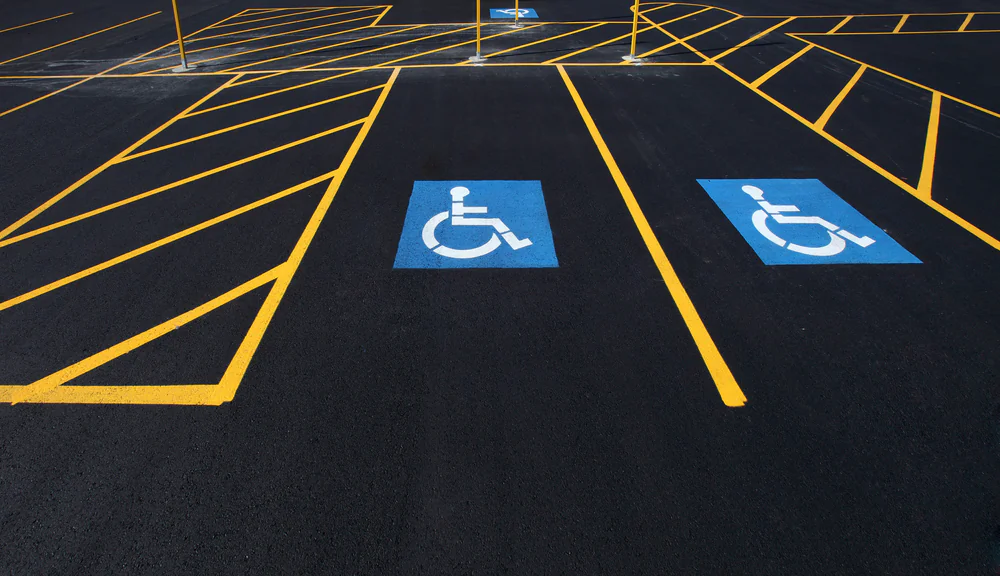
Projects involving significant grading changes, new drainage systems, or expansion of paved areas are more likely to need permits or approval. Work near wetlands, flood zones, or environmentally sensitive areas definitely requires regulatory review. ADA compliance for accessible parking spaces is mandatory for commercial properties.
We know local requirements and can help navigate any permitting needed. Doing work without required permits can result in fines and potentially having to remove and redo the work. It’s worth confirming requirements before starting rather than dealing with problems after the fact.
Other Services we provide in Bethlehem