Your parking lot shouldn’t demand constant attention. No standing water after every storm. No liability worries from potholes and cracks spreading across the surface. No wondering if it’ll survive another Pennsylvania freeze-thaw cycle.
When paving is done right from day one, you get decades of reliable performance instead of years of patching problems. Proper base preparation keeps the surface level. Smart grading moves water where it belongs. Quality installation means lower costs over time because you’re not constantly fixing what shouldn’t have failed in the first place.
You’re investing in a surface that protects property value, keeps customers and tenants safe, and handles daily traffic without breaking down. That’s what happens when your asphalt contractor actually knows what they’re doing.
We bring paving expertise rooted in the industry since 1948 to every parking lot project in Bristol and Bucks County. That history means understanding what works in Pennsylvania’s climate—and what fails.
Here’s what makes our approach different: one crew, one job at a time. Your parking lot gets complete attention from start to finish, whether it’s a small residential paving project or a large commercial facility. No juggling multiple sites. No crew splitting time between your project and someone else’s.
Bristol’s mix of commercial properties, industrial facilities, and residential complexes requires contractors who adapt to different site conditions without cutting corners. We’ve built a five-star reputation by treating every project with the same standard—honest communication, quality work, and a commitment to doing what we say we’ll do.
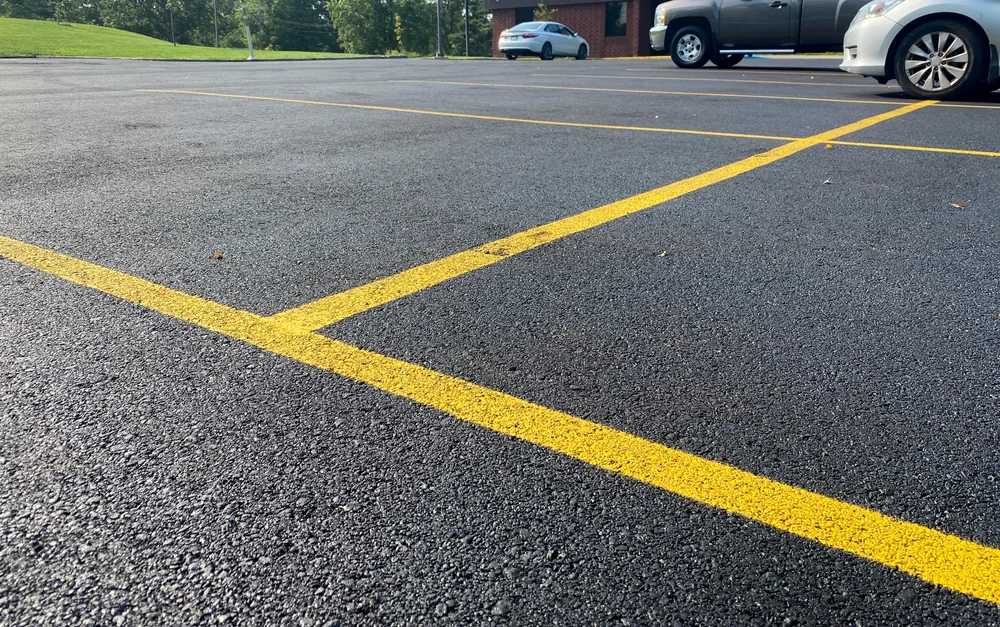
The process starts with a real site evaluation—drainage patterns, base conditions, and any issues that could cause problems down the road. You get a clear explanation of what needs to happen and why, with a transparent quote that reflects actual work, not guesswork.
Site preparation comes next. Existing pavement is removed if necessary, the base is properly graded and compacted, and drainage is addressed before any asphalt goes down. This is where parking lot longevity is determined, and it’s where many paving contractors cut corners to save time or underbid competitors.
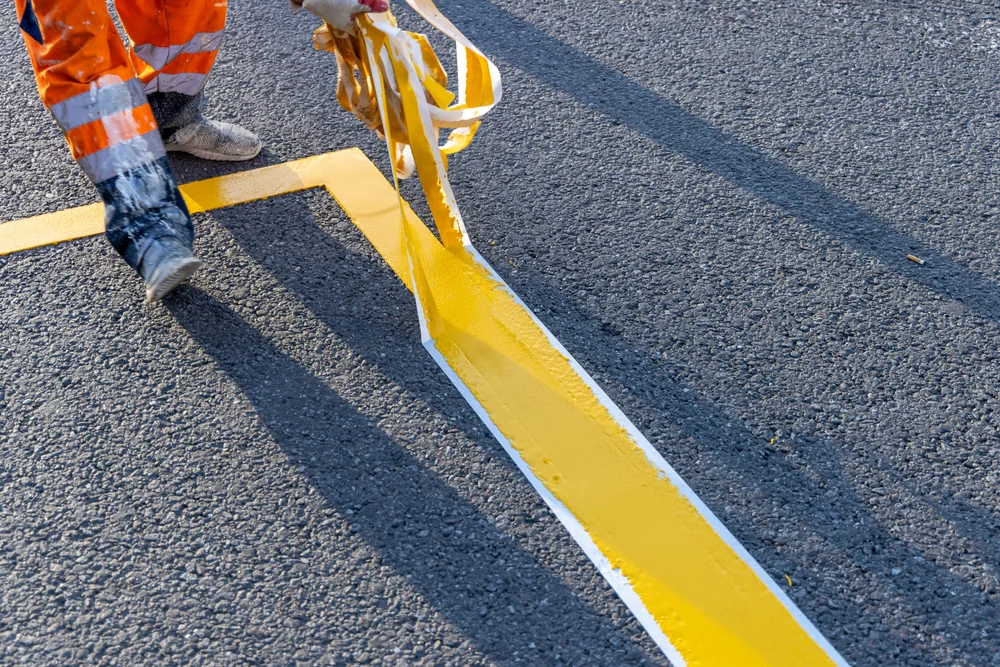
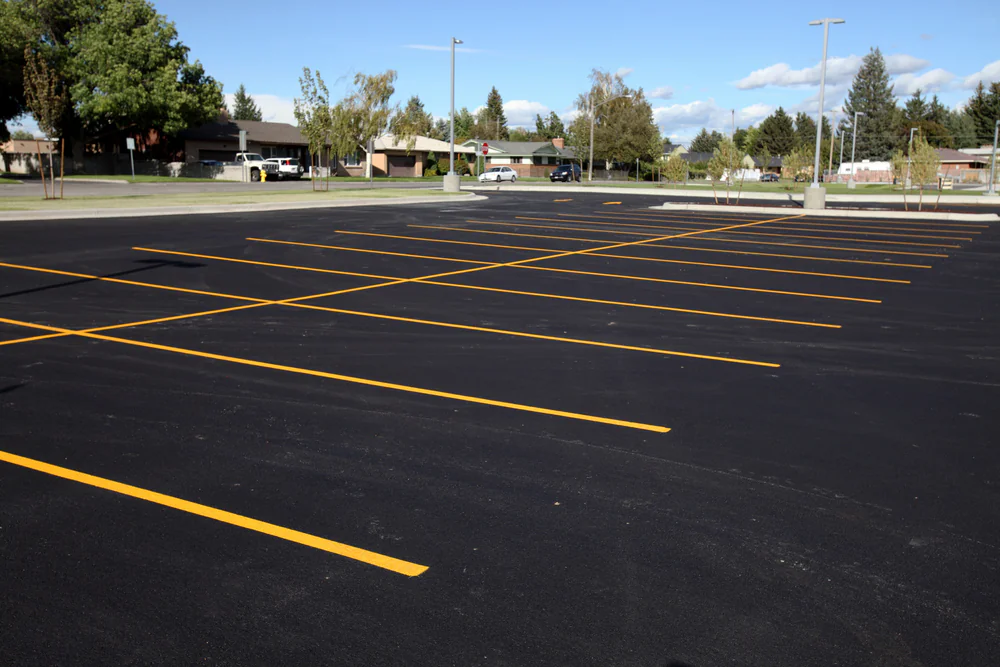
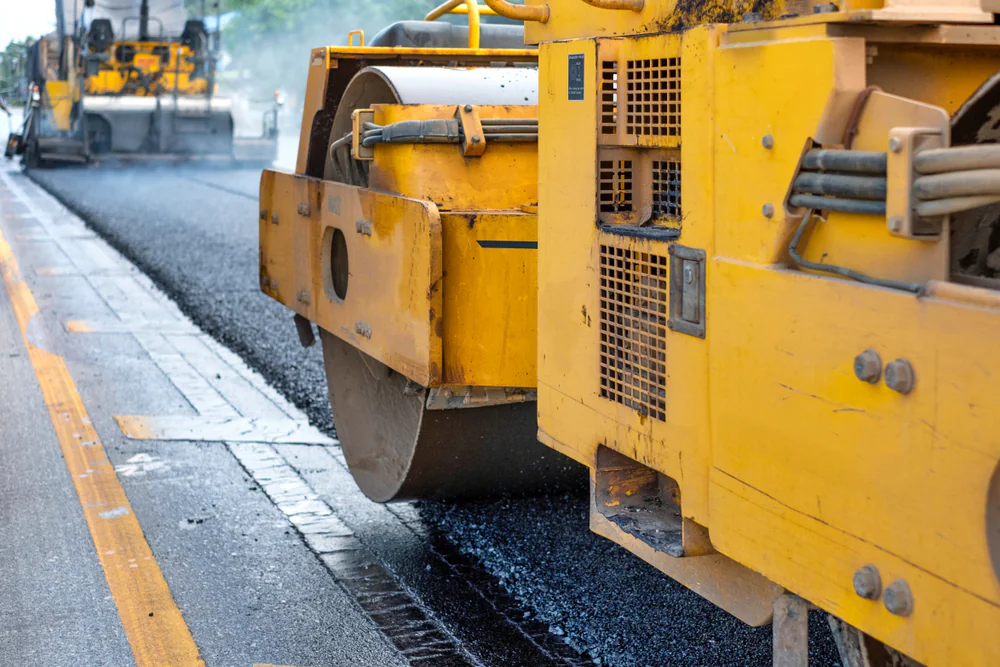
Asphalt installation happens at the right thickness for your traffic load. Proper compaction while the material is hot. Adequate curing time before striping and final details. You’re updated throughout the process, and we stay until the job meets the standard—no disappearing between phases or wondering what’s happening next.
Ready to get started?
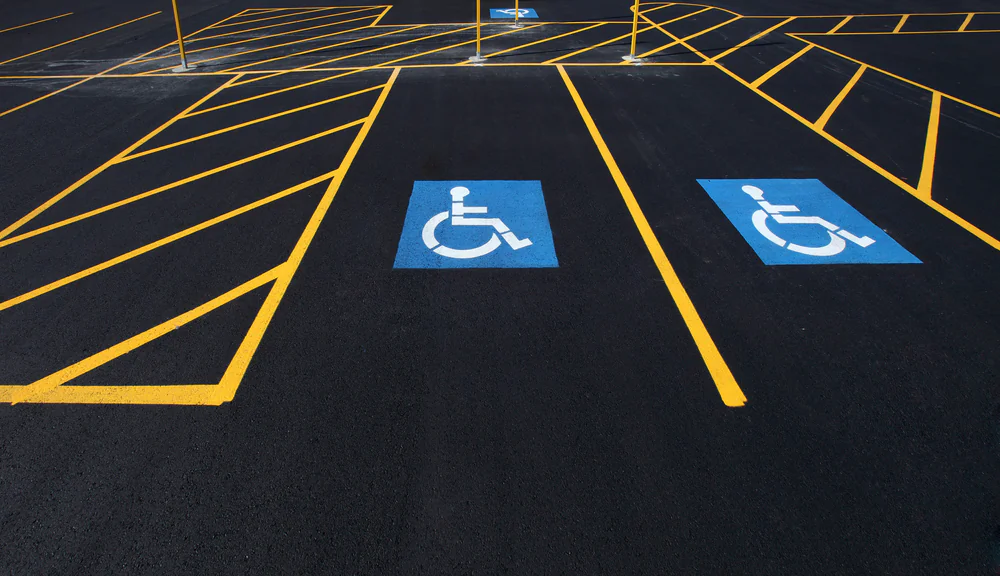
Every parking lot paving project includes site preparation, grading for water management, quality asphalt installation, and striping to meet your layout and ADA requirements. Drainage isn’t treated as optional—it’s built into the design from the start.
Bristol’s terrain and position along the Delaware River mean water management is critical. Some properties need crown grading, others require valley systems to move water toward catch basins. Each site gets a custom approach based on actual conditions, not a one-size-fits-all template.
Whether you’re managing a retail plaza, maintaining an apartment complex, or overseeing an industrial facility, the process is the same: assess the site properly, communicate clearly about timelines, work around your operations when possible, and deliver a surface that’s ready for immediate use. Residential paving and commercial projects both get focused attention and the kind of workmanship that comes from decades in the asphalt paving industry.
A properly installed parking lot should last 20 to 30 years in Bristol with routine maintenance. The key is “properly installed”—base preparation and drainage matter more than asphalt thickness when it comes to longevity.
Pennsylvania’s freeze-thaw cycles are brutal on pavement. Water infiltrates small cracks, freezes, expands, and creates bigger problems. If the base wasn’t compacted correctly or drainage wasn’t addressed during paving installation, you’ll see premature failure regardless of surface thickness. Plan on sealcoating every 3 to 5 years and addressing small cracks early. Do that with a solid installation from the start, and you’re looking at decades of performance.
It depends on what’s happening below the surface. Isolated cracks with a solid base? Repairs or overlay might work. Widespread alligator cracking, sunken areas, or major drainage problems? Full replacement is usually the smarter long-term investment.
Surface cracks are fixable. Base failure is not. When you see cracking patterns that look like alligator skin, the base has failed. New asphalt over failed base is like a new roof on rotten rafters—it won’t hold. A good paving contractor will be honest about what you actually need. Sometimes an overlay buys another 10 years at a fraction of replacement cost. Other times it’s wasted money because the underlying problems return quickly.
Drainage starts with proper grading during site preparation. Water needs to move away from buildings toward catch basins, storm drains, or designed runoff areas. Standing water destroys asphalt faster than anything else.
Bristol’s terrain means every property has unique drainage considerations. Some lots need crown grading where the center sits higher than edges. Others need valley grading directing water to collection points. Flat lots require subtle slopes that move water effectively without being obvious. If your current lot has standing water after rain, that’s a grading problem requiring correction during any paving project—whether that means adjusting catch basins, regrading the base, or adding drainage structures.
An overlay means milling off damaged surface asphalt and paving new material over the existing base. Full replacement means removing everything to subgrade, rebuilding the base, and installing completely new asphalt. The right choice depends on base condition.
Overlays work when the base is structurally sound but the surface is worn or cracked. You’re getting a new top layer while keeping the foundation—faster and typically 40 to 60 percent less expensive than full replacement. The problem: if your base has issues, overlay just hides them temporarily. Full replacement costs more upfront but delivers another 20 to 30 years instead of limping along for 5 to 10.
Parking lot paving typically runs $3 to $7 per square foot in Bristol for standard commercial work. That range shifts based on site conditions, access, base work needed, and project size. Larger lots cost less per square foot because mobilization spreads across more area.
Standard pricing includes existing pavement removal if needed, base preparation, new asphalt installation, and basic striping. Major drainage work, significant grading changes, or features like curbing cost extra—but they also extend longevity. Be cautious of quotes that seem too low. Some contractors skimp on base depth or asphalt thickness to win bids, then deliver parking lots that fail prematurely. The cheapest quote rarely provides the best value.
Quality asphalt paving requires warm temperatures—ideally above 50 degrees for air and ground temperature. Pennsylvania winters make proper paving nearly impossible from late November through March. Asphalt won’t compact correctly in cold conditions.
Spring through fall is paving season, typically April through November depending on weather. The material must stay hot during transport and installation, and ground must be warm enough to prevent premature cooling. When asphalt cools too fast, it doesn’t bond correctly or compact to needed density. Emergency repairs sometimes use cold-patch materials in winter, but those are temporary fixes—not solutions for new parking lot installation. Proper conditions mean getting pavement that lasts instead of premature failure from rushing the wrong season.
Other Services we provide in Bristol