
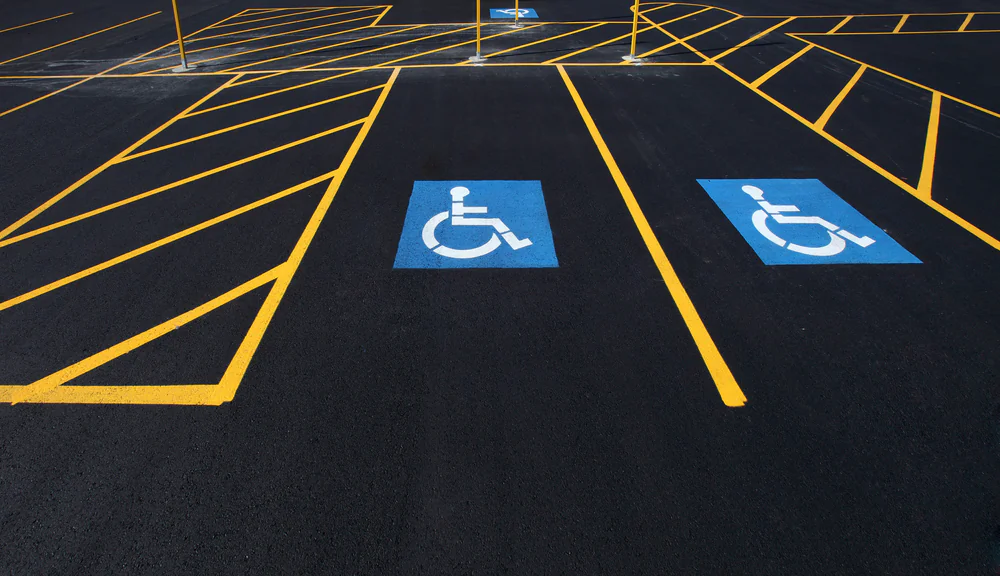
A parking lot isn’t just black asphalt poured over dirt. It’s a system—and when it’s done right, you don’t think about it for 20 years.
Proper grading means water runs off instead of pooling in low spots that crack your pavement from below. A compacted sub-base means your surface doesn’t sink under weight or buckle when the ground shifts. Quality asphalt mix means you’re not patching potholes two winters in.
You get a surface that handles your traffic load without breaking down. You get drainage that actually works. You get a lot that looks professional and stays that way. Most importantly, you avoid the expensive do-overs that happen when contractors skip steps to save time or underbid the job.
We bring family roots in paving that date back to 1948. That’s decades of hands-on knowledge about what works in Clinton’s climate and what fails in three years.
We handle everything from residential driveways to complex commercial and industrial projects across Hunterdon County. Every job gets our crew’s full attention—one project at a time, no juggling multiple sites or rushing to the next bid. Our approach is simple: treat every client like the top client, regardless of project size or budget.
Clinton property owners work with a local contractor who understands the area, shows up when promised, and doesn’t disappear when the check clears. Our five-star reviews on Angie’s List back that up.
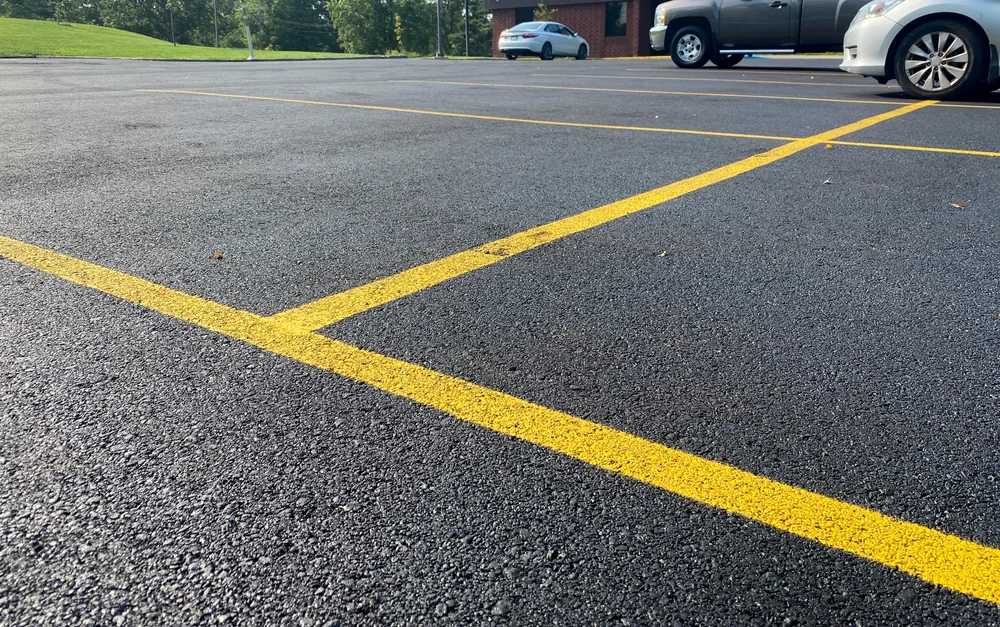
First, we evaluate the site for drainage, grading needs, and any existing issues that need addressing. Utilities get marked, permits pulled, and the plan gets finalized with you before equipment shows up.
Next comes site prep and sub-base work. Old pavement gets removed if needed. The ground gets graded for proper water runoff—typically a 2% slope so nothing pools. Then comes the foundation: a properly compacted aggregate base that supports everything above it. This step determines whether your lot lasts two decades or two years.
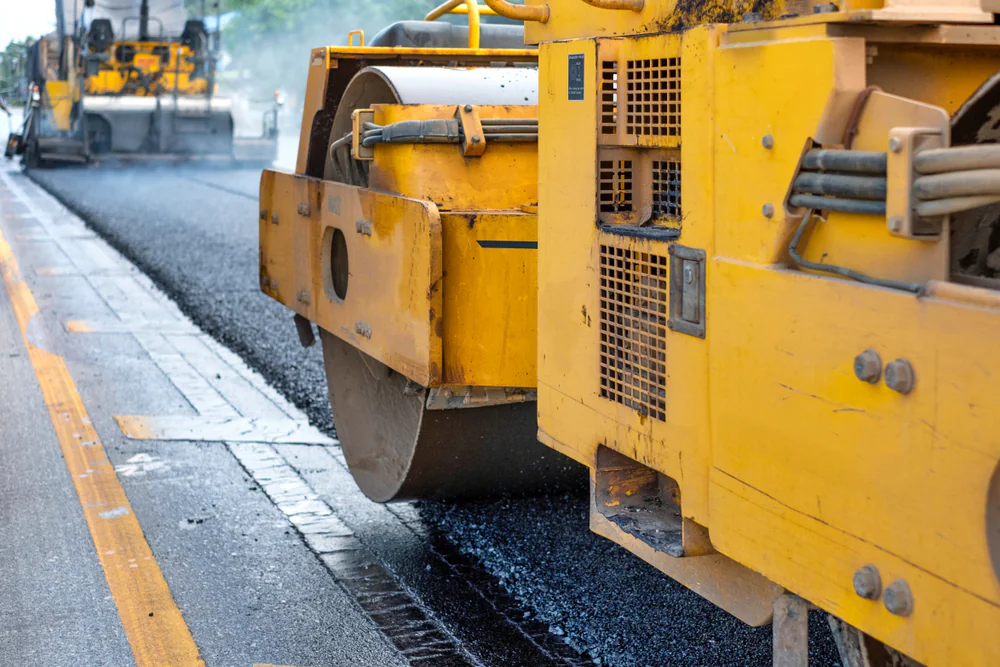
Once the base is solid and tested, hot-mix asphalt arrives and gets installed in passes using paving equipment. The material gets laid at the right temperature, the right thickness, and with the proper slope for drainage. Vibratory rollers compact everything while it’s still hot.
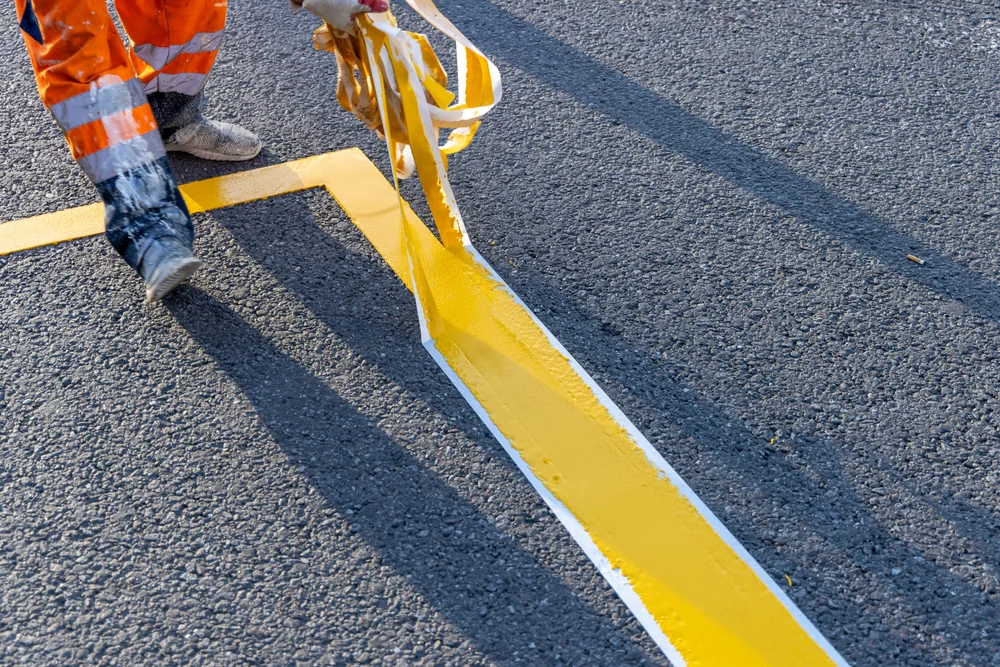
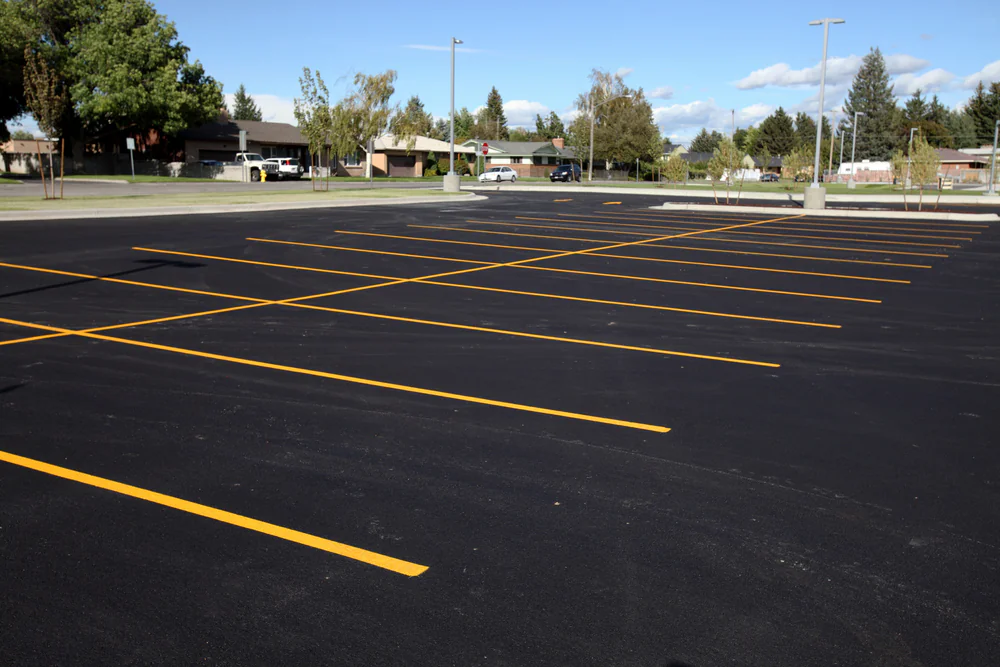
Final steps include transitions to existing pavement, line striping once the surface cures, and any curbing or drainage features. Most projects in Clinton wrap up in one to three days, weather permitting. You’ll know the timeline upfront and get updates if anything changes.
Ready to get started?
Commercial parking lots in Clinton need more than just asphalt. You’re looking at proper base preparation, grading for drainage, quality asphalt mix suited for your traffic load, and compaction that meets specs. Line striping, ADA compliance if applicable, and transitions to existing surfaces all factor in.
Residential paving projects get the same attention to detail—just scaled to driveway or smaller lot dimensions. The process doesn’t change: proper base, correct grading, quality materials, and meticulous installation.
Clinton’s freeze-thaw cycles are tough on pavement. Water gets into cracks, freezes, expands, and breaks things apart. That’s why drainage and proper base work matter so much here. We understand local conditions and build accordingly.
You also need someone who coordinates around your schedule. For commercial properties, that might mean phased installation to keep part of your lot accessible. For residential work, it means respecting your property and cleaning up daily. The goal is a finished product you’re proud of, installed without unnecessary disruption.
Commercial parking lot paving in New Jersey typically runs $2 to $7 per square foot, depending on site conditions, base prep needs, asphalt thickness, and project complexity. A basic overlay on stable pavement costs less than full-depth reconstruction with new base work.
Residential driveways and smaller lots usually fall in the $3 to $7 per square foot range for asphalt. Concrete costs more upfront but has different maintenance needs. The final number depends on your specific site—existing conditions, drainage challenges, access limitations, and whether you need extras like striping or curbing.
Get a detailed estimate that breaks down what’s included. The cheapest bid often skips critical steps like proper base prep or adequate asphalt thickness. You’re better off paying fair price for work that lasts than saving money on installation that fails in five years.
A properly installed asphalt parking lot in New Jersey lasts 15 to 25 years with regular maintenance. That lifespan depends on several factors: quality of the sub-base, asphalt thickness, drainage design, traffic load, and how well you maintain it.
New Jersey’s climate is tough on pavement. Freeze-thaw cycles, snow, ice, salt, and summer heat all take their toll. A lot that’s built right—with proper base compaction, adequate asphalt depth, and good drainage—handles these conditions. One that’s rushed or built on the cheap starts cracking within a few years.
Maintenance matters too. Sealcoating every two to three years protects the surface. Crack filling prevents small issues from becoming big problems. Addressing drainage issues quickly stops water from undermining your base. Property owners who stay on top of maintenance get decades out of their investment. Those who ignore it end up repaving much sooner.
An overlay means installing a new layer of asphalt over your existing pavement. It works when your current base is still solid and you just need a fresh surface. Overlays cost less and take less time—usually $2 to $4 per square foot in New Jersey.
Full replacement means removing the old asphalt, addressing any base issues, and building from the ground up. You need this when you have deep cracks, potholes, drainage failures, or a failing base. It costs more but gives you a completely new parking lot built to last.
The right choice depends on your current conditions. We test your existing pavement and base to determine what’s actually needed. If the base is shot, an overlay just covers up problems that will resurface quickly. If the base is solid, full replacement wastes money. An honest assessment saves you from either paying for work you don’t need or choosing a cheap fix that doesn’t solve the real problem.
You can typically drive on new asphalt within 24 hours, though waiting 48 hours is better if possible. The pavement needs time to cool and cure properly. Heavy traffic or sharp turns too soon can leave marks or cause surface damage.
For commercial properties, we often schedule paving to minimize disruption—working overnight or in phases so part of your lot stays accessible. Residential driveways usually get paved in a day, and you’re back to normal use the next day.
Avoid parking heavy vehicles or making sharp steering turns for the first few days. The asphalt continues to cure and harden over the first year, gaining full strength gradually. We provide specific guidance based on your project and the asphalt mix used. Following those recommendations protects your investment and ensures the surface performs as it should.
Water is asphalt’s worst enemy. When water pools on the surface or seeps into the base, it causes serious damage. In winter, that water freezes, expands, and cracks the pavement. In any season, water that penetrates the base weakens it, causing the asphalt above to sink, crack, or develop potholes.
Proper drainage starts with grading—sloping the lot so water runs off to designated areas instead of pooling in low spots. It includes a well-compacted base that doesn’t shift when wet. Sometimes it requires catch basins, drainage pipes, or other water management features depending on your site.
Clinton gets its share of rain and snow. A parking lot without good drainage turns into a pond in heavy rain and an ice rink in winter. Beyond the inconvenience, that standing water accelerates pavement deterioration. You end up with cracks, potholes, and base failure years earlier than you should. Investing in proper drainage during installation saves you from expensive repairs and premature replacement down the road.
Start with experience—specifically, experience with projects like yours. A contractor who mainly does residential driveways might not have the equipment or expertise for a large commercial lot. Ask how long they’ve been in business, what types of projects they typically handle, and whether they’re properly licensed and insured.
Get details about their process. Do they handle permits and utility markouts? How do they prepare the base? What asphalt mix do they use? How do they ensure proper compaction and drainage? A quality contractor explains their approach clearly and doesn’t dodge technical questions.
Check references and reviews from actual customers. Five-star ratings on platforms like Angie’s List or Google matter more than claims on a website. Talk to past clients if possible. Find out if the contractor showed up on schedule, communicated well, cleaned up properly, and delivered results that lasted.
Finally, compare detailed estimates—not just bottom-line numbers. The cheapest bid often cuts corners on base prep, asphalt thickness, or other critical factors. You want a fair price for quality work, not the lowest number from a contractor who’ll disappear when problems surface.
Other Services we provide in Clinton