A properly paved parking lot changes how your property functions. No more puddles after rain. No more cracks spreading across the surface every spring. No more wondering if you picked the wrong contractor.
You get smooth access for customers or tenants. You get a surface designed to handle freeze-thaw cycles that tear apart cheaper work. You get drainage that actually works instead of creating standing water hazards.
The difference shows up in year five when your lot still looks good while others are already falling apart. It shows up when you’re not calling for emergency pothole repairs every season. Pennsylvania’s weather is tough on pavement, but the right installation holds up.
We’ve been handling asphalt work since 1948. That’s not a typo—over 75 years of family tradition combined with current techniques that actually work.
Here’s what makes our approach different: we give full crew attention to one project at a time. Not juggling three jobs. Not rushing to the next site. Your parking lot gets the focus it needs for proper base prep, correct grading, and careful execution.
Eddington properties—whether you’re managing a small commercial lot near the Bensalem border or a residential driveway in the family-friendly neighborhoods off Street Road—get the same treatment. Every project matters. Seniors, military members, and first-time customers get specialized pricing because quality work should be accessible.
First, we assess the site. Not just measurements—checking drainage patterns, soil conditions, and how water moves across your property. This step determines whether you need additional grading or if the existing base can support new asphalt.
Next comes prep work. We remove old pavement if it’s damaged. The ground gets graded to create proper slope—usually around 2% to keep water moving off the surface instead of pooling. Then comes the base layer, typically 8 to 12 inches of compacted gravel. This foundation is what prevents your parking lot from sinking or cracking under weight.
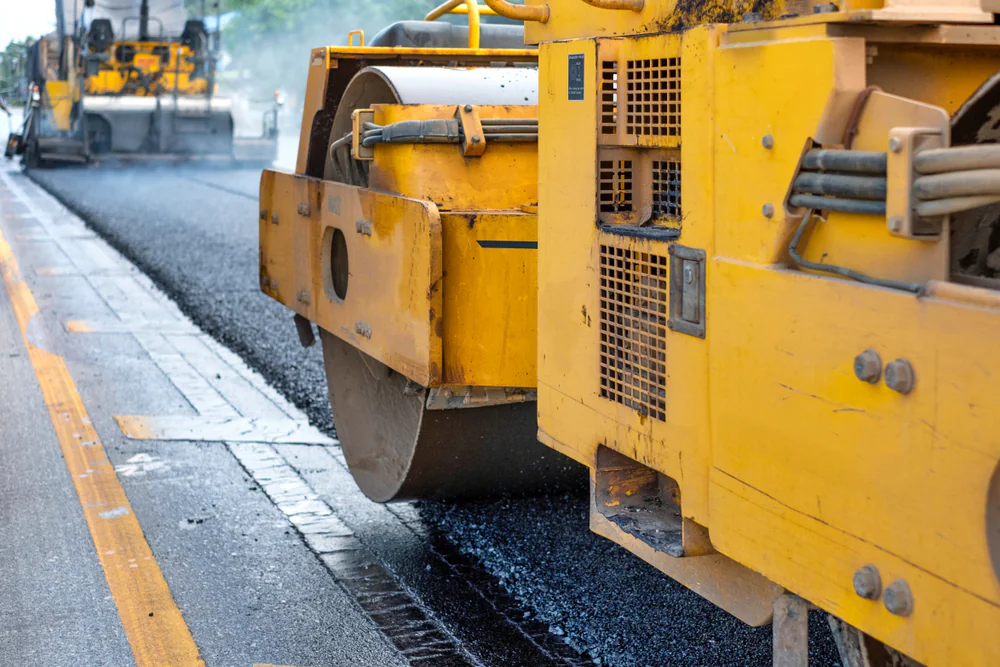
The asphalt goes down in two layers. A binder course provides strength and stability. Then the top layer—smooth, properly sloped, and rolled to the right density. Most lots need 2 to 4 inches of total asphalt thickness depending on expected traffic.
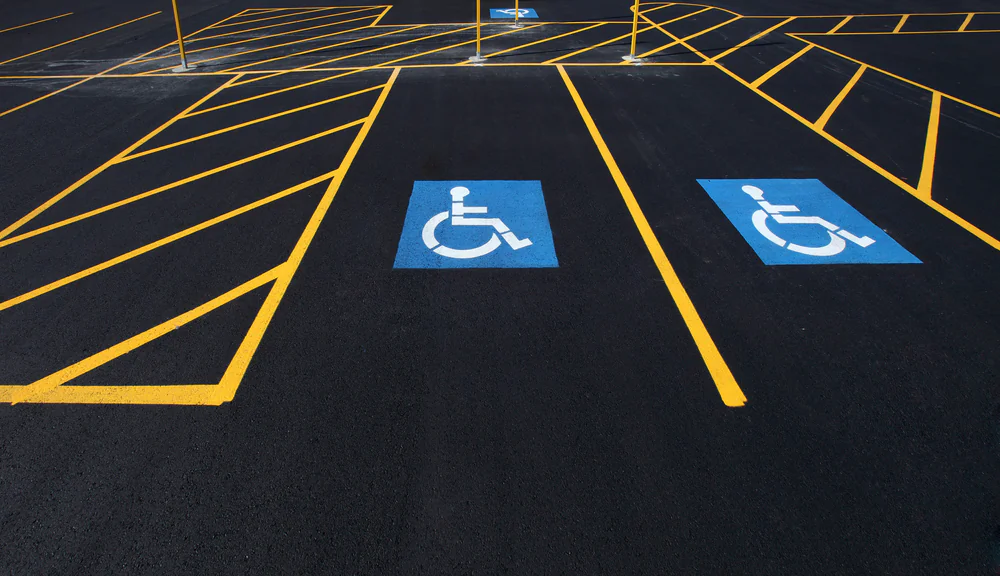
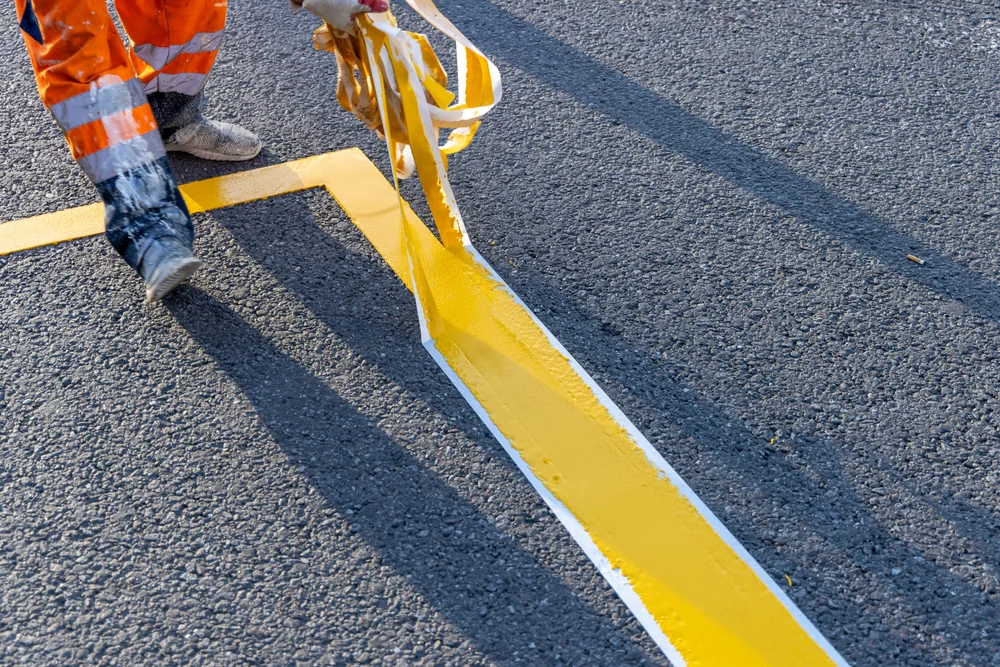
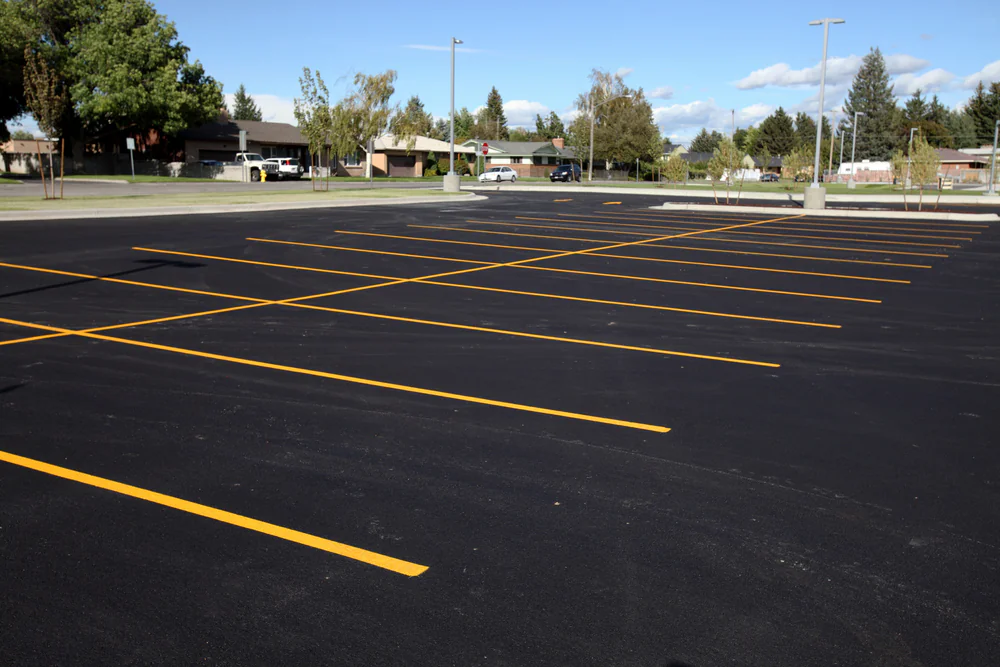
Finally, striping and final touches. Clear lines for parking spaces, ADA-compliant markings if needed, and a surface that’s ready for use within a day or two. The whole process for a standard commercial lot typically takes three to seven days, weather permitting.
Ready to get started?
Parking lot paving in Eddington means dealing with specific local conditions. Properties here face the same freeze-thaw cycles as the rest of Bucks County—temperatures that swing from below freezing to mild within days, expanding and contracting pavement constantly.
Your project includes site-specific drainage solutions. Water management isn’t optional in this area. Between seasonal rain and snowmelt, standing water will destroy even good asphalt if it’s not directed away properly.
You also get material selection based on your actual use. A residential driveway needs different specifications than a commercial lot handling delivery trucks daily. The asphalt mix, thickness, and base preparation all adjust to match real-world conditions.
For commercial properties near the retail areas or office complexes in Eddington, ADA compliance comes standard. Properly marked accessible spaces, correct slopes for wheelchair access, and compliant striping aren’t extras—they’re requirements we handle correctly from the start.
Residential properties get the same attention to detail. Whether it’s a driveway replacement in one of the established neighborhoods or a new installation, the process doesn’t change. Proper base, correct thickness, attention to drainage.
A properly installed asphalt parking lot in Pennsylvania typically lasts 15 to 20 years with regular maintenance. That maintenance part matters—sealcoating every three to four years and fixing small cracks before they spread makes the difference between 15 years and 25 years.
Pennsylvania’s climate is hard on pavement. Freeze-thaw cycles cause expansion and contraction. Road salt accelerates wear. Heavy rain tests your drainage. But quality installation with the right base depth and proper drainage setup handles these conditions. The parking lots that fail early almost always have base problems or poor drainage, not asphalt issues.
If someone promises 30 years with zero maintenance, walk away. If they’re honest about what affects lifespan and how to protect your investment, you’re talking to the right contractor.
Resurfacing means adding a new layer of asphalt over your existing parking lot. It works when your base is still solid and you’re just dealing with surface wear—minor cracking, fading, rough texture. Think of it like putting new flooring over a good subfloor.
Complete replacement means tearing everything out down to the dirt and starting fresh. You need this when the base has failed, when you have major structural cracks, or when the whole lot is sinking or heaving. It costs more but fixes underlying problems that resurfacing can’t address.
Here’s how to know which you need: if water pools in multiple areas, if you have cracks wider than a quarter inch, or if sections have sunk noticeably, you probably need replacement. If your lot is just looking worn but still drains well and has only hairline cracks, resurfacing might work. An honest contractor will tell you which situation you’re actually facing.
Start with the basics: licensed, insured, and bonded. Any contractor who hesitates to show you proof of insurance should be crossed off your list immediately. If someone gets hurt on your property and the contractor isn’t properly insured, you’re liable.
Look for experience with projects similar to yours. A contractor who mostly does driveways might struggle with a commercial parking lot’s drainage requirements and traffic load specs. Ask to see recent projects in your area—not just photos, but addresses you can drive by and see the actual work.
Check references, but don’t just take the list they give you. Look up reviews on platforms where they can’t cherry-pick which ones show up. See how they handle problems when they occur, because issues happen on every project. The question is whether the contractor fixes them professionally.
Watch out for red flags: requiring full payment upfront, prices way below everyone else’s quotes, pressure to sign immediately, or showing up at your door claiming they have leftover materials from another job. Legitimate contractors don’t operate that way.
Price differences usually come down to what’s actually included in the work. One contractor might quote just the asphalt. Another includes full base preparation, grading, and drainage improvements. You’re not comparing apples to apples.
The lowest bid often means thin asphalt, minimal base work, or skipped steps. A parking lot needs specific asphalt thickness for its traffic load—typically 3 to 4 inches for commercial use. If someone’s quoting significantly less than competitors, ask exactly how thick the asphalt will be and what base preparation is included.
Material quality matters too. Not all asphalt mix is the same. Higher-grade asphalt with less recycled content costs more but lasts longer and looks better. Equipment and crew experience also factor in—a skilled crew with proper equipment works faster and produces better results than a cut-rate operation.
Get at least three detailed quotes that break down base work, asphalt thickness, materials used, and what happens with drainage. Then you can actually compare what you’re getting for your money.
Late spring through early fall gives you the best conditions for asphalt paving in this area. You need temperatures consistently above 50 degrees, ideally 60 to 80 degrees, for proper asphalt curing. You also need dry weather for at least 24 hours after installation.
Summer is popular but books up fast. Late spring (May) or early fall (September) often works better for scheduling and still provides good weather. Avoid late fall and winter—cold temperatures prevent proper compaction and curing, leading to premature failure.
Weather matters more than the calendar. A warm, dry week in October beats a rainy stretch in July. We watch forecasts carefully and will postpone if conditions aren’t right. If someone’s willing to pave in 45-degree weather or with rain in the forecast, find a different contractor.
Plan ahead. Quality contractors book weeks or months in advance during peak season. If you need work done by a specific date, start the conversation early.
Sealcoating isn’t required immediately, but it significantly extends your parking lot’s life. Think of it as preventive maintenance, not an optional extra. Asphalt without sealcoating deteriorates faster from sun exposure, water penetration, and chemical damage from oil or gas.
You should wait about a year after new installation before the first sealcoat—fresh asphalt needs time to cure fully. After that, sealcoating every three to four years protects your investment. The cost is minimal compared to premature replacement.
Here’s what sealcoating actually does: it fills small surface voids, creates a barrier against water and chemicals, protects against UV damage, and makes your lot easier to clean. It also refreshes the appearance, which matters if customers see your parking lot.
Skip it if you want, but expect your parking lot to need replacement years earlier than properly maintained asphalt. The math heavily favors regular sealcoating. A few hundred dollars every few years versus tens of thousands for premature replacement—pretty straightforward decision.
Other Services we provide in Eddington