You get a parking lot that doesn’t crack apart after one winter. You get smooth surfaces that handle New Jersey’s freeze-thaw cycles without turning into a pothole minefield by March. You get proper drainage so water doesn’t pool in the same spots every time it rains, slowly eating away at your investment.
Your customers aren’t dodging cracks or scraping their bumpers on uneven pavement. Your property looks maintained, not neglected. And you’re not calling someone back in two years to fix what should’ve been done right the first time.
That’s what happens when the crew doing your parking lot paving actually knows what they’re doing and doesn’t cut corners to shave a few bucks off the estimate.
We’ve been in this business since 1948. That’s not a typo—nearly eight decades of asphalt work across Hamilton and the surrounding areas. We handle everything from residential driveways to complex commercial parking lots, industrial sites, and properties that need custom grading or water management solutions.
Here’s what makes us different: we work on one project at a time. Our full crew shows up, focuses on your job, and doesn’t bounce between three other sites. You’re not competing for attention or waiting days between phases because we’re stretched too thin.
Hamilton property owners choose Productive Asphalt because we show up when promised, communicate clearly throughout the project, and treat a small residential job with the same care as a large commercial parking lot. No project is too small, no budget gets dismissed.
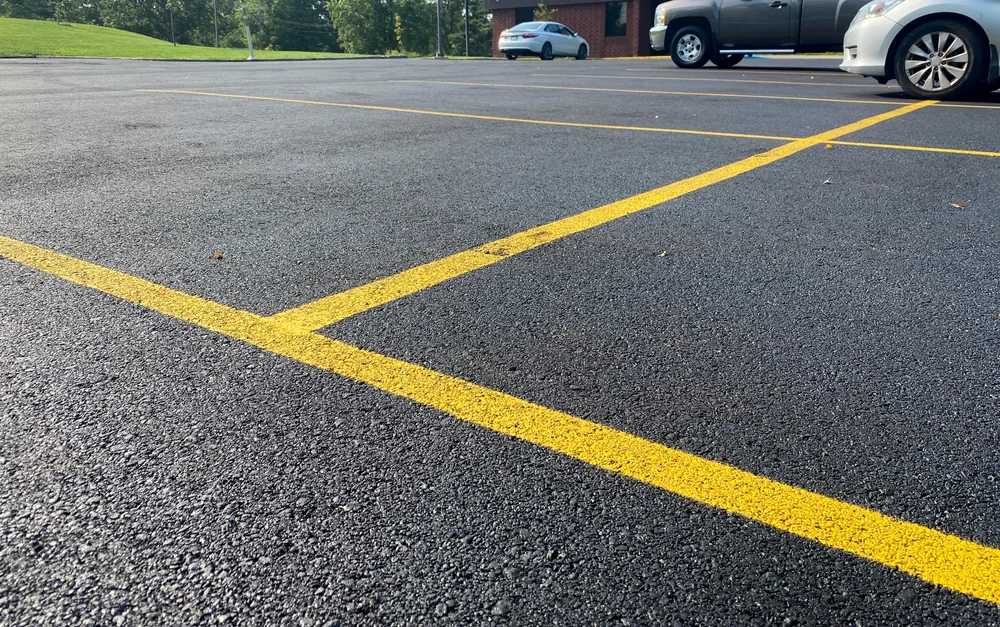
First, the site gets properly prepared. That means grading the area correctly, addressing any drainage issues, and installing a solid base layer that can support the asphalt and handle New Jersey weather. Skipping or rushing this step is where most parking lot failures start.
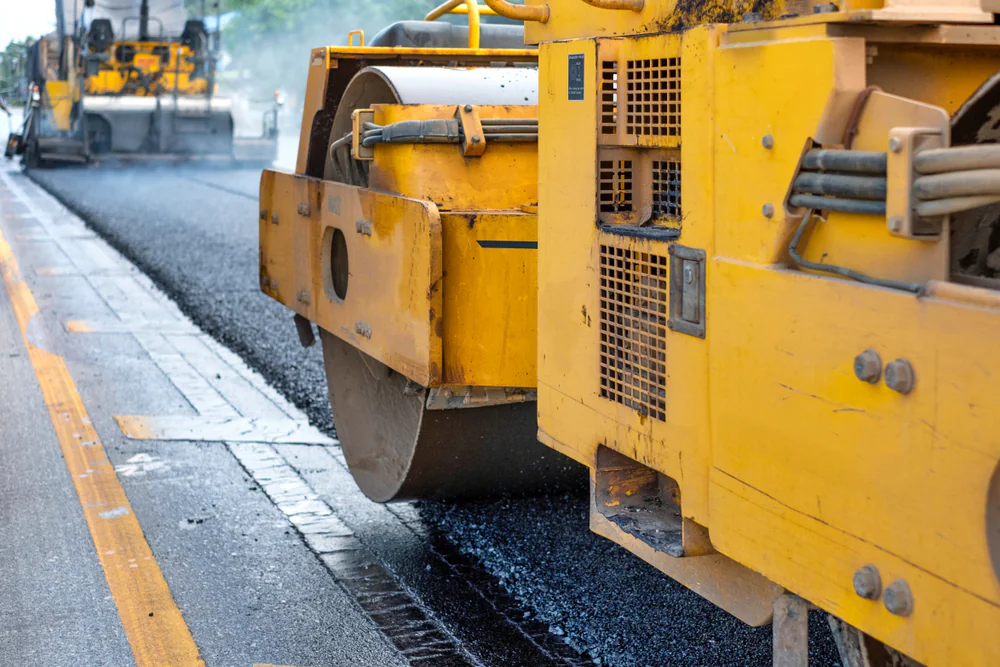
Next comes the asphalt installation itself. The material gets laid at the right thickness for your specific use—commercial lots handling delivery trucks need more than residential driveways. Proper compaction matters here. Rushed compaction leads to premature cracking and surface failure.
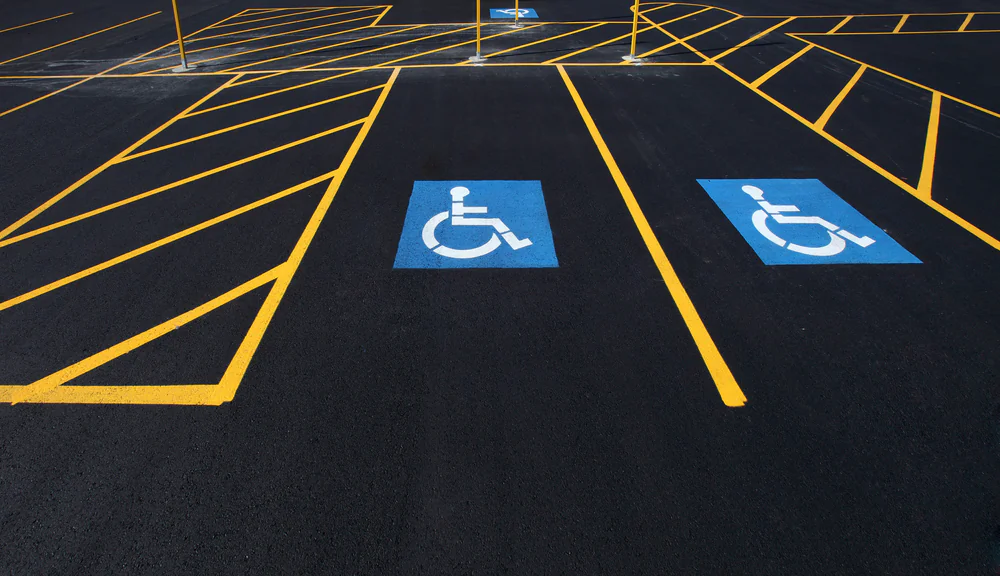
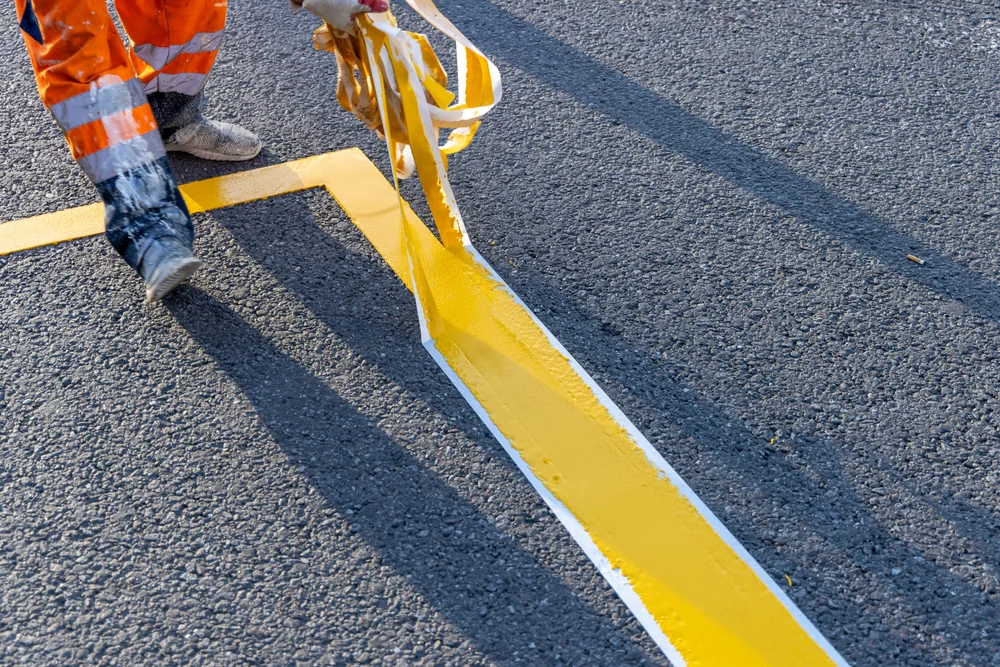
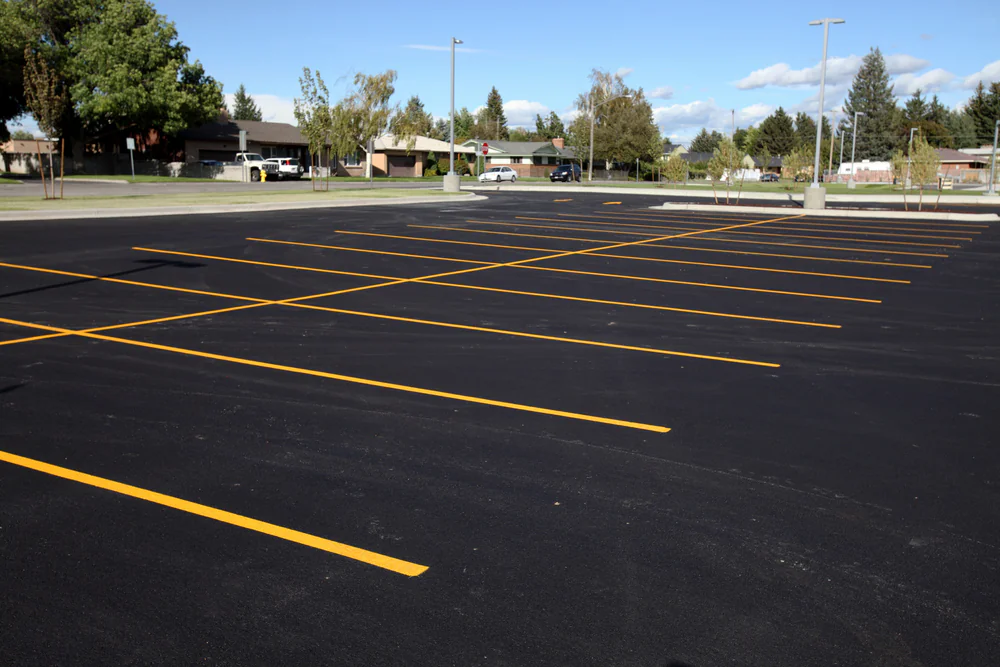
Then there’s the finishing work: striping for parking spaces, ADA-compliant markings if you’re a commercial property, and any additional features your site needs. You get a clear timeline upfront, regular updates during the work, and a crew that cleans up properly when we’re done.
The goal is a parking lot that lasts 15 to 30 years with basic maintenance, not something that needs major repairs in five.
Ready to get started?
Hamilton sits in Mercer County with a substantial commercial real estate presence—office buildings, retail centers, medical facilities, and industrial properties along corridors like Route 33 and Whitehorse Mercerville Road. These properties need parking lots that can handle consistent traffic, weather extremes, and the wear that comes with New Jersey’s climate.
Commercial parking lot paving here means accounting for proper drainage so winter snow melt doesn’t create ice patches or standing water. It means ADA-compliant striping and accessible parking spaces that meet legal requirements. It means understanding local codes and building standards specific to Hamilton Township.
For residential properties, it’s about driveways and private parking areas that complement the home while standing up to daily use. Whether you’re paving a new lot from scratch, resurfacing an existing one that’s seen better days, or handling repairs before small problems become expensive failures, the approach is the same: honest assessment, quality materials, proper installation.
We also offer discounts for seniors, military members, and first-time customers. The work speaks for itself through five-star reviews and repeat clients who know what they’re getting.
Most parking lot paving projects in Hamilton take between two to four weeks from start to finish, depending on the size of the lot and site conditions. A small commercial lot with straightforward access might be done in under two weeks. Larger properties with complex drainage needs, significant grading work, or challenging site prep can push closer to four weeks.
Weather plays a role too. Asphalt needs certain temperature conditions to cure properly, so projects scheduled during ideal weather move faster than those dealing with temperature extremes. A reliable paving contractor gives you a realistic timeline upfront and keeps you updated if anything changes.
The key is not rushing the process. Proper site preparation, adequate base installation, and correct compaction all take time. Contractors who promise unusually fast completion often skip steps that matter for long-term durability.
Resurfacing means adding a new layer of asphalt over your existing parking lot. It works when the base and underlying structure are still solid but the surface has minor cracking, fading, or wear. Resurfacing typically costs $1 to $3 per square foot and extends your lot’s life without the expense of starting over.
Complete repaving means tearing out the old asphalt, addressing any base or drainage issues, and installing an entirely new parking lot. You need this when the existing lot has major structural problems—widespread cracking, base failure, poor drainage, or damage that goes deeper than the surface. Full replacement costs more, usually $3 to $8 per square foot for commercial work, but it gives you a parking lot built to last another 15 to 30 years.
An honest asphalt contractor assesses your specific situation and recommends what actually makes sense for your property and budget, not just the option that pays them more.
Standing water is the clearest sign of drainage problems. If you see puddles that stick around for hours after rain or snow melt, your lot isn’t draining properly. Ice patches that form in the same spots every winter are another red flag—water’s pooling there, freezing, and creating hazards.
Drainage issues accelerate pavement breakdown. Water seeps into small cracks, freezes, expands, and turns minor surface damage into major structural problems. You’ll also notice accelerated deterioration in areas where water consistently pools.
Proper parking lot drainage starts with correct grading during installation. The surface needs a slight slope—usually around 1-2%—to move water toward drainage systems or designated runoff areas. Some properties need additional solutions like catch basins, French drains, or specific grading adjustments based on the site’s natural topography.
If your parking lot has drainage issues, addressing them during resurfacing or repaving prevents the same problems from destroying your new pavement in a few years.
Sealcoating is the big one. You should sealcoat your asphalt parking lot every two to four years depending on traffic volume and weather exposure. Sealcoating protects the surface from UV damage, water penetration, and chemical spills while keeping the lot looking maintained. It costs significantly less than repairs or resurfacing.
Crack filling matters too. Small cracks turn into big problems fast, especially with New Jersey’s freeze-thaw cycles. Water gets in, freezes, expands, and breaks apart the pavement. Filling cracks when they’re still minor prevents expensive damage later.
Regular cleaning helps extend your lot’s life. Debris, leaves, and dirt trap moisture against the asphalt. Power washing or sweeping keeps surfaces clear and lets you spot developing issues before they get serious.
Eventually, every parking lot needs resurfacing—usually every 15 to 20 years with proper maintenance. Neglected lots need it sooner. Well-maintained ones can push longer. The maintenance you do between installation and resurfacing determines how much life you get from your investment.
Commercial parking lot paving in Hamilton typically runs $3 to $8 per square foot, depending on several factors. A straightforward project with good site conditions and minimal prep work lands toward the lower end. Properties needing significant grading, drainage systems, or dealing with challenging access push higher.
A 10,000 square foot parking lot—enough for roughly 30 cars—generally costs between $30,000 and $80,000 for complete installation. That includes site prep, base installation, asphalt paving, and basic striping. Additional features like decorative borders, extensive drainage systems, or upgraded materials add to the total.
Resurfacing costs less, usually $1 to $3 per square foot, because you’re not tearing everything out and starting over. It’s a solid option when your existing lot’s structure is sound but the surface needs refreshing.
The cheapest estimate isn’t always the best value. Low bids often mean thin asphalt, rushed installation, or skipped steps that lead to premature failure. You want a paving contractor who explains what you’re getting for your money and builds parking lots that actually last.
Yes, most commercial parking lot projects in Hamilton Township require permits and must comply with local zoning and building codes. Hamilton has specific requirements for commercial development, including parking lot design, drainage, ADA accessibility, and site planning. Your contractor should handle permit applications or at least guide you through what’s required.
Commercial properties also need to meet Americans with Disabilities Act standards for accessible parking spaces, proper striping, and compliant markings. The number of accessible spaces required depends on your total parking capacity, and they must meet specific size and location requirements.
Residential paving projects may have different permit requirements depending on the scope of work and property location. Smaller residential driveways sometimes don’t need permits, but larger private parking areas might.
Working with a local asphalt contractor familiar with Hamilton Township’s requirements saves headaches. We know what the township expects, how to navigate the permit process, and how to design your parking lot to meet code the first time. Skipping permits or ignoring local requirements creates problems during inspections or when you eventually sell the property.
Other Services we provide in Hamilton