You’re not looking for the cheapest asphalt job. You’re looking for paving installation that doesn’t crack in two years or turn into a pothole minefield after the first hard winter.
That’s where proper commercial paving makes the difference. The right base preparation, correct asphalt thickness for your traffic load, and precise grading that actually moves water off the surface instead of letting it pool and freeze. This is what keeps your lot functional and safe, not just paved.
When the asphalt paving services are done right, you’re not calling someone back next season to patch failures. You’re getting years of reliable performance, fewer liability concerns, and a surface that holds up to the daily grind of vehicles, weather, and time.
We’ve been handling paving projects since 1948. That’s not a typo—over 75 years of family knowledge about what works and what doesn’t when it comes to asphalt in Pennsylvania.
We operate differently than most paving contractors. One crew, one project at a time. That means when we’re on your site in Milford, that’s where our attention stays until the job is complete. No juggling multiple projects or rushing to the next one.
Pike County properties face real challenges—freeze-thaw cycles that destroy weak pavement, summer heat that tests poor-quality asphalt, and drainage issues that turn parking areas into ponds. We’ve seen it all and know how to build surfaces that handle what Milford weather throws at them.
First, the site gets evaluated. Not just a quick look—actual assessment of drainage patterns, soil conditions, and what kind of traffic load your lot will handle. This determines the base depth and asphalt thickness you actually need.
Next comes excavation and grading. The existing surface gets removed if necessary, and the subgrade is properly compacted and sloped. This is where water management gets built in, not added as an afterthought. Proper drainage prevents 90% of future pavement problems.
Then the base layer goes down—crushed stone compacted to create a stable foundation. After that, hot mix asphalt gets laid in the right thickness for your application. Commercial lots handling heavy trucks need different specs than residential paving projects.
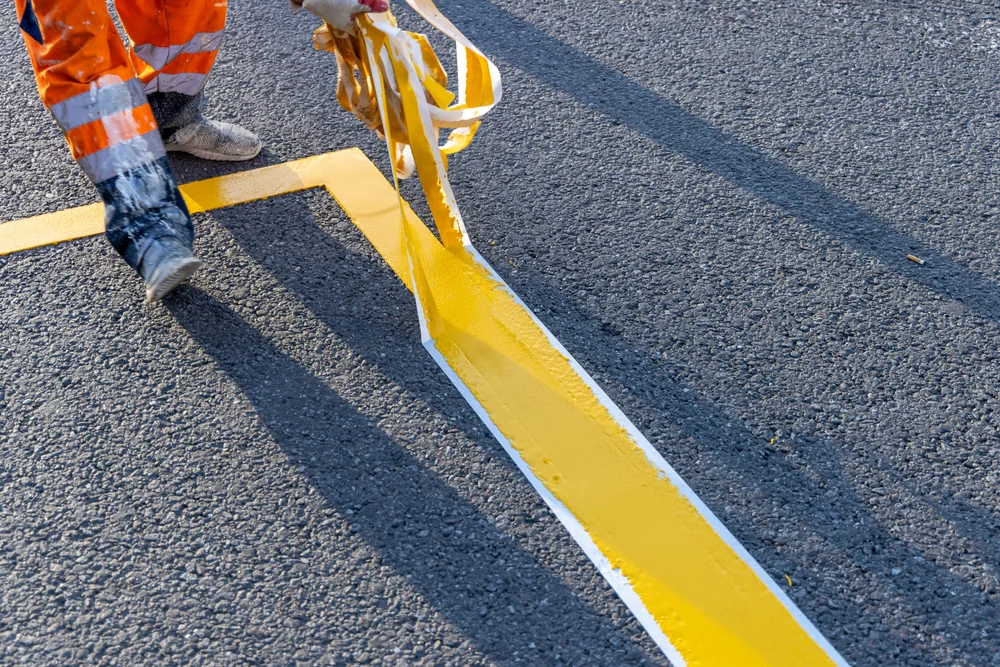
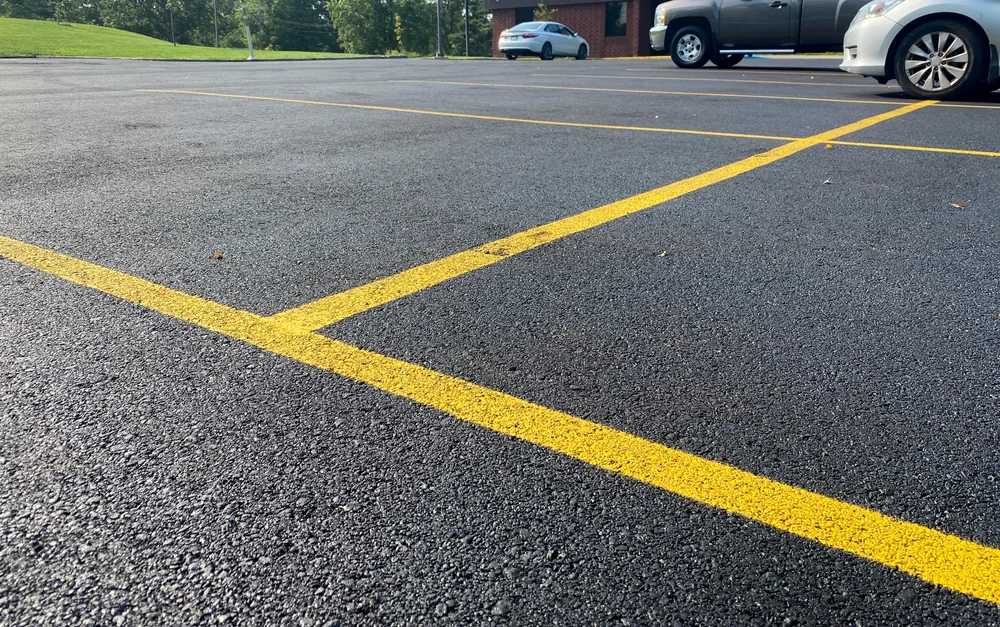
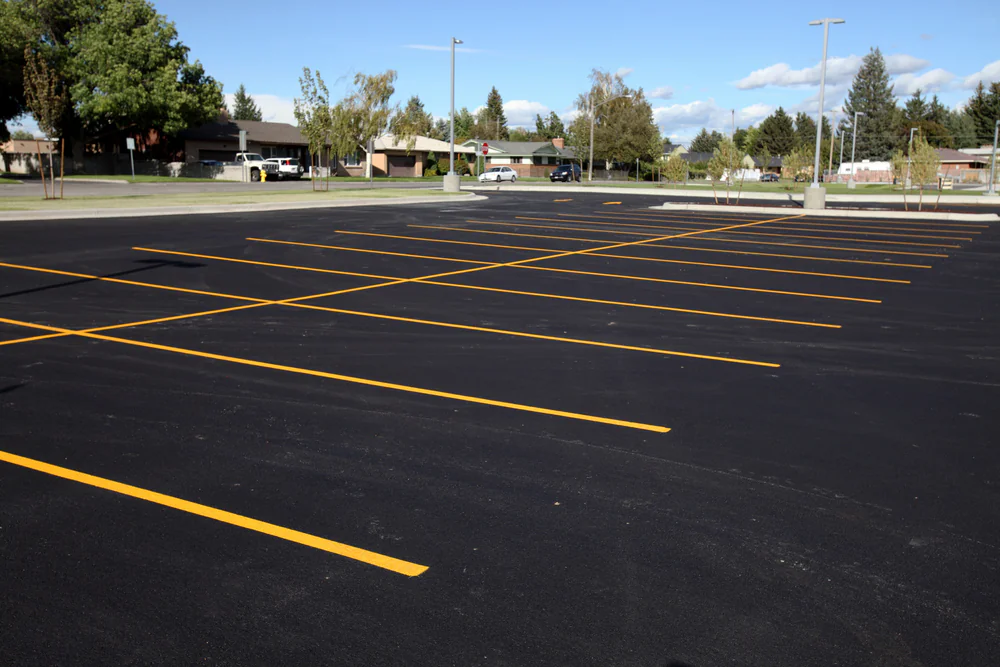
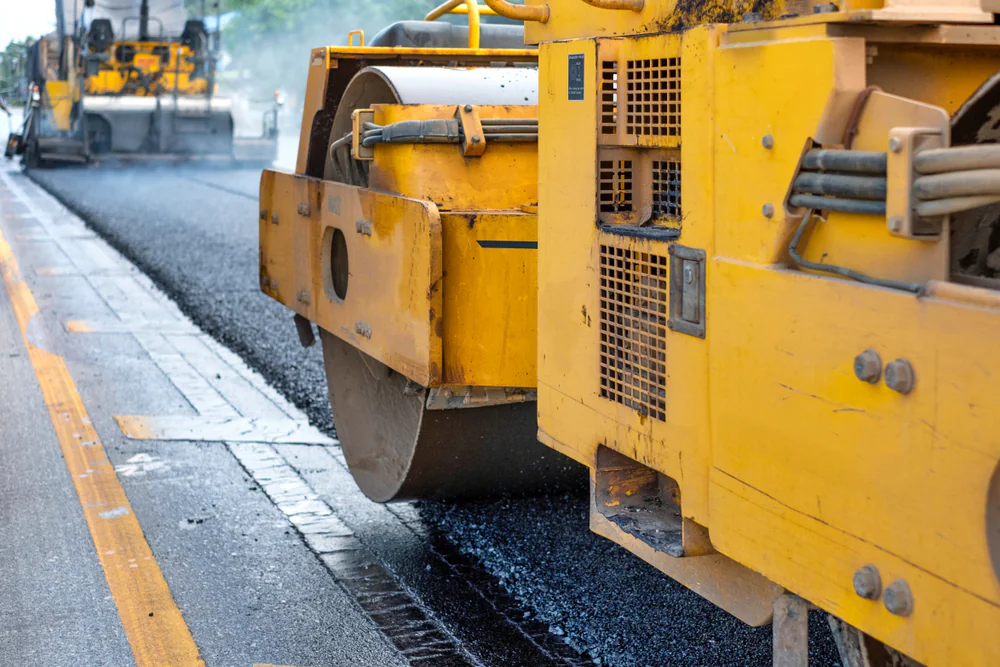
Finally, the surface gets compacted while it’s still hot, creating a dense, durable finish. Striping and markings come after the asphalt has properly cured. The timeline depends on your lot size and complexity, but you’ll know the schedule upfront—no surprises or vague estimates.
Ready to get started?
A complete paving installation covers more than just laying asphalt. It starts with site preparation—proper excavation, grading for water runoff, and compacted base material that won’t shift or settle.
The asphalt itself gets specified based on your needs. Commercial parking lots typically need 3-4 inches of compacted asphalt over a 6-8 inch aggregate base. Higher traffic areas might need thicker applications. Residential paving uses different specifications based on expected use.
In Milford, PA, weather protection matters. Pennsylvania sees temperature swings that would crack inferior pavement in a single season. Quality hot mix asphalt, properly installed, flexes with temperature changes instead of fracturing. Add proper sealcoating down the road, and you’re looking at decades of service instead of years.
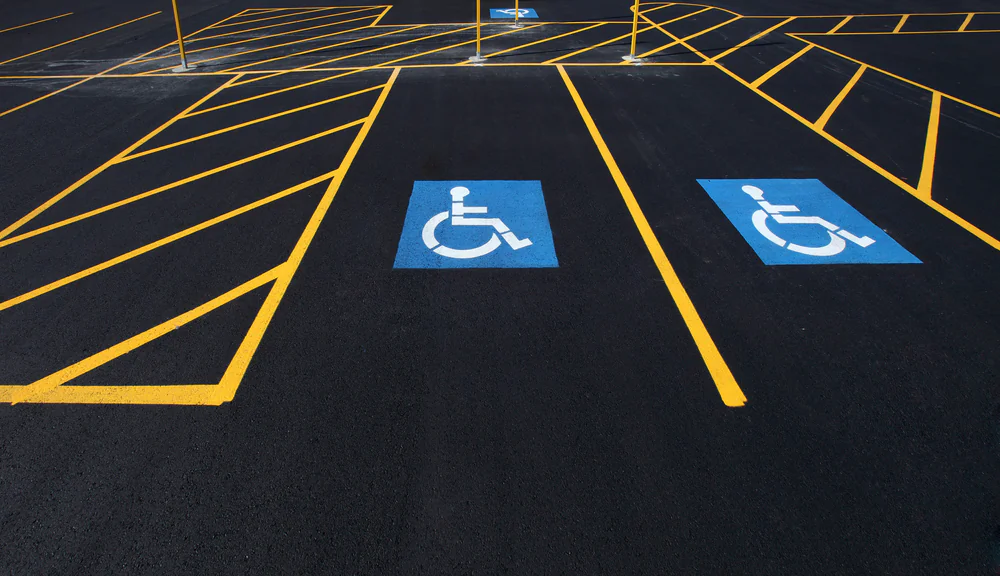
Striping, ADA-compliant parking spaces, and proper drainage integration all get handled as part of the complete installation. You’re not paying for asphalt and then discovering you need to hire someone else for the finishing details.
Most commercial parking lot projects in Milford take 3-7 days from start to finish, but that’s not all active paving time. Timeline depends on your lot size and what needs to happen before asphalt goes down.
Site prep and base work usually take the first 1-3 days. This includes excavation, grading, and installing the compacted stone base. The actual asphalt paving often happens in a single day for most commercial lots, though larger projects might need two days.
After paving, you’ll need to keep vehicles off for at least 24 hours. Light foot traffic can resume sooner, but full curing takes time. Striping typically happens a few days after paving once the surface has properly set. Weather plays a role too—rain delays work, and asphalt can’t be laid in freezing temperatures.
An overlay means putting new asphalt over your existing pavement. It’s faster and less expensive, but only works if your current base is still solid. If you’ve got isolated cracks and surface wear but no major structural problems, overlay might make sense.
Complete replacement means tearing out the old pavement down to the subgrade and starting fresh. You need this when the base has failed, when there’s extensive cracking or settling, or when drainage problems have compromised the foundation. Trying to overlay a failing base just wastes money—the new asphalt will fail along with the old structure underneath.
An honest paving contractor will tell you which approach your lot actually needs. If your pavement has alligator cracking, significant potholes, or areas where the base has washed out, overlay won’t fix it. You’ll spend money now and face the same problems within a year or two. Replacement costs more upfront but solves the actual problem instead of covering it up.
There’s no honest way to quote a parking lot without seeing it, but understanding what drives cost helps you budget. Cost depends on several factors: lot size, current condition, how much excavation is needed, base depth, and asphalt thickness.
Material and labor are your two main expenses. Asphalt prices fluctuate with oil prices, and larger lots get better per-square-foot rates due to efficiency. A small lot might run higher per square foot than a large commercial installation simply because of setup and mobilization costs.
Site prep can significantly impact price. If your lot needs extensive excavation, new base material, or drainage correction, that adds to the total. A simple overlay on good existing pavement costs far less than complete replacement with new base work. Extras like striping, ADA ramps, or specialized drainage add to the bottom line but are often necessary for code compliance.
Get specific quotes based on your actual property conditions. Ballpark numbers without seeing the site are usually worthless—either inflated to cover unknowns or unrealistically low because important work got left out of the estimate.
Late spring through early fall gives you the best conditions for asphalt paving in Pennsylvania. Asphalt needs warm temperatures to properly compact and cure, so most paving happens between April and October.
Summer is peak season for good reason—consistent warm weather, less rain, and optimal asphalt performance. But that also means contractors are busiest and scheduling can be tighter. Spring and fall offer good paving conditions with potentially more flexible scheduling.
You can’t pave when temperatures drop below 50 degrees consistently, and rain stops work entirely. Winter paving is generally not an option in Milford’s climate. If you’re planning a project, start the conversation in late winter or early spring to get on the schedule for optimal paving weather.
Business owners often prefer fall paving to avoid disrupting summer customer traffic. Residential projects can happen anytime during the season. Either way, book early—quality contractors fill their schedules months in advance during paving season.
Sealcoating protects asphalt from oxidation, water penetration, and chemical damage—it’s essential maintenance, not optional. Fresh asphalt needs 6-12 months to cure before sealcoating, but it becomes important protection after that.
Most parking lots should be sealcoated every 2-3 years depending on traffic and weather exposure. High-traffic commercial lots might need it more frequently. The sealcoat acts as a barrier against UV rays, rain, snow melt, and automotive fluids that break down asphalt over time.
Skipping sealcoating doesn’t mean your pavement fails immediately, but it does shorten lifespan significantly. Asphalt that gets regular sealcoating can last 20-30 years. Asphalt that never gets sealed might need replacement in 10-15 years. The cost of sealcoating every few years is far less than premature pavement replacement.
You’ll know it’s time when the asphalt starts looking gray instead of black, or when you notice more cracks forming. Don’t wait until the pavement is already failing—sealcoating is preventive maintenance, not a repair method for damaged asphalt.
Yes, most parking lot paving can be phased to minimize business disruption. The approach depends on your lot layout, size, and how much work is needed. We can section off areas and pave in stages so you maintain some parking throughout the project.
For businesses that can’t close during the day, we can work evening or weekend hours. The trade-off is potentially longer project timelines and sometimes higher costs for off-hours work. But if keeping your business open is critical, it’s often worth the accommodation.
Complete lot replacement is harder to phase than overlay work. If your entire base needs reconstruction, you might need a full closure for a few days. In those cases, planning around slower business periods makes sense—a retail location might schedule paving after holiday season, while an office complex might choose summer when more people work remotely.
Communication during planning makes all the difference. Explain your business constraints upfront, and we’ll work with you to find a solution that gets the job done without killing your revenue for a week.
Other Services we provide in Milford