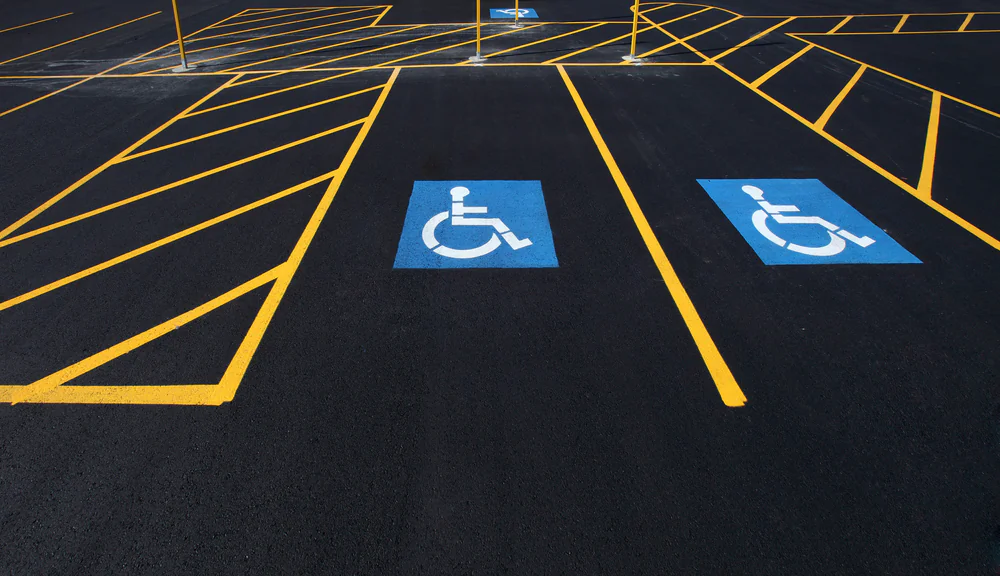
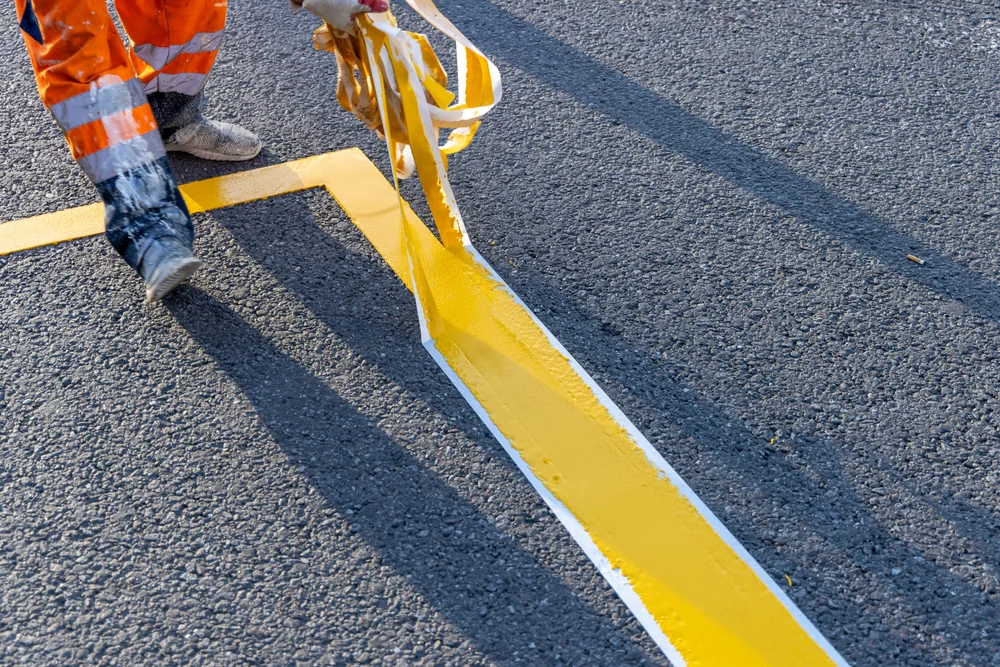
You need a parking lot that holds up through Pennsylvania winters without cracking, pooling water, or falling apart in three years. That means proper base preparation, correct grading for drainage, and asphalt installation that follows the process—not shortcuts.
When the work is done right, you’re looking at a smooth surface that handles freeze-thaw cycles, sheds water where it should, and keeps your property looking professional. No premature repairs. No surprise failures. Just a parking lot that does its job.
The difference shows up in year five, not day one. That’s when poor base work starts cracking and proper installation keeps performing.
We’ve been in the paving business since 1948. That’s not marketing speak—it’s three generations of figuring out what works in Pennsylvania’s climate and what doesn’t.
We operate with one crew on one job at a time. Your project gets full attention from start to finish, not divided focus between three other sites. This approach has earned us five-star reviews on Angie’s List and a reputation in Bucks County for doing what we say we’ll do.
Milford Square properties—whether residential driveways or commercial parking lots—face the same challenges: freeze-thaw cycles, drainage issues, and the need for surfaces that last. We handle both with the same level of care, because our philosophy is simple: treat every client like the most important one.
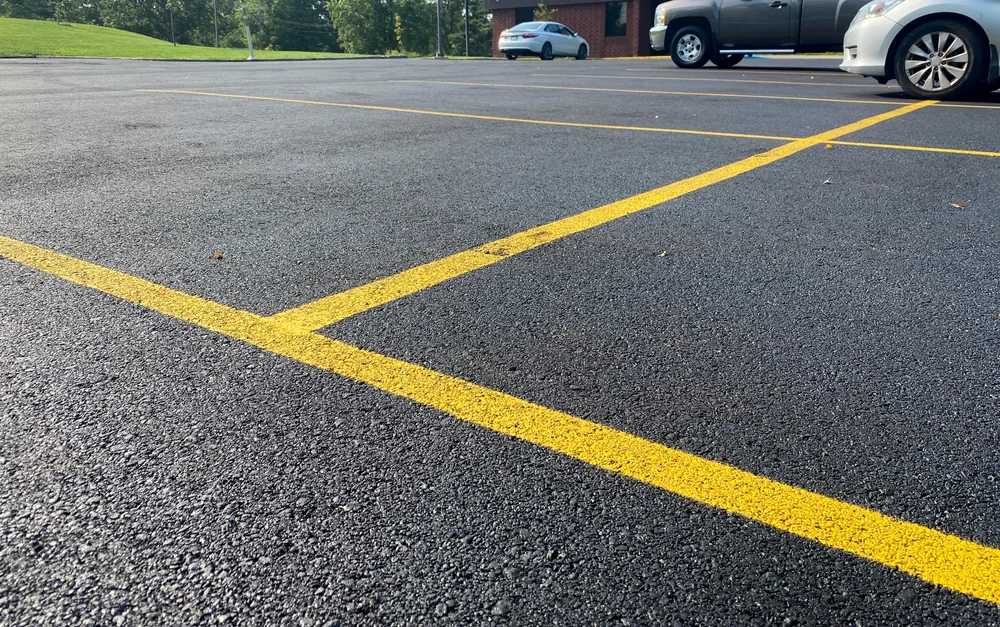
First, there’s a site evaluation. This isn’t a quick glance—it’s looking at drainage patterns, existing base conditions, and how your property actually functions. That determines the scope.
Next comes excavation and grading. The existing surface comes out, the ground gets shaped for proper water runoff, and the base layer goes in. This step matters more than most people realize. A solid, compacted base prevents settling and cracking down the road.
Then the asphalt gets installed. Hot mix asphalt is laid at the right thickness for your traffic load, compacted properly, and finished smooth. Edges get sealed. Transitions get handled. The details that separate a parking lot that lasts from one that doesn’t.
You’ll know what’s happening at each stage. No disappearing for days. No surprises about timeline or cost. Just clear communication and consistent progress until the job is complete.
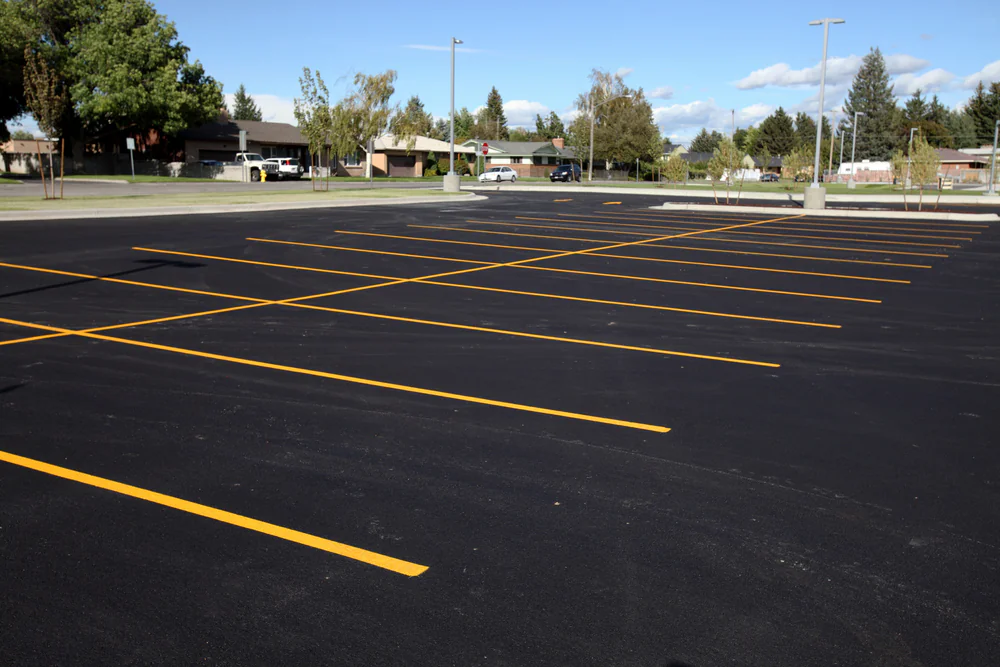
Ready to get started?
Every parking lot paving project includes site preparation, proper base installation, asphalt paving, and compaction. But the specifics matter for Milford Square properties.
Bucks County’s freeze-thaw cycles are brutal on asphalt. Water gets into cracks, freezes, expands, and tears apart weak installations. That’s why proper grading and drainage aren’t optional here—they’re essential. Your asphalt parking lot needs to move water away from the surface and prevent pooling that leads to premature deterioration.
For commercial properties in Milford Square’s small business community, there’s also the reality of minimizing disruption. We work with your schedule to reduce downtime and keep your operation running. Our one-job-at-a-time approach means we stay until completion, not bouncing between multiple sites and stretching your timeline.
Residential paving gets the same treatment. Whether it’s a driveway or a private parking area, the process doesn’t change. Proper base, correct thickness, attention to drainage, and a finish that looks professional.
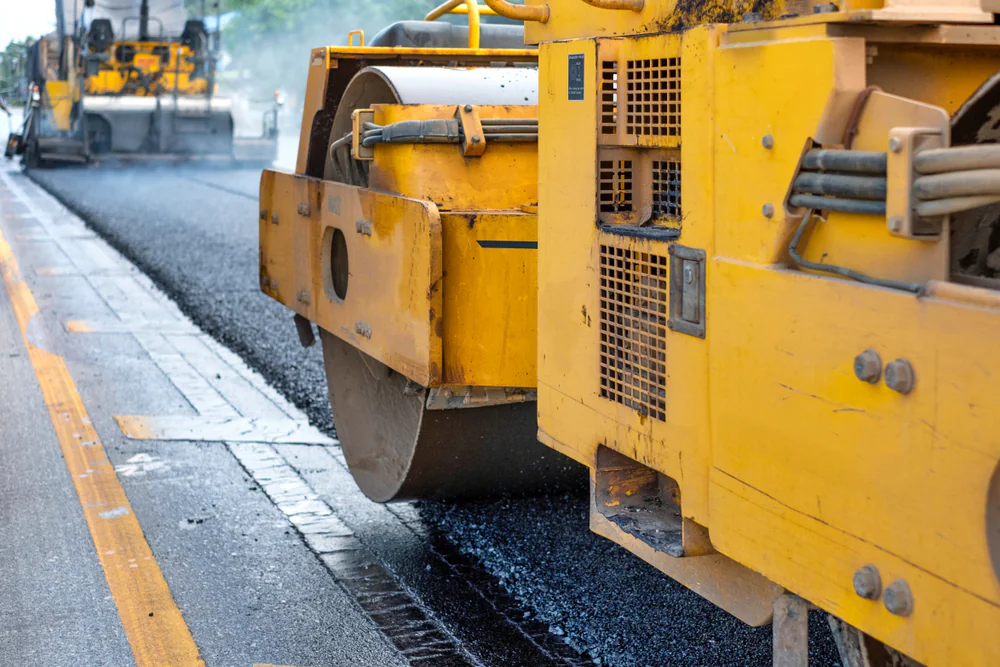
A properly installed asphalt parking lot in Pennsylvania should last 20 to 30 years with appropriate maintenance. The key phrase there is “properly installed.”
Pennsylvania’s climate is tough on asphalt. You’ve got freeze-thaw cycles that can destroy poor installations in just a few years. If the base isn’t compacted correctly, if drainage isn’t addressed, or if the asphalt thickness isn’t right for your traffic load, you’ll see problems much sooner.
Regular maintenance extends that lifespan. Sealcoating every few years, filling cracks before they spread, and addressing drainage issues as they develop all add years to your parking lot. But the foundation of longevity is the installation itself—everything else just protects that initial investment.
The main differences come down to thickness, base preparation, and traffic load requirements. Commercial parking lots handle heavier vehicles and more frequent use, so they need a thicker asphalt layer and a more robust base.
Residential paving—like driveways or small private parking areas—typically uses 2 to 3 inches of asphalt over a compacted base. Commercial lots often need 3 to 4 inches or more, depending on whether you’re expecting delivery trucks, heavy equipment, or constant traffic.
The installation process is essentially the same: excavation, grading, base preparation, asphalt installation, and compaction. But commercial projects require more attention to load-bearing capacity and long-term durability under stress. Both need proper drainage. Both need quality materials. The difference is in the engineering for the expected use.
Parking lot paving costs vary based on size, site conditions, and project complexity. There’s no honest way to give you a number without seeing your property.
What drives cost? The amount of excavation required, base material needs, asphalt thickness, drainage solutions, and site accessibility all factor in. A flat, well-drained site with good existing base conditions costs less than a sloped property with drainage problems and poor soil.
For Milford Square properties, you’re also dealing with local conditions that affect pricing: disposal costs for old material, delivery distances for new material, and the specific challenges of Bucks County sites. The best approach is getting a detailed estimate that breaks down what you’re actually paying for. That way you’re comparing apples to apples when you look at different bids, not just bottom-line numbers that might be hiding shortcuts.
Asphalt paving works best in warmer temperatures, typically above 50°F for the air and ground. Cold weather makes proper compaction difficult and can compromise the quality of the installation.
When temperatures drop, asphalt cools too quickly. That means it hardens before it can be compacted properly, leading to a weaker surface that’s more prone to cracking and deterioration. The ground temperature matters just as much as air temperature—cold ground pulls heat out of the asphalt even faster.
Most paving contractors in Pennsylvania work from spring through fall for this reason. If you need emergency repairs in winter, there are cold-patch materials available, but they’re temporary solutions. For a full parking lot installation, waiting for appropriate weather isn’t about convenience—it’s about ensuring the work actually lasts.
Look for experience, transparency, and a track record you can verify. Anyone can claim they do quality work—you want evidence.
Check how long they’ve been in business and whether they have reviews you can read. Five-star ratings on platforms like Angie’s List matter because they come from actual customers, not marketing copy. Ask about their process: how they prepare the base, how they handle drainage, what thickness of asphalt they recommend for your specific use case.
Pay attention to communication during the estimate phase. If a contractor is vague about timeline, unclear about what’s included, or pushes you to decide immediately, that’s a red flag. Good contractors explain what they’re doing and why, give you a detailed estimate, and answer questions without pressure. You’re making a significant investment—you should feel confident about who’s doing the work.
You can typically drive on new asphalt within 24 to 48 hours, but full curing takes longer—usually several months. The surface is usable quickly, but it needs time to reach full strength.
For the first few days, avoid sharp turns, heavy loads, or parking in the same spot repeatedly. The asphalt is still soft and can mark or indent under concentrated weight. After about a week, normal use is fine for most applications.
Full curing happens as the asphalt oxidizes and hardens over time. During the first few months, you might notice the surface is slightly more pliable on hot days. That’s normal. Avoid placing dumpsters or heavy equipment on the same spot during this period, and be careful with kickstands on motorcycles or narrow trailer jacks that concentrate weight. After several months of curing, your parking lot will handle whatever you throw at it.
Other Services we provide in Milfordsquare