Your parking lot stops being a problem. Customers pull in without dodging potholes. Water drains where it should instead of pooling near your entrance. The surface holds up through Princeton’s humid summers and freeze-thaw cycles without cracking apart.
That’s what proper asphalt installation gets you. Not just a fresh black surface, but a foundation built to handle New Jersey weather and daily traffic without falling apart. You’re not calling for emergency repairs every season. You’re not losing customers because your lot looks neglected.
When the base is prepared correctly and the asphalt is laid with attention to drainage and compaction, you get 20 to 30 years of performance. Your property looks professional. Your liability concerns drop. And you actually get a return on the money you spend.
Productive Asphalt LLC has roots in the paving industry going back to 1948. That’s not a marketing line—it’s three generations of learning what works and what fails in New Jersey conditions. We serve residential and commercial property owners across Princeton who need parking lots, driveways, and industrial surfaces that hold up.
Here’s what makes our approach different: one crew, one job at a time. No juggling multiple sites. No rushing to the next project while yours sits half-finished. Every parking lot gets the same level of care whether it’s a small medical office or a shopping center, because our philosophy is simple—treat every client like the top client.
Princeton’s mix of historic properties, university facilities, and commercial districts means every site has unique challenges. We don’t use cookie-cutter solutions. Our team assesses drainage, traffic patterns, and site conditions to build a plan that fits your property specifically.
It starts with an honest site evaluation. We look at your current surface, check drainage, examine the base, and discuss what you actually need—not what generates the biggest invoice. You get a clear explanation of the work and a straightforward timeline.
Next comes preparation, which matters more than most people realize. Poor base work is why parking lots fail early. We remove deteriorated material, grade for proper water flow, and compact the foundation so it won’t shift or settle. If your subsoil has issues, they get addressed now, not after the asphalt starts cracking.
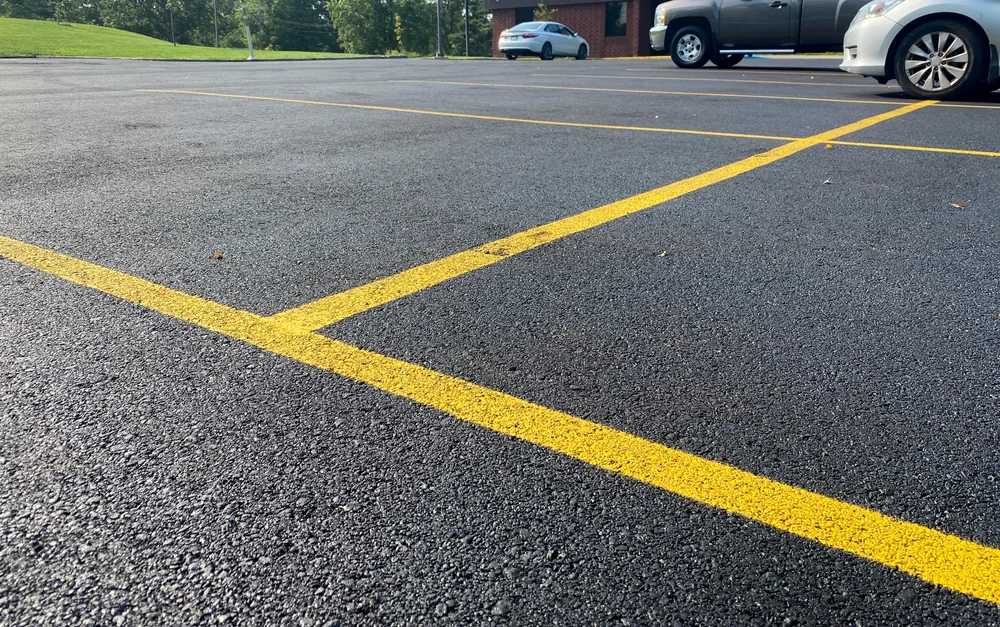
Then comes paving. Hot asphalt gets laid at the right thickness for your traffic load—not too thin to save money, not unnecessarily thick. We compact it properly while it’s still hot to eliminate air pockets and weak spots. Edges get sealed. Transitions to existing pavement get handled carefully.
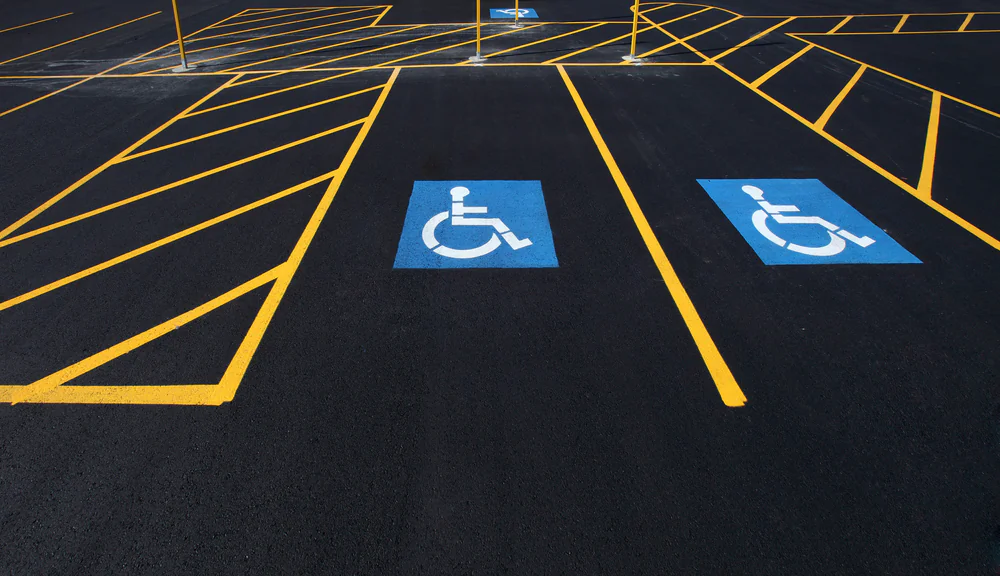
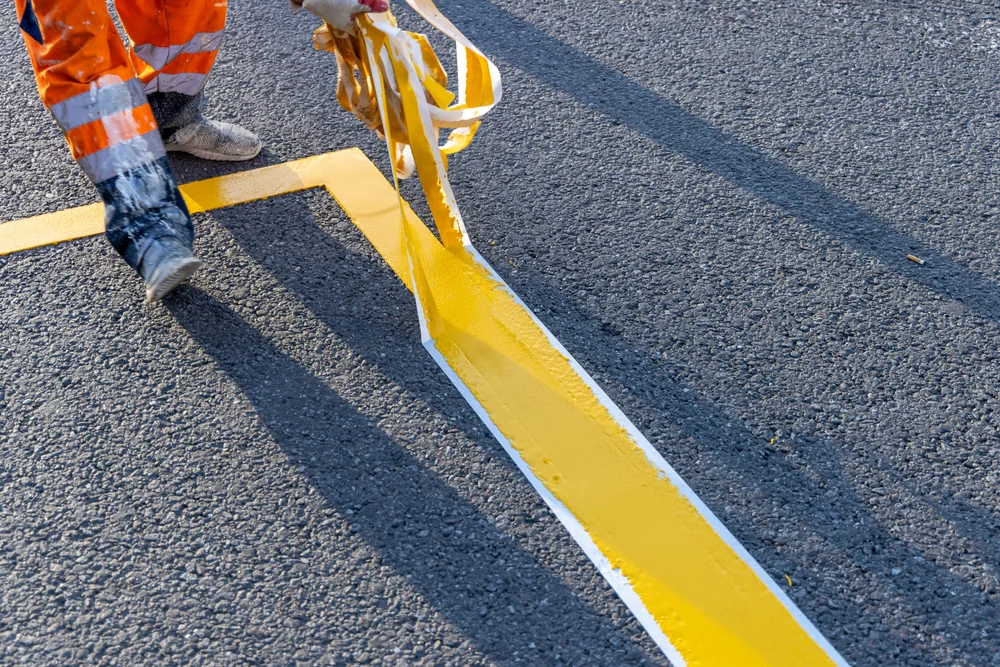
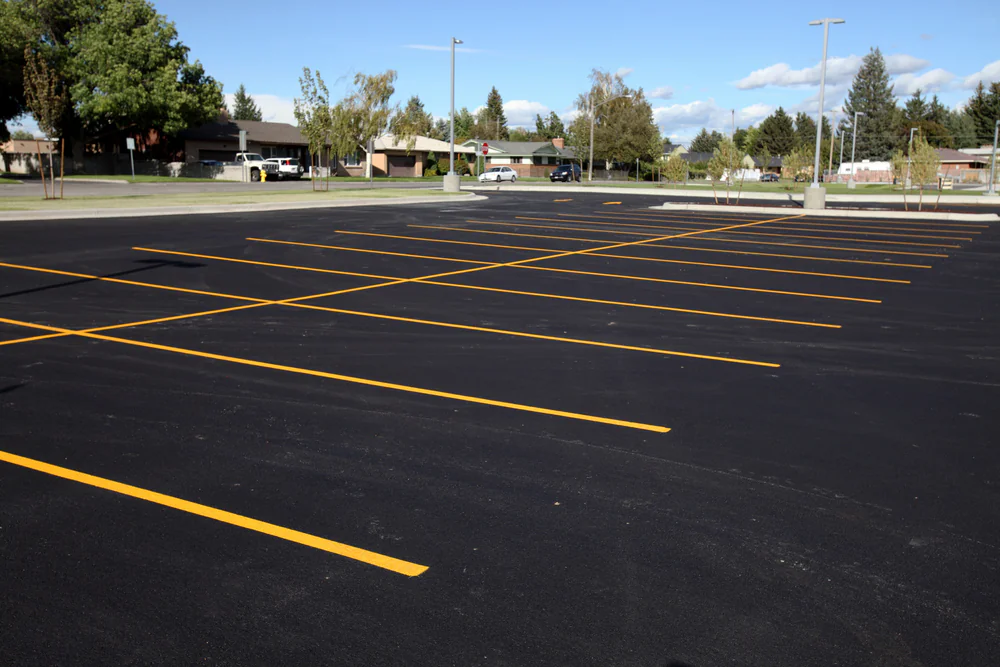
After curing, striping goes down if needed. You get clear communication throughout about when you can reopen sections and what to expect during the first few weeks. The job doesn’t end until your parking lot is ready to handle traffic without issues.
Ready to get started?
Parking lot paving in Princeton means dealing with specific local factors. The area’s mix of commercial properties near Palmer Square, medical facilities, and institutional buildings means parking surfaces take constant use. Summer heat and humidity can soften asphalt if it’s not properly mixed. Winter freeze-thaw cycles exploit any weakness in the base or drainage.
Professional paving addresses all of it. You get proper site preparation including grading and drainage solutions tailored to Princeton’s weather patterns. The asphalt mix is designed for New Jersey conditions—not a generic formula that works everywhere and nowhere. Thickness matches your expected traffic, whether that’s passenger vehicles or delivery trucks.
The work includes transitions to existing pavement, proper compaction to prevent settling, and attention to water management so you’re not dealing with ice patches or standing water. For commercial properties, that often means coordinating the work to minimize disruption to your business. Sections get completed in phases if needed so you’re never completely without parking.
We also handle the details most property owners don’t think about until they become problems—curbing, catch basins, proper slopes for ADA compliance. The goal is a parking lot that functions correctly from day one and keeps functioning for decades.
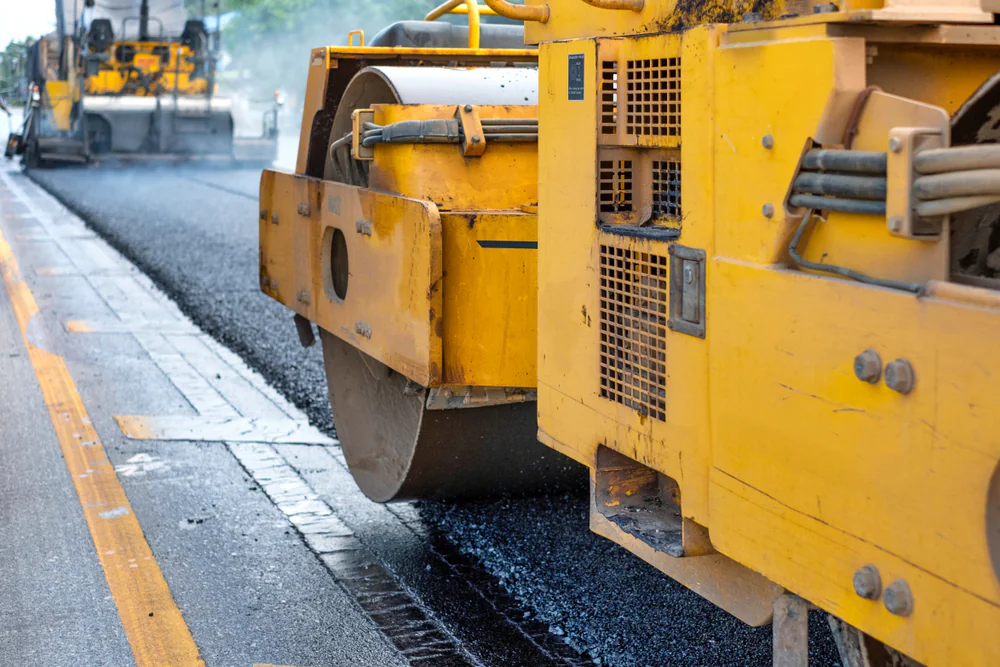
Timeline depends entirely on your lot size and site conditions. A small commercial parking lot might take two to three days from start to finish if the base is in decent shape. Larger lots or properties needing extensive base repair can take a week or more.
Weather plays a role too. Asphalt needs temperatures above 50 degrees to cure properly, and rain delays work. In Princeton, spring through fall offers the most reliable paving windows. We’ll give you a realistic schedule during the site evaluation, not an optimistic guess that falls apart once work starts.
Most businesses can stay partially operational during paving. The work gets phased so sections remain open for customers and employees. You’ll know in advance which areas close when and for how long. The goal is getting your parking lot done correctly without shutting down your business.
Poor drainage tops the list. New Jersey gets significant rainfall, especially summer thunderstorms. If water can’t drain properly, it seeps into the base, weakens the foundation, and causes the asphalt to crack and crumble. Once water gets underneath, freeze-thaw cycles in winter accelerate the damage.
Inadequate base preparation is the other major culprit. Some contractors skip proper compaction or don’t address soft subsoil. The base shifts, the asphalt above it cracks, and you’re looking at repairs within a few years instead of decades. Cheap asphalt mix that’s too thin for the traffic load also fails quickly.
New Jersey’s temperature extremes stress parking lots. Summer heat makes asphalt flexible, which sounds good until heavy vehicles create ruts. Winter cold makes it brittle. A properly installed lot accounts for these stresses with the right mix design, adequate thickness, and a stable foundation that doesn’t move.
Commercial parking lot paving typically runs between three and eight dollars per square foot, but that range means almost nothing without knowing your specific situation. A lot needing extensive base repair costs more than one with a solid foundation. Complex layouts with islands and curbing cost more than simple rectangles.
The size matters too. Larger projects generally have lower per-square-foot costs due to economies of scale. Smaller lots might run higher per square foot because mobilization and setup costs get spread over less area. Accessibility affects pricing—tight sites with limited equipment access take longer and cost more.
We provide transparent estimates after evaluating your property. You’ll know what the work includes, why it’s priced that way, and what you’re actually getting for the money. No vague ranges or surprise charges when the invoice comes. The goal is helping you make an informed decision, not pressuring you into something you don’t need.
Plan on seal coating every two to three years for most parking lots. That frequency protects the asphalt from water penetration, UV damage, and chemical spills like oil and gasoline. If your lot handles heavy truck traffic, you might need seal coating more often because the wear is more intense.
New asphalt shouldn’t be sealed immediately. It needs six months to a year to cure fully before seal coating. Sealing too early traps oils in the asphalt that need to evaporate. After that initial curing period, regular seal coating becomes your best defense against premature aging.
You’ll know it’s time when the surface starts looking gray instead of black, or when you notice small cracks forming. Seal coating is affordable maintenance that extends your parking lot’s life significantly. It’s much cheaper than letting the surface deteriorate until you need major repairs or complete replacement.
Sometimes yes, sometimes no. It depends on what’s underneath. If your existing asphalt is structurally sound with minor surface wear, an overlay can work well. That means adding a new layer of asphalt over the old surface after proper preparation. It’s less expensive than complete removal and replacement.
But if the base is failing, drainage is poor, or the existing asphalt has significant cracking and settling, an overlay just postpones the problem. You’ll spend money on new asphalt that starts failing quickly because the foundation underneath isn’t solid. In those cases, removal and proper reconstruction is the only solution that makes financial sense.
An honest site evaluation tells you which approach fits your situation. We won’t recommend an overlay if it’s going to fail. You’ll get a straightforward assessment of what your parking lot needs and why, so you can make the decision that serves your property best.
Experience in your specific area matters. New Jersey weather and soil conditions differ from other regions. A contractor familiar with Princeton properties understands local drainage challenges, knows which asphalt mixes hold up best, and can anticipate problems before they happen.
Look for someone who explains the process clearly and doesn’t pressure you. You should understand what work is being done, why it’s necessary, and what it costs. Red flags include vague estimates, reluctance to put details in writing, or pushing you to decide immediately. Good contractors want informed clients, not rushed ones.
Check how they handle projects. Do they focus on one job at a time or juggle multiple sites? Will the owner be involved or is it handed off to crews with no oversight? How do they communicate during the work? You want someone treating your project with care regardless of size, not a company where small jobs get deprioritized.
Other Services we provide in Princeton