A parking lot that lasts means fewer headaches, lower long-term costs, and a property that looks professional instead of neglected. When the job’s done right from day one, you’re looking at 20 to 30 years of solid performance—not a surface that starts cracking and crumbling within a few seasons.
Proper installation means proper drainage. Water is asphalt’s biggest enemy, and if your lot doesn’t shed water correctly, you’ll deal with standing puddles, premature deterioration, and potholes that seem to multiply overnight. Getting the grading and drainage right the first time saves you thousands down the road.
You also get a surface that can handle what you throw at it. Whether it’s daily customer traffic, delivery trucks, or the freeze-thaw cycle that New Jersey loves to dish out, a well-built parking lot takes the beating and keeps performing. That’s not luck—that’s quality materials, experienced crews, and attention to the details that matter.
We’ve been in the paving business since 1948. That’s not a typo—our roots in asphalt go back over seven decades, and that kind of staying power doesn’t happen by accident. It happens because the work holds up and customers come back.
Our approach is simple: one project at a time, full attention, no shortcuts. We don’t juggle multiple jobs or rush through yours to get to the next one. We show up, we focus on your property, and we don’t leave until it’s done right. That’s how you get results that last and why Raritan property owners trust us for both commercial and residential paving projects.
Raritan sits in the heart of Somerset County, and local businesses here know that first impressions matter. A cracked, faded parking lot tells customers you don’t care about the details. A smooth, well-maintained lot says the opposite—and it’s often the first thing people see when they pull up to your property.
First, the site gets evaluated. That means looking at drainage, grading, existing damage, and what kind of traffic the lot needs to handle. If water’s pooling in certain areas or the base is compromised, those issues get addressed before any asphalt goes down. Skipping this step is how you end up with a lot that fails early.
Next comes the prep work. The old surface gets removed if necessary, the base gets graded and compacted properly, and drainage solutions get installed where needed. This is the foundation of everything. If the base isn’t solid and properly compacted, the asphalt on top won’t matter—it’ll crack and settle unevenly no matter how good the top layer is.
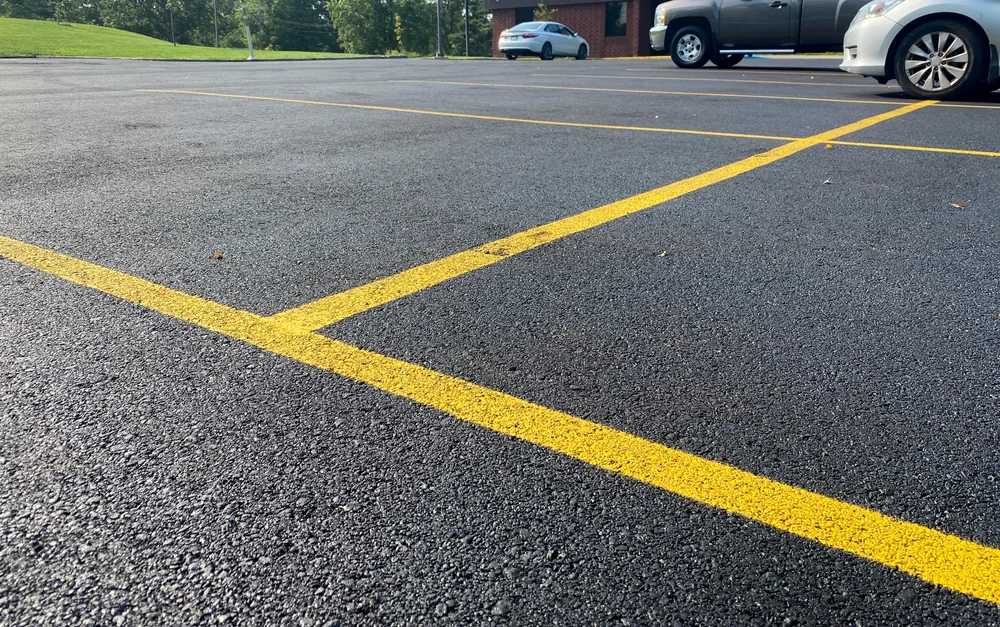
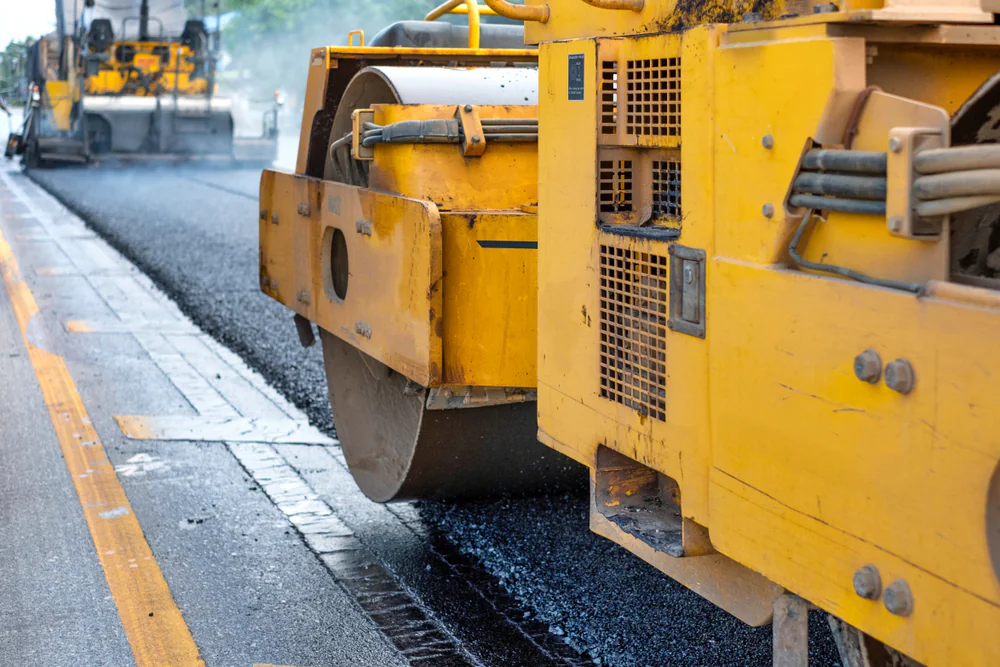
Then the asphalt gets installed. Hot mix asphalt gets laid down at the right thickness for your specific use case—commercial lots handling heavy traffic need more than a residential driveway. The material gets compacted while it’s still hot to eliminate air pockets and create a dense, durable surface. Edges get sealed, transitions get smoothed, and the whole thing gets finished so water runs off instead of sitting.
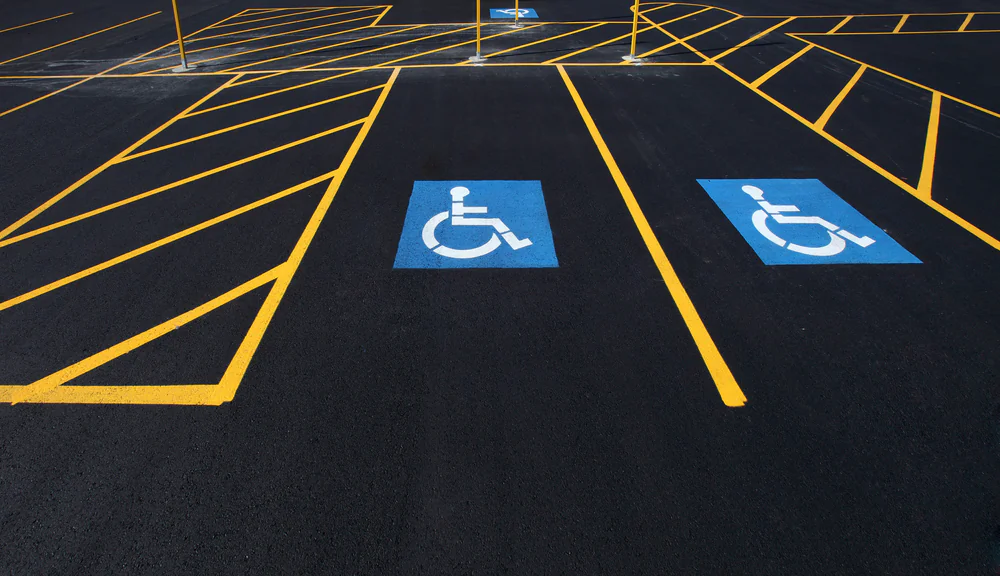
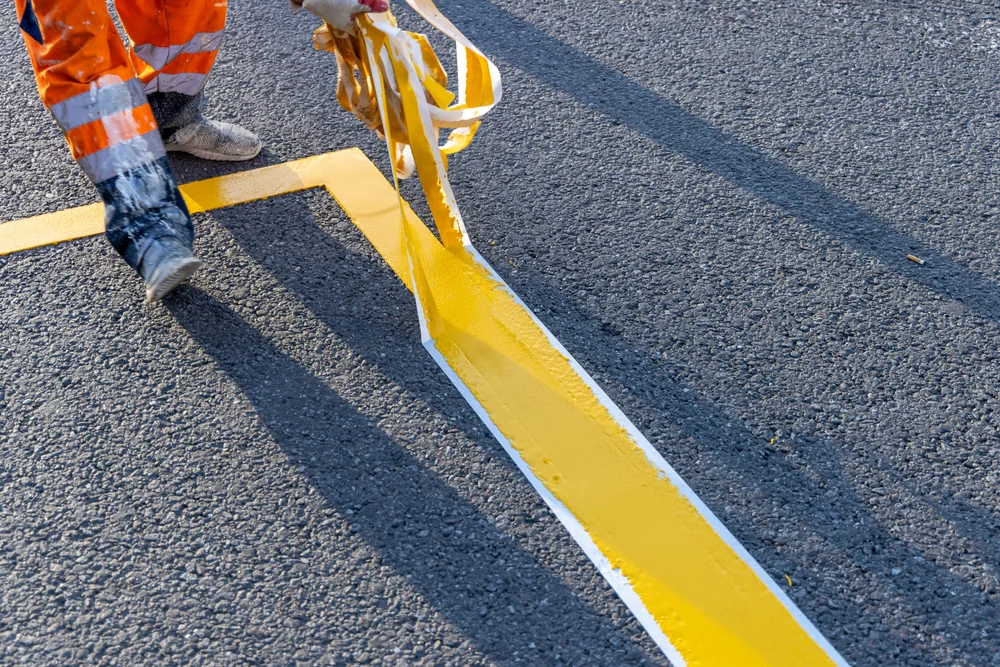
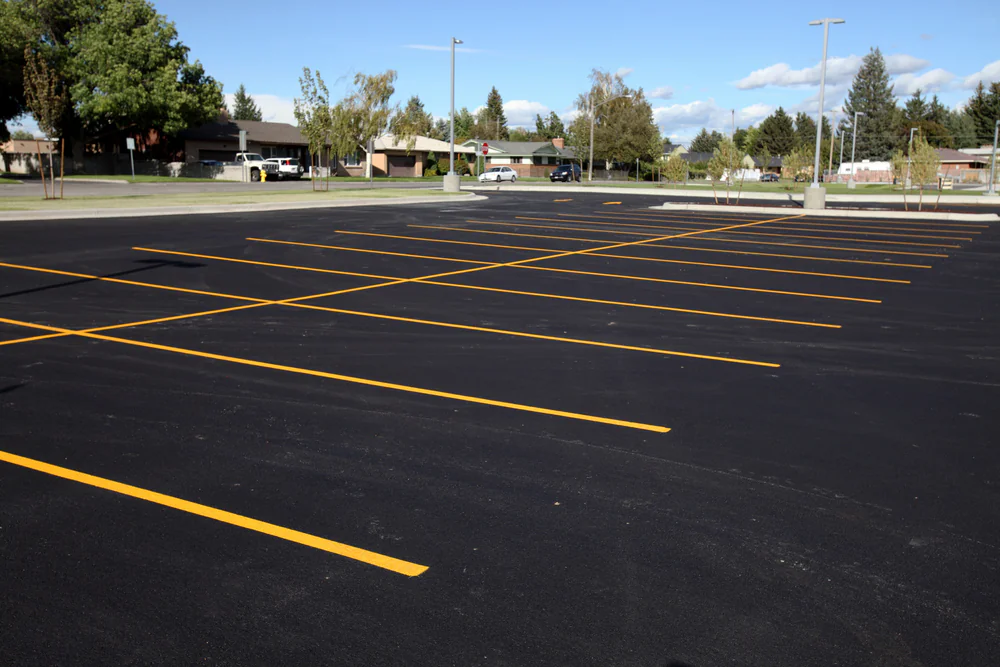
After installation, the lot needs time to cure before heavy use. That’s usually a day or two, depending on weather and thickness. Once it’s ready, striping gets added if needed—parking spaces, traffic flow, ADA-compliant spots. Then it’s done, and you’ve got a surface built to handle decades of use if you maintain it properly.
Ready to get started?
Parking lot paving in Raritan isn’t just slapping down asphalt and calling it done. It includes site assessment, proper grading, drainage solutions, base preparation, asphalt installation, compaction, and finishing work. If your lot needs striping, ADA compliance updates, or specific traffic flow patterns, that gets handled too.
Drainage is critical in New Jersey. Raritan sees its share of rain and snow, and if water doesn’t move off your lot efficiently, it seeps into cracks, freezes, expands, and tears the asphalt apart from below. Proper drainage design means your lot sheds water to the right places—catch basins, storm drains, or designated runoff areas—instead of creating ponds in your parking spaces.
Commercial properties have different needs than residential paving projects. A business parking lot takes more abuse—heavier vehicles, constant turning, higher traffic volume. That means thicker asphalt, stronger base materials, and more attention to high-stress areas like entrances and loading zones. We size the project to match what your property actually needs, not what’s easiest to install.
Raritan’s location in Somerset County means dealing with temperature swings, freeze-thaw cycles, and weather that tests asphalt year-round. The borough’s mix of commercial districts along Route 206 and residential neighborhoods means we handle everything from retail parking lots to industrial facilities. Quality installation accounts for local climate—the right asphalt mix for New Jersey conditions, proper compaction to prevent water infiltration, and attention to expansion joints all factor into how long your lot lasts.
It depends on the size of the lot and what needs to happen before asphalt goes down. A small commercial lot might take a few days from start to finish. Larger projects with significant prep work, drainage installation, or base repairs can take a week or more.
The actual paving part—laying down the asphalt—usually happens in a day or two once prep work is complete. But you can’t skip the prep. If the base isn’t right, if drainage isn’t addressed, if old damaged asphalt doesn’t get removed properly, the new surface won’t last. Rushing through prep work to save a day or two costs you years of lifespan on the back end.
After the asphalt is down, it needs time to cure before heavy use. That’s usually 24 to 48 hours depending on weather and thickness. You can walk on it sooner, but vehicles should wait. Driving on asphalt before it’s fully set can leave permanent marks and compromise the surface.
Resurfacing means adding a new layer of asphalt over the existing surface. It works when the base is still solid and the damage is mostly surface-level—minor cracking, fading, wear from traffic. Resurfacing costs less and takes less time than full replacement, and it can add years to your lot’s life if the underlying structure is sound.
Replacing means tearing out the old asphalt down to the base, fixing any drainage or structural issues, and building the lot from scratch. You do this when the base has failed, when there’s significant cracking or settling, or when more than a quarter of the surface is damaged beyond simple repairs. If water’s been getting under the asphalt and compromising the foundation, resurfacing just puts a band-aid on a bigger problem.
The call between resurfacing and replacement comes down to what’s happening below the surface. A good contractor evaluates the base, checks for drainage problems, and tells you honestly what makes sense. Sometimes resurfacing buys you another 10 to 15 years. Sometimes the base is shot and replacement is the only option that won’t have you back in the same spot within a few years.
Costs vary based on lot size, current condition, prep work needed, drainage requirements, and asphalt thickness. A small commercial lot might run several thousand dollars. Larger lots or projects requiring extensive base work, drainage installation, or removal of badly damaged asphalt cost more.
The price per square foot changes depending on what you’re doing. New installation over a properly prepared base costs more than simple resurfacing. But resurfacing only makes sense if the base is solid—if it’s not, you’re wasting money on a surface that’ll fail quickly. Thicker asphalt for heavy commercial traffic costs more than thinner residential applications, but it lasts longer under the load.
Get a detailed estimate that breaks down what you’re paying for. If one quote is significantly cheaper than others, ask why. It might be thinner asphalt, skipped drainage work, less prep, or lower-grade materials. The cheapest option usually isn’t cheap in the long run—it’s just cheaper now and more expensive later when you’re repaving again years earlier than you should need to.
Yes. Even a perfectly installed parking lot needs maintenance to reach its full lifespan. Asphalt can last 20 to 30 years, but only if you take care of it. Neglect it and you’ll be looking at major repairs or replacement within 10 years or less.
Sealcoating every few years protects the surface from water, UV damage, and chemicals like oil and gas. It’s not just cosmetic—it actually extends the life of your asphalt by preventing oxidation and water infiltration. Crack sealing is critical too. Small cracks let water in, water freezes and expands, and suddenly you’ve got bigger cracks and potholes. Catch cracks early and seal them, and you prevent expensive damage down the road.
Keep the lot clean. Debris, standing water, and oil stains all degrade asphalt over time. Make sure drainage systems stay clear—clogged catch basins mean water sits on the surface instead of draining off. Regular inspections help you catch small problems before they become big ones. Maintenance isn’t exciting, but it’s a lot cheaper than replacing a parking lot that failed early because nobody paid attention to it.
It’s possible but not ideal. Asphalt needs warm temperatures to be installed properly. The material has to stay hot during placement and compaction, and cold weather makes that difficult. Most paving happens between late spring and early fall when temperatures are consistently above 50 degrees.
Cold weather affects how asphalt cures. If the ground is too cold or if temperatures drop too quickly after installation, the asphalt doesn’t compact properly and you end up with a weaker surface. Frost, snow, and frozen ground also make proper base preparation nearly impossible. You can’t grade and compact a frozen base, and laying asphalt over it is asking for problems.
Emergency repairs sometimes happen in winter—if a pothole creates a safety hazard, temporary cold-patch asphalt can fill the gap until proper repairs can be done in warmer weather. But for new installations or major resurfacing, waiting for appropriate weather is worth it. Doing the job right means doing it when conditions allow for quality work, not forcing it during a season that fights you every step of the way.
Look for experience, references, and transparency. A contractor who’s been around for decades has proven they do work that lasts—fly-by-night operators don’t stick around that long. Ask for references from commercial clients with similar projects. Check reviews, but also ask the contractor directly about their process, materials, and timeline.
Get detailed estimates from multiple contractors and compare what’s actually included. One estimate might be lower because it’s thinner asphalt, less base prep, or no drainage work. Another might be higher but include everything needed for a lot that lasts. The cheapest bid often isn’t the best value—it’s just the cheapest now and more expensive over time.
Ask about the crew’s experience and whether the owner is involved in projects. Some companies send out crews with minimal oversight. Others have the owner on-site ensuring quality control. Ask about insurance, licensing, and warranties. And pay attention to communication—if a contractor is vague, slow to respond, or won’t answer direct questions during the estimate phase, that’s how they’ll be during the project too. Choose someone who treats you like a priority from the start, not an afterthought.
Other Services we provide in Raritan