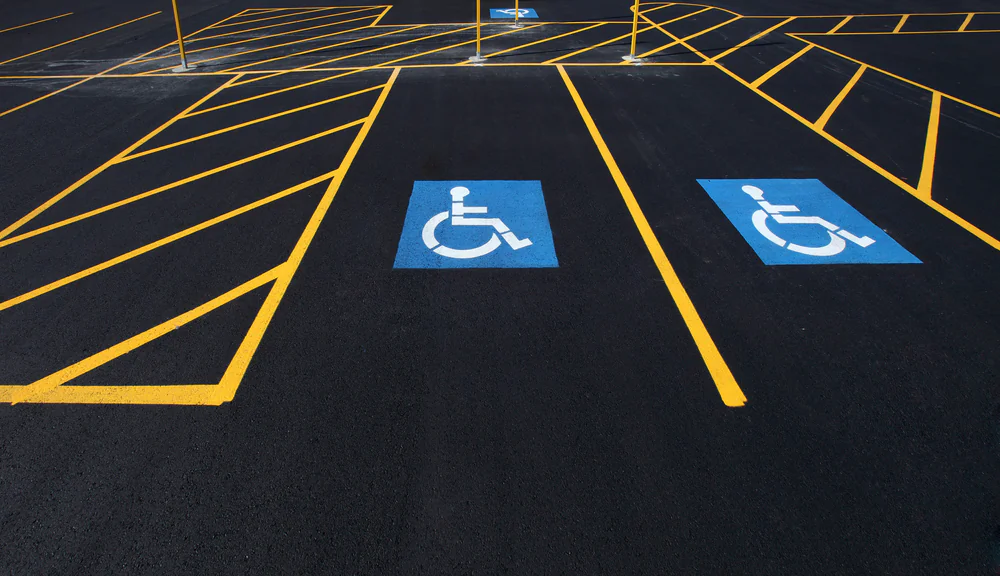
A properly installed parking lot does more than look clean. It protects your investment, keeps customers safe, and saves you from expensive repairs down the road.
When the base is prepared correctly and drainage is handled right, your parking lot can last 25 to 30 years. That’s decades without major headaches. You won’t deal with pooling water that freezes and cracks the surface. You won’t watch potholes form after the first winter. You get a smooth, durable surface that holds up to daily traffic and New Jersey weather.
Your property looks professional. Customers feel confident pulling in. And you’re not calling for parking lot repair every few years because someone cut corners during installation.
We bring decades of hands-on paving experience to Stockton, NJ and throughout Hunterdon County. Our roots in the industry date back to 1948, combining family tradition with modern expertise. That’s not marketing talk—it’s generations of learning what works and what fails.
Our crew focuses on one job at a time. When we’re on your property, that’s where our attention stays. No juggling multiple sites or rushing to the next job. This approach means your project gets completed faster and with the kind of care that shows in the finished product.
Stockton property owners value contractors who show up, do the work right, and stand behind it. We’ve built our reputation on exactly that, with five-star reviews and long-term client relationships throughout the area.
First, the site gets assessed. Drainage patterns, soil conditions, and grading needs all factor into the plan. This isn’t a one-size-fits-all process. Your property has specific challenges, and those get addressed before any asphalt goes down.
Next comes base preparation. This is where most problems start if it’s done wrong. The existing surface gets removed if needed, the base gets properly compacted, and grading ensures water flows away from buildings and doesn’t pool on the lot. Skipping steps here costs you thousands later.
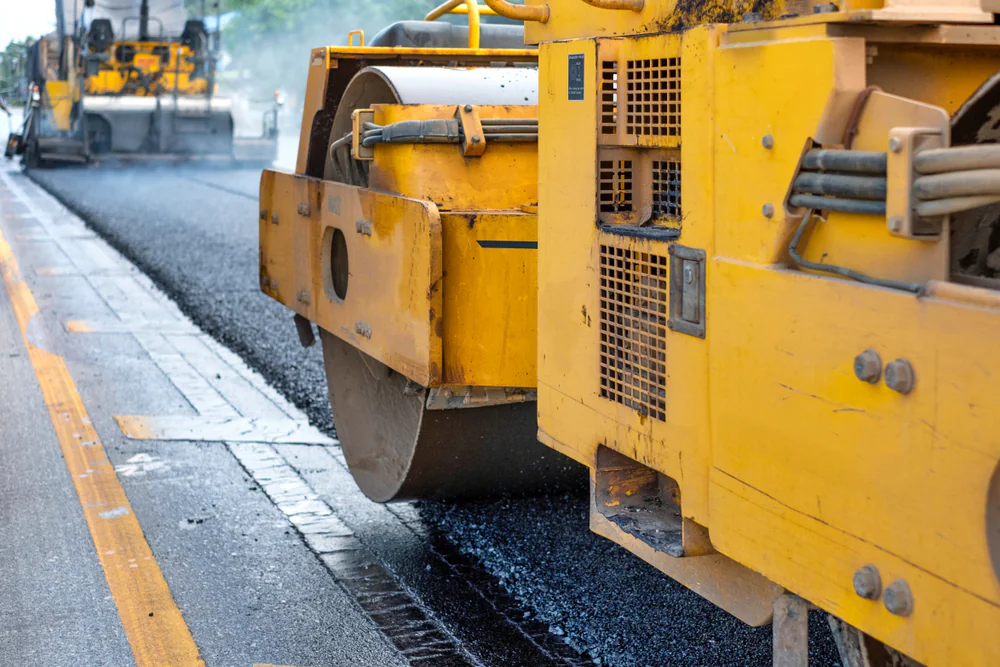
Then the asphalt paving installation happens. We lay the material at the right temperature and thickness for your specific use—commercial lots that handle heavy traffic need different specs than residential driveways. Proper compaction ensures the surface bonds correctly and won’t shift or settle unevenly.
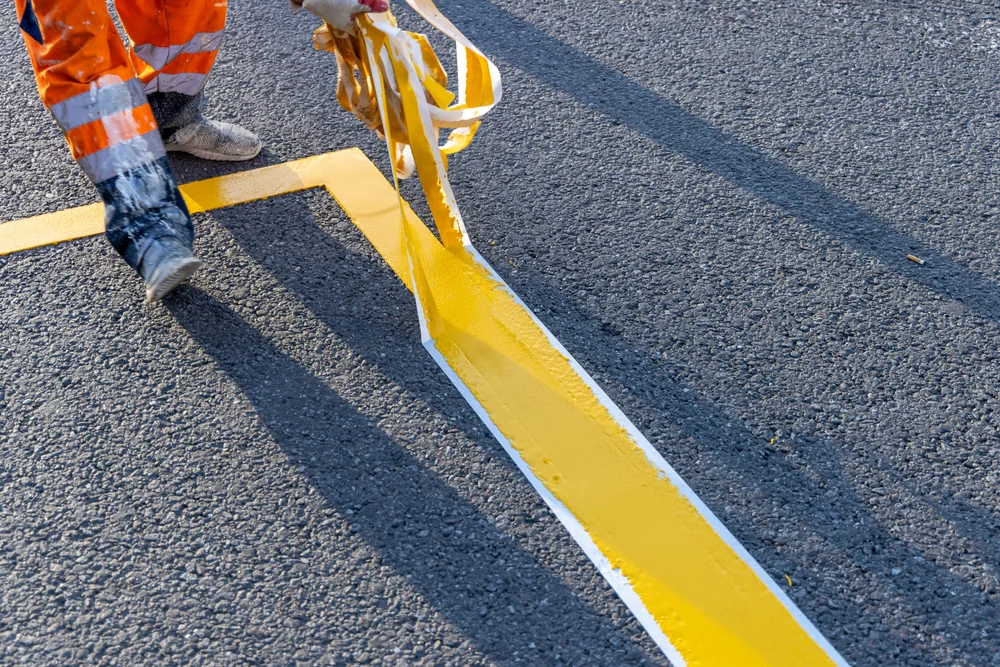
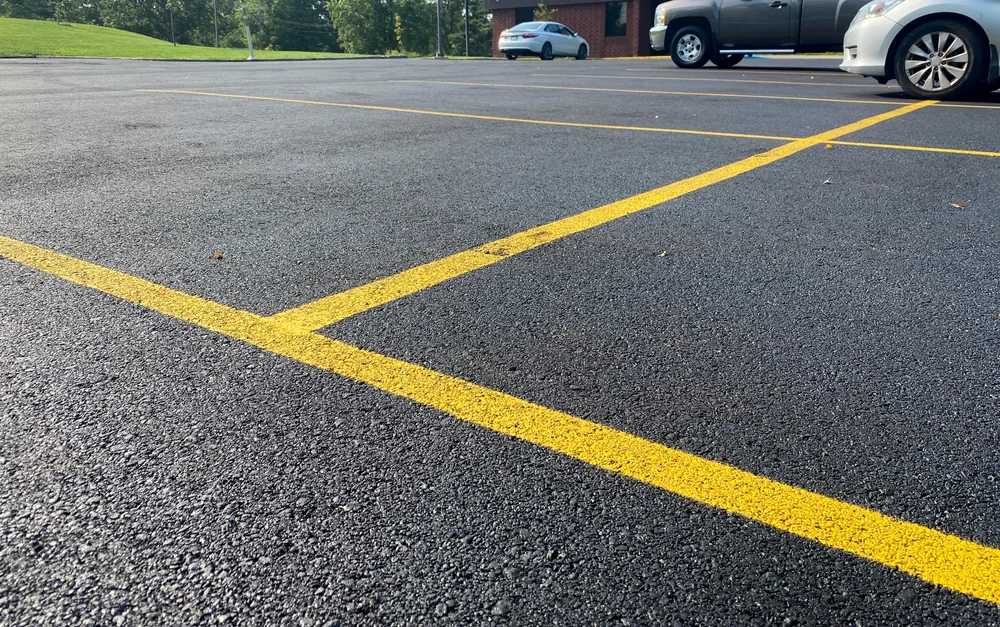
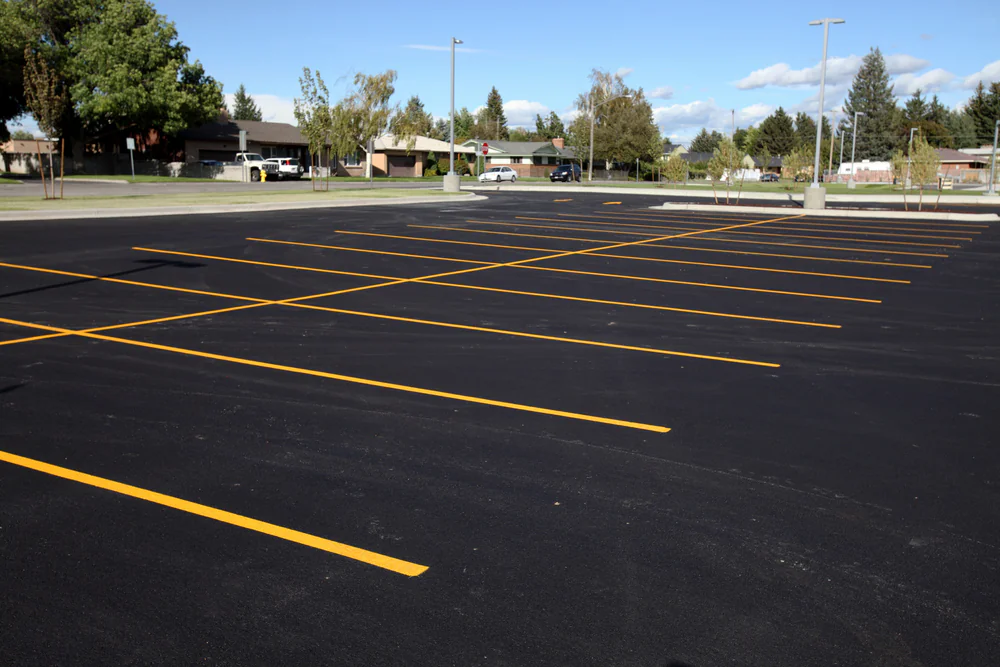
Finally, finishing touches like line striping and final grading get completed. You’re left with a parking lot that’s ready for traffic and built to handle years of use without constant maintenance calls.
Ready to get started?
Parking lot paving in Stockton, NJ involves more than just laying asphalt. You get a complete solution designed for your property’s needs. Site evaluation identifies drainage issues before they become problems. Grading work ensures water moves away from your lot instead of pooling and causing damage.
Base preparation gets done right—properly compacted material that won’t shift or settle. The asphalt installation itself uses quality materials at the correct thickness for your traffic volume. Commercial properties handling delivery trucks need different specs than small business parking areas. Industrial paving projects require even more robust specifications to handle heavy equipment and constant use.
Stockton’s location along the Delaware River means properties here deal with specific drainage challenges. The terrain and soil conditions in Hunterdon County require contractors who understand local factors. We customize solutions based on your property’s unique situation, not a generic approach that works somewhere else. Whether you’re managing a retail center near Route 29 or a residential property in the historic district, the paving approach adapts to your site.
Additional services like sealcoating, line striping, and ongoing maintenance keep your investment protected. Sealcoating every few years significantly extends pavement life by protecting against weather, UV damage, and chemical wear from oil and gas spills. Line striping ensures your lot meets safety requirements and looks professionally maintained. These aren’t upsells—they’re practical steps that save you money over time by preventing the need for premature replacement or major parking lot repair work.
Timeline depends on the size of your lot and the scope of work needed. A small business parking lot might take two to three days from start to finish. Larger commercial properties with extensive base work or drainage solutions could take a week or more.
Weather plays a role too. Asphalt needs to be installed at specific temperatures to cure properly. Rain delays happen, and trying to rush through bad weather conditions leads to poor results. We focus on one job at a time, which actually speeds things up—our full crew’s attention stays on your project until it’s complete.
You’ll get a realistic timeline upfront based on your specific property. That includes prep work, installation, and curing time before the lot can handle full traffic. Most businesses can plan around the schedule with minimal disruption to daily operations.
Resurfacing means adding a new layer of asphalt over the existing surface. It works when your base is still solid but the top layer has worn down or developed minor cracks. You save money and time because the base doesn’t need to be rebuilt.
Full replacement involves removing the old asphalt, addressing any base issues, and installing everything new from the ground up. This is necessary when you have major drainage problems, significant potholes, or a failing base that’s causing the surface to crack and settle. Trying to resurface over a bad base just delays the inevitable and wastes money.
The right choice depends on your lot’s current condition. An honest assessment tells you which approach makes sense. Sometimes resurfacing buys you another 10 to 15 years. Other times, you need full replacement to avoid constant repairs. We evaluate your specific situation and recommend the option that actually solves the problem, not just the one that costs more.
Cost depends on several factors: lot size, base condition, drainage needs, and whether you need full replacement or resurfacing. A small commercial lot might run a few thousand dollars. Larger properties with complex drainage work cost more.
The cheapest bid isn’t always the best value. Contractors who cut corners on base preparation or use thinner asphalt layers save you money upfront but cost you significantly more in repairs within a few years. Proper paving installation with adequate base work and correct asphalt thickness costs more initially but lasts decades.
We provide transparent pricing based on your property’s specific needs. That includes discounts for seniors, military, and first-time customers. You’ll know exactly what you’re paying for and why—no surprise charges or vague estimates that balloon once work starts.
Stockton’s location and Hunterdon County’s terrain create specific drainage challenges. Properties near the Delaware River or in areas with clay-heavy soil often deal with water that doesn’t drain naturally. That water pools on parking lots, seeps into cracks, and causes serious damage when it freezes and expands during winter months.
Proper grading during installation directs water away from your lot and buildings. Sometimes that’s enough. Other properties need additional solutions like catch basins, French drains, or improved drainage systems. The goal is preventing water from sitting on the surface or undermining the base layer.
We evaluate your property’s drainage patterns before work starts. We identify problem areas and design solutions that actually work for your specific site. Ignoring drainage to save money upfront guarantees expensive repairs later. Addressing it properly during installation protects your investment for decades.
Asphalt needs time to cure before it can handle full traffic loads. Light foot traffic is usually fine within 24 hours. Vehicle traffic can typically start after 48 to 72 hours, depending on weather conditions and asphalt thickness.
Full curing takes longer—several months for the asphalt to reach maximum hardness. During that time, you can use the lot normally, but heavy loads or sharp turns might leave marks. Avoid parking in the same spots repeatedly for the first few weeks, especially in hot weather.
Temperature matters significantly. Hot weather speeds curing but makes fresh asphalt more susceptible to damage from turning wheels. Cool weather slows the process. We’ll give you specific guidance based on when your lot was paved and current conditions. Following those recommendations protects your new surface and ensures it lasts as long as it should.
Sealcoating every two to three years is the most important maintenance step. It protects the asphalt from UV damage, water penetration, and chemical wear from oil and gas. This single step can double your parking lot’s lifespan from 15 years to 30 years or more.
Crack filling should happen as soon as small cracks appear. Water gets into cracks, freezes, expands, and turns small issues into major damage. Addressing cracks early costs very little—maybe a few hundred dollars. Waiting until they become potholes costs significantly more and often requires extensive repairs.
Line striping fades over time and needs repainting to keep your lot looking professional and meeting safety requirements. Regular sweeping removes debris that can damage the surface and keeps your property looking maintained. These are simple steps that protect your investment and avoid the need for premature replacement.
We can handle ongoing maintenance after your installation. Having the same contractor who installed your lot handle maintenance means we know exactly what was done and how to keep it in top condition for decades.
Other Services we provide in Stockton