When customers pull into your parking lot, they’re forming their first impression of your business. Cracked asphalt and potholes send the wrong message before they even step out of their car.
A properly installed parking lot does more than look professional—it eliminates liability concerns, reduces maintenance headaches, and keeps customers coming back. New Jersey’s brutal freeze-thaw cycles destroy poorly installed pavement within a few years, but quality work with proper drainage and base preparation lasts decades.
You get smooth traffic flow, clear striping that maximizes space, and pavement that stands up to everything from delivery trucks to winter weather. That’s the difference between a parking lot that costs you money and one that protects your investment.
We’ve been handling asphalt projects since 1948, combining family tradition with modern equipment and techniques. We understand what works in New Jersey’s challenging climate and have the experience to prove it.
Located in TwinRivers’ planned community environment, we know how important proper drainage and base preparation are for long-term performance. We treat every project—whether it’s a small business lot or a large commercial installation—with the same attention to detail.
Our approach is straightforward: assess your specific needs, explain exactly what’s required, and complete the work right the first time. No shortcuts, no surprises, just solid pavement that lasts.
First, we evaluate your existing pavement and drainage to determine whether you need full replacement, resurfacing, or targeted repairs. This assessment prevents unnecessary work and ensures you get the right solution.
Next comes proper site preparation—the foundation of any lasting parking lot. We handle grading, base layer installation, and drainage systems that prevent the water damage that destroys most asphalt installations in New Jersey.
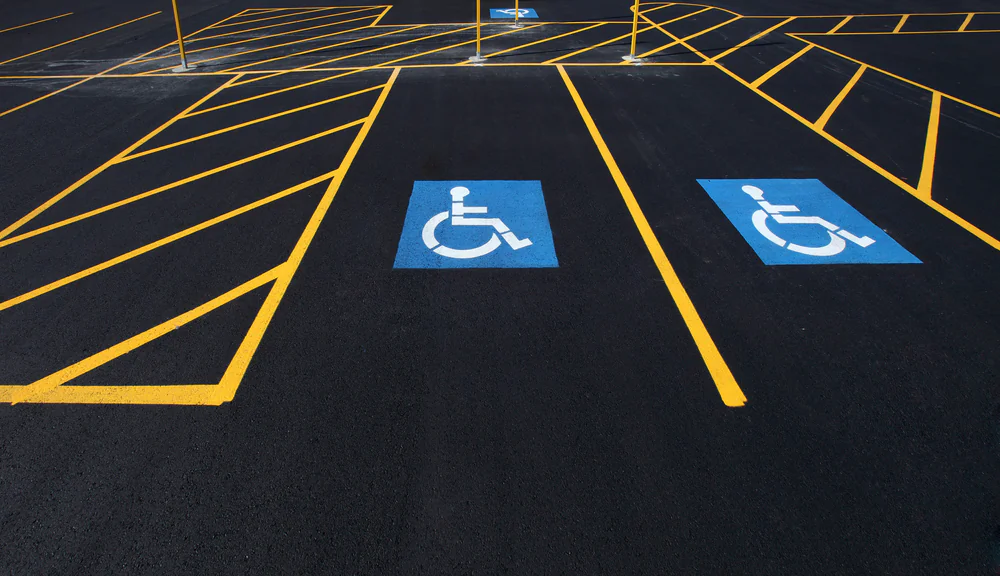
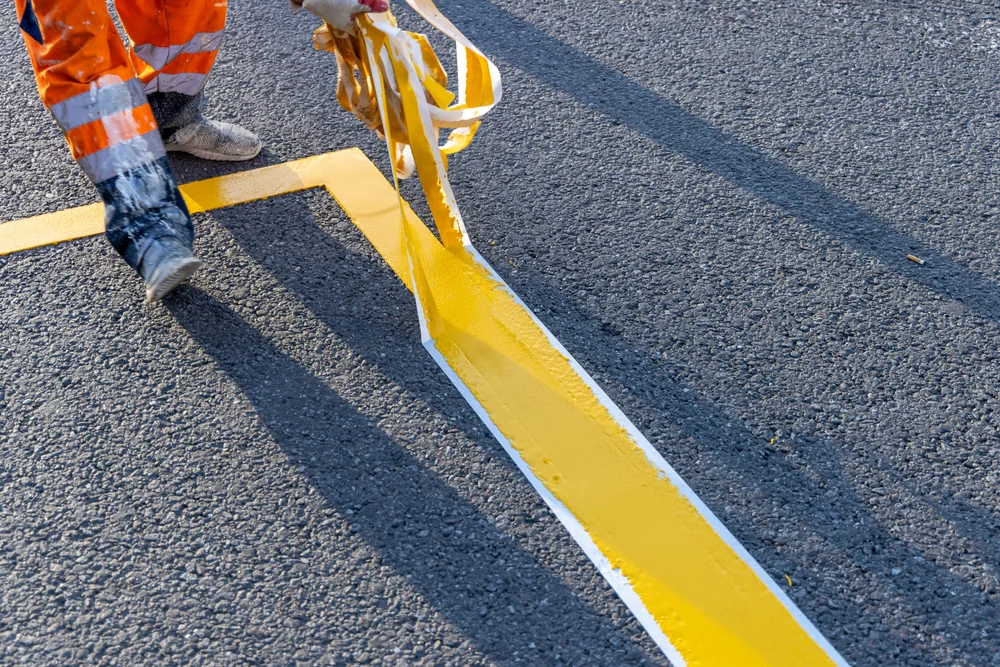
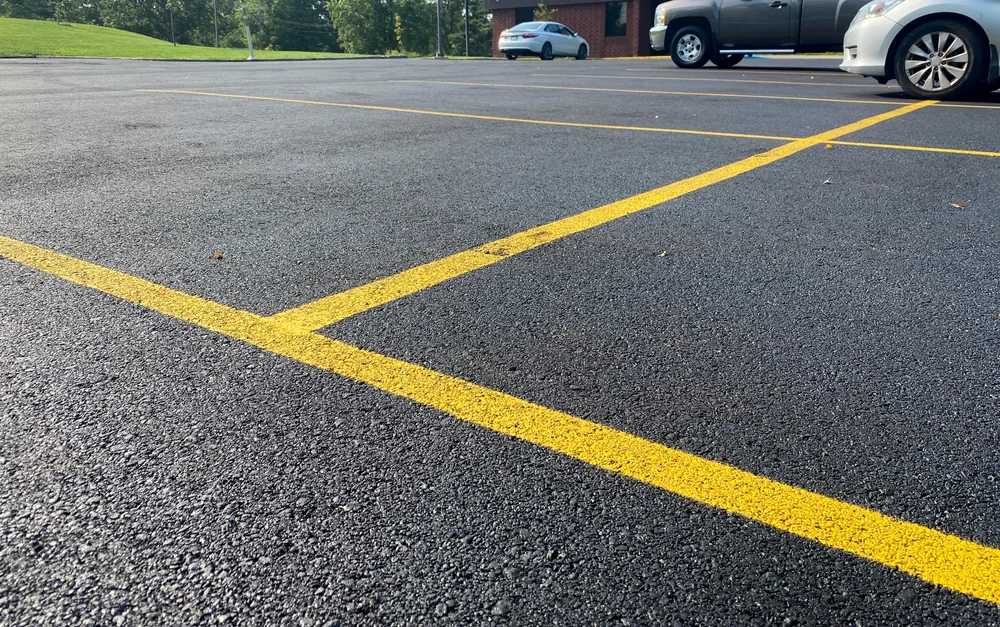
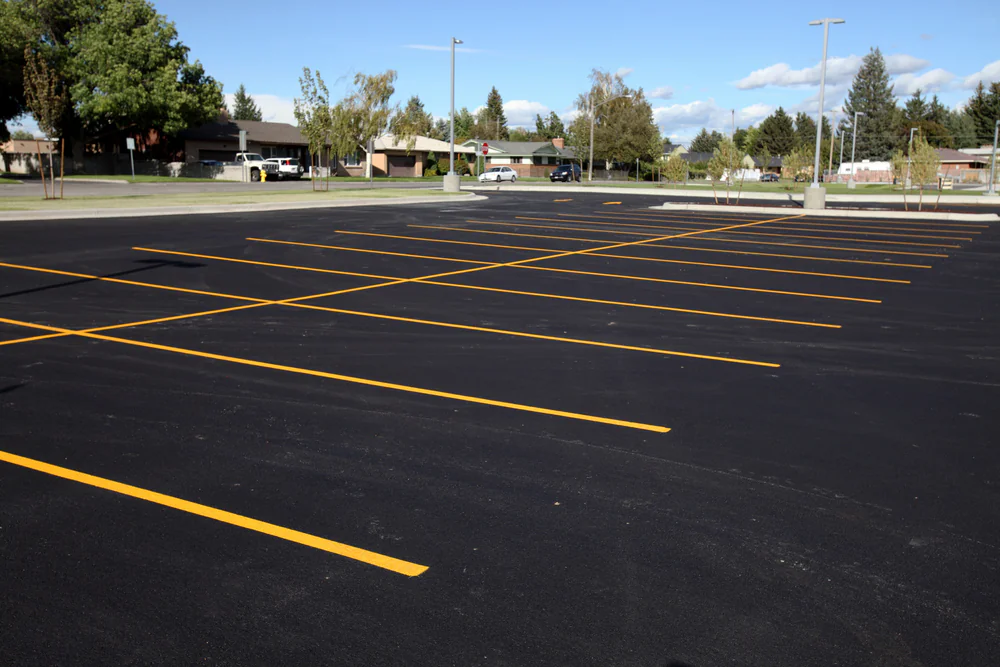
The paving installation uses quality asphalt mix designed for your specific traffic load and climate conditions. After proper compaction and curing, we add striping and markings that meet ADA requirements and maximize your available space. You’re left with a parking lot that looks professional and performs reliably for years.
Ready to get started?
Your parking lot paving project includes complete site evaluation, proper drainage design, and base preparation that prevents premature failure. Every installation meets local codes and ADA accessibility requirements.
TwinRivers’ planned community layout requires careful attention to traffic flow and space utilization. We design striping patterns that maximize parking capacity while ensuring safe vehicle and pedestrian movement throughout your property.
The service also covers ongoing maintenance planning, helping you understand when sealcoating and minor repairs will extend your pavement’s life. With New Jersey’s harsh winters and heavy traffic loads, proactive maintenance prevents small issues from becoming expensive problems.
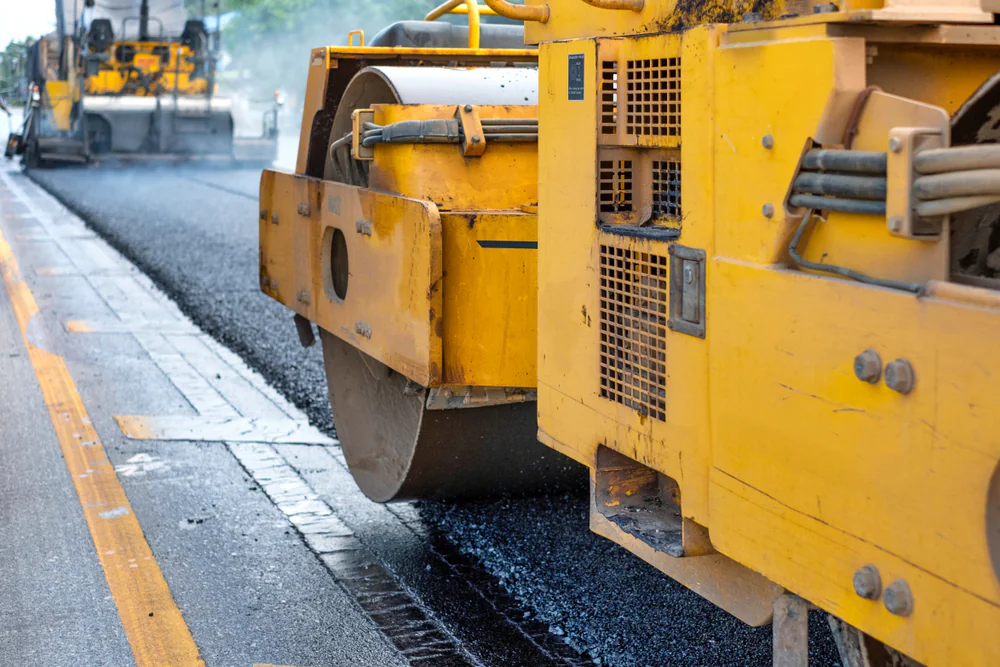
Most parking lot paving projects in TwinRivers take 2-5 days depending on size and complexity. New installations require more time for proper base preparation, while resurfacing existing lots typically finishes faster.
Weather conditions affect timing, especially during New Jersey’s winter months when temperatures need to stay above certain thresholds for proper asphalt curing. We schedule work to minimize disruption to your business operations, often working evenings or weekends for retail properties.
You’ll receive a realistic timeline upfront and regular updates throughout the project so you can plan accordingly. The goal is completing quality work efficiently without rushing critical steps like base preparation or proper compaction.
Resurfacing involves applying new asphalt over existing pavement when the base is still solid but the surface shows wear or cracking. This works when structural integrity remains intact and drainage functions properly.
Full replacement becomes necessary when damage reaches the base layer, causing widespread cracking, settling, or drainage failure. Signs include large potholes, extensive alligator cracking, or areas where the pavement has sunk or shifted significantly.
The assessment process determines which approach makes financial sense for your situation. Sometimes targeted repairs and resurfacing cost less than full replacement while delivering similar longevity, but attempting to resurface over a failed base wastes money and creates problems within a few years.
Proper drainage starts with site evaluation and grading that directs water away from the pavement and building foundations. Poor drainage causes premature cracking, potholes, and base failure that leads to expensive repairs.
The installation process includes grading for positive drainage, installing catch basins where needed, and ensuring water flows to appropriate discharge points. This prevents standing water that penetrates asphalt and causes freeze-thaw damage during New Jersey winters.
Addressing drainage during initial installation prevents most common pavement problems and significantly extends your parking lot’s lifespan. It’s much more cost-effective to handle drainage properly from the start than to retrofit solutions after damage occurs.
New parking lots need sealcoating every 3-5 years to protect against water infiltration, oil stains, and UV damage from sun exposure. This preventive maintenance dramatically extends asphalt life at relatively low cost.
Regular crack sealing addresses minor cracks before they allow water penetration and expand during freeze-thaw cycles. Prompt attention to small cracks prevents them from becoming major repairs or requiring full section replacement.
Routine maintenance also includes keeping catch basins clear of debris, removing oil stains promptly, and addressing any settling or edge deterioration quickly. Following a proactive maintenance schedule keeps your parking lot looking professional and prevents expensive emergency repairs.
Yes, all parking lot installations include ADA compliance requirements for accessible parking spaces, proper slopes, and safe pedestrian pathways. These aren’t optional—they’re required by law for commercial properties.
ADA-compliant installation includes designated accessible parking spaces with proper dimensions, access aisles, and signage placement. The pavement slopes must meet specific requirements to ensure wheelchair accessibility while maintaining proper drainage.
Compliance also covers pathway connections between accessible parking and building entrances, ensuring smooth transitions without barriers. Getting ADA requirements right during initial installation prevents costly modifications later and protects you from potential legal issues.
Parking lot paving costs depend on size, current condition, drainage requirements, and whether you need full replacement or resurfacing. Most projects range from $3-7 per square foot, with full replacement at the higher end.
Factors affecting price include base preparation requirements, drainage work, striping complexity, and accessibility features. Properties needing extensive drainage correction or base repair cost more upfront but prevent expensive problems later.
The best approach is getting a detailed assessment that identifies exactly what your property needs. This prevents surprises and ensures you’re comparing accurate quotes that address your specific situation rather than generic estimates that may not cover necessary work.
Other Services we provide in Twinrivers