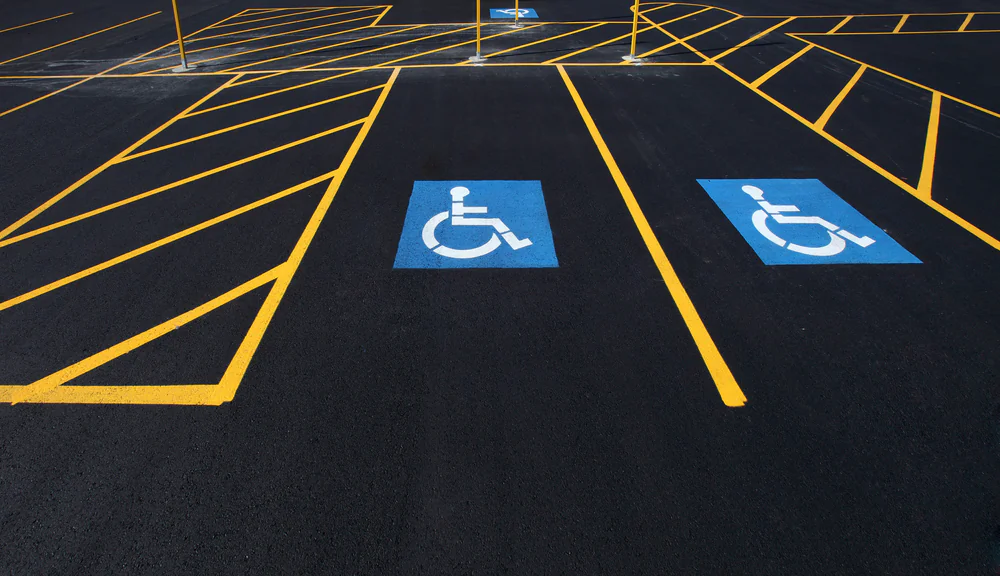
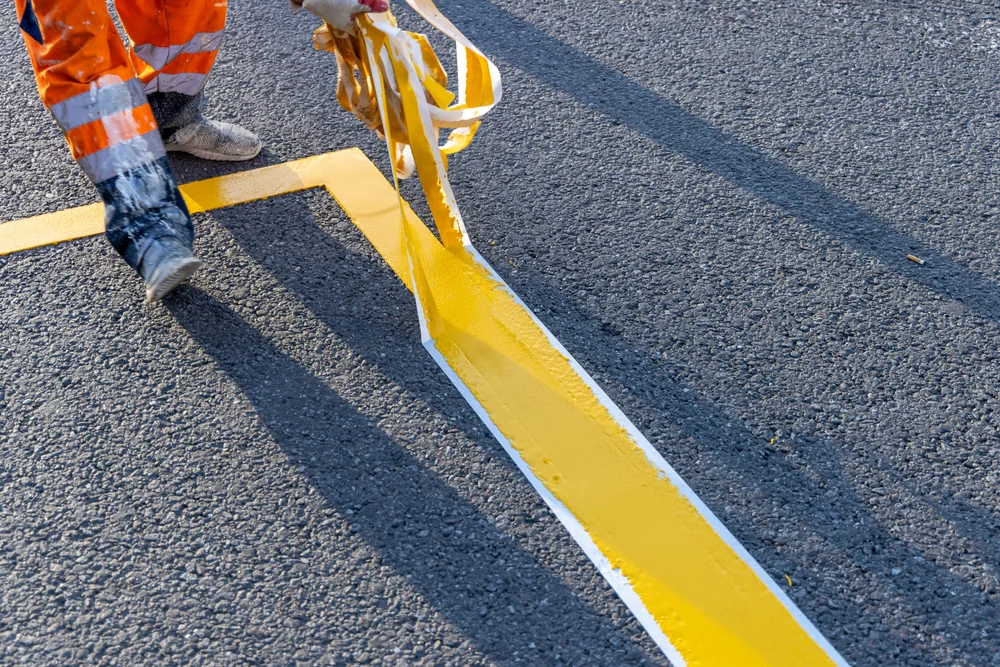
You need a parking lot that handles Pennsylvania winters without turning into a liability. One that doesn’t crack apart after two seasons or send customers elsewhere because it looks neglected.
That’s what proper paving installation gets you. A surface built on correct sub-base work, accurate grading, and the kind of attention that prevents the problems most property owners deal with year after year. No standing water. No premature deterioration. No constant patch jobs that never really fix anything.
When the work is done right from the start, you’re looking at a parking lot that protects your investment and keeps your property looking professional. The kind that actually makes it through freeze-thaw cycles without falling apart. That’s the difference between a paving contractor who knows what they’re doing and one who’s just trying to get to the next job.
We bring expertise that goes back to 1948. That’s not marketing talk—it’s actual family history in asphalt paving. The kind of knowledge that doesn’t come from a training manual.
Warminster Heights property owners deal with specific challenges. Heavy traffic on Street Road. Freeze-thaw cycles that destroy poorly installed asphalt. Properties that need real solutions, not quick fixes. We work on one job at a time because that’s how you maintain standards. Your project gets our full attention, whether it’s a small residential driveway or a commercial parking lot that needs complete reconstruction.
Five-star reviews on Angie’s List back up what local property owners already know. We treat every client the same way, regardless of project size. And if you’re a senior, military member, or first-time customer, there are discounts available because that matters to a family-run operation.
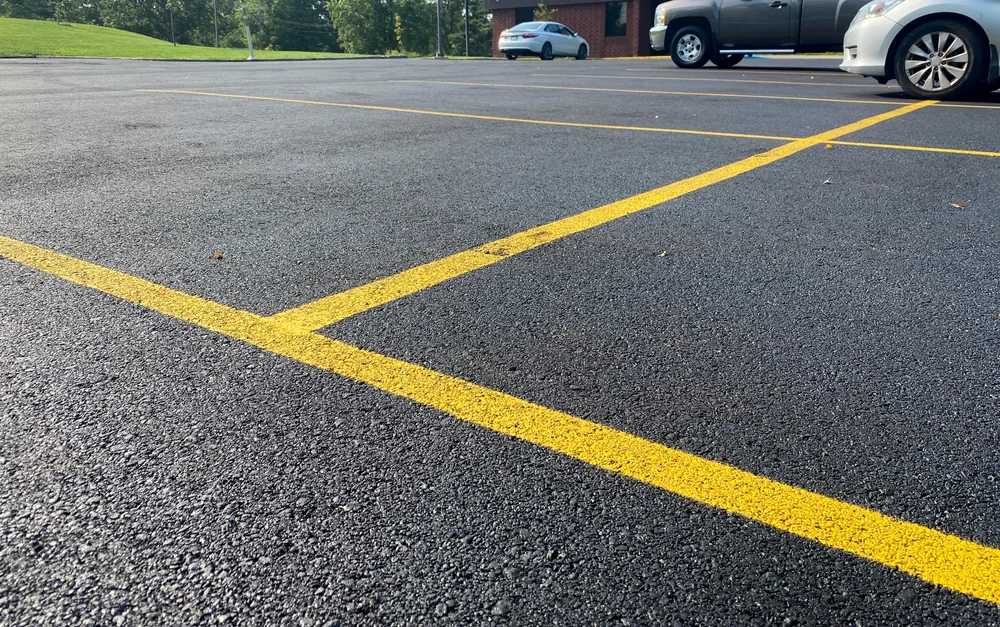
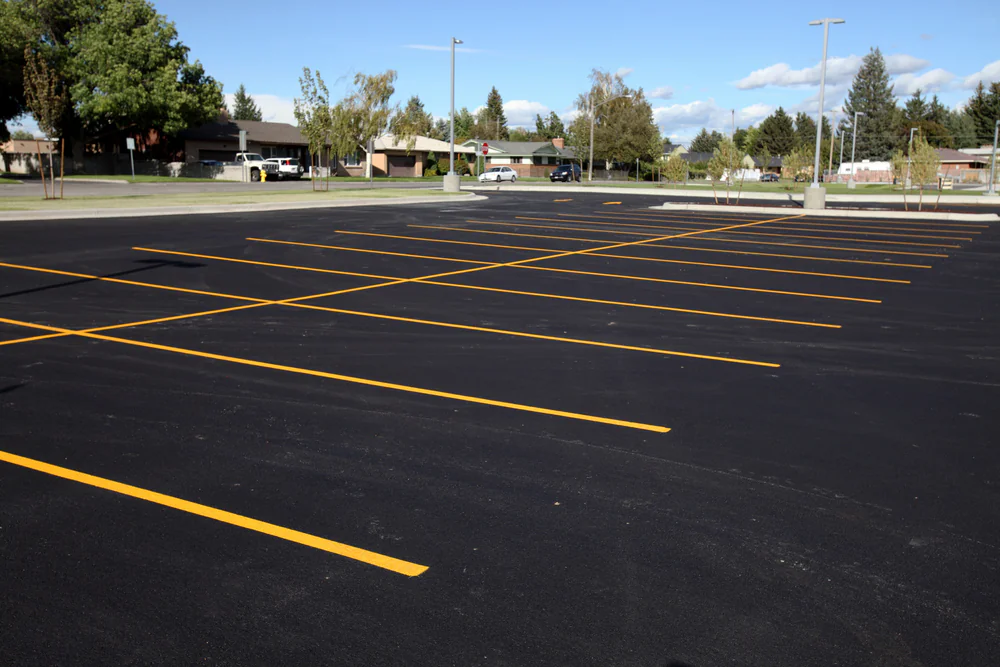
Real parking lot paving starts with an honest assessment of your property. Not a sales pitch—an actual evaluation of what your surface needs. We look at drainage issues, existing base conditions, and how your property is actually used.
Then comes the preparation work that most contractors rush through. Proper excavation. Correct sub-base placement. Grading that moves water away from your building instead of pooling it in low spots. This is where quality gets built in or shortcuts come back to haunt you.
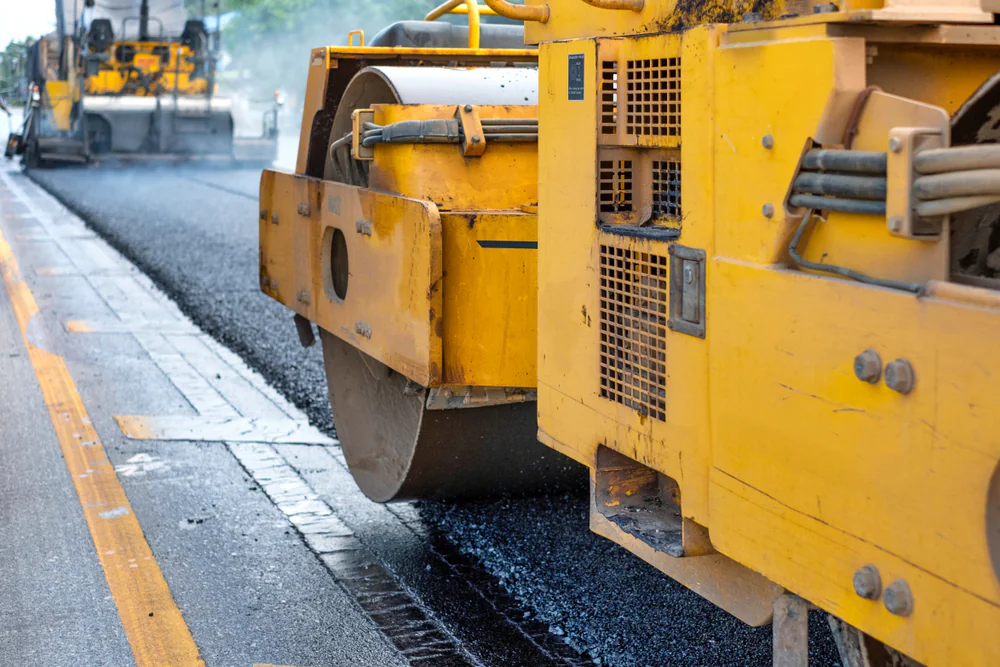
The asphalt installation itself requires precision—the right temperature, proper compaction, attention to thickness specifications. Then there’s the finishing work: clean edges, smooth transitions, proper slopes. Every detail handled by a crew that’s focused entirely on your job, not splitting time between three other projects.
You get clear communication throughout. Updates on scheduling, explanations of what’s happening, transparency about timeline. The kind of straightforward approach that comes from a company that’s been doing this for decades and plans to be around for decades more.
Ready to get started?
Parking lot paving in Warminster Heights means dealing with specific local conditions. Properties near the Warminster Community Park see different traffic patterns than commercial areas along Street Road. We customize solutions based on your actual needs, not a one-size-fits-all approach.
Services include complete parking lot installation for new construction, full reconstruction for lots that are beyond repair, and overlay work when the base is still solid. Water management solutions that prevent the drainage problems Pennsylvania weather creates. Grading work that sets up proper flow. Even industrial paving for facilities that need surfaces built to handle heavy equipment.
The Bucks County climate is tough on asphalt. Freeze-thaw cycles, heavy rain, summer heat—all of it breaks down poorly installed surfaces fast. That’s why proper installation matters more here than in milder climates. The base work has to be right. The compaction has to be thorough. The drainage has to actually work.
We handle residential driveways and commercial parking lots with the same level of care. Every project gets our crew’s full attention because that’s the only way to maintain the standards that have kept this family business going since 1948.
A correctly installed asphalt parking lot in Warminster Heights typically lasts 15 to 20 years with proper maintenance, though Pennsylvania’s freeze-thaw cycles can shorten that if the initial installation cuts corners. The lifespan depends heavily on three things: base preparation, installation quality, and ongoing maintenance.
Base preparation is everything. If the sub-base isn’t properly compacted or the grading doesn’t handle water correctly, you’ll see premature failure regardless of how good the asphalt itself is. Water is the enemy—it gets under the surface, freezes, expands, and destroys the pavement from below.
Installation quality means proper asphalt thickness for your use case, correct compaction, and installation at the right temperature. Maintenance means sealcoating every few years and addressing small cracks before they become big problems. Skip any of these, and you’re looking at replacement much sooner than you should be.
An overlay means installing new asphalt over your existing surface—it works when your base is still solid but the top layer is worn. Complete replacement means tearing everything out and starting fresh, which you need when the base has failed or there are serious structural issues.
Overlay costs less and takes less time, but it only works if your foundation is sound. If you’ve got widespread cracking, significant settling, or drainage problems, an overlay just covers up issues that will come right back through the new surface within a year or two.
Complete replacement costs more upfront but fixes underlying problems. You get proper grading, a correctly installed base, and a surface built to last. A good paving contractor will tell you honestly which approach makes sense for your property instead of just selling you whichever service has a better margin. The assessment should look at what’s actually happening below the surface, not just what’s visible on top.
Preventing drainage problems starts with proper grading during installation—the parking lot needs to slope away from buildings and toward drainage points at a rate of about 1-2% grade. Standing water destroys asphalt fast, especially in Pennsylvania where it freezes and thaws repeatedly.
The sub-base also plays a role. It needs to be compacted correctly so settling doesn’t create low spots where water pools. And you need functional drainage infrastructure—catch basins, drains, or proper runoff areas that actually move water off the property instead of just shifting it around.
In Warminster Heights, you’re dealing with clay-heavy soil in many areas, which doesn’t drain well naturally. That means the grading and drainage design matter even more than in areas with sandy, well-draining soil. A paving contractor familiar with local conditions knows to account for this instead of using a generic approach that works somewhere else but fails here.
Look for a contractor with verifiable local experience, not just claims about quality work. Check references from actual Warminster Heights or Bucks County projects. See if they can explain their process in specific terms—what base depth they’ll use, how they handle grading, what compaction standards they follow.
Ask about their approach to preparation work, not just the paving itself. The contractors who rush through base prep and grading are the ones whose parking lots fail early. You want someone who treats that foundation work as seriously as the asphalt installation.
Also pay attention to how they communicate. Do they give you straight answers or sales pitches? Will they explain why they recommend certain approaches? Can they show you examples of their completed work? A contractor who’s been around for decades and plans to stay in business isn’t going to cut corners that will come back as complaints. Look for that long-term perspective instead of the lowest bid from someone you’ll never be able to reach again when problems show up.
Sealcoating isn’t required, but it significantly extends your parking lot’s lifespan in Pennsylvania’s climate. It protects against UV damage, prevents water penetration, and creates a barrier against chemicals like de-icing salts that break down asphalt. Without it, you’re looking at faster deterioration and more frequent repairs.
The typical recommendation is sealcoating every 2-3 years after the initial installation has cured for 6-12 months. That schedule keeps the surface protected and maintains the appearance that customers and tenants notice. It’s preventive maintenance that costs far less than the repairs you’ll need if you skip it.
Pennsylvania winters are particularly hard on unsealed asphalt. Water gets into small cracks, freezes, expands, and turns minor surface issues into major structural problems. Sealcoating fills those small cracks and prevents that cycle from starting. Think of it as the difference between maintaining your investment and replacing it prematurely. The contractors who recommend against sealcoating are usually the ones who only do installation work and don’t want to be bothered with maintenance services.
The disruption level depends on your lot size and whether you’re doing overlay work or complete replacement, but a good contractor will work with you to minimize business impact. Many commercial paving projects in Warminster Heights get phased so part of the lot stays accessible while work happens in sections.
For a typical commercial parking lot overlay, expect 2-4 days of active work, though complete replacement takes longer because of excavation and base prep. The actual paving usually happens in one day once prep is complete. You’ll need to keep vehicles off the new surface for 24-48 hours while it cures enough for traffic.
The key is working with a paving contractor who understands that your business can’t just shut down for a week. They should be able to schedule work during off-hours if needed, phase the project to maintain access, and communicate clearly about timing so you can plan around it. Contractors who’ve done commercial work in busy areas know how to manage this. The ones who mainly do residential driveways often don’t think about operational needs and end up creating unnecessary problems.
Other Services we provide in Warminsterheights