Your parking lot isn’t just pavement. It’s the first thing customers see when they pull up to your business. It’s where water needs to drain properly instead of pooling into ice patches every winter. It’s an investment that should last decades, not just a few years before you’re dealing with parking lot repair costs from cracks and potholes.
When your parking lot is paved correctly, you stop worrying about liability issues from surface damage. You stop watching water collect in low spots after every rain. You get a smooth, professional surface that holds up through freeze-thaw cycles, summer heat, and the daily wear of vehicles coming and going.
The difference between a parking lot that lasts and one that fails early comes down to proper base preparation, correct grading for drainage, and quality materials installed by people who know what they’re doing. That’s what separates a solid investment from money wasted on repairs three years down the road.
We’ve been handling paving projects since 1948, bringing decades of hands-on expertise to every parking lot in West Amwell and throughout Hunterdon County. This isn’t a crew that treats your property like just another job on the schedule. We devote full attention to one project at a time, which means your parking lot gets the careful execution it deserves.
West Amwell properties face unique challenges—rural access, varied topography, and the same harsh New Jersey weather that destroys poorly installed asphalt within a few seasons. We understand these local conditions and build parking lots designed to handle them. Every project gets the same personalized approach, whether it’s a small business lot or a large commercial facility.
We’ve earned five-star reviews on Angie’s List by doing exactly what we say we’ll do: showing up on time, communicating clearly, and delivering quality work. That’s the reputation we’ve built, and it’s why property owners keep coming back.
The process starts with evaluating your property’s specific needs. Every parking lot has different drainage patterns, traffic loads, and existing conditions. We assess the current surface, identify problem areas like poor drainage or failing base material, and design a solution that addresses your property’s unique situation.
Next comes proper site preparation. If your existing parking lot has extensive cracking or drainage issues, milling removes the damaged surface layer. Our crew grades the base to ensure water flows away from buildings and doesn’t pool in low spots. This step matters more than most property owners realize—skip proper grading, and you’ll have water problems that destroy your new asphalt within years.
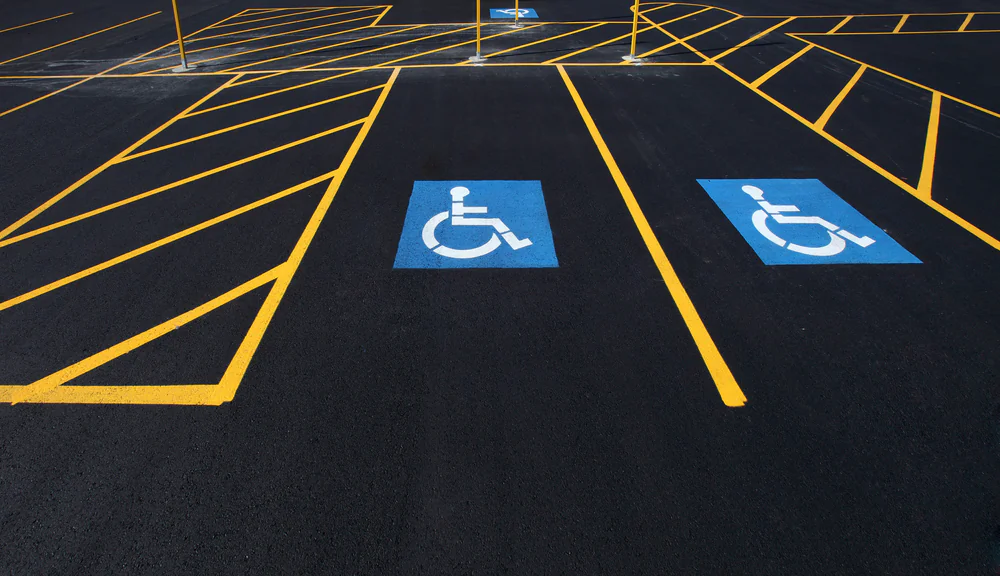
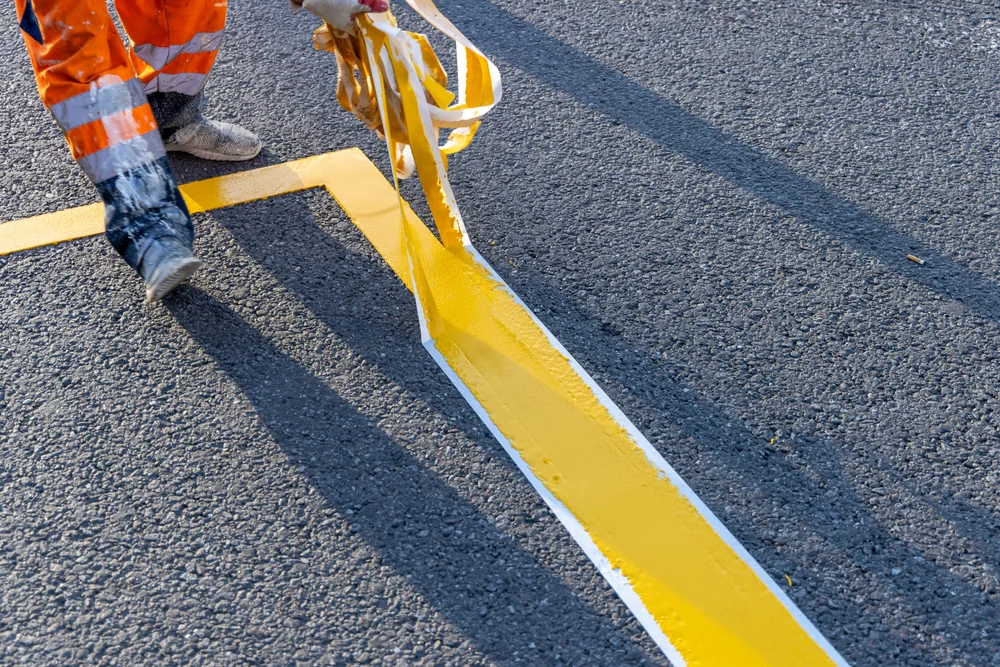
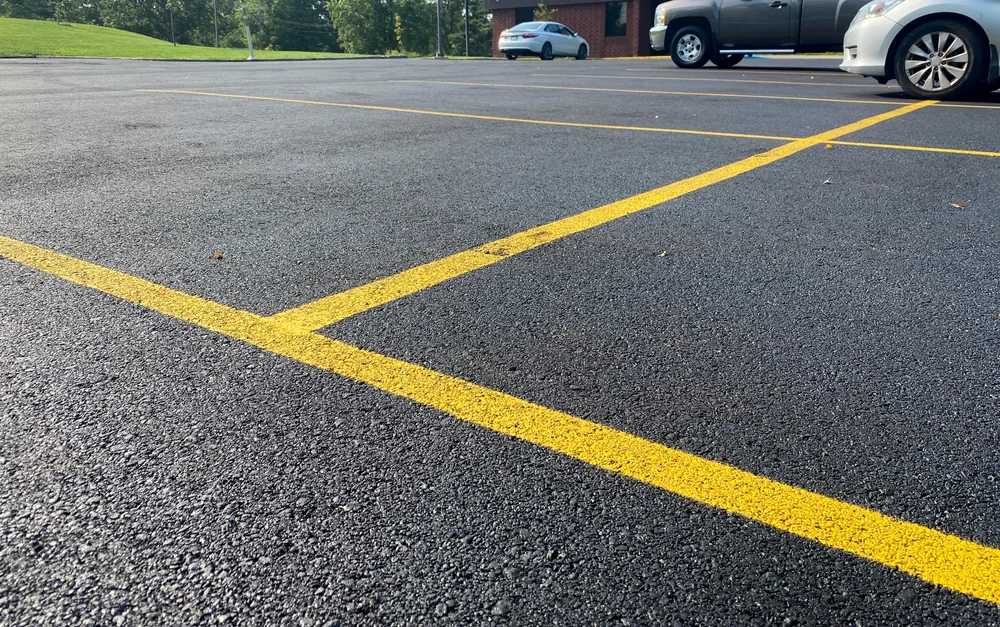
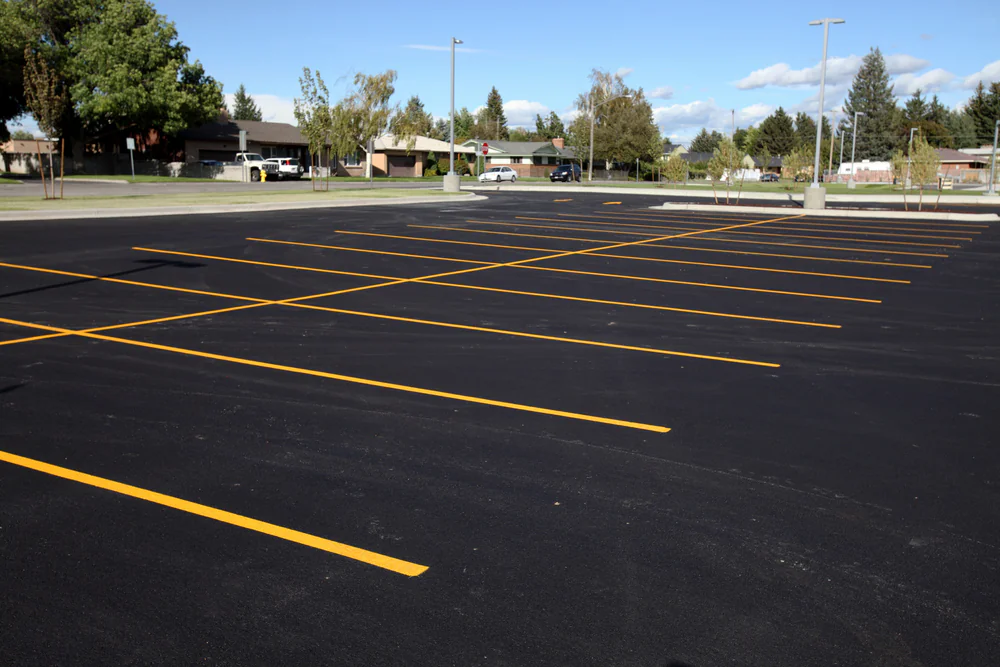
Then comes installation. Quality hot mix asphalt gets laid at the correct thickness for your traffic load, properly compacted, and finished with attention to transitions, edges, and slopes. We handle one job at a time, so your project gets our complete focus until it’s finished right. After paving, line striping and any necessary concrete work complete the job, leaving you with a parking lot that looks professional and functions properly from day one.
Ready to get started?
Parking lot paving in West Amwell means dealing with specific local conditions. Properties here face everything from flat commercial sites to sloped terrain that requires careful grading. We handle the full scope: removing old asphalt when necessary, fixing drainage problems that cause premature failure, installing proper base material, and applying an asphalt overlay or full-depth paving designed to withstand New Jersey’s freeze-thaw cycles.
The service includes custom drainage solutions for properties with water management challenges. Standing water is one of the fastest ways to destroy asphalt, and many West Amwell properties need strategic grading or additional drainage work to prevent pooling. We also address issues like alligator cracking by installing geotextile fabric that reinforces the new surface and prevents old problems from returning.
For commercial properties, we work around your business schedule to minimize disruption. Projects get planned to keep operations running, with strategic phasing when necessary. You also get transparent communication throughout—no surprises, no disappearing for days, just clear updates on progress and timeline. We offer specialized discounts for seniors, military members, and first-time customers, making quality paving more accessible regardless of budget.
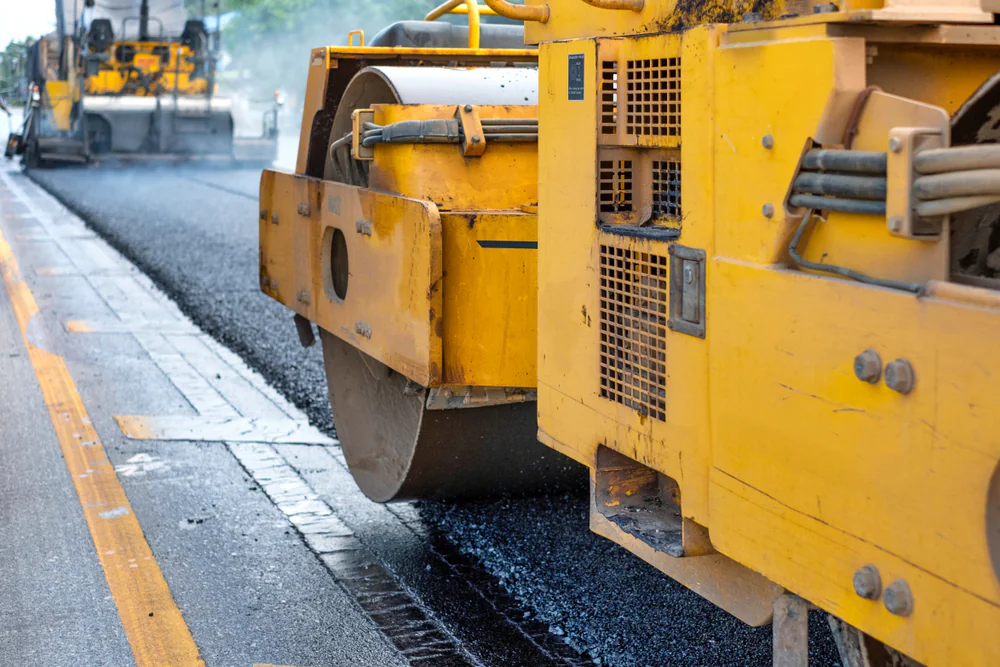
Parking lot paving costs in West Amwell typically range from $3 to $7 per square foot, depending on your property’s specific conditions. A simple overlay on a parking lot with good drainage and minimal damage costs less than a full-depth reconstruction with drainage corrections.
Several factors affect your final cost. If your existing parking lot has extensive cracking or poor drainage, you’ll need milling to remove damaged surface layers, which adds $0.25 to $0.60 per square foot. Properties with standing water problems need grading work to fix drainage before paving, and that cost varies based on severity. Larger parking lots benefit from economies of scale—a 50,000 square foot lot costs less per square foot than a 5,000 square foot lot because our crew’s capacity is better utilized.
The best way to get an accurate number is to have your property evaluated. We provide transparent quotes that break down exactly what you’re paying for—no hidden fees or surprise charges after work starts. Our philosophy is straightforward pricing based on what your property actually needs, not upselling services you don’t.
A properly installed asphalt parking lot in West Amwell should last 20 to 25 years, sometimes longer with good maintenance. The key word there is “properly installed”—shortcuts during installation can cut that lifespan in half.
Longevity depends on three critical factors: base preparation, drainage, and material quality. If the base isn’t properly compacted or graded, the asphalt above it will fail prematurely no matter how good the surface layer is. If water pools on the surface or infiltrates from below, freeze-thaw cycles will destroy the pavement within years. And if the asphalt mix isn’t appropriate for commercial traffic loads, you’ll see premature rutting and cracking.
Maintenance extends lifespan significantly. Sealcoating every 2 to 3 years protects the surface from UV damage and water infiltration. Crack filling prevents small issues from becoming major problems. Property owners who invest in regular maintenance often see their parking lots last 30 years or more. Those who skip maintenance might need major repairs or replacement within 10 to 15 years. The upfront investment in quality installation pays for itself many times over through decades of reliable performance.
Poor drainage is the number one cause of premature parking lot failure in New Jersey. When water pools on the surface or doesn’t drain away from the pavement, it infiltrates through cracks and gets into the base material. During winter, that water freezes and expands, breaking apart the asphalt from below. You see this as alligator cracking, potholes, and sections that sink or heave.
New Jersey’s freeze-thaw cycles make drainage problems especially destructive. The state experiences multiple freeze-thaw events each winter, and each cycle damages asphalt that has water trapped in or below it. Properties with improper grading, low spots, or inadequate drainage systems suffer the most damage. That’s why proper site evaluation and grading work matter so much—they prevent the water infiltration that causes most failures.
The second major cause is inadequate base preparation. If the base material isn’t properly compacted or if the wrong thickness is used for the traffic load, the parking lot will fail under stress. Commercial properties with heavy truck traffic need thicker base material than light-duty residential parking areas. Skipping proper base work to save money upfront just means expensive repairs within a few years. We evaluate your property’s specific needs and build the base correctly the first time.
Asphalt is the better choice for parking lots in West Amwell and throughout New Jersey. Concrete costs nearly twice as much per square foot—typically $6 to $7 compared to asphalt’s $3 to $4—and it performs worse in New Jersey’s climate.
Concrete cracks and heaves more easily during freeze-thaw cycles. When water gets into concrete and freezes, the expansion creates cracks that are difficult and expensive to repair. Salt used for ice melting also damages concrete, creating pits and surface deterioration. Asphalt is more flexible, so it handles freeze-thaw cycles better without cracking. When asphalt does need repairs, they’re easier to blend seamlessly with the existing surface.
Asphalt also gets you back in service faster. Concrete requires days to cure before you can drive on it, while asphalt is ready for traffic within hours of installation. For commercial properties that can’t afford extended closures, that quick turnaround matters. The combination of lower cost, better climate performance, easier repairs, and faster installation makes asphalt the practical choice for New Jersey parking lots. Properly installed and maintained asphalt parking lots routinely last 20 to 25 years or more, delivering excellent value for the investment.
Start by looking for contractors with a proven track record in your area. Companies that have been serving West Amwell and Hunterdon County for years have reputations they need to protect. Check verified reviews on platforms like Angie’s List, and ask for references from commercial projects similar to yours. A contractor who’s been in business since 1948, like us, has survived because we consistently deliver quality work.
Pay attention to how contractors communicate during the estimate process. Reliable contractors take time to evaluate your property, explain what work is actually needed, and provide detailed written quotes. They should break down costs clearly—milling, base work, paving, drainage corrections—so you understand exactly what you’re paying for. Be wary of contractors who give vague estimates, pressure you to decide immediately, or quote prices that seem too good to be true.
Ask about their process and crew structure. Quality contractors dedicate their full crew to one project at a time instead of bouncing between multiple jobs. They should explain how they’ll handle drainage, what thickness of asphalt they’ll install for your traffic load, and how they’ll minimize disruption to your business. Contractors who treat every client like their top priority, provide clear project updates, and stand behind their work are the ones worth hiring. The lowest bid often comes from corners being cut—choose based on reputation, transparency, and proven expertise instead.
Parking lot paving should be avoided during winter months in New Jersey. Asphalt needs warm temperatures to be installed properly—both the air temperature and the ground temperature matter. When temperatures drop below 50 degrees Fahrenheit, asphalt cools too quickly during installation and doesn’t compact properly. This creates a weaker surface that’s more prone to premature failure.
The ideal paving season in New Jersey runs from April through October. During these months, temperatures are warm enough for proper installation, materials are readily available from asphalt plants, and contractors can complete projects efficiently. Emergency winter repairs can be done when absolutely necessary, but they cost 30 to 50 percent more than scheduled work and don’t perform as well long-term.
If you’re planning a parking lot paving project, schedule it during the warmer months. Spring and fall often offer better availability than summer, which is peak season when contractors are busiest and prices may be higher. Planning ahead gives you better scheduling options, potentially lower costs, and ensures the work gets done under optimal conditions. We work with property owners to schedule projects during the right weather window, ensuring quality installation that will last for decades.
Other Services we provide in Westamwell