Your parking lot does more than provide spaces. It’s the first thing customers see when they pull in, and the last thing they remember when they leave. Cracks, fading, and potholes don’t just look bad—they tell people you’re not paying attention.
A properly installed asphalt parking lot handles the load. It drains water where it should go. It holds up through New Jersey winters without turning into a minefield of potholes every spring. And when it’s done right, it lasts 20 to 30 years without needing constant patching.
That’s what you get when the paving installation is done correctly from the start—proper grading, the right materials, and a crew that knows the difference between fast and thorough. You’re not just paving over dirt. You’re building a surface that supports your business day after day, season after season.
We’ve been in the paving business since 1948. That’s not a typo. Three generations of hands-on experience across residential driveways, commercial parking lots, and industrial projects throughout Mercer County and beyond.
We operate differently than most. One job at a time. Full crew attention on your project until it’s finished. No juggling multiple sites, no rushing off to the next bid. Our philosophy is simple: treat every client like the top client, and find solutions that actually fit the property—not just what’s easiest to install.
West Windsor properties face specific challenges. Drainage issues from heavy rain. Freeze-thaw cycles that crack inferior work by spring. Soil conditions that require proper grading. We know this area, understand the local codes, and have seen what works and what fails over time.
First, the site gets evaluated. Not just measured—actually assessed for drainage patterns, soil stability, and how the property will be used. A parking lot for delivery trucks needs different engineering than one for passenger cars.
Next comes preparation. The existing surface gets removed if necessary. The base gets graded properly so water flows away from buildings and doesn’t pool in low spots. Proper compaction happens at this stage. This step determines whether your asphalt lasts 10 years or 30.
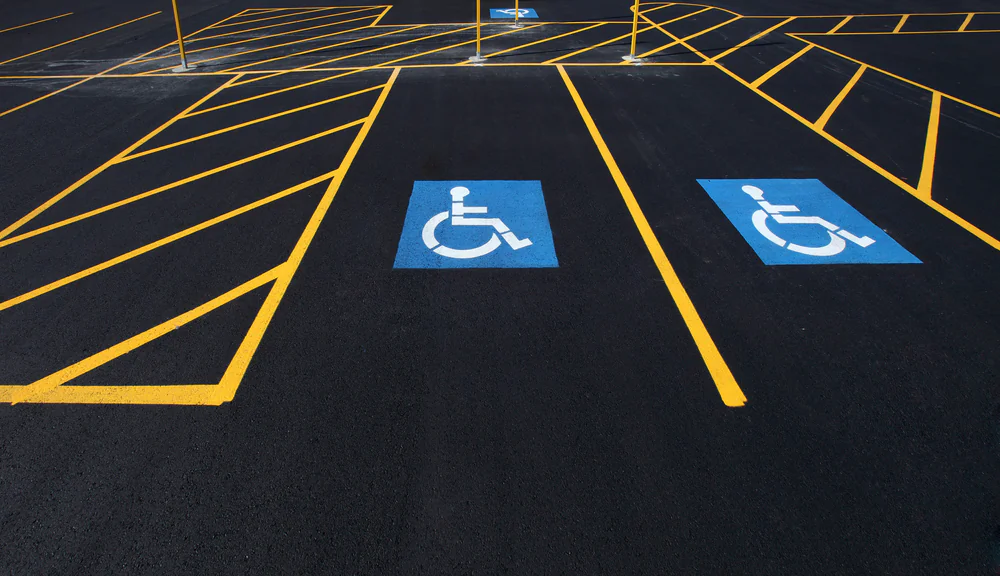
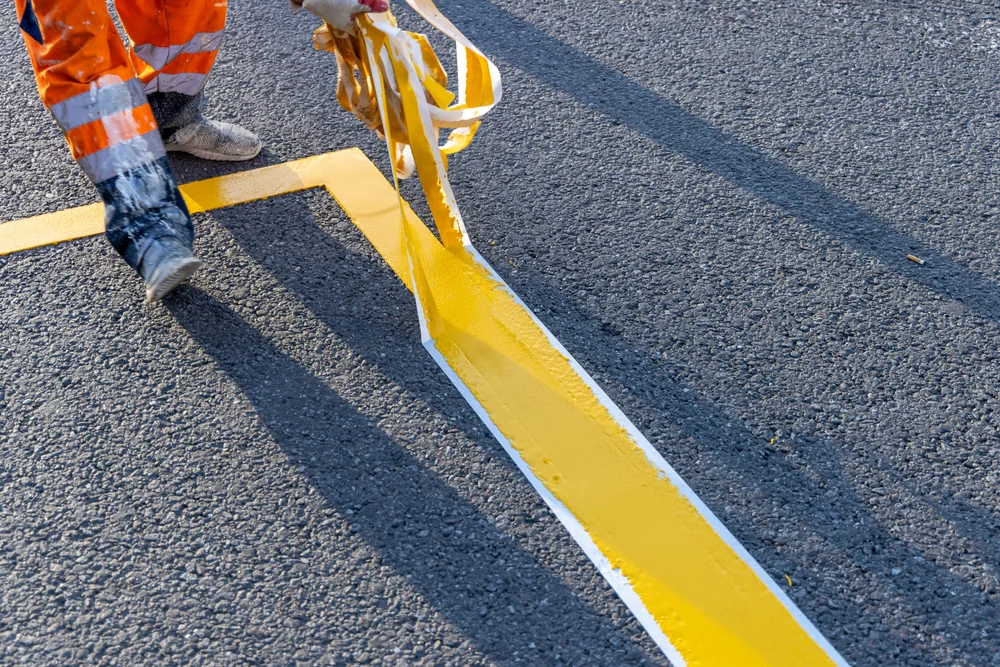
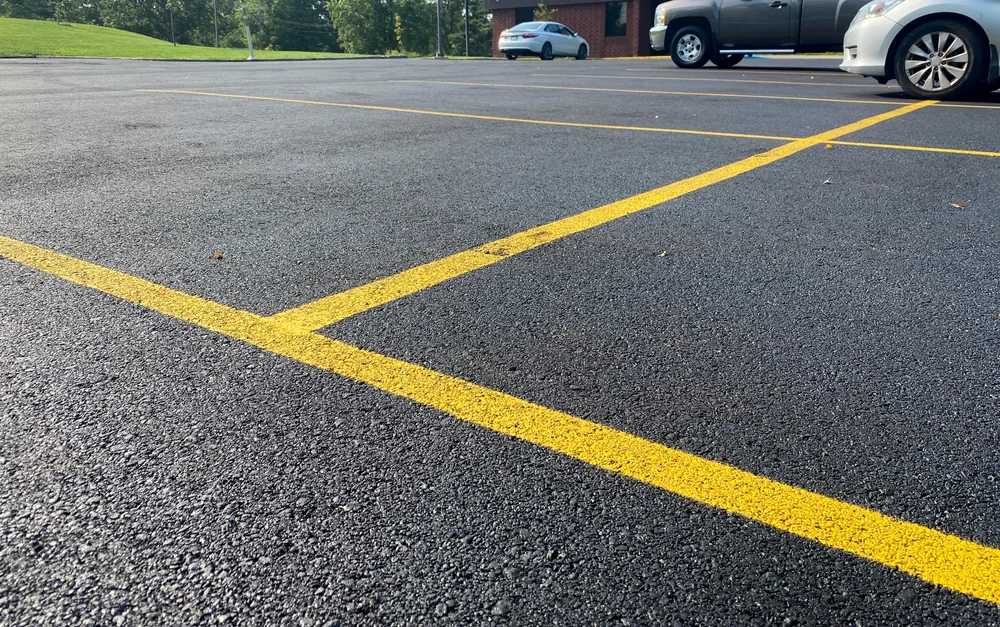
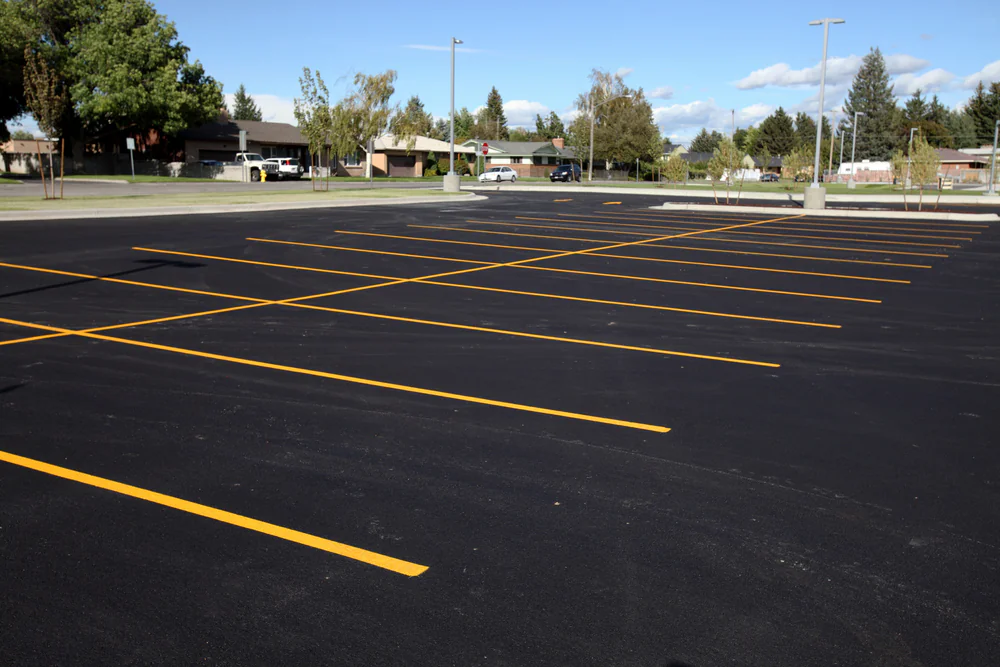
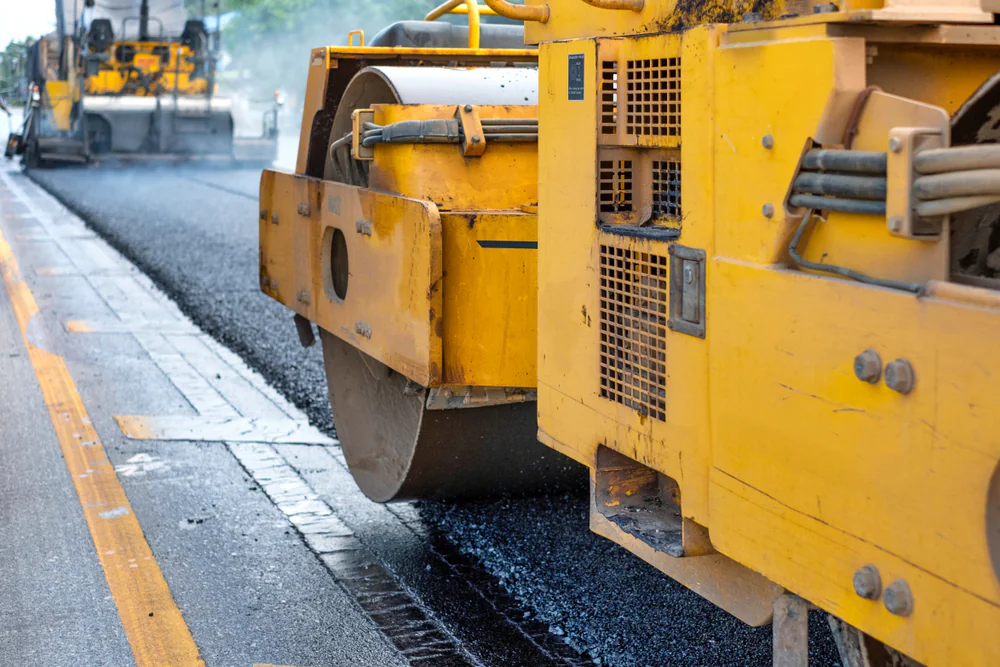
Then the asphalt goes down. The right mix for the application, installed at the correct temperature, compacted to the proper density. Edges get sealed. Transitions get smoothed. Details matter here because they’re what fail first when shortcuts get taken. Finally, striping and finishing wrap up the job with clear markings that meet ADA requirements.
Ready to get started?
Parking lot paving in West Windsor means dealing with specific local conditions. The area’s commercial properties—from retail centers to office complexes—need surfaces that handle consistent traffic without breaking down. Residential communities need driveways and private roads that hold up to daily use and New Jersey weather.
Proper paving installation includes site grading to prevent water damage, which is one of the biggest threats to asphalt longevity. West Windsor gets its share of rain, and water that doesn’t drain properly seeps into cracks, expands during freeze cycles, and creates the potholes you’ll be patching every spring.
Our service also covers resurfacing existing lots that aren’t too far gone. If your parking lot has surface wear but the base is still solid, an overlay can add another 10 to 15 years of life at a fraction of replacement cost. For commercial properties in West Windsor, parking lot appearance directly affects business. Faded striping and cracked pavement don’t just look unprofessional—they create liability concerns and drive customers to competitors.
A properly installed asphalt parking lot lasts 20 to 30 years in this area. That’s what happens when the installation is done right and you keep up with basic maintenance.
The lifespan depends on a few things. First, the quality of installation matters more than anything else. Proper base preparation, correct grading for drainage, and the right asphalt mix determine whether you’re looking at 15 years or 30. Second, New Jersey weather takes a toll. Freeze-thaw cycles, heavy rain, and temperature swings all stress the pavement.
Most parking lots need their first sealcoating around year five or six, then every few years after that. Cracks should get filled as they appear, not when they’ve spread into bigger problems. Neglect the maintenance and even a well-built lot starts falling apart by year 10.
It depends on how much of the surface is damaged and what’s happening underneath. If you’re looking at cracks and surface wear across less than 25% of the lot, and the base is still solid, repairs or resurfacing make sense. If more than a third of the surface needs work, or if you’re seeing structural issues, replacement is usually more cost-effective long-term.
Surface cracks and minor potholes can be patched and sealed. Fading and wear can be addressed with an overlay. But if you’re seeing alligator cracking, major settling, or drainage problems that cause persistent pooling, those are signs the whole system needs rebuilding.
The age of the lot matters too. If your parking lot is pushing 20 years old and needs significant work, you’re often better off replacing it rather than pouring money into repairs that buy you another year or two.
It starts with site assessment and planning. We evaluate drainage, measure the area, check soil conditions, and determine how the lot will be used. This affects everything from base depth to asphalt thickness.
Next is base preparation, which is the most critical phase. The subgrade gets graded to create proper drainage slopes. The base material gets spread and compacted in layers. This foundation determines whether your parking lot lasts or fails.
Then the asphalt installation happens. Hot mix asphalt gets delivered, spread to the correct thickness, and compacted while it’s still hot. Edges get sealed, transitions get smoothed, and the surface gets rolled to proper density. After the asphalt cures—usually 24 to 48 hours—striping goes down with parking spaces, traffic arrows, and handicap markings according to local codes.
Costs vary based on size, condition, and what needs to happen. A straightforward overlay on a parking lot with a solid base costs less than a complete tear-out and rebuild. Drainage work, base repair, and site complications add to the price.
Small repairs and crack sealing are the most affordable option when caught early. Resurfacing or overlay work costs more but extends life significantly when the base is still good. Full replacement is the biggest investment but gives you a brand new parking lot with a fresh 20-to-30-year lifespan.
The best approach is getting an on-site evaluation. We actually look at your property, ask about usage patterns, and check drainage to give you an accurate estimate instead of a guess over the phone. Be wary of prices that seem too good—they usually mean shortcuts in base prep or thinner asphalt that won’t hold up.
The first six months, you don’t need to do much beyond keeping it clean. New asphalt needs time to cure fully before sealcoating. After that, maintenance focuses on preventing small problems from becoming big ones.
Sealcoating should happen every two to four years depending on traffic and weather exposure. It protects against water penetration, UV damage, and oil spills. Crack filling should happen as soon as you notice cracks forming—small cracks are cheap and easy to fill, but they let water in if ignored.
Keep the surface clean. Standing water indicates drainage problems that should get addressed before they cause structural damage. Repair potholes immediately rather than letting them grow. Regular maintenance costs far less than premature replacement. A well-maintained parking lot in West Windsor easily hits that 25-to-30-year lifespan.
It’s the freeze-thaw cycle. Water gets into small cracks in the asphalt. When temperatures drop below freezing, that water expands as it turns to ice. The expansion forces cracks wider and pushes up on the asphalt. Then it thaws, the water drains deeper, and the cycle repeats.
Each freeze-thaw cycle makes cracks bigger. What starts as a hairline crack in fall becomes a pothole by spring. This is why crack sealing before winter is so important in New Jersey—you’re keeping water out of places where it can do damage.
Salt and de-icing chemicals make it worse. They accelerate the deterioration of asphalt and can weaken the binder that holds everything together. The solution is proper installation that accounts for New Jersey weather, plus proactive maintenance. Good drainage so water doesn’t pool. Crack sealing before winter. Sealcoating to protect the surface. You can’t prevent winter, but you can build and maintain asphalt that handles it without falling apart.
Other Services we provide in Westwindsor