
You’re not looking for the cheapest option. You’re looking for asphalt that doesn’t become a maintenance headache two winters from now.
When parking lot paving is done right, you get years of reliable service without constant patching or resurfacing. The asphalt stays smooth, water flows where it should, and you’re not dealing with liability concerns from potholes or uneven surfaces.
That comes down to three things: proper base preparation, quality materials, and installation that accounts for your property’s specific drainage and traffic patterns. Cut corners on any of those, and you’ll be calling someone back within a few years to fix what should have been done correctly from the start.
We’ve been handling paving installation for commercial and residential properties throughout WhiteHorse and Hamilton Township for years, with industry roots going back to 1948. We focus on one project at a time—whether it’s a commercial parking lot or residential paving for a multi-unit property.
That means our full crew is focused on your job, not split between three other sites. It means we’re involved, communication is direct, and quality control is consistent from start to finish.
WhiteHorse sits in an area where New Jersey’s freeze-thaw cycles and drainage challenges can wreck poorly installed asphalt within a few seasons. We approach every parking lot with that reality in mind—proper grading, adequate base depth, and attention to water management that prevents the problems other contractors leave behind.
First, the existing surface gets removed if you’re replacing old asphalt. That includes hauling away debris and inspecting the base for soft spots or drainage issues that need addressing before new material goes down.
Next comes grading and base preparation. This is where most contractors either get it right or set you up for problems. The base needs proper compaction and slope to handle water runoff. If your property has drainage challenges, this is when solutions get built in—not patched later.
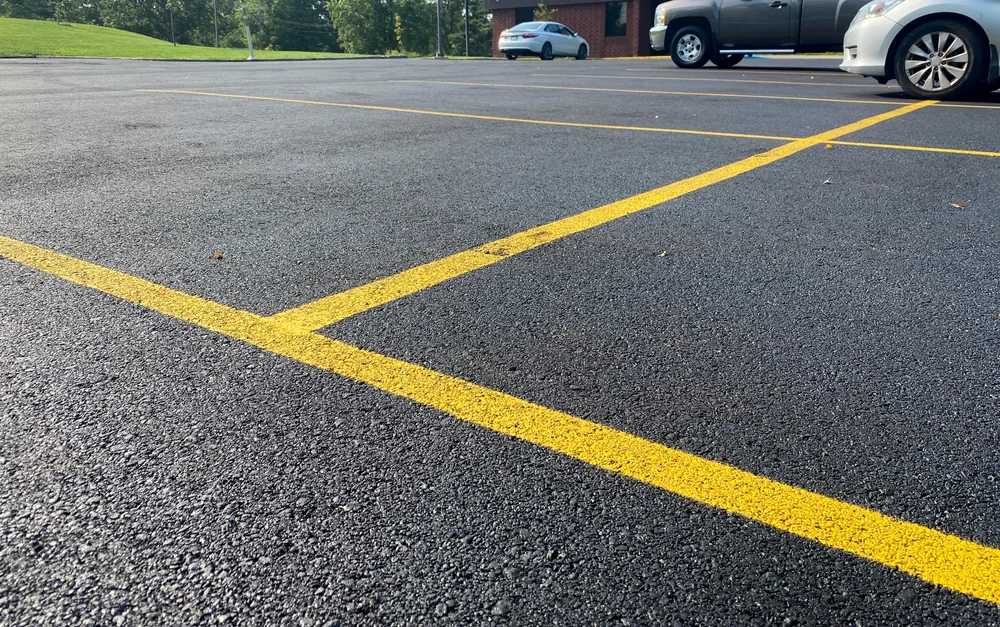
Then the asphalt gets installed in layers, compacted to proper density, and finished to spec. Edges are clean, transitions are smooth, and the surface is ready for striping once it cures. You’re not left guessing about timeline or next steps—communication stays clear from site prep through final walkthrough.
Ready to get started?
Parking lot paving in WhiteHorse, NJ means dealing with specific local conditions. Properties here face heavy seasonal temperature swings, significant rainfall, and soil conditions that can shift if not properly addressed during base work.
A complete asphalt paving installation includes site evaluation to identify drainage concerns, removal and disposal of old materials, base grading and compaction, asphalt installation at appropriate thickness for your traffic load, and final grading to ensure water moves away from buildings and doesn’t pool on the surface.
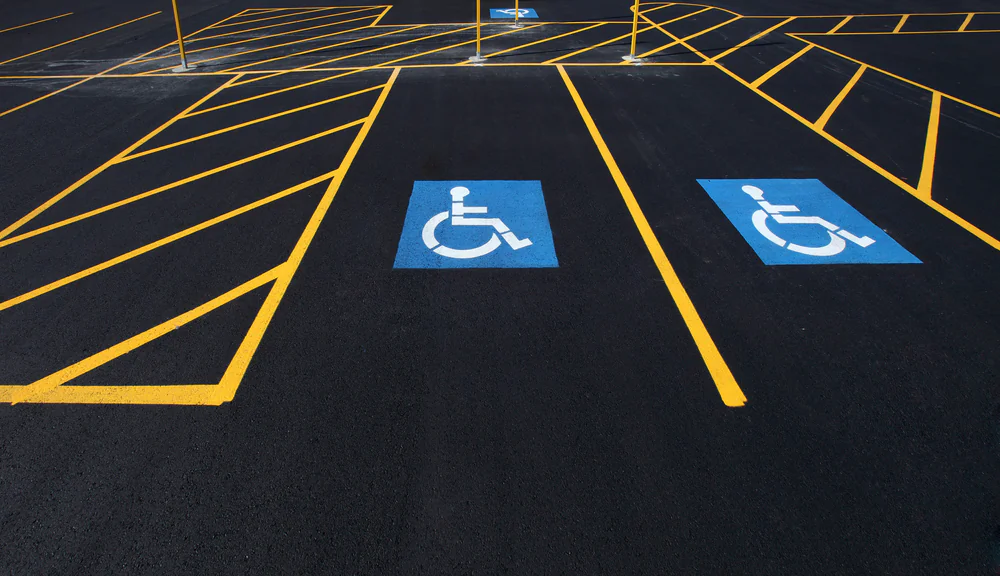
For commercial properties, that often includes coordination around your business hours to minimize disruption, traffic management during the project, and attention to ADA compliance for parking layout and accessibility. Residential paving follows the same quality standards—whether it’s a small driveway or a larger parking area for a multi-unit property.
The goal is a finished surface that looks professional, performs reliably, and doesn’t require constant maintenance because the fundamentals were handled correctly from the beginning.
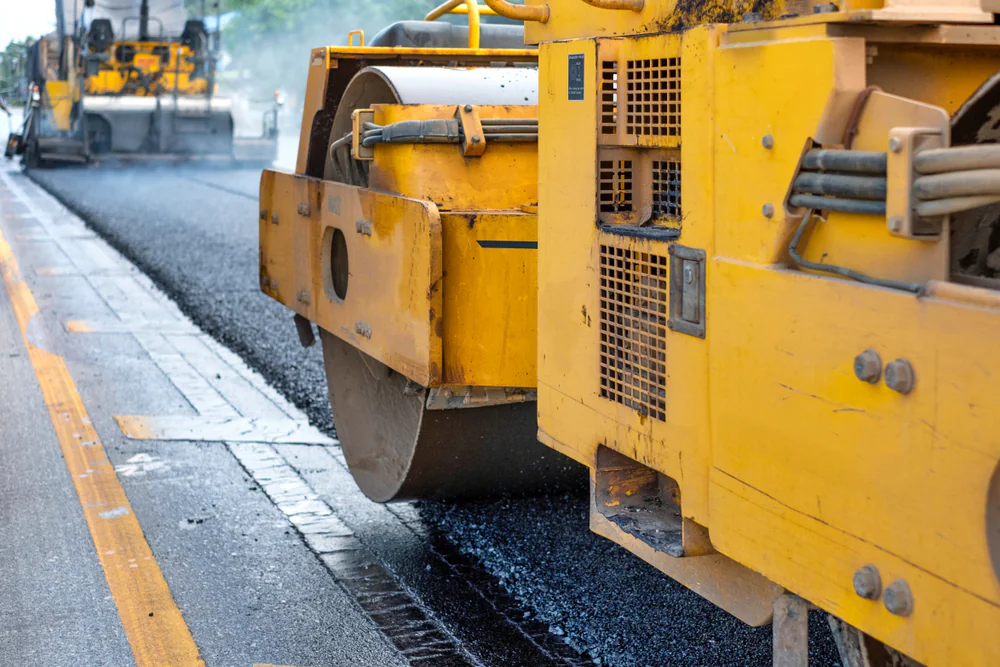
Most parking lot paving projects in WhiteHorse take between three to seven days, depending on size and complexity. A small commercial lot might be done in two to three days. Larger properties with significant grading or drainage work can take a week or more.
Weather plays a role. Asphalt needs dry conditions and temperatures above 50 degrees for proper installation. If rain is forecasted or temperatures drop, the project gets paused rather than rushed through poor conditions. You’ll get a realistic timeline upfront based on your specific property, and most businesses can resume normal operations within 24 to 48 hours after the asphalt is laid.
The difference shows up in the base. Cheap paving skips proper excavation, uses insufficient base material, or doesn’t compact correctly. That saves time and money upfront but leads to settling, cracking, and drainage problems within a few years.
Quality paving installation starts with adequate base depth—typically six to eight inches of compacted aggregate for parking lots, more for areas with heavy truck traffic. The base gets graded for proper drainage and compacted in layers to prevent settling.
The asphalt itself also varies. Commercial-grade mixes designed for parking lot traffic cost more than residential mixes, but they hold up better under the load. Thickness matters too—two to three inches is standard for most parking lots, but high-traffic areas may need more. You’re not just paying for asphalt. You’re paying for a process that prevents problems and extends the life of your investment.
If your parking lot has widespread cracking, multiple potholes, or areas where the surface is breaking apart, you’re likely looking at replacement. Resurfacing only works when the existing base is still solid and the damage is mostly surface-level.
Check for alligator cracking—that web-like pattern of interconnected cracks. That’s a sign the base has failed, and resurfacing won’t fix it. Same with areas that sink or hold water. Those indicate base problems that need to be addressed with full removal and reconstruction.
Surface cracks, minor wear, and fading can often be handled with resurfacing, which involves adding a new layer of asphalt over the existing surface. An honest paving contractor will assess your lot and tell you which approach makes sense. Pushing resurfacing when replacement is needed just sets you up to spend money twice.
Parking lot paving costs in WhiteHorse typically range from three to seven dollars per square foot for complete installation, depending on site conditions, base work required, and asphalt thickness. A 10,000-square-foot parking lot might run between thirty thousand and seventy thousand dollars.
That’s a wide range because every property is different. If your lot has drainage issues, needs significant grading, or requires removal of old asphalt and base material, costs go up. Simple overlay projects on solid existing bases cost less.
Be cautious of quotes that seem too good to be true. Low bids often mean thin asphalt, inadequate base prep, or corners cut on compaction. You’ll pay less now but face repairs sooner. Get a detailed breakdown of what’s included—base depth, asphalt thickness, grading work, and materials. That lets you compare apples to apples instead of guessing why one bid is half the price of another.
Absolutely. New Jersey’s freeze-thaw cycles are tough on asphalt. Water seeps into small cracks, freezes, expands, and makes those cracks bigger. Over time, that breaks down the surface and damages the base underneath.
Proper installation accounts for this. That means adequate base depth to prevent frost heaving, correct asphalt thickness to resist cracking, and grading that moves water off the surface quickly so it doesn’t sit and seep in.
Maintenance also matters. Sealcoating every few years protects the surface from water infiltration and UV damage. Filling cracks when they’re small prevents them from spreading. Asphalt installed correctly in WhiteHorse can last twenty to thirty years with proper maintenance. Poorly installed asphalt might need major repairs within five to ten years, even with maintenance, because the foundation wasn’t right from the start.
Yes. Most commercial paving projects can be scheduled to reduce impact on your operations. That might mean working evenings or weekends, staging the project in phases so part of your lot stays accessible, or coordinating with your busiest days to avoid them.
The approach depends on your property layout and business needs. Some retail centers need certain entrances kept open. Some industrial sites can shut down a section at a time but need truck access maintained. Office complexes might prefer work during business hours when most employees are inside.
You’ll discuss scheduling during the initial consultation. The goal is getting quality work done without unnecessarily disrupting your customers or operations. That takes planning and communication, but it’s a standard part of commercial paving for contractors who understand that your business doesn’t stop just because your parking lot needs work.
Other Services we provide in Whitehorse