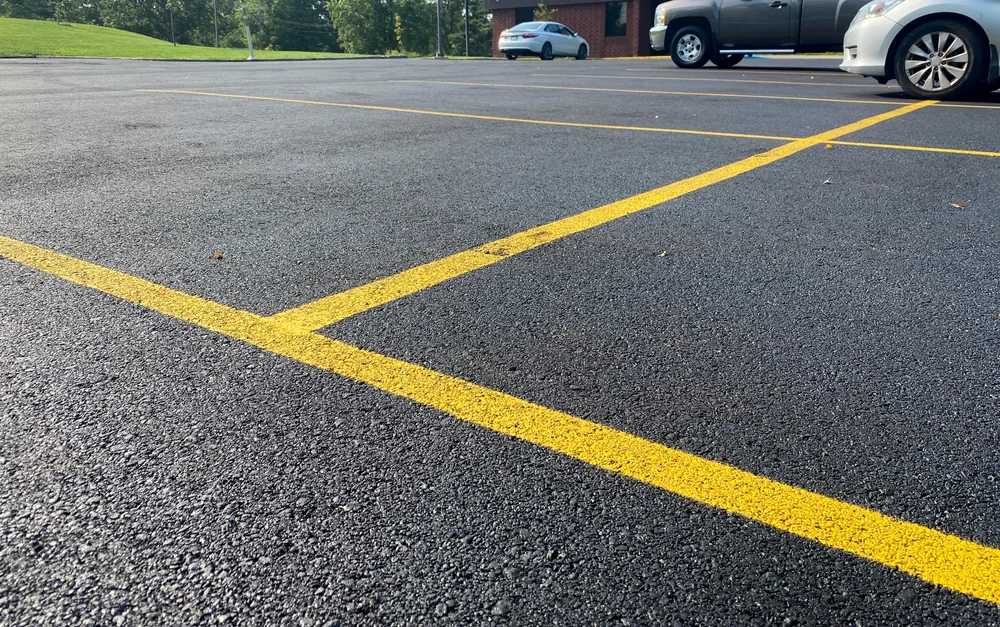
A smooth lot isn’t just about looks. It’s about avoiding the call three months later because water’s pooling in the wrong spots or cracks are already showing up.
When your parking lot is installed right, you’re not patching potholes every spring. You’re not worrying about customers tripping or employees complaining. You’re not dealing with standing water that turns into black ice the second temperatures drop.
You get a surface that drains properly, holds up under pressure, and keeps doing its job year after year. That’s what happens when the base is solid, the slope is correct, and the asphalt is applied by people who know what Pennsylvania weather does to pavement. Your property looks professional. Your liability concerns drop. And you can focus on running your business instead of babysitting your parking lot.
We’ve been in the paving business since 1948. That’s 75+ years of watching trends come and go, learning what actually works in Bucks County, and building a reputation one driveway and parking lot at a time.
We’re not the crew that shows up, slaps down some asphalt, and disappears before you notice the problems. We work on one job at a time because that’s how you deliver quality. Our full crew is on your site—not split between three other projects—making sure every detail is handled correctly.
Wrightstown property owners deal with freeze-thaw cycles that crack inferior work within a season. They need paving contractors who understand local soil conditions, drainage patterns, and how to build a parking lot that survives Pennsylvania winters. We’ve been doing exactly that for three generations, treating every client—whether it’s a small residential driveway or a large commercial lot—with the same level of care and professionalism.
First, we assess your property. Not with a quick glance from the truck—we’re talking about checking drainage, looking at soil conditions, measuring the area, and discussing what you actually need. If your old lot has issues, we’ll tell you why and what it takes to fix them properly.
Next comes site prep. We handle permits and coordinate with utility companies to mark buried lines. If you’re replacing an existing lot, we remove the old asphalt down to the subgrade. This step matters more than most people realize—paving over a weak foundation is like building a house on sand.
Then we install the base. We’re talking 8 to 12 inches of compacted gravel, graded with the right slope so water moves away from your building instead of pooling in low spots. This is where drainage gets handled. Skip this or rush it, and you’ll have problems before the asphalt even cures.
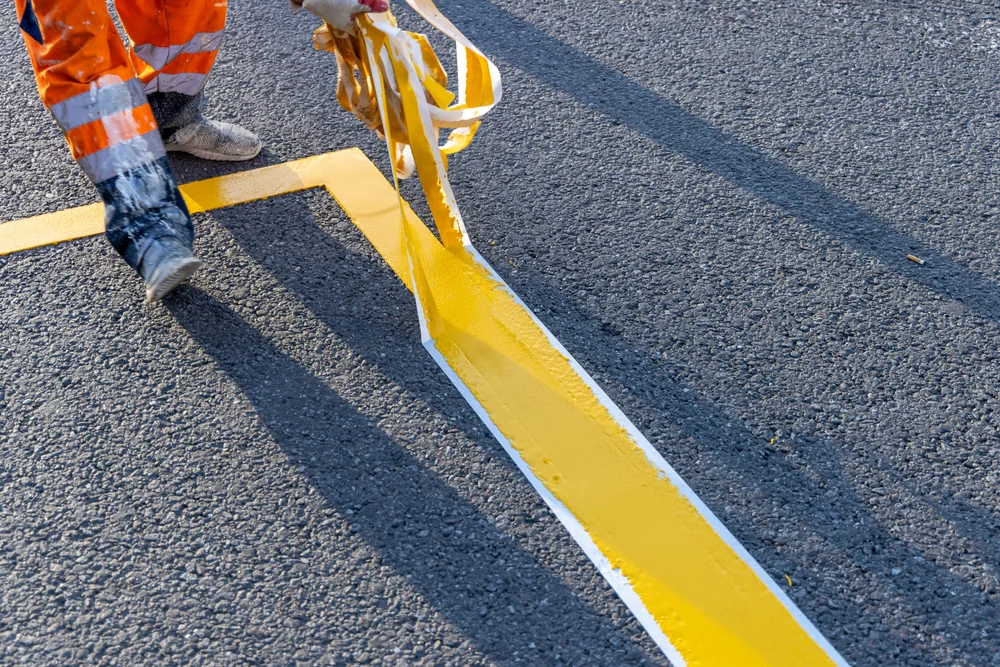
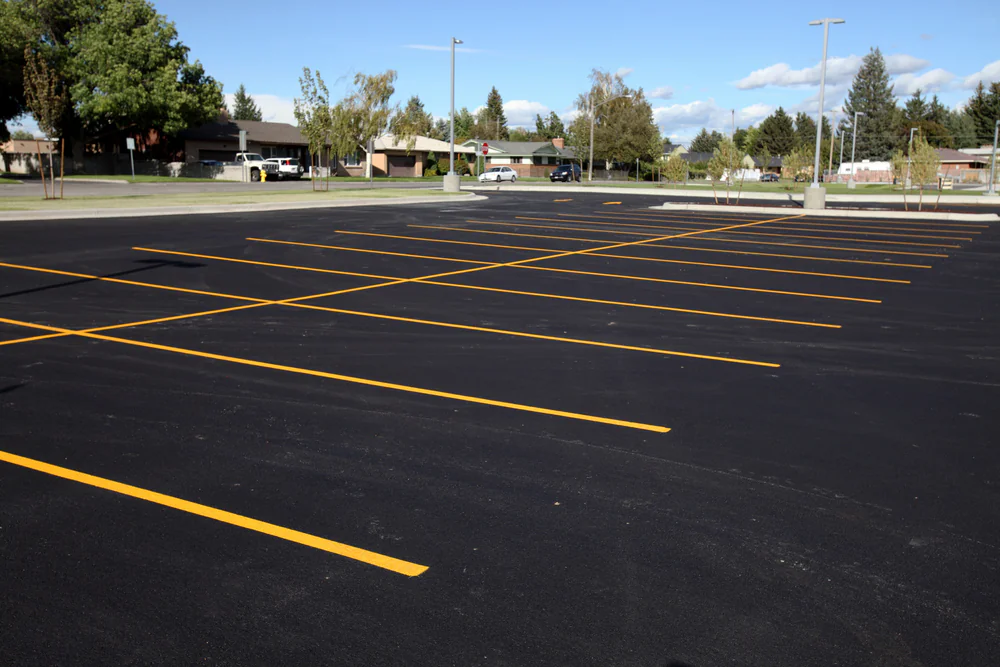
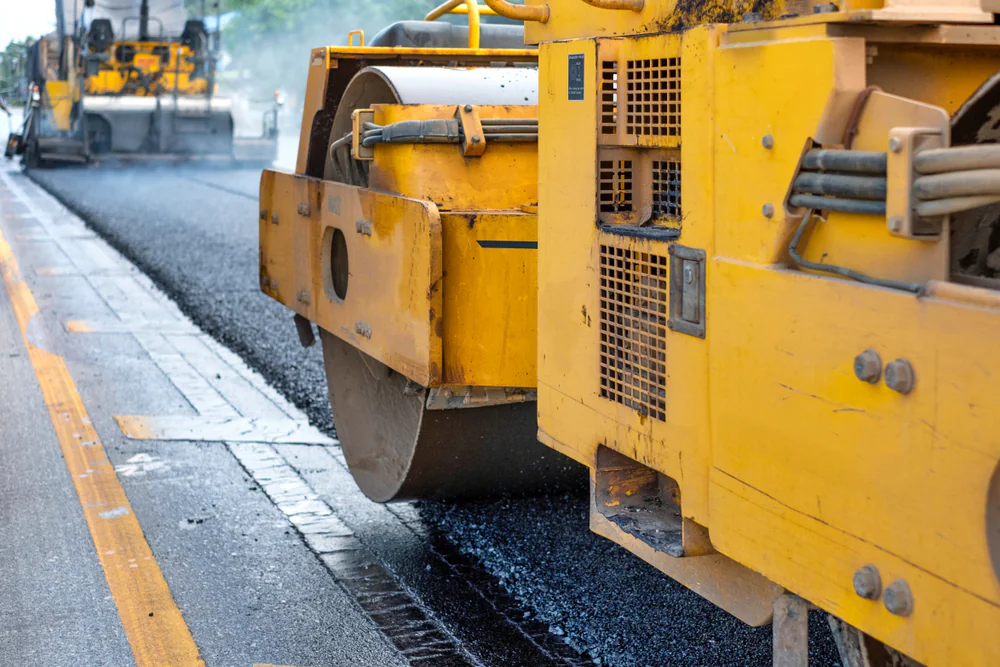
After the base is solid, we bring in hot-mix asphalt and lay it in passes, typically 2 to 4 inches thick for parking lots. We compact it with heavy rollers to eliminate air pockets and create a dense, uniform surface. Once it cures—usually about 72 hours—we add striping, and you’re ready to go.
Ready to get started?
When we give you an estimate for paving installation, it covers everything: site assessment, permits, demolition if needed, base preparation, asphalt installation, compaction, striping, and cleanup. No surprise charges halfway through because we “discovered” something we should have caught during the initial inspection.
In Wrightstown and throughout Bucks County, proper drainage isn’t optional. Pennsylvania gets rain, snow, freeze-thaw cycles, and temperature swings that put serious stress on pavement. We engineer every lot with a minimum 2% slope and install drainage solutions where needed. Standing water is your enemy—it seeps into cracks, freezes, expands, and tears apart asphalt from the inside out.
You also need the right asphalt mix. Commercial lots handling heavy traffic require different specs than residential paving projects. We source quality hot-mix asphalt designed for our climate and your usage. Cheap materials might save money upfront, but they’ll cost you double when the lot fails in five years instead of twenty.
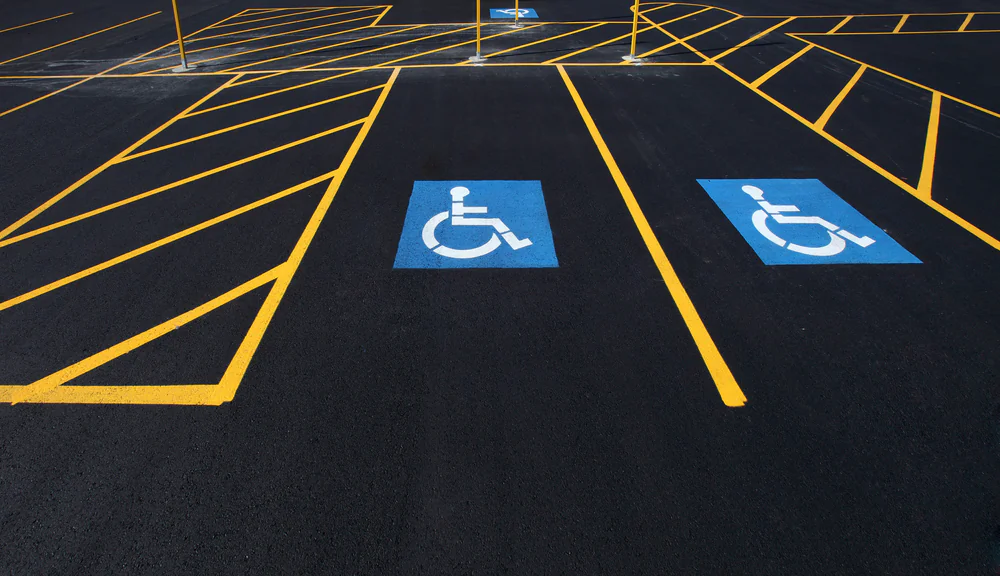
For commercial properties, ADA compliance matters. We handle accessible parking space requirements, proper striping, and ramp installations so you’re not dealing with violations or fines down the road. We also coordinate timing to minimize disruption to your business—most installations wrap up in less than a week, depending on size and complexity.
A properly installed parking lot should last 20 to 30 years in Pennsylvania, but that number depends entirely on two things: how it was built and how you maintain it.
If the contractor skipped proper base preparation or used subpar materials, you might see failure in under a decade. But when the job is done right—solid compacted base, correct asphalt thickness, proper drainage—you’re looking at decades of service. The key is maintenance: sealcoating every 2 to 4 years, filling cracks before they spread, and addressing small issues before they become expensive problems. Pennsylvania’s freeze-thaw cycles are brutal on pavement, so proactive care makes a huge difference in longevity.
Resurfacing means adding a fresh layer of asphalt over your existing lot. It’s cheaper and faster, but only works if the base underneath is still solid. Think of it like putting new carpet over a good floor—it works fine as long as the foundation isn’t compromised.
Complete replacement means tearing everything out down to the subgrade and starting from scratch. You’d need this if your base has failed, if there’s widespread cracking and settling, or if drainage issues have caused structural damage. A good contractor will inspect your current lot and give you an honest assessment. If 25% or more of your surface needs repair, replacement usually makes more financial sense than patching. We’ll walk your property and tell you exactly what you’re dealing with—no upselling, just the truth about what your lot needs.
Asphalt parking lots in Pennsylvania typically run $3 to $7 per square foot, but that’s a wide range because every project is different. A 10,000 square foot lot might cost anywhere from $30,000 to $70,000 depending on site conditions, drainage needs, and how much prep work is required.
If your property has poor drainage or unstable soil, expect costs on the higher end because we’ll need to address those issues first. If you’re paving over an existing lot in decent shape, costs come down. Other factors include whether you need ADA-compliant spaces, how much striping you want, and local material costs. The best way to get an accurate number is to have us assess your specific property. We’ll measure everything, check drainage, look at the current surface if you have one, and give you a detailed estimate that actually reflects your project—not some generic per-square-foot guess.
Not immediately. Fresh asphalt needs time to cure and harden before it can handle vehicle traffic. You’re looking at about 72 hours—three full days—before you should allow cars on it.
During that curing period, the asphalt is still setting. Drive on it too early and you’ll create permanent tire marks, ruts, and surface damage that can’t be fixed without repaving. We know downtime is inconvenient, especially for businesses, which is why we plan installations to minimize disruption. We’ll work with you on timing and help coordinate temporary parking arrangements if needed. Once those 72 hours pass and the surface has properly cured, your lot is ready for normal use. After that, avoid turning your steering wheel while the vehicle is stationary for the first few weeks—it can leave marks on new asphalt until it fully hardens.
Asphalt isn’t install-and-forget. It needs regular attention to hit that 20 to 30 year lifespan. The main tasks are sealcoating, crack filling, and keeping the surface clean.
Sealcoating should happen every 2 to 4 years. It’s a protective layer that blocks water, UV damage, and oil spills from breaking down the asphalt binder. It also keeps your lot looking fresh instead of faded and gray. Crack filling is ongoing—any time you spot cracks forming, get them sealed before water gets in and causes bigger problems. In Pennsylvania, that’s especially important before winter when freeze-thaw cycles turn small cracks into major damage. You’ll also want to keep the lot clean—sweep away debris, remove snow promptly, and clean up oil spills quickly since petroleum products deteriorate asphalt. With consistent maintenance, you’ll avoid expensive repairs and get maximum life from your investment.
Commercial paving is not the same as residential driveways. The equipment, materials, expertise, and project management requirements are completely different, so you need a contractor with proven commercial experience.
Start by asking how long they’ve been doing commercial work and request references from similar projects. Check if they’re licensed and insured—this isn’t optional for commercial jobs. Ask about their equipment: do they have commercial-grade pavers, rollers, and the capacity to handle large asphalt deliveries? Find out how they handle drainage, ADA compliance, and permits. A qualified contractor will walk your site, ask detailed questions, and provide a comprehensive written estimate that covers every phase of work. They’ll also explain their process, timeline, and how they’ll minimize disruption to your business. Red flags include vague estimates, no references, pressure to sign immediately, or prices that seem too good to be true. Quality commercial paving costs real money because it requires real expertise and proper execution.
Other Services we provide in Wrightstown