You’re looking at 20 to 30 years of service life when the work is done right. That means proper drainage so water doesn’t pool after every storm. A foundation strong enough to handle your actual traffic load without cracking in five years. And a surface that doesn’t need constant patching because someone rushed the base work.
The difference shows up fast. A lot built on a weak foundation starts failing within months. Cracks appear. Water seeps in. What should’ve lasted decades needs repairs before you’ve even finished paying for it.
When the sub-base is solid, the drainage is designed for Bucks County weather, and the asphalt thickness matches your usage, you get a surface that holds up. Fewer repair calls. Lower long-term costs. A parking lot that actually does its job without becoming a maintenance headache.
We’ve been in the paving business since 1948. That’s decades of experience with Pennsylvania’s freeze-thaw cycles, summer heat, and the drainage challenges specific to Bucks County properties.
Our approach is straightforward: one project gets full attention until it’s done right. No crew splitting time between three jobs. No rushing to the next site before yours is finished. Every parking lot gets assessed for its specific needs—soil conditions, traffic patterns, drainage requirements—and built accordingly.
Yardley properties deal with unique conditions. The area’s age means varied soil stability. Proximity to the Delaware River affects drainage planning. Local weather patterns require installation techniques that account for temperature swings and moisture. These aren’t things you figure out from a manual—they come from years of working in this exact market.
First, the site gets evaluated. That means looking at existing conditions, checking drainage after a rain, understanding what kind of traffic the lot will handle, and identifying any soil or grade issues that’ll affect the foundation.
Next comes the base work. If there’s old asphalt, it gets removed down to the subgrade. The foundation gets built with proper compaction and the right materials for the load it’ll carry. Drainage systems get installed so water moves off the surface instead of sitting in low spots. This phase takes time because there’s no fixing a weak foundation once asphalt goes down.
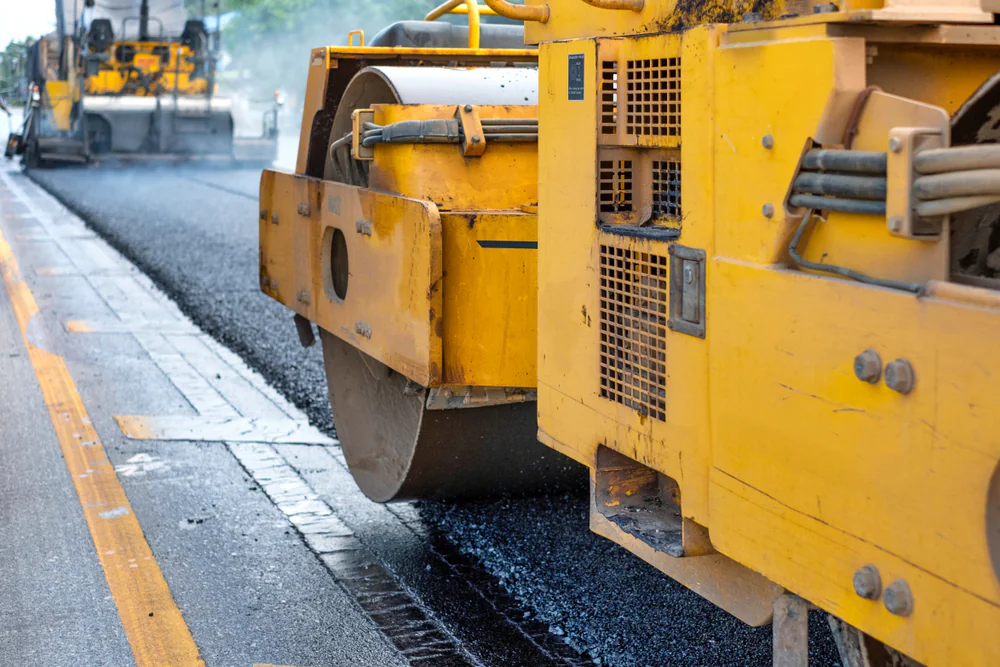
Then the asphalt gets installed. Hot mix arrives, gets laid in passes, and compacted while it’s still workable. Thickness matches your traffic needs—heavier use means a thicker surface. We monitor for even coverage and proper slope throughout.
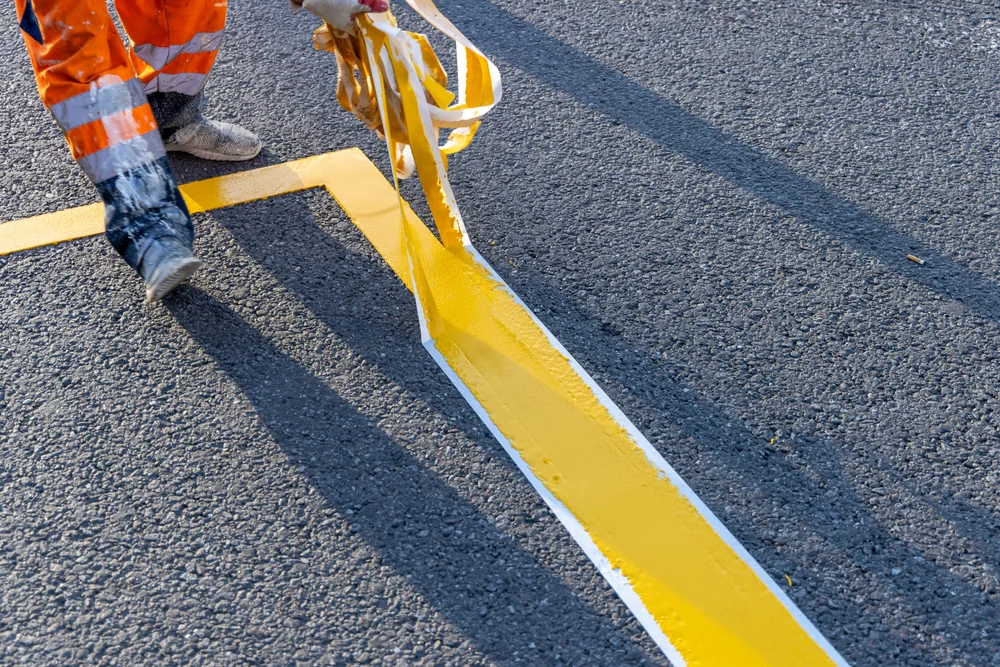
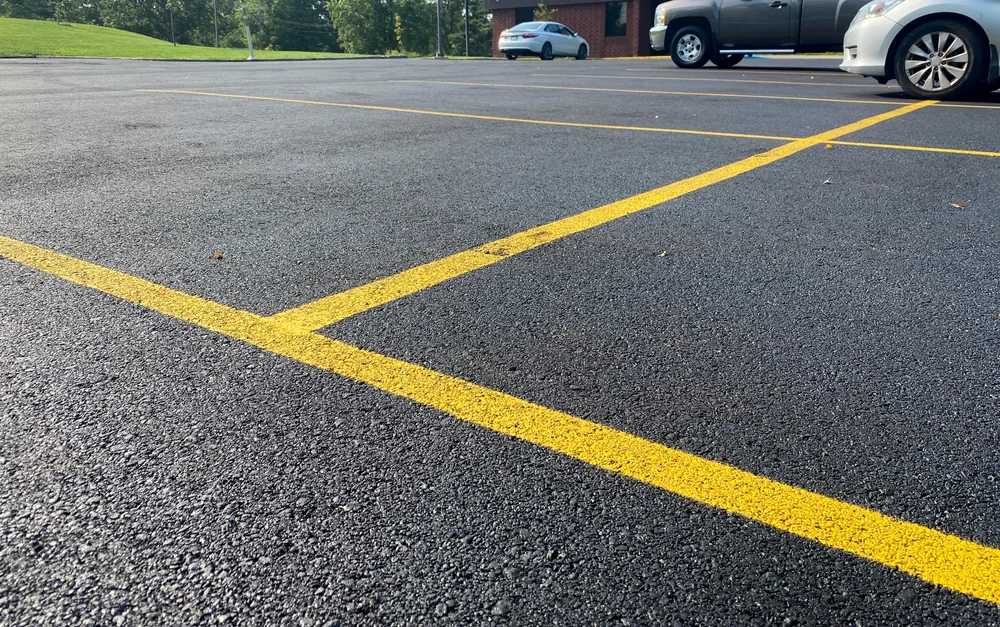
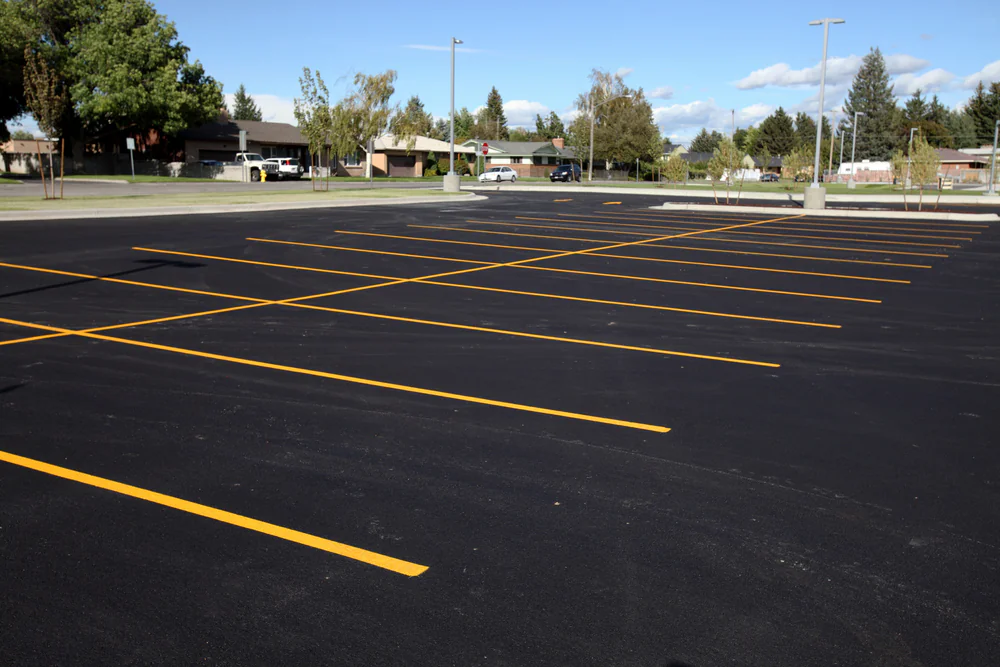
Final steps include striping, curbing, and any additional features your property needs. The surface needs time to cure before heavy use, but once it’s ready, you’ve got a lot built to handle what you throw at it.
Ready to get started?
Site preparation handles everything below the surface. That includes removing existing pavement if needed, grading for proper water flow, and building a compacted base that won’t shift under load. In Yardley, this often means accounting for older soil conditions and ensuring drainage works with local topography.
The asphalt installation itself involves the right mix for Pennsylvania weather, proper thickness for your traffic type, and careful attention to compaction. Commercial lots handling delivery trucks need different specs than residential driveways. The installation accounts for that.
Drainage design prevents the standing water problem that shortens parking lot life. Bucks County gets its share of rain, and water sitting on asphalt accelerates deterioration. Proper grading, drainage channels, and slope design keep water moving off the surface.
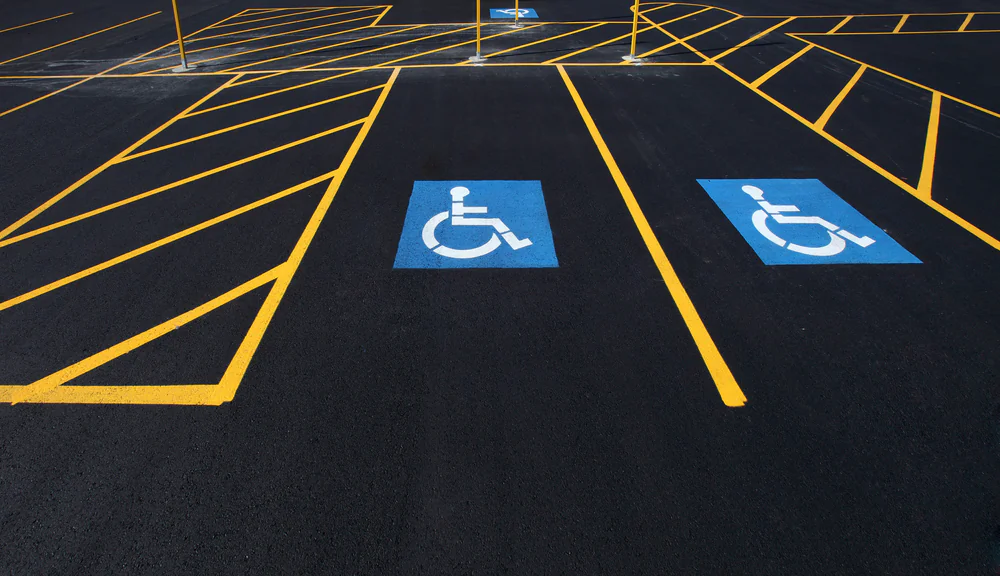
Finishing work includes line striping for parking spaces, ADA-compliant markings where required, and any curbing or edging that defines the lot. These aren’t afterthoughts—they’re part of a complete installation that meets local codes and serves its purpose from day one.
A properly installed parking lot in Yardley should give you 20 to 30 years of service life. That number depends on a few factors: how well the base was built, whether drainage was designed correctly, how heavy your traffic is, and whether you stay on top of basic maintenance like sealcoating and crack filling.
The first five years should be relatively quiet if the work was done right. After that, you’re looking at sealcoating every few years and addressing small cracks before they spread. Lots that fail early—within five to ten years—usually had foundation problems or drainage issues from the start.
Pennsylvania weather is tough on asphalt. Freeze-thaw cycles, summer heat, and moisture all take their toll. But when the installation accounts for these conditions with proper materials, adequate thickness, and solid base work, the surface holds up. You’ll eventually need resurfacing or replacement, but you should get decades of use first.
Poor drainage is the biggest culprit. When water pools on the surface or seeps into the base, it weakens the structure. In winter, that water freezes and expands, creating cracks. Those cracks let in more water, and the cycle accelerates. A parking lot without proper drainage design can start showing serious damage within a few years.
Weak foundation work is the other major issue. If the sub-base isn’t properly compacted or if the wrong materials are used, the asphalt above it doesn’t have stable support. You’ll see settling, cracking, and eventually potholes as the base shifts under traffic load. There’s no fixing this without tearing everything out and starting over.
Cutting corners on thickness or using substandard asphalt mix also shortens lifespan. A lot that should be four inches thick but gets paved at two inches won’t handle the traffic it’s meant for. Same goes for using cheaper mixes that break down faster under Pennsylvania weather. These decisions save money upfront but cost significantly more when premature replacement becomes necessary.
If 25 to 35 percent of your parking lot surface needs removal due to damage, you’re usually better off replacing the whole thing. At that point, the cost of extensive repairs approaches the cost of starting fresh, and you’re left with a patchwork surface that’ll need more work soon anyway.
For lots with isolated damage—a few cracks, some minor settling, surface wear in specific areas—repair makes sense. Crack filling, patching, and resurfacing can extend the life of a lot that’s structurally sound underneath. The key question is whether the foundation and base are still solid. If they are, surface repairs buy you more years. If they’re compromised, you’re just delaying the inevitable.
Age matters too. A ten-year-old lot with minor issues is worth repairing. A twenty-five-year-old lot showing widespread deterioration is probably at the end of its useful life. An experienced contractor can assess what you’re dealing with and give you an honest recommendation based on the actual condition, not just what’s visible on the surface.
Commercial parking lot paving in the area typically runs between three and eight dollars per square foot. That range accounts for differences in site conditions, the amount of prep work needed, asphalt thickness requirements, and any drainage or grading work that’s part of the job.
A simple overlay on an existing lot in good condition sits at the lower end. A complete installation with excavation, new base work, drainage systems, and full asphalt installation costs more. Larger lots benefit from economies of scale—the per-square-foot cost drops as size increases. Smaller lots or those with difficult access can run higher.
The number that matters isn’t just the installation cost—it’s the long-term value. Paying slightly more for proper base work, adequate thickness, and quality materials means fewer repairs and a longer lifespan. A cheap installation that fails in five years costs more over time than a properly built lot that lasts three decades. Get a detailed estimate that breaks down what’s included and why, so you understand what you’re actually paying for.
An overlay adds a new layer of asphalt over your existing surface. This works when the current lot is structurally sound—no major cracks, the base is stable, and you’re mainly dealing with surface wear. It’s faster and less expensive than full replacement because you’re not tearing out and rebuilding the foundation. You can expect an overlay to add ten to fifteen years of life to a lot that’s in decent shape.
Full replacement means removing everything down to the subgrade, rebuilding the base, and installing new asphalt from the ground up. This is necessary when the existing lot has foundation problems, widespread cracking, drainage issues, or when more than a quarter of the surface needs repair. It costs more and takes longer, but you’re getting a completely new parking lot with a fresh 20 to 30 year lifespan.
The decision comes down to what’s happening below the surface. If your lot has potholes, alligator cracking, or areas that have settled, those are signs of base failure. An overlay won’t fix that—it’ll just cover the problem temporarily. We evaluate the foundation before recommending which approach makes sense for your specific situation.
Standing water is asphalt’s enemy. When water sits on the surface, it gradually works its way into small cracks and imperfections. In Pennsylvania, that water freezes in winter and expands, making those cracks bigger. The cycle repeats every freeze-thaw, and what started as hairline cracks become major structural problems within a few years.
Water that penetrates to the base layer causes even worse damage. It softens and weakens the foundation that’s supporting your asphalt. You’ll see settling, more cracking, and eventually potholes as the base loses its load-bearing capacity. Once the foundation is compromised, surface repairs don’t solve the underlying problem.
Proper drainage design moves water off your parking lot quickly. That means the right slope, strategically placed drainage channels, and grading that accounts for Bucks County’s rainfall patterns. When water runs off instead of pooling, your asphalt isn’t constantly saturated. The surface lasts longer, you avoid premature deterioration, and you’re not dealing with lakes in your parking lot every time it rains. It’s not the flashy part of the job, but it’s one of the most important factors in how long your parking lot lasts.
Other Services we provide in Yardley