
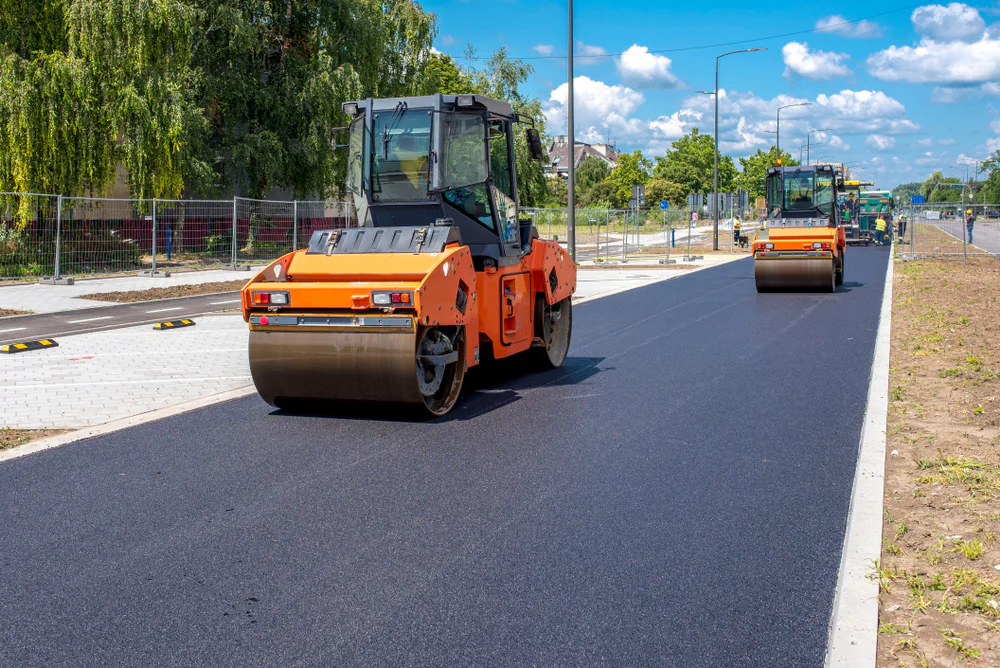
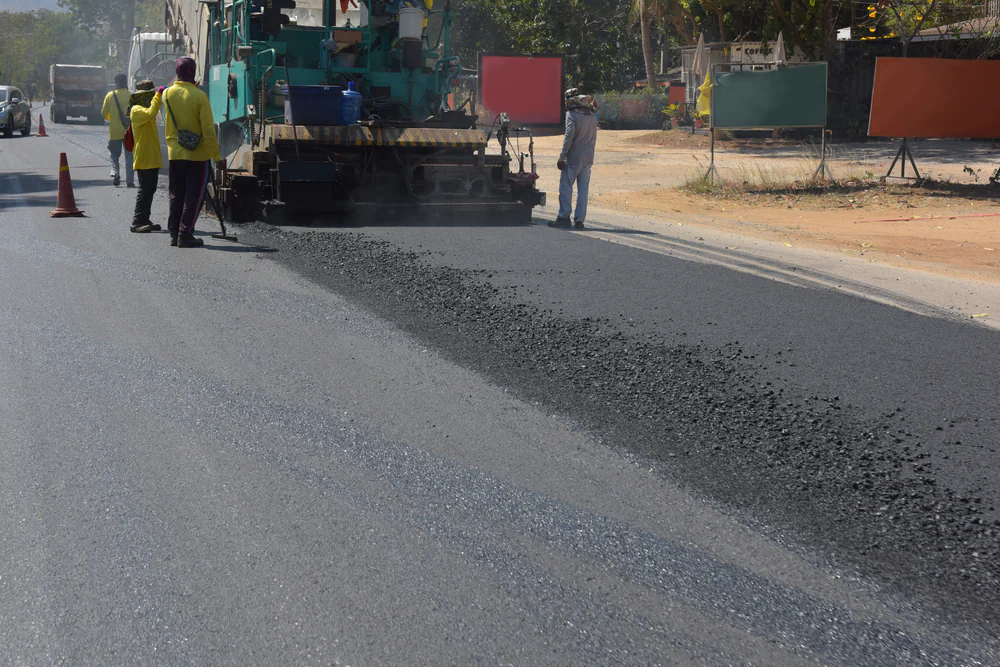
You pull into a smooth driveway that makes your neighbors take notice. No more dodging potholes or explaining away that cracked mess to visitors.
Your property value goes up. Your maintenance headaches go down. And you finally have a surface that can handle whatever New Jersey weather throws at it—from summer heat that buckles cheap asphalt to winter freeze-thaw cycles that crack poorly installed pavement.
Most importantly, you get what you paid for. A job done right the first time by people who’ve been perfecting this craft since 1948.
We’ve been handling Bethlehem’s toughest paving challenges since 1948. That’s 75+ years of learning what works in New Jersey’s climate and what doesn’t.
We’re not the guys who show up, rush through your project, then disappear when problems surface. We focus on one job at a time because your driveway deserves the same attention we’d give our own family’s property.
You’ll find our five-star reviews on Angie’s List, but more importantly, you’ll find our work holding up years later when other contractors’ shortcuts start showing.
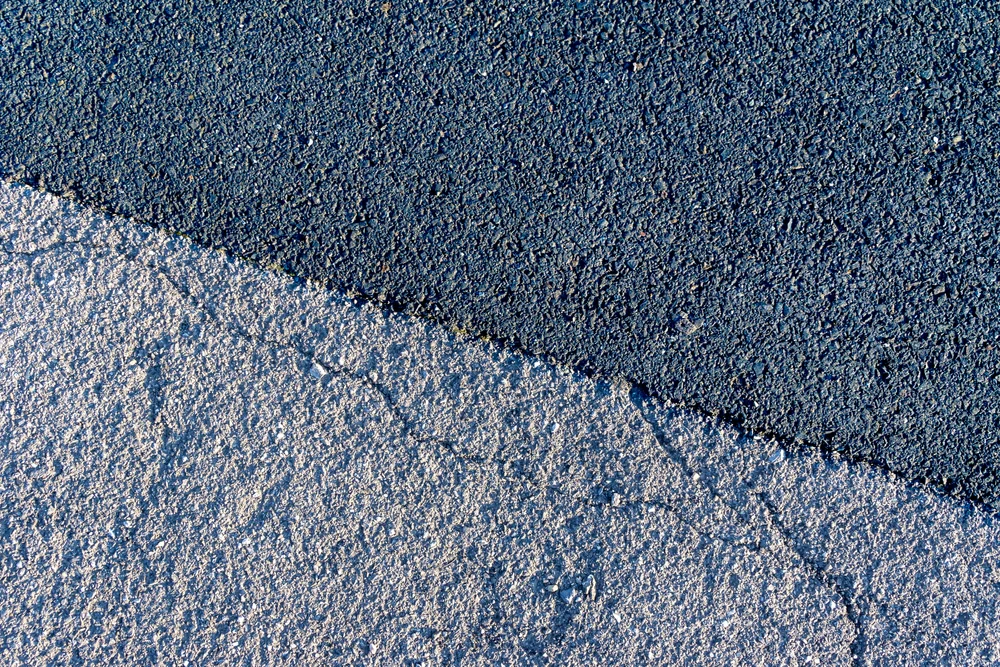
First, we assess your property’s specific needs. Every driveway is different—soil conditions, drainage, traffic patterns. We don’t use cookie-cutter solutions.
Next comes proper preparation. This is where most contractors cut corners and where most problems start. We handle grading, base preparation, and drainage issues before any asphalt gets laid.
Then we install your new surface using the right materials for your specific situation. Hot-mix asphalt applied at proper temperatures with equipment that’s maintained, not jury-rigged.
Finally, we walk you through maintenance basics so your investment lasts. No mysterious follow-up charges or “forgot to mention” conversations six months later.
Ready to get started?
Your paving installation covers everything from initial site preparation through final cleanup. That means proper excavation, base material installation, grading for drainage, and professional asphalt application.
Bethlehem properties face unique challenges—clay soils that shift, drainage issues from our terrain, and temperature swings that test inferior materials. We account for these local conditions in every project design.
You also get transparent communication throughout the process. No showing up unannounced or leaving you wondering when we’ll be back. We treat your time like it matters because it does.
Commercial projects include additional considerations like ADA compliance, traffic flow planning, and coordinated scheduling to minimize business disruption.
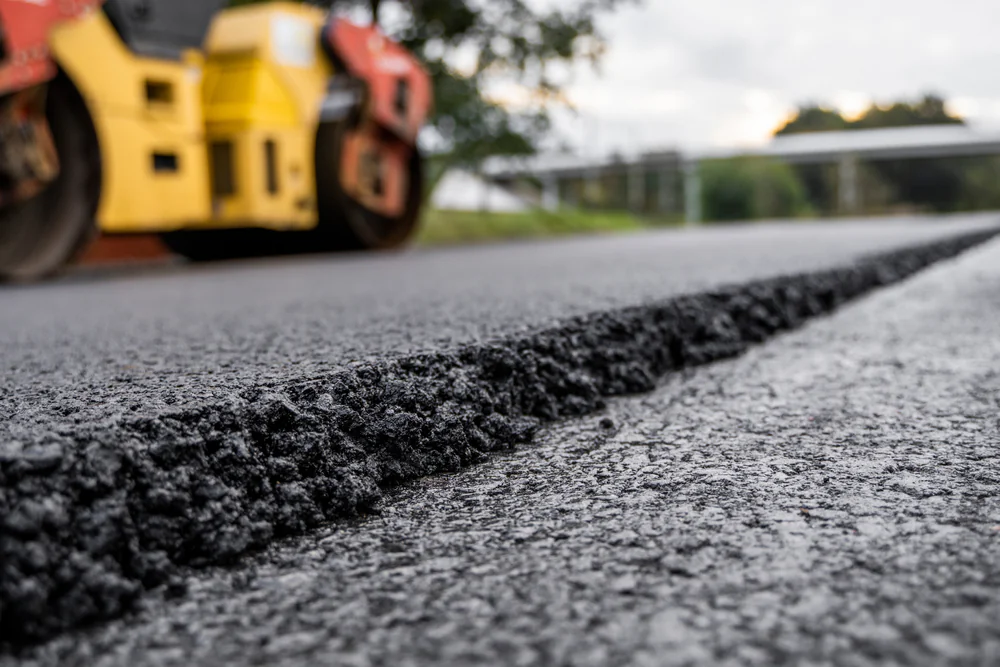
Most residential driveways take 2-3 days from start to finish, but the timeline depends on your specific situation. Day one typically involves excavation and base preparation—the foundation work that determines how long your driveway will last.
Day two is asphalt installation and initial finishing. We need proper weather conditions for this step, so we won’t rush it just to meet an arbitrary deadline.
If your project involves complex drainage work or significant grading, add another day or two. We’d rather take the time to do it right than leave you with problems that surface later.
The difference shows up in about three years—sometimes sooner. Cheap asphalt uses inferior aggregate, less binding agent, and gets applied too thin or at wrong temperatures.
We use hot-mix asphalt with proper aggregate ratios and adequate thickness for your specific traffic needs. Residential driveways get different specifications than commercial parking lots because the requirements are different.
The upfront cost difference might be 20-30%, but quality asphalt lasts 15-20 years with proper maintenance. Cheap work needs replacement or major repairs within 5-7 years. Do the math.
Drainage is part of proper paving—you can’t separate them. Poor drainage destroys even the best asphalt through freeze-thaw damage and base erosion.
We assess your property’s water flow patterns before any work begins. This includes identifying problem areas, planning proper slopes, and installing drainage solutions where needed.
Many paving problems that homeowners blame on “bad asphalt” actually stem from water getting where it shouldn’t. We address the root cause, not just the surface symptom.
You can walk on new asphalt within a few hours, but driving requires more patience. Light vehicle traffic is usually fine after 24-48 hours, depending on weather conditions and asphalt thickness.
Hot weather extends curing time because asphalt stays softer longer. Cold weather can slow the process too. We’ll give you specific timing based on actual conditions, not generic estimates.
Heavy vehicles, sharp turns, and parking in the same spot should be avoided for the first week. New asphalt needs time to fully cure and harden to its maximum strength.
Good asphalt needs surprisingly little maintenance if it’s installed properly from the start. The basics include keeping it clean, addressing small cracks promptly, and sealcoating every 3-4 years.
Sealcoating isn’t just cosmetic—it protects against UV damage, water penetration, and chemical spills. Think of it as sunscreen for your driveway.
Small cracks should be sealed before they become big cracks. Water gets into small openings, freezes, expands, and turns minor issues into major repairs. An ounce of prevention really does apply here.
Surface cracks and minor settling can often be repaired effectively. But if you’re seeing extensive cracking, large potholes, or areas where the base is failing, replacement makes more financial sense.
A good rule of thumb: if repairs would cost more than 50% of replacement cost, or if you’re facing the same problems repeatedly, it’s time for a fresh start.
We’ll give you an honest assessment of what makes sense for your situation and budget. Sometimes the “cheaper” repair option ends up costing more in the long run through repeated fixes.
Other Services we provide in Bethlehem