You’re not just getting fresh asphalt. You’re getting a driveway that drains properly when it rains, that doesn’t crack apart after one New Jersey winter, and that actually looks good pulling up to every day.
When we finish, your property works better. Water runs where it should. Your vehicles don’t bottom out on uneven pavement. And you’re not calling someone back in six months because the surface is already falling apart.
That’s what happens when a paving contractor in Califon, NJ actually understands drainage, base preparation, and how freeze-thaw cycles work in Hunterdon County. The difference isn’t always visible on day one—it shows up three winters from now when your driveway still looks solid while your neighbor’s is cracking.
We’ve been doing this since 1948. That’s not a typo. Nearly 80 years of paving experience means we’ve seen every soil condition, drainage issue, and weather pattern Califon can throw at a project.
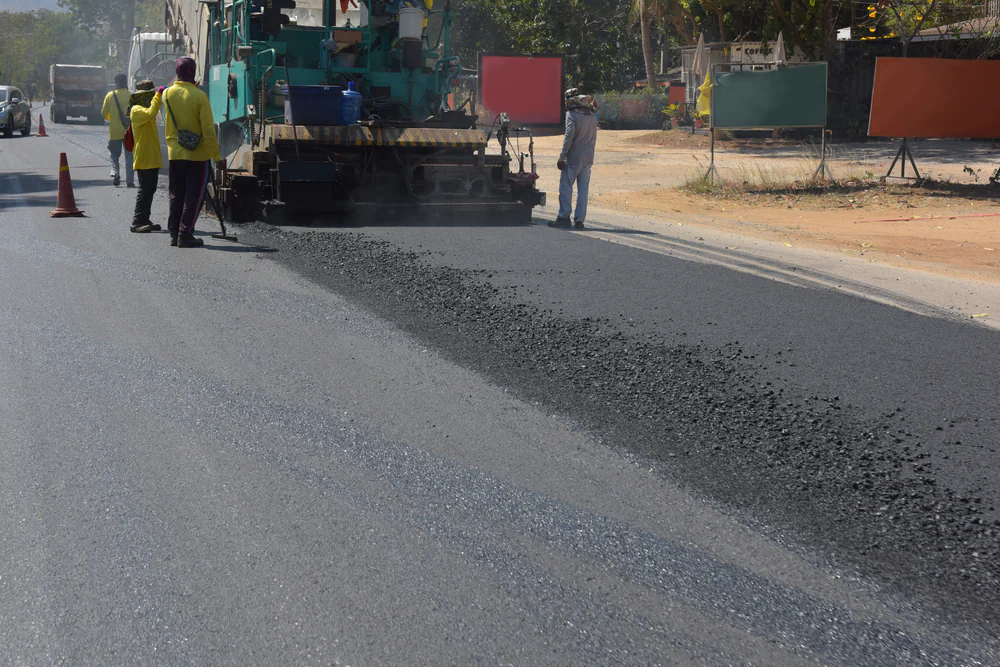
Here’s what sets us apart: we work on one job at a time. The whole crew. Not bouncing between three sites trying to maximize volume. Your driveway or parking lot gets full attention from start to finish, which means better quality control and faster completion.
We’ve built a reputation on Angie’s List with five-star reviews because we treat every client the same—whether you’re paving a small residential driveway or a large commercial lot. No project is too small to do right. We also offer discounts for seniors, military members, and first-time customers because that’s how you build relationships in a community like Califon.
First, we remove whatever’s there now—old asphalt, concrete, or gravel. Heavy equipment breaks it up and hauls it away, giving you a clean slate to work with.
Next comes grading. This isn’t just making things level. It’s creating the right slope so water runs off your pavement instead of pooling. Poor drainage destroys asphalt faster than anything else, so this step matters more than most people realize.
Then we build the sub-base using compacted aggregate. Think of this as the foundation under your asphalt. A weak sub-base means cracks and settling later, no matter how good the asphalt looks on top. We compact it properly and run a proof roll—driving a loaded truck over the entire surface to find any soft spots before asphalt goes down.
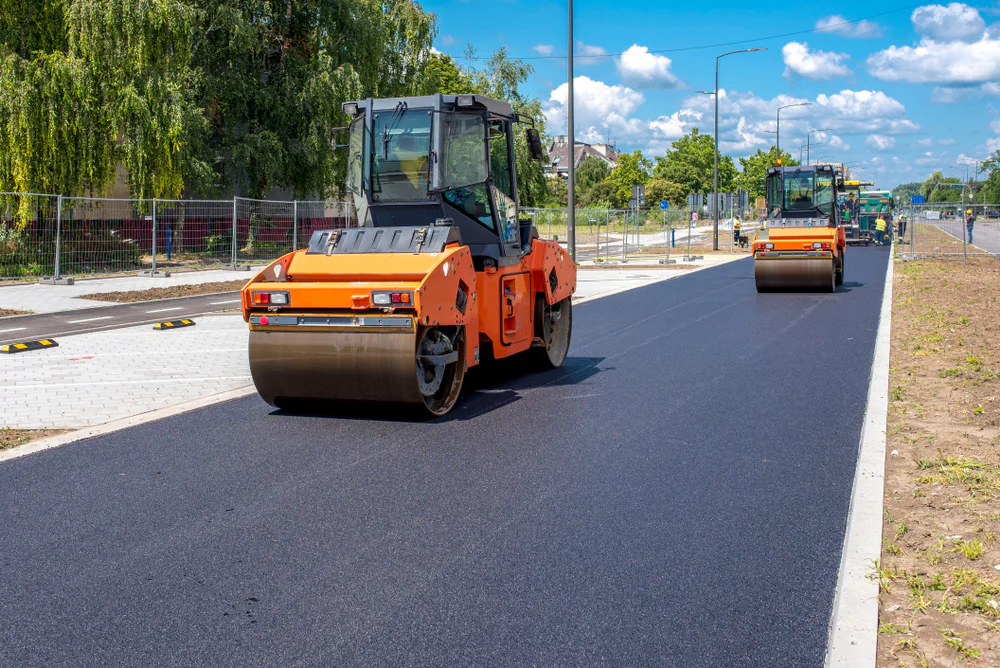
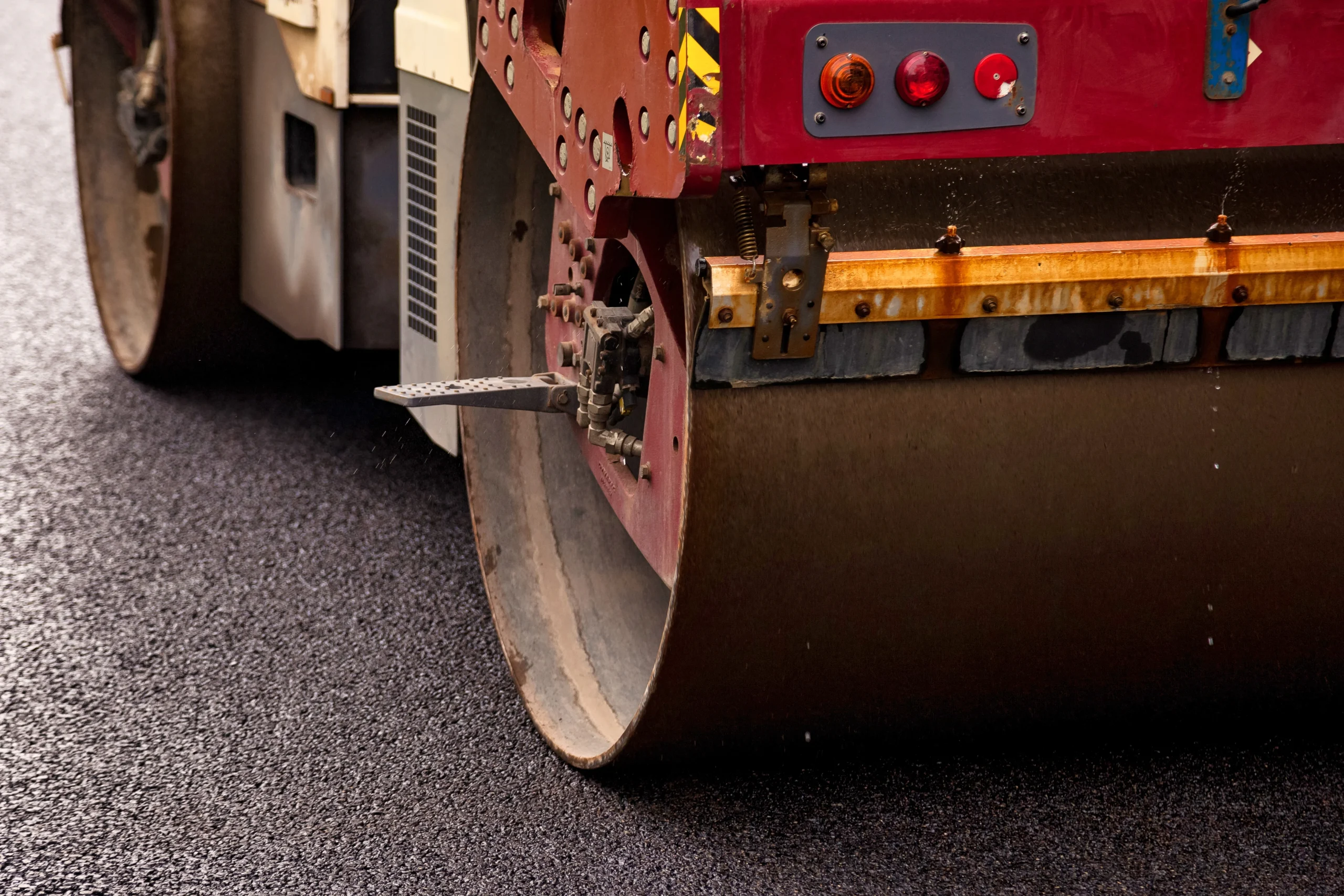
After the base passes inspection, we install the binder layer and then the surface course—the smooth asphalt you’ll actually see and drive on. Finally, everything gets compacted with a roller to lock it all together and eliminate air pockets.
The whole process typically takes a few days for a residential driveway, longer for commercial projects. You’ll know the timeline upfront, and we’ll keep you updated if anything changes.
Ready to get started?
We handle residential driveways, commercial parking lots, and industrial paving throughout Califon and Hunterdon County. We also do grading work and water management solutions when drainage issues need fixing before new asphalt goes down.
For residential properties in Califon, that often means longer driveways on spacious lots with unique drainage challenges. Rural properties need contractors who understand how water moves across different terrain and can grade accordingly. Cookie-cutter approaches don’t work here.
Commercial projects require coordination to minimize business disruption. Parking lot paving gets scheduled to reduce downtime, and the crew works efficiently because we’re focused on your job—not splitting time between multiple sites.
Every project includes proper site preparation, quality materials, and installation techniques designed for New Jersey’s climate. Califon sees brutal winters with freeze-thaw cycles that crack poorly installed pavement. Asphalt needs to be thick enough, the base needs to be solid, and drainage needs to be right. Skip any of those, and you’re looking at repairs within a couple years.
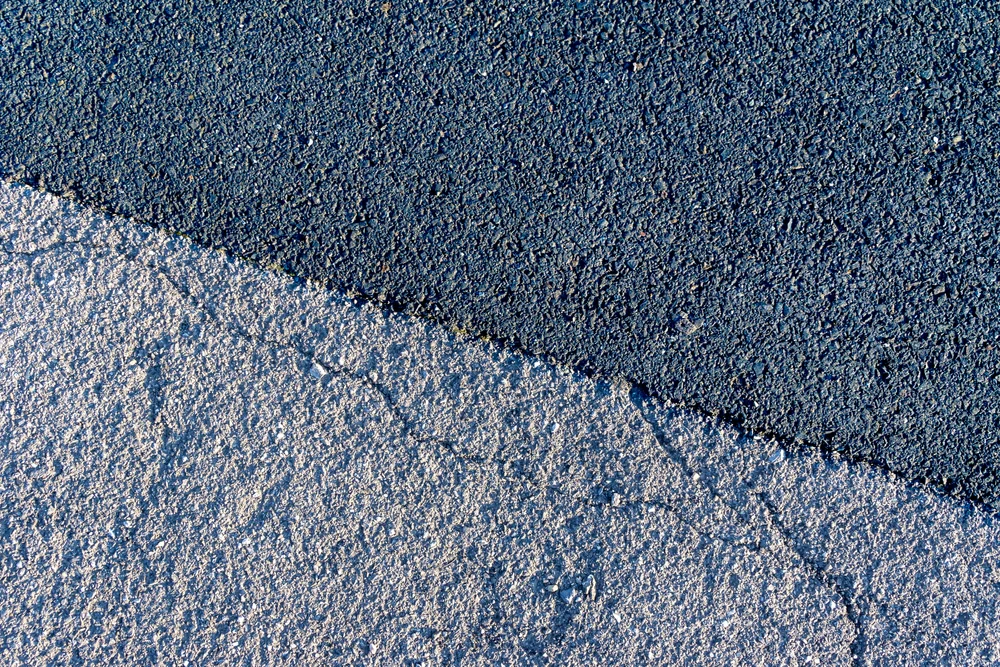
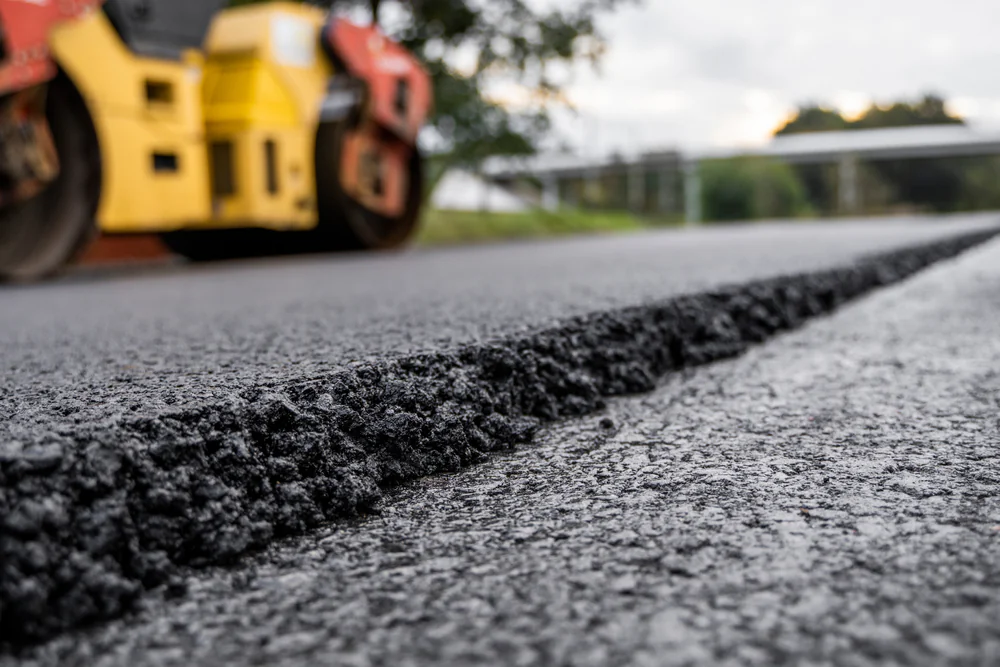
We also handle the details most people don’t think about until they become problems—transitions where new asphalt meets existing surfaces, proper compaction to prevent settling, and making sure curbs and edges are done right for both function and appearance.
A properly installed asphalt driveway in Califon should last 20 to 25 years, sometimes longer with regular maintenance. The key word there is “properly installed.”
New Jersey’s freeze-thaw cycles are tough on pavement. Water seeps into small cracks, freezes, expands, and makes those cracks bigger. By spring, you’ve got potholes. That’s why the sub-base and drainage matter so much—they prevent water from getting under the asphalt in the first place.
You’ll also need to seal coat your driveway every three to five years. Sealcoating protects the surface from UV damage, water infiltration, and oil stains. It’s not optional if you want your asphalt to hit that 20-year mark. Think of it like changing the oil in your car—skip it and things break down faster.
Asphalt paving in New Jersey typically runs between $3 and $12 per square foot, depending on the project. For an average residential driveway in Califon, you’re usually looking at somewhere between $3,000 and $8,000, but that can vary significantly.
Several things affect the price. Size is obvious—bigger driveways cost more. But you’re also paying for site prep work. If your old driveway needs to be removed, that adds to the cost. If there are drainage problems that need fixing, that’s additional work. If the property is hard to access with equipment, that takes more time.
The cheapest quote isn’t always the best deal. A contractor who cuts corners on base preparation or uses thin asphalt might save you money today, but you’ll pay for it in repairs within a few years. Ask what’s included in the estimate—thickness of asphalt, base preparation, grading work, and whether we handle permits if needed.
You can usually drive on new asphalt within 24 to 48 hours after installation, but you should avoid parking heavy vehicles in the same spot for at least a week.
Asphalt needs time to fully cure. It’s drivable pretty quickly, but it’s still somewhat soft for the first few days, especially in warm weather. Heavy vehicles or sharp turns can leave indentations if you’re not careful during that initial period.
For the first week, try to keep traffic light and avoid parking in the same spot repeatedly. After that, your driveway can handle normal use just fine. Full curing takes several months, but you don’t need to wait that long to use it—just be a little gentle at first. We’ll give you specific instructions based on the weather and project details.
Asphalt is usually the better choice for Califon and most of New Jersey because it handles freeze-thaw cycles better than concrete. That matters a lot here.
Concrete tends to crack when water seeps in and freezes. It’s also harder and more expensive to repair when damage does occur. Asphalt stays more flexible in cold weather, which means it’s less likely to crack from ice formation. The dark color also absorbs heat, so snow and ice melt faster on asphalt driveways.
Concrete does offer more customization options—stamped patterns, colors, decorative finishes. If aesthetics are your top priority and you’re willing to pay more upfront and deal with potential winter damage, concrete might work. But for durability and performance in Hunterdon County’s climate, asphalt is the practical choice. It costs less to install, is easier to repair, and holds up better long-term when properly maintained.
It depends on the scope of your project and local regulations. Some towns in New Jersey require permits for new driveway installation or significant modifications, while others don’t for simple repaving.
We know the local requirements and handle permit applications if needed. That’s part of our job. If someone quotes you a price but doesn’t mention permits, ask whether they’re included or if that’s an additional cost you need to budget for.
Permit requirements typically cover things like drainage plans, driveway width, setbacks from property lines, and connection points to public roads. The application process can take a few weeks, so factor that into your timeline. We’re familiar with Hunterdon County regulations and make sure everything’s handled properly before work starts.
Proper grading is everything. Before any asphalt goes down, the ground needs to be sloped so water runs away from your house, garage, and the pavement itself. Standing water is asphalt’s worst enemy.
We survey the property and create a drainage plan that accounts for how water moves across your lot. In Califon, with rolling terrain and spacious properties, drainage can be tricky. Water needs somewhere to go—usually toward the street, into landscaping areas, or toward drainage systems if they exist.
The sub-base layer also plays a role. A properly compacted sub-base prevents water from pooling underneath the asphalt, which causes heaving and cracking when it freezes. Some projects need additional drainage solutions like French drains or catch basins if water flow is particularly problematic. We identify those issues during the estimate and include solutions in the plan, not surprise you with extra costs halfway through the job.
Other Services we provide in Califon