Your driveway isn’t cracking after two winters. Water drains where it should. The surface is smooth, level, and actually looks good.
You’re not calling someone back to fix problems that shouldn’t exist. You’re not wondering if you overpaid or got talked into work you didn’t need. You know what was done, why it was done, and what to expect going forward.
That’s the difference between asphalt paving installation done by someone who cares about the outcome and work done by someone just trying to get to the next job. Whether it’s residential driveway paving or commercial paving for a parking lot, the result should give you one less thing to worry about. We handle both, along with industrial projects, water management, and grading—whatever your property actually needs.
Productive Asphalt brings decades of hands-on paving experience to every job in East Windsor, NJ. Our roots in the asphalt industry date back to 1948, and that knowledge shows in how we approach projects—with attention to detail, honest communication, and a focus on doing things right.
Our crew works on one job at a time. Not juggling multiple sites. Not rushing to the next property. Your project gets full attention from start to finish, whether it’s a residential driveway or a commercial parking lot. We treat every client the same way: with respect, transparency, and a commitment to quality workmanship that holds up over time.
East Windsor property owners deal with freeze-thaw cycles, drainage challenges, and weather that tests asphalt. We understand these local conditions and build for them. Five-star reviews on Angie’s List and prior industry recognition back up what customers already know—this is a contractor that delivers.
First, the site gets evaluated. Not just a quick glance—an actual assessment of drainage, base condition, and what your property needs. You get a clear explanation of the work and transparent pricing. No surprises.
Next comes preparation. Old asphalt or damaged material gets removed if needed. The base is graded properly so water drains away from structures. This step matters more than most people realize—skip it or rush it, and the new asphalt won’t last.
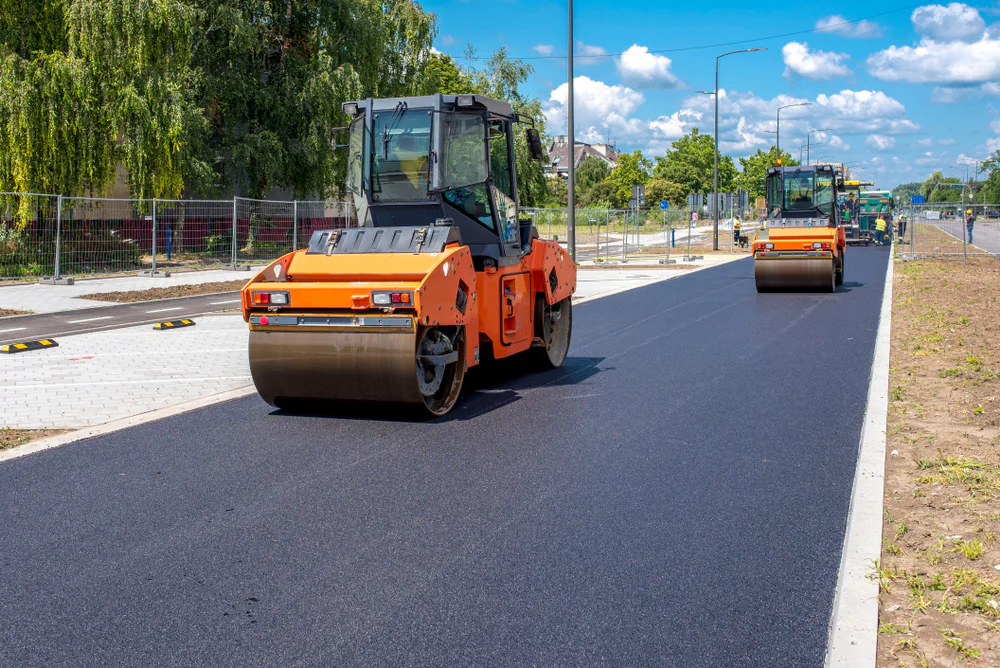
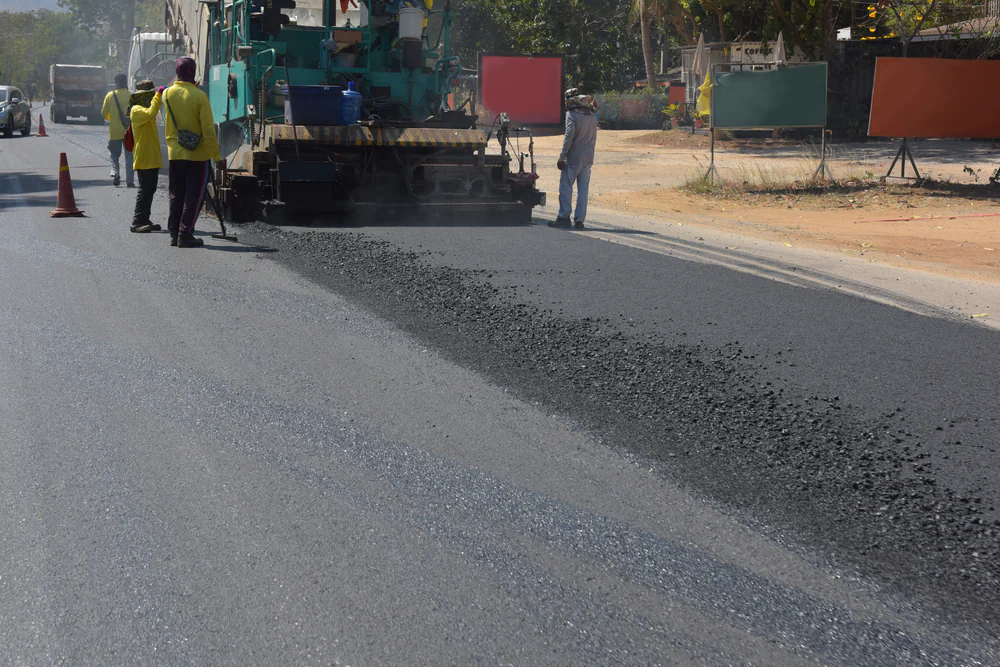
Then the paving happens. Quality asphalt mix goes down at the right temperature, gets compacted correctly, and cures properly. Our crew stays until the job is done right. You get updates throughout so you know what’s happening and when you can use the surface again.
After completion, you receive straightforward guidance on maintenance. When to sealcoat. What to watch for. How to extend the life of your investment. The relationship doesn’t end when we leave—we’re available if questions come up later.
Ready to get started?
Residential paving covers new driveway installation, driveway replacement, resurfacing, and repairs. The work includes proper base preparation, grading for drainage, quality asphalt installation, and compaction. You also get guidance on timing—when you can park on it, when to sealcoat, what to expect as it cures.
Commercial paving handles parking lots, access roads, and industrial sites. This means coordinating around your business hours, managing larger-scale grading and drainage, and ensuring the surface can handle the traffic load. Line striping, ADA compliance, and phased work to minimize disruption are all part of the conversation.
East Windsor properties often need water management solutions—French drains, proper grading, catch basins—to protect the asphalt from water damage. New Jersey’s weather doesn’t forgive poor drainage. We address these issues upfront rather than watching preventable problems develop later.
We also offer asphalt repair, patching, and sealcoating to extend pavement life. Sometimes a full replacement isn’t necessary. Sometimes it is. You get an honest assessment either way. Seniors, military members, and first-time customers receive special discounts, making quality paving more accessible.
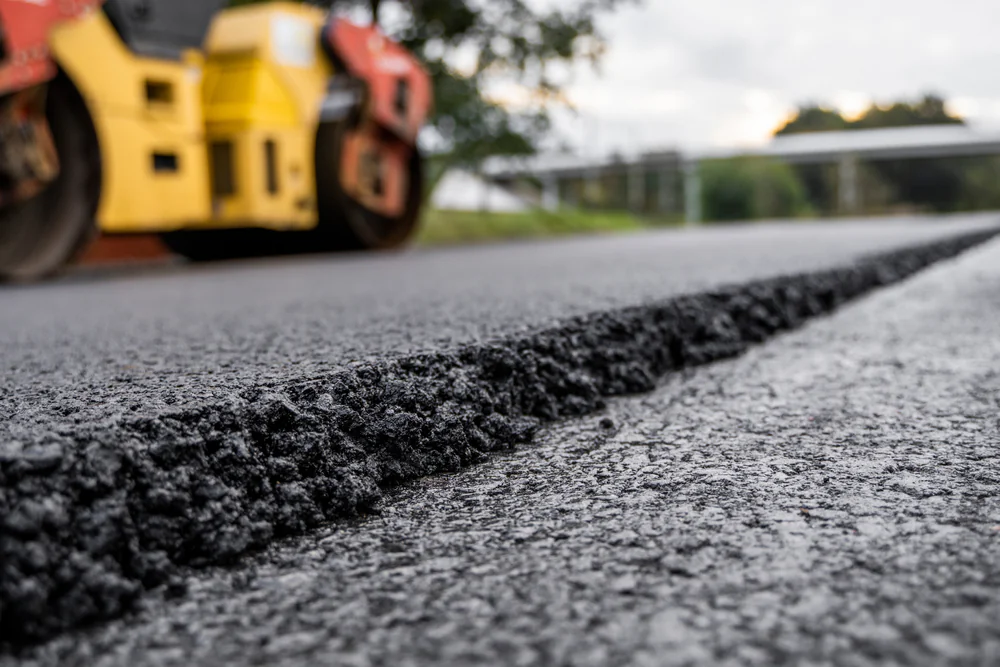
With proper installation and regular maintenance, asphalt paving typically lasts 15 to 20 years or more in East Windsor, NJ. The key word there is “proper installation.”
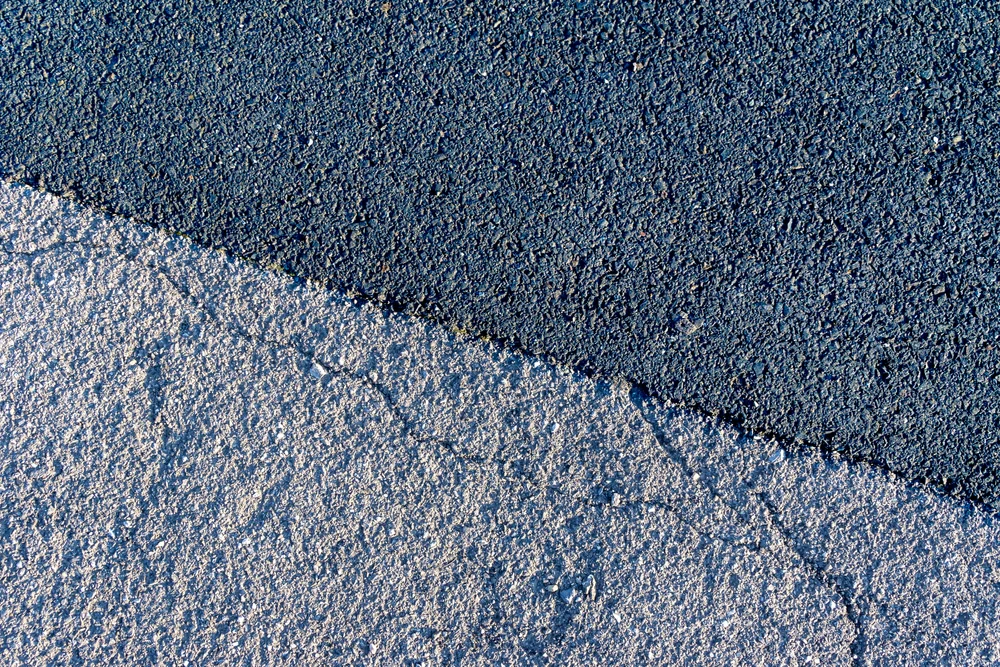
New Jersey’s freeze-thaw cycles are tough on asphalt. Water seeps into small cracks, freezes, expands, and creates bigger cracks. If the base wasn’t prepared correctly or drainage wasn’t addressed during installation, you’ll see problems within a few years—sometimes sooner. That’s not an asphalt problem. That’s an installation problem.
Quality asphalt paving starts with a solid, compacted base and proper grading so water drains away from the surface. The asphalt itself needs to be installed at the right temperature and compacted correctly. After installation, sealcoating every 2-3 years protects the surface from UV damage, water penetration, and chemicals. Filling cracks promptly prevents small issues from becoming expensive repairs.
If you maintain it, asphalt easily reaches that 15-20 year mark. If you ignore it, even good installation won’t save it. The lifespan depends on both the contractor’s work and your maintenance after.
Look for a contractor who actually explains what your property needs and why. If someone gives you a price without assessing drainage, base condition, or asking questions about how you use the space, that’s a red flag.
Experience matters, but so does how they operate. Do they work on one job at a time or bounce between multiple sites? A crew that’s focused on your project will do better work than one that’s distracted. Ask about their process—how they handle base preparation, what materials they use, how they manage drainage.
Check references and reviews, but read them carefully. Look for patterns. Do customers mention communication? Did the contractor show up when promised? Did the work hold up over time? Five-star ratings mean nothing if they’re all from the same month—you want sustained quality over years.
Licensing and insurance are non-negotiable. Ask for proof. Also ask about what happens if there’s an issue after completion. A contractor who stands behind their work will tell you exactly how they handle problems. One who dodges that question probably won’t be around if something goes wrong.
Finally, trust your gut. If the price seems too good to be true, it probably is. If communication is poor before the job starts, it won’t improve during the work. Find someone who treats you with respect regardless of your project size.
Driveway paving costs in East Windsor typically range from $3 to $7 per square foot for asphalt, but that number doesn’t tell the whole story. The actual cost depends on several factors that vary significantly between properties.
Base preparation is the biggest variable. If your existing base is in good shape, costs stay lower. If the base needs to be removed and rebuilt, or if there are drainage issues to address, costs increase. Grading work, tree root removal, and site access also affect pricing. A straightforward driveway replacement costs less than one requiring extensive prep work.
Size matters, obviously. A small residential driveway costs less than a large one. But there’s also economy of scale—larger projects often have lower per-square-foot costs because setup and equipment costs get spread over more area.
Asphalt thickness affects both cost and longevity. Residential driveways typically need 2-3 inches of asphalt over a proper base. Commercial applications or driveways with heavy vehicle traffic need thicker asphalt. Thicker costs more upfront but lasts longer and handles stress better.
Be wary of quotes that seem unusually low. They often mean shortcuts—thin asphalt, poor base prep, or cheap materials that won’t last. You’ll pay less now and more later when it fails prematurely. A fair price reflects quality materials, proper installation, and work that actually lasts. Get multiple quotes, but compare what’s included, not just the bottom-line number.
Late spring through early fall is the best time for asphalt paving in New Jersey—specifically when daytime temperatures consistently stay above 50°F. Asphalt needs warmth to be installed and compacted properly, and it needs reasonable temperatures to cure correctly.
Summer is ideal because warm temperatures help the asphalt remain pliable during installation and compaction. The material bonds better, compacts more thoroughly, and cures more evenly. Hot asphalt installed on a warm base creates the strongest, longest-lasting surface.
Early fall works well too, as long as temperatures haven’t dropped significantly. September and early October often provide excellent paving conditions in East Windsor. The key is avoiding cold weather—asphalt installed in temperatures below 50°F doesn’t compact properly and may develop problems as it cures.
Spring paving is possible once temperatures stabilize above 50°F consistently. The challenge in spring is unpredictable weather and ground conditions. If the ground is still saturated from winter or spring rain, base preparation becomes more difficult. Wait until the site has dried out sufficiently.
Winter paving is generally not recommended. Even if you find a contractor willing to do it, the results won’t be as good. Cold temperatures prevent proper compaction and curing. Emergency repairs might happen in winter, but planned installations should wait for better conditions.
Plan ahead. Good contractors book up during prime paving season. If you wait until June to call, you might not get scheduled until late summer or fall. Contact contractors in early spring to discuss your project and get on the schedule for optimal timing.
Yes, if you want it to last. Sealcoating isn’t optional maintenance—it’s essential protection that can double the life of your asphalt driveway in East Windsor.
Asphalt breaks down from several sources: UV rays from sun exposure, water penetration, chemicals (oil, gas, de-icing salt), and oxidation. Sealcoating creates a protective barrier against all of these. It’s like sunscreen for your driveway—it doesn’t make the asphalt stronger, but it prevents damage that weakens it over time.
The typical recommendation is to sealcoat every 2-3 years, but timing depends on conditions. Driveways with heavy use, significant sun exposure, or harsh chemical exposure may need more frequent sealcoating. Driveways in shaded areas with light use can sometimes go longer between applications.
New asphalt shouldn’t be sealcoated immediately. Wait 6-12 months after installation to let the asphalt cure fully. Sealcoating too early can trap oils in the asphalt that need to evaporate during the curing process.
Quality sealcoating uses high-grade sealant, not budget products that wear off quickly. The surface needs to be properly cleaned before application—dirt, debris, and vegetation prevent proper adhesion. Application should happen in good weather conditions (above 50°F, no rain in the forecast for 24-48 hours) so it cures correctly.
Sealcoating costs a fraction of what repaving costs. It’s preventive maintenance that saves money long-term. Skip it, and you’ll see accelerated deterioration—more cracks, more water damage, more expensive repairs, and earlier replacement. Invest in sealcoating, and your asphalt will look better and last significantly longer.
Four main culprits cause premature asphalt failure: water intrusion, poor base preparation, inadequate drainage, and lack of maintenance. Understanding these helps you avoid problems before they start.
Water is asphalt’s biggest enemy. When water seeps into small cracks, it reaches the base material underneath. In New Jersey’s freeze-thaw cycles, that water freezes, expands, and creates larger cracks and potholes. Water also weakens the base, causing the asphalt above to sink or shift. Proper sealcoating and crack filling prevent water from getting in, but only if you stay on top of it.
Poor base preparation causes more failures than bad asphalt. If the base isn’t properly compacted or graded, the asphalt above will crack and settle unevenly. Some contractors skip base prep or rush through it to save time and money. You won’t see the problem immediately—it shows up months or years later when the damage is expensive to fix. Proper base work costs more upfront but prevents these issues.
Inadequate drainage accelerates every other problem. If water pools on your driveway or doesn’t drain away from the edges, it will find its way into the asphalt and base. Proper grading during installation ensures water flows where it should. Properties in East Windsor often need additional drainage solutions like French drains or catch basins to handle water effectively.
Lack of maintenance turns minor issues into major failures. Small cracks become big cracks. Big cracks become potholes. Unsealed asphalt deteriorates from UV exposure and oxidation. Regular sealcoating, prompt crack filling, and addressing drainage problems early extend asphalt life dramatically. Neglect it, and even quality installation won’t save it from premature failure.
Other Services we provide in Eastwindsor