
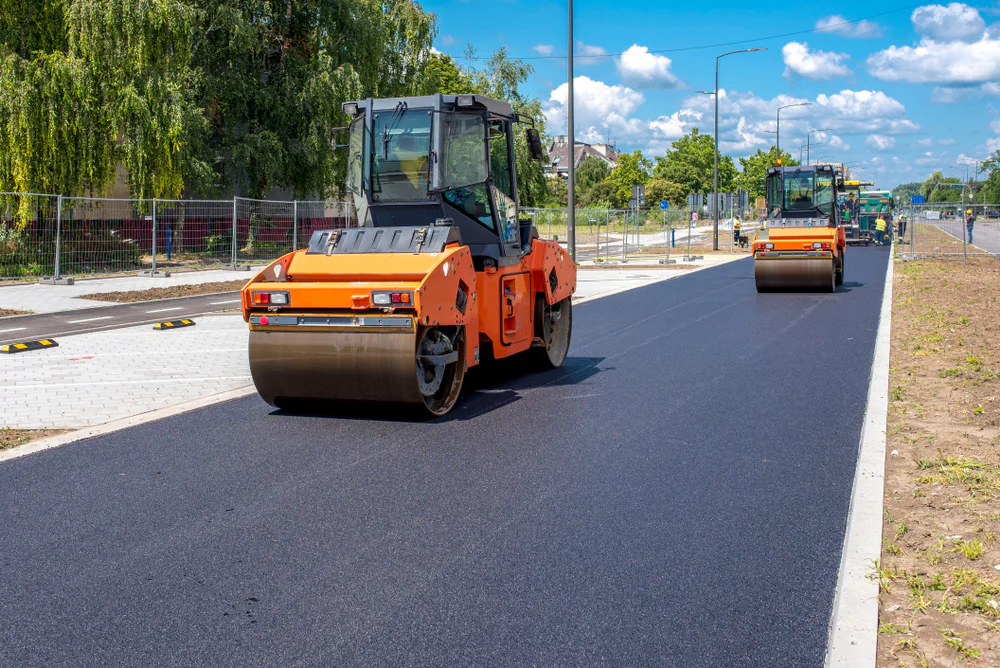
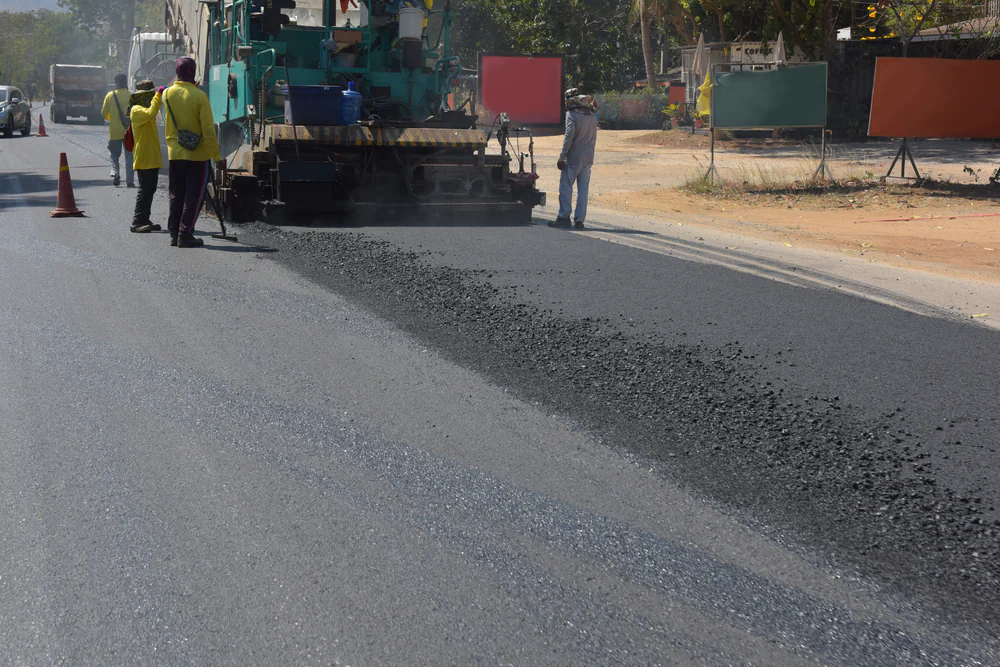
You’re not looking for the cheapest option. You’re looking for a surface that doesn’t crack within the first year or pitch water toward your foundation.
When driveway paving is installed correctly, you get asphalt that handles Hamilton’s winters without heaving. Water drains where it should. The edges don’t crumble after one season. You’re not calling someone back in six months because the surface is already failing.
The difference comes down to base preparation and understanding local soil conditions. Hamilton’s ground shifts with temperature changes. If your asphalt contractor doesn’t account for that, you’ll see the consequences fast. Proper grading, a solid sub-base, and the right asphalt mix for our climate mean you’re looking at 15 to 20 years of reliable performance instead of constant repairs.
We bring experience that goes back to 1948. That’s not a marketing line—it’s decades of hands-on work across residential driveways, commercial parking lots, and industrial paving projects in Hamilton, NJ and throughout Mercer County.
We operate on a simple principle: one job at a time, full crew attention, every client treated the same whether it’s a single driveway or a multi-acre commercial site. No juggling multiple projects. No rushing to the next job. Our focus stays on your property until it’s done right.
Hamilton property owners deal with specific challenges—soil that shifts, drainage that needs careful planning, winters that test every surface. Our crew knows these conditions because we’ve worked in them for years. We’re not learning on your driveway.
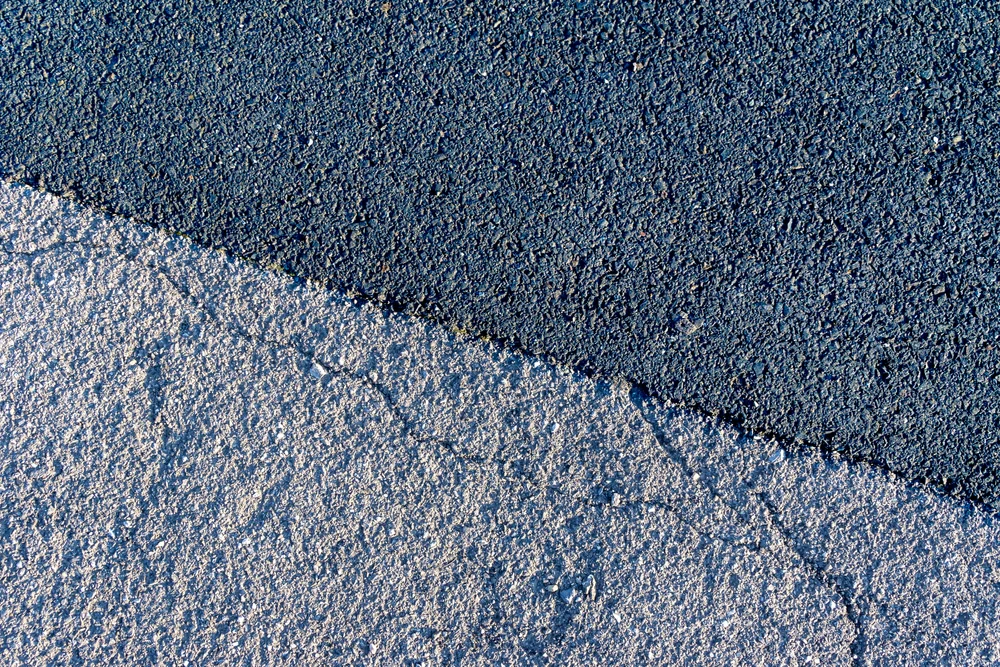
First comes an honest assessment of what you’re working with. If your existing surface can be repaired, you’ll hear that. If it needs full replacement, you’ll know why.
Demo and removal happen next if you’re replacing old asphalt or concrete. We clear everything down to a clean base, hauling away debris and preparing for proper paving installation. This isn’t the step to skip or rush—what’s underneath determines how long your new surface lasts.
Grading and drainage planning follow. Hamilton’s weather means water management isn’t optional. We slope your surface so water moves away from buildings and doesn’t pool. We account for how the ground will respond to freeze-thaw cycles, building in the stability your surface needs.
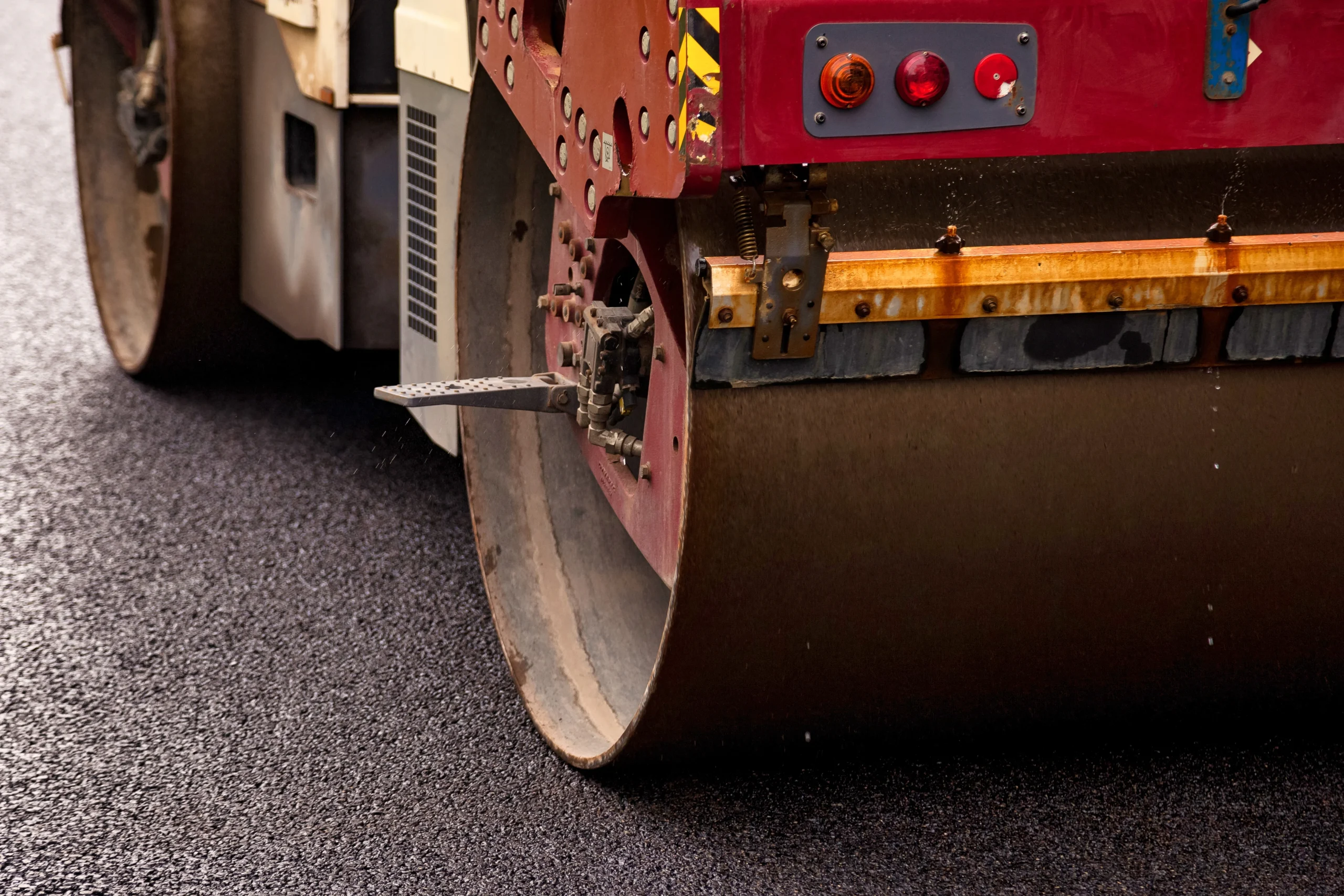
The sub-base goes in next—compacted aggregate that creates a frost barrier and prevents shifting. This layer gets tested to make sure it’s solid before any asphalt touches it. Then comes the binder layer for strength, followed by the smooth top coat you’ll actually see and drive on. Each layer is compacted properly while the asphalt is still hot, ensuring the bond holds.
Ready to get started?
Whether you need residential driveway paving or commercial parking lot installation in Hamilton, NJ, the scope covers complete surface preparation, proper base construction, quality asphalt installation, and final grading. You also get water management solutions built into the design—critical in an area where poor drainage leads to basement flooding and premature pavement failure.
For commercial projects, that includes handling heavier traffic loads and meeting local regulations. Hamilton Township has specific requirements for driveway materials and installation—concrete, blacktop, or brick pavers are permitted, with minimum thickness standards and inspection protocols. We handle the permitting and ensure your project meets township codes.
Residential clients get the same attention to detail. Your driveway connects to existing surfaces like sidewalks and garage aprons, requiring smooth transitions and proper joint work. We account for how your property’s specific slope and soil conditions will affect long-term performance. Custom solutions matter because no two properties in Hamilton are identical.
We also offer specialized discounts for seniors, military personnel, and first-time customers. Beyond installation, you’ll get guidance on maintenance—when to sealcoat (typically every 2-3 years in our climate), how to spot early warning signs of issues, and what to do if problems develop.
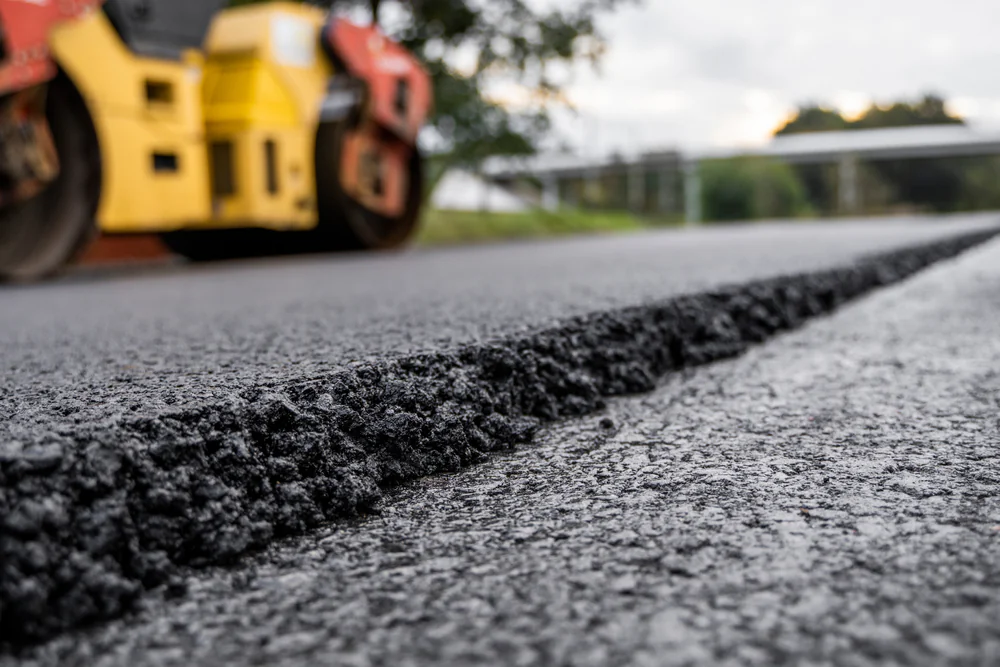
With proper installation and regular maintenance, you’re looking at 15 to 20 years for a residential driveway and 12 to 15 years for commercial parking lots. Hamilton’s freeze-thaw cycles and temperature swings put extra stress on asphalt, which is why the installation quality matters so much.
The key factors that extend lifespan are proper base preparation, correct drainage design, and periodic sealcoating. If water gets under your asphalt and freezes, it expands and causes cracks. A properly built sub-base acts as a frost barrier, and good grading keeps water moving off the surface instead of pooling. Sealcoating every few years protects against UV damage and water penetration, adding years to your pavement’s life.
Most early cracking comes from inadequate base preparation or poor drainage design. If the sub-base isn’t properly compacted or thick enough, the pavement above it will shift and crack as the ground moves through seasonal changes. Hamilton’s soil conditions require specific attention to base stability.
Water is the other major culprit. If your driveway slopes toward your house or doesn’t have proper drainage, water sits on the surface and works its way underneath. When that water freezes in winter, it expands and pushes up on the asphalt, creating cracks and heaving. Some contractors skip the grading step or don’t compact the base properly because it saves time and money—but you pay for it later with a failing driveway.
The asphalt mix itself also matters. Material that’s too thin or not formulated for cold climates won’t hold up to Hamilton’s winters. A quality installation uses the right thickness (typically 2-3 inches for residential, more for commercial) and proper compaction while the asphalt is still hot.
It depends on the condition of what’s already there. If your existing asphalt has minor surface cracks but a solid base underneath, an overlay might work. This involves adding a new layer of asphalt over the old surface after proper preparation and repairs to any damaged areas.
However, if your current driveway has alligator cracking, significant heaving, drainage problems, or base failure, removal and replacement is the better choice. Paving over a failing base just covers up problems temporarily—they’ll show up again quickly, and you’ll have wasted money on a surface that won’t last.
A proper assessment looks at the extent of damage, how the base is holding up, and whether drainage issues exist. Sometimes partial removal and repair of problem areas combined with resurfacing makes sense. The honest answer depends on your specific situation, and we’ll show you what we’re seeing and explain why we’re recommending a particular approach.
You can typically drive on new asphalt within 24 to 48 hours, but full curing takes longer. The asphalt needs time to cool completely and harden to its full strength. During the first week, avoid parking heavy vehicles in the same spot for extended periods, as the surface can still indent under concentrated weight.
For the first few months, be careful with sharp turns and avoid placing heavy objects like dumpsters directly on the new surface. The asphalt continues to cure and harden over time, reaching its maximum durability after several months. Hot weather slows down the cooling process, so if your driveway is installed during summer, you might need to wait a bit longer before heavy use.
We’ll give you specific guidance based on the weather conditions during your installation and the thickness of asphalt installed. Following these recommendations protects your investment and ensures your new surface performs as expected for years to come.
Regular sealcoating every 2 to 3 years is the most important maintenance step for Hamilton’s climate. Our hot summers, cold winters, and significant rainfall put constant stress on asphalt. Sealcoating creates a protective barrier against UV rays, water penetration, and chemical damage from oil or gas spills.
Beyond sealcoating, you should fill cracks promptly when they appear, especially before winter. Small cracks let water in, and when that water freezes, it expands and turns small problems into big ones. Keeping your surface clean by sweeping away debris and leaves also helps—organic material holds moisture against the asphalt and can accelerate deterioration.
Watch your drainage. If you notice water pooling anywhere on your driveway or parking lot, address it quickly. Standing water is one of the fastest ways to shorten your pavement’s lifespan. Also, avoid using metal shovels or sharp snow removal tools in winter that can gouge the surface. With these basic maintenance steps, your asphalt will reach or exceed its expected lifespan.
Yes, Hamilton Township requires permits for new driveway installation and resurfacing, though you don’t need one just for sealcoating. The application process involves submitting plans to the Engineering Office, and if you’re widening your driveway, you’ll need to include a plot plan with your application.
Hamilton has specific requirements for driveway materials—you can use concrete, blacktop, or brick pavers, but the surface must be dust-free. Stone or gravel driveways aren’t permitted. There are also width restrictions (driveways can’t exceed 20 feet wide) and setback requirements (must be 5 feet from the property line unless grandfathered in).
A Public Works Inspector will inspect your new driveway before and after installation to ensure it meets township standards. The permit fee is $30 and remains valid for one year. Working with an experienced local paving contractor means we handle the permitting process and ensure your project meets all Hamilton Township codes, so you don’t have to navigate the requirements yourself.
Other Services we provide in Hamilton