Your driveway should do more than look decent for a few months. It should drain properly, survive freeze-thaw cycles, and give you years of reliable use without constant repairs eating into your budget.
When asphalt paving is installed correctly from the start, you’re not dealing with water pooling near your foundation every time it rains. You’re not watching cracks spread across the surface every spring. You’re not paying another contractor to fix what the first one messed up because they cut corners on the base work.
You get a surface that actually works. One that handles daily traffic, harsh weather, and time without falling apart. That’s what proper grading, quality materials, and careful installation deliver—fewer headaches, lower long-term costs, and a property that looks and functions the way it should.
We bring decades of hands-on paving experience to every driveway, parking lot, and commercial project in Hightstown. Our roots in the asphalt industry stretch back to 1948, and that experience shows in how we plan, execute, and complete projects without the shortcuts.
What sets our approach apart is straightforward: one job at a time. Our full crew focuses on your project—not split between three other sites across Mercer County. You get direct communication, transparent updates, and work that’s done with care, whether it’s a residential driveway on a quiet Hightstown street or a large commercial paving installation along Route 33.
Properties around Hightstown face tough conditions. Freeze-thaw cycles that wreck poorly installed asphalt, heavy traffic, drainage challenges from clay soil—these aren’t minor details. They’re factors that determine whether your pavement lasts five years or twenty. That’s why every project gets custom planning based on your specific property needs, not a cookie-cutter approach that ignores local conditions.
It starts with an on-site assessment of your property. The space gets evaluated for drainage patterns, grading needs, soil conditions, and any existing issues that could affect the asphalt’s longevity. You’ll receive a clear, written estimate that covers what’s included—no vague line items or surprise charges when the work is halfway done.
Next comes site preparation, which is where many contractors cut corners and where projects often fail. This means proper excavation if you’re replacing old asphalt, grading to prevent water problems, and building a solid, compacted base. Skipping or rushing this step is exactly how driveways start cracking within a year or two.
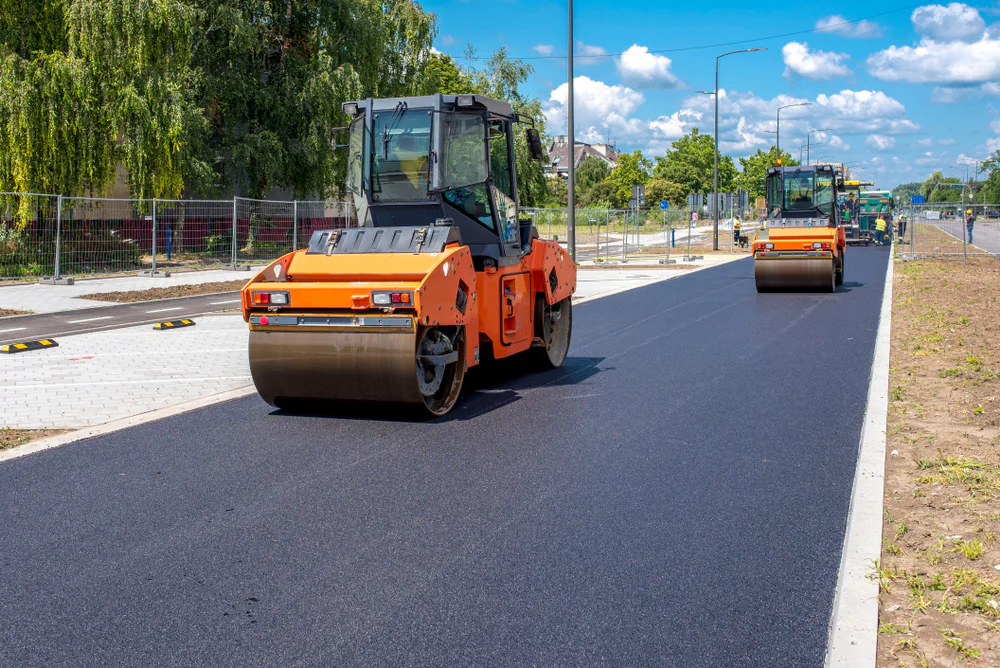
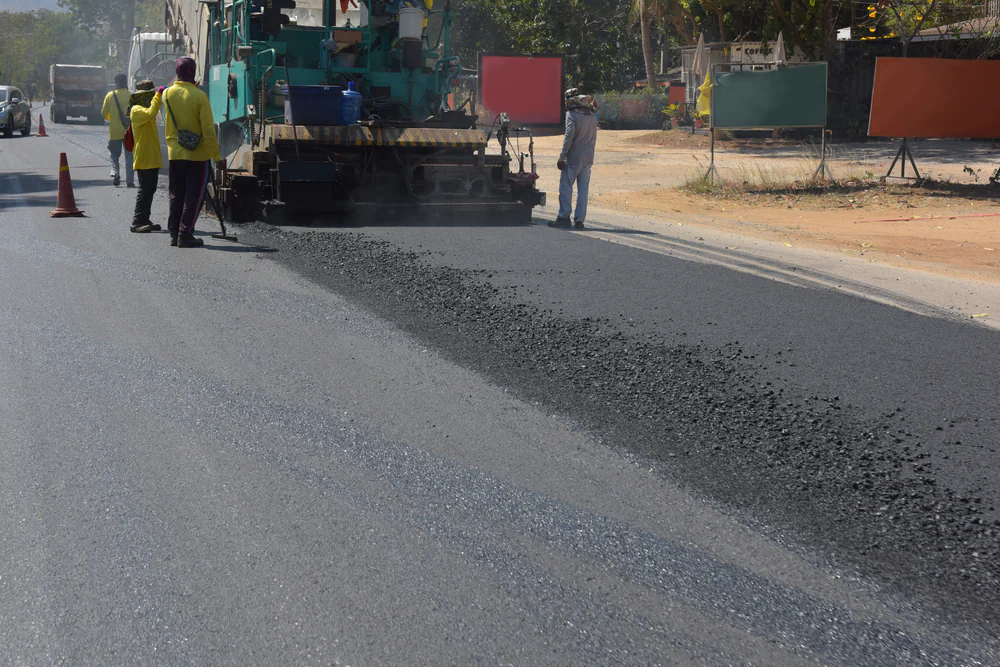
Then the asphalt installation happens. Our crew handles paving with attention to proper thickness, correct compaction technique, and quality materials. Once the work is complete, you’ll know exactly when the surface can handle vehicle traffic and what to expect during the curing period.
Throughout your project, you get regular updates. If something changes or an unexpected issue comes up, you hear about it directly—not after the fact when it’s too late to address properly. The goal is simple: finish the job right, stay on schedule, and skip the runaround that wastes your time.
Ready to get started?
Residential paving covers driveway installation, complete replacement, and targeted repairs for Hightstown homeowners. Whether you’re dealing with an old, deteriorating driveway that’s beyond saving or need new paving installation for your property, the process includes grading, base preparation, asphalt application, and proper compaction. You also get clear guidance on maintenance practices that extend your surface’s lifespan.
Commercial paving handles parking lots, access roads, and industrial sites throughout the area. These projects require careful planning around your business operations—minimizing downtime and customer disruption while delivering durable results that handle heavy traffic. Proper drainage systems and heavy-duty base work are standard parts of the job, not optional extras that get added to the bill.
Around Hightstown and wider Mercer County, drainage remains a persistent concern for property owners. Sites near Route 33, along Stockton Street, and throughout residential neighborhoods deal with water management challenges that can undermine even newly installed asphalt if not addressed correctly. That’s why water management solutions and professional grading services are part of the initial conversation—not afterthoughts when problems appear months later.
Every project also includes transparent communication throughout the timeline. You’ll know the schedule, what’s happening each day, and exactly when your new surface will be ready for normal use. Special discounts are available for seniors, military members, and first-time customers—just mention it when requesting your estimate.
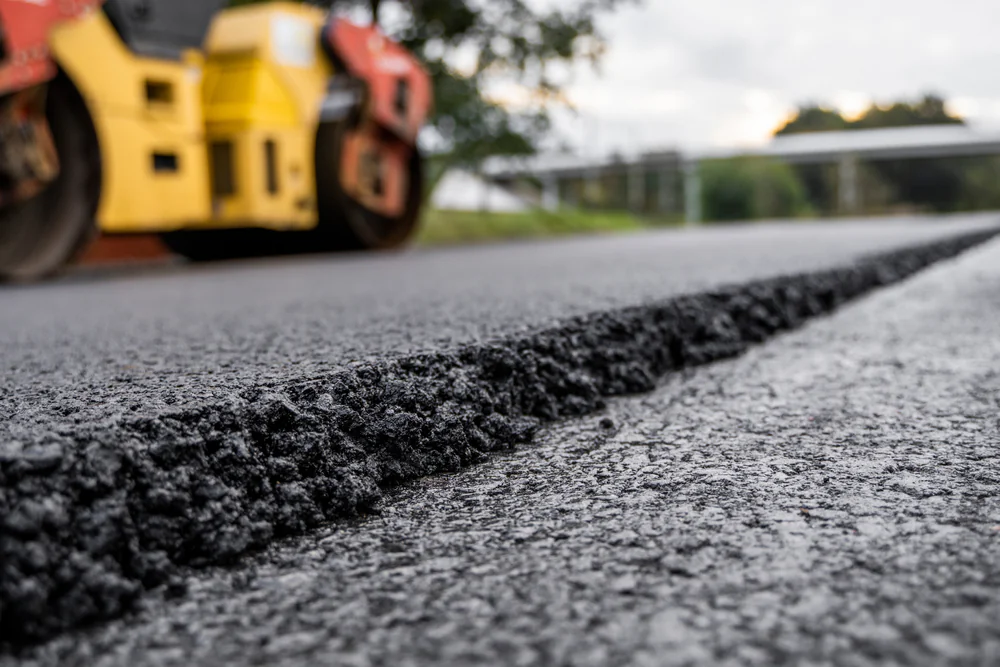
Most residential driveway paving projects take one to three days from start to finish, depending on the size and existing site conditions. Day one typically involves site preparation—removing old asphalt if you’re doing a replacement, grading the area properly, and preparing a solid base. Day two is when the new asphalt gets installed and compacted correctly.
Weather plays a significant role in the timeline. Rain delays paving work because asphalt needs dry conditions to cure properly and bond correctly. If your project is scheduled and heavy rain hits the forecast, expect a short delay rather than rushed work in poor conditions that compromises the final result.
You’ll usually be able to walk on your new driveway within 24 hours of installation. Light vehicle traffic can typically resume after 3-5 days, but it’s best to wait a full week before parking heavy vehicles or allowing sharp turns that could mark the surface while it’s still in the curing process.
Commercial paving is engineered for significantly heavier loads and much more frequent traffic patterns. Parking lots, access roads, and industrial sites need thicker asphalt layers and a more robust base structure than residential driveways. The base preparation is more intensive, and the asphalt layer is typically 3-4 inches thick compared to 2-3 inches for most home driveways.
Commercial projects also require more detailed planning around ongoing business operations. Paving a parking lot means coordinating work schedules to minimize customer disruption—sometimes completing the project in phases so your business stays accessible throughout the process. Striping, ADA compliance requirements, and drainage systems for much larger surface areas add complexity that doesn’t exist in residential work.
Residential paving focuses on longevity and curb appeal for homeowner use. The loads are considerably lighter, but New Jersey weather still demands quality materials and proper installation technique. Both types of projects absolutely need correct grading and drainage planning, but the engineering specifications and scale differ significantly based on how the surface will actually be used.
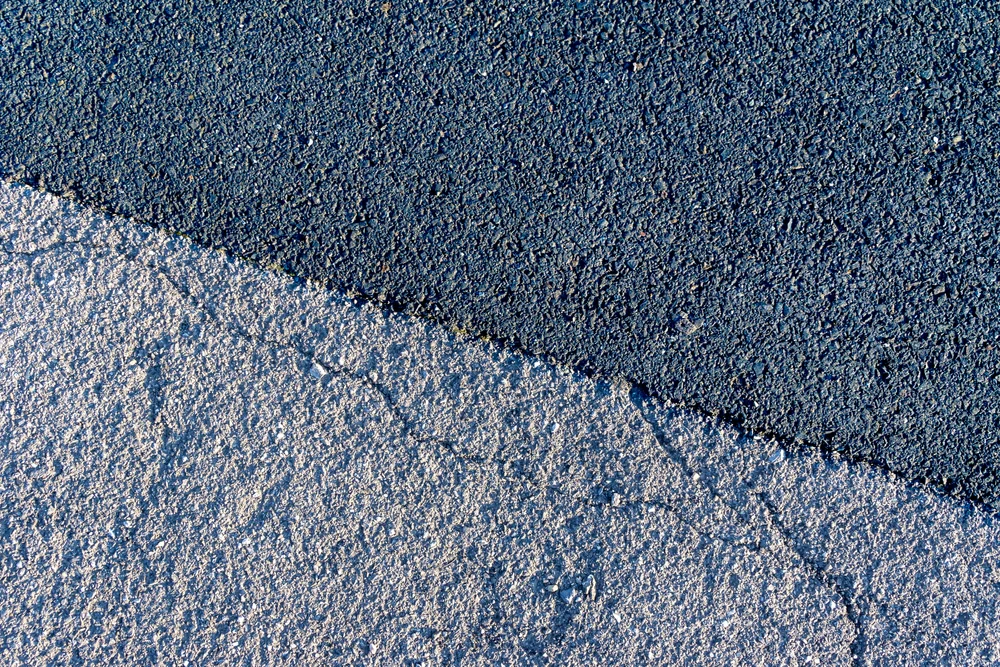
Small cracks and minor surface wear can often be addressed effectively with sealcoating or targeted patching. If you’re seeing isolated cracks less than a quarter-inch wide and the overall surface remains structurally solid, repairs might extend your driveway’s functional life by several more years without the expense of full replacement.
Replacement becomes necessary when you have widespread cracking, large potholes, significant settling or sinking sections, or drainage problems causing water to consistently pool. If more than 30% of the surface shows damage, or if the base layer has failed and sections are visibly sinking, patching becomes just a temporary fix that won’t address the underlying structural issues.
During an on-site assessment, we evaluate the condition of your base along with the visible asphalt surface. Sometimes what appears to be just a surface problem is actually base failure underneath—and that requires complete replacement to avoid throwing money at ongoing issues. An honest assessment will tell you which approach actually makes sense for your specific property and budget.
New Jersey’s harsh freeze-thaw cycles are the primary culprit behind asphalt deterioration. Water seeps into small cracks or porous asphalt, freezes when temperatures drop overnight, expands with significant force, and creates larger cracks. This destructive cycle repeats throughout every winter, gradually breaking down even decent-quality surfaces.
Prevention starts with proper installation from day one. A solid, well-compacted base prevents the settling that causes structural cracks. Correct grading ensures water drains away from the surface instead of pooling where it can penetrate. Using quality asphalt mix and achieving proper compaction during installation creates a denser surface that naturally resists water penetration.
Regular maintenance extends the lifespan considerably. Sealcoating every 2-3 years adds a protective layer that keeps water out of the asphalt. Filling small cracks promptly before they widen prevents them from becoming major structural problems. Even with perfect installation, asphalt needs periodic maintenance—but proper initial work means you’re maintaining a solid surface, not constantly repairing one that’s failing.
Residential driveway paving typically ranges from $3 to $7 per square foot in the Hightstown area, depending on current site conditions, total driveway size, and the full scope of work required. A standard two-car driveway (approximately 600 square feet) might run $2,500 to $4,500 for complete replacement with proper base work.
The price should include excavation and removal of old material if needed, base preparation and compaction, grading for proper drainage, new asphalt installation, and final compaction. Additional costs come from factors like difficult property access, significant grading work to fix drainage issues, or specialized drainage solutions beyond basic slope adjustments.
Getting a detailed written estimate is absolutely essential before any work begins. It should clearly break down what’s included in the price—not just list a vague total number. Unclear estimates often lead to surprise charges when “extras” get conveniently added mid-project. A transparent estimate tells you exactly what work is covered, what materials will be used, and what the realistic timeline looks like. That clarity protects you from the pricing games some contractors play.
Asphalt paving works best when temperatures are consistently above 50°F during the day and remain above 40°F at night. The asphalt material needs adequate ambient temperature to compact properly and cure correctly for long-term durability. Cold weather causes the material to cool too quickly, preventing proper bonding and compaction that lead to premature failure.
In Hightstown, the ideal paving season typically runs from late spring through early fall—roughly April through October depending on the specific weather patterns each year. Winter paving is technically possible during unusually mild stretches, but it’s not ideal and comes with real risks of improper curing that can significantly shorten your surface’s expected lifespan.
If you have an urgent winter repair need that can’t wait, temporary cold-patch asphalt can address immediate safety problems or prevent further damage until proper paving can happen in warmer weather. Planning your project for the main paving season gives you the best results and the longest-lasting surface. Most experienced contractors schedule work months in advance during peak season, so reaching out early in the year helps you secure a spot before the calendar fills completely.
Other Services we provide in Hightstown