You’re not looking for the cheapest option. You’re looking for someone who won’t cut corners, who understands that a driveway or parking lot is more than just asphalt—it’s your investment, your curb appeal, and in many cases, the first thing people see when they pull up.
Middletown’s freeze-thaw cycles don’t mess around. Neither do we. When water seeps into cracks and expands during winter, it tears pavement apart from the inside out. That’s why proper base preparation, grading, and drainage aren’t optional—they’re the difference between a surface that lasts decades and one that starts failing in a few years.
You want a driveway that handles Pennsylvania weather without constant repairs. You want a parking lot that doesn’t embarrass your business or create liability issues. You want someone who answers the phone, shows up when they say they will, and doesn’t disappear once the check clears.
We bring expertise rooted in 1948 to every job in Middletown. That’s not marketing talk—it’s family history. The kind of knowledge that doesn’t come from a weekend course or YouTube video.
What sets us apart isn’t just experience. It’s our approach. One job at a time. Full crew attention on your project, not split between three other sites. Every client gets treated like the top priority, whether it’s a residential driveway in a newer development near Penn State Harrisburg or a commercial lot downtown.
Middletown property owners deal with unique challenges. The soil composition here, the way water moves through the area, the temperature swings—these aren’t things you figure out from a manual. You learn them by working in Dauphin County for years, seeing what holds up and what fails.
First, we come out to look at your site. Not to give you a number pulled from thin air, but to understand what you’re dealing with. Drainage issues? Soil settlement? Heavy vehicle traffic? These factors determine the approach.
If existing pavement needs removal, that happens first. Then comes base preparation—the part most people never see but determines everything. The base gets graded properly, compacted to the right density, and sloped so water moves away from buildings and doesn’t pool. Shortcuts here cost you thousands later.
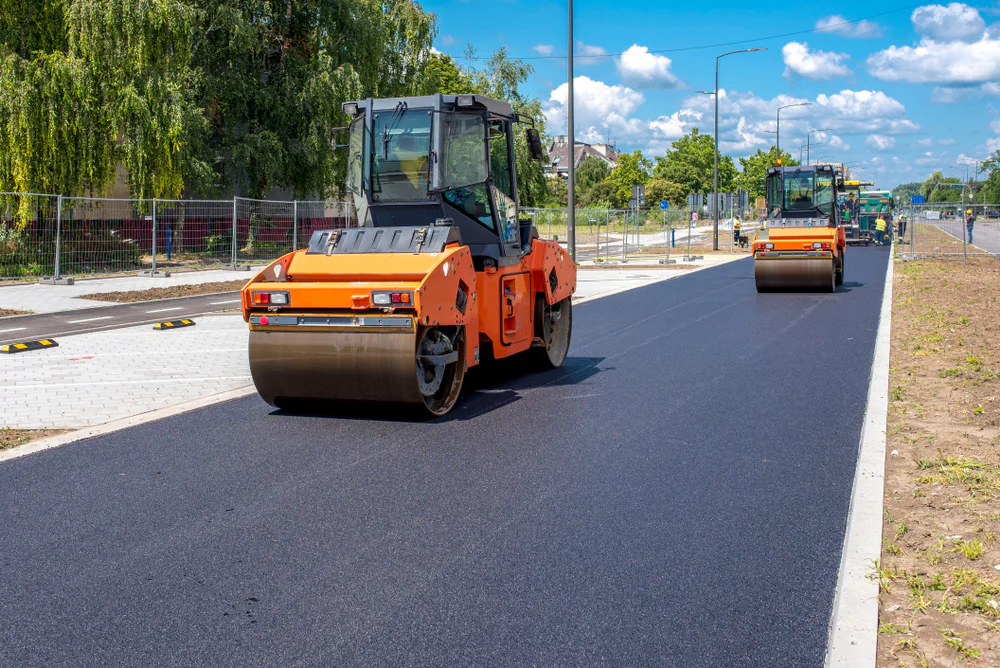
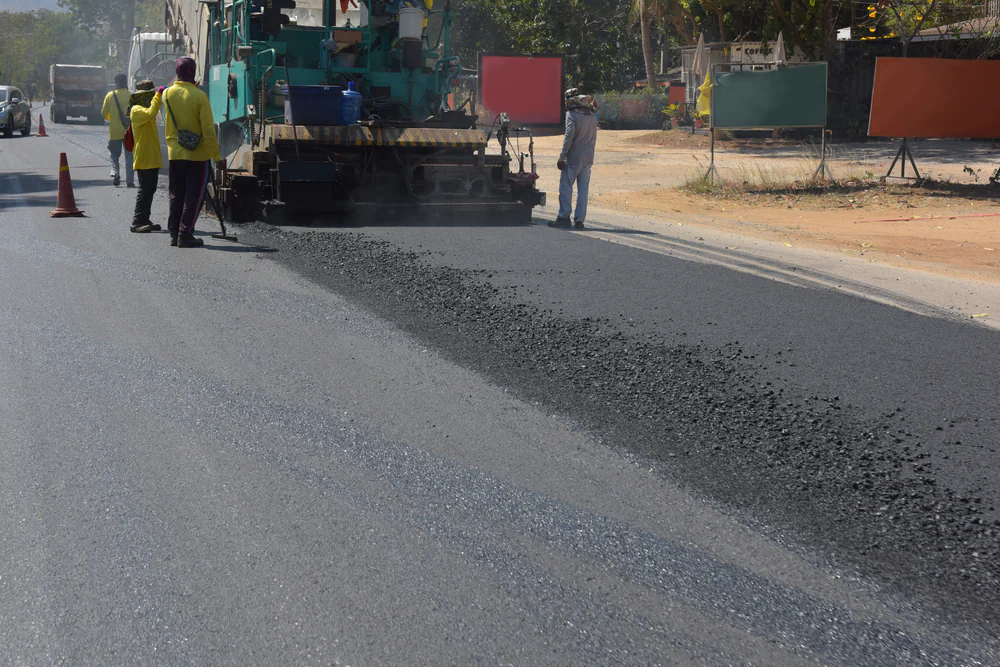
Asphalt installation follows once the base is solid. The material gets laid at the proper temperature, compacted correctly, and finished smooth. Edges are sealed. Transitions to existing surfaces are handled right. You’re told exactly when you can drive on it—usually 48 hours for full cure, though you can walk on it sooner.
Throughout the process, you get updates. No wondering what’s happening or when the crew will show up. If something unexpected comes up—and sometimes it does when you dig into old pavement—you hear about it before decisions get made, not after.
Ready to get started?
Our residential paving in Middletown covers everything from small driveway repairs to complete installations with custom grading. If you’re dealing with a crumbling driveway that’s becoming an eyesore, or you’ve got water pooling near your foundation because the slope is wrong, we fix it properly.
Commercial paving means parking lots, access roads, and loading areas that handle heavy traffic without falling apart. Businesses near downtown Middletown or around Penn State Harrisburg need surfaces that look professional and stay safe. Cracked, potholed parking lots don’t just look bad—they’re liability issues waiting to happen.
Industrial projects require even more durability. Heavy equipment, constant truck traffic, and specific load requirements all factor into material selection and base design. Water management becomes critical when you’re dealing with larger surface areas and runoff regulations.
Middletown’s location in Dauphin County means dealing with both historic properties and new construction. Older sites sometimes need excavation work to address settling or poor original base material. Newer developments need proper installation from the start so problems don’t develop five years down the road. Each property gets evaluated for its specific needs, not forced into a standard package.
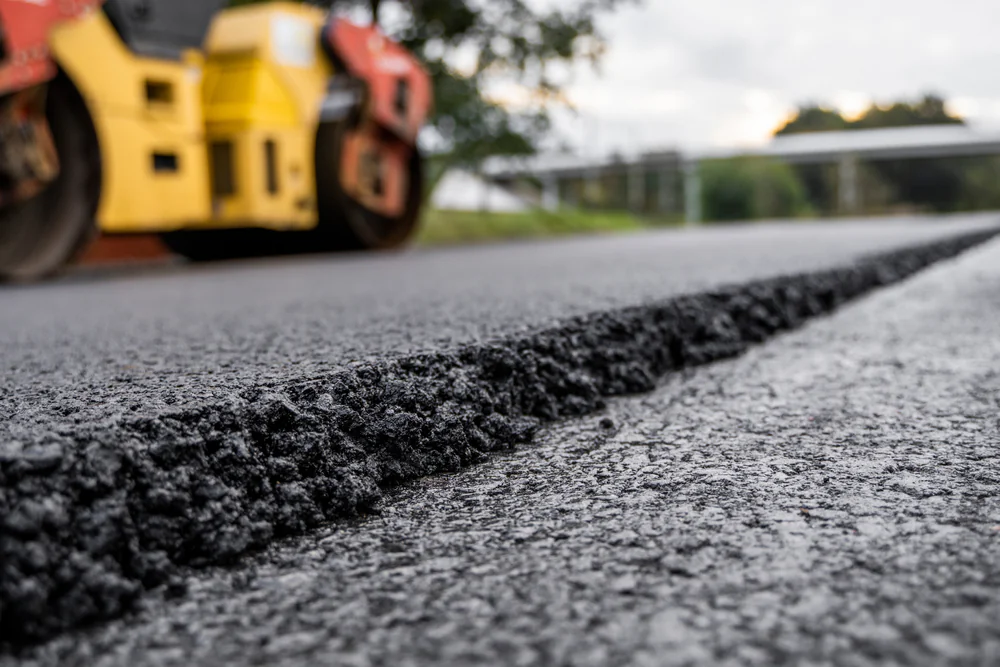
With proper installation and maintenance, you’re looking at 15 to 30 years for asphalt in Pennsylvania. The range depends on traffic, base quality, and how well you maintain it.
Middletown’s freeze-thaw cycles are the biggest threat. Water gets into small cracks, freezes, expands, and tears the pavement apart. That’s why base preparation and drainage matter so much upfront. If water can’t pool on the surface or seep underneath, you avoid most weather-related damage.
Maintenance extends life significantly. Sealcoating every few years protects against UV damage and water penetration. Filling cracks when they’re small prevents them from spreading. Ignoring minor issues turns them into major repairs that cost ten times more.
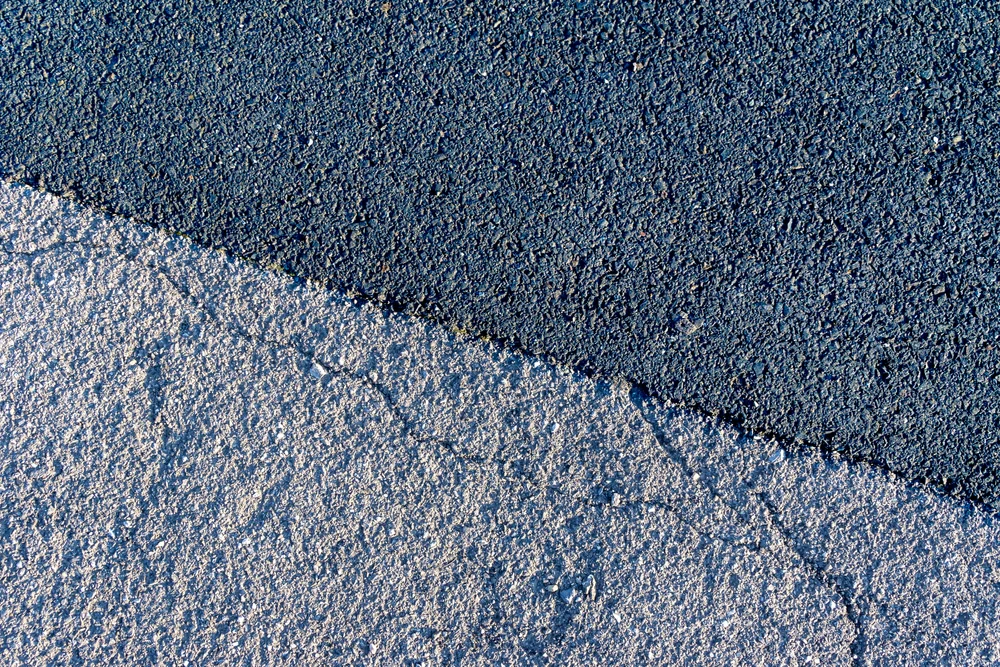
An overlay means putting new asphalt over existing pavement. It works when the base is still solid and you’re mainly dealing with surface wear—fading, minor cracks, or rough texture. It’s less expensive and faster than full replacement.
Complete replacement means tearing out the old pavement, addressing base issues, and starting fresh. You need this when the base has failed, when there’s significant settling or heaving, or when drainage problems have caused structural damage underneath.
Here’s the honest answer most contractors won’t give you: if the base is compromised, an overlay is throwing money away. It might look good for a year or two, but the problems underneath will come back through the new surface. A proper evaluation tells you which approach actually makes sense for your situation, not just which one costs less right now.
Most homeowners in Pennsylvania pay between $7 and $22 per square foot for quality asphalt paving. A typical two-car driveway runs anywhere from $2,500 to $7,000 depending on size, site conditions, and what needs to happen before asphalt goes down.
That range exists for real reasons. If your property has drainage issues, needs significant grading, or requires base material replacement, costs go up. If the site is easy to access and the existing base is solid, you’re on the lower end. Properties with steep slopes or limited equipment access cost more because everything takes longer.
What you’re actually paying for is longevity. Cheap paving fails fast. Proper base preparation, adequate material thickness, and correct compaction cost more upfront but save you from repaving in five years. The goal is getting decades of use, not just a surface that looks good for the first season. Any contractor who gives you a price without seeing your property is guessing, and those guesses rarely work in your favor.
Late spring through early fall gives you the best conditions for asphalt paving in Pennsylvania. You need temperatures consistently above 50 degrees for proper compaction and curing. Cold weather prevents the asphalt from bonding correctly, and you end up with premature failure.
Summer is peak season, which means contractors are busiest. You might wait longer for scheduling, but the weather is ideal. Early fall works well too—temperatures are still warm enough, and contractors often have more availability as the season winds down.
Winter paving is possible for emergency repairs but not ideal for new installations. Spring can be tricky because you’re dealing with ground that’s still settling from freeze-thaw cycles. The worst thing you can do is rush a project during poor conditions just to get it done. Asphalt installed wrong doesn’t suddenly improve with age—it fails faster. Timing the project right matters as much as the installation itself.
Yes. Commercial paving covers parking lots, access roads, loading zones, and any other surfaces that need to handle business traffic. The requirements are different from residential work—heavier loads, more traffic, stricter drainage regulations, and often ADA compliance for accessibility.
We schedule parking lot projects to minimize disruption to your business. That might mean working evenings, weekends, or in phases so you don’t lose all your parking at once. The goal is getting the work done without shutting down your operation.
Commercial surfaces also need ongoing maintenance planning. Sealcoating, crack filling, and line striping should happen on a schedule, not just when things look terrible. Property managers and business owners who stay ahead of maintenance spend less over time and avoid emergency repairs that cost three times more. The conversation starts with understanding your property’s specific needs and traffic patterns, then building a plan that actually makes sense for your situation and budget.
Start with whether they’re licensed and insured. If they’re not, walk away. You need protection if something goes wrong, and you need to know they’re operating legally.
Experience in your specific area matters more than you’d think. Contractors who’ve worked in Middletown and Dauphin County understand local soil conditions, weather patterns, and what actually holds up here. Someone from two states away might do great work in their region but not understand Pennsylvania’s challenges.
Look at how they communicate. Do they show up for estimates when they say they will? Do they explain what needs to happen and why, or just throw numbers at you? Can you reach them with questions, or do calls go to voicemail forever? The relationship doesn’t end when the asphalt is laid—you want someone who’ll be around if issues come up. References and reviews tell you a lot, but trust your gut too. If something feels off during the estimate process, it probably won’t improve once they have your money.
Other Services we provide in Middletown