
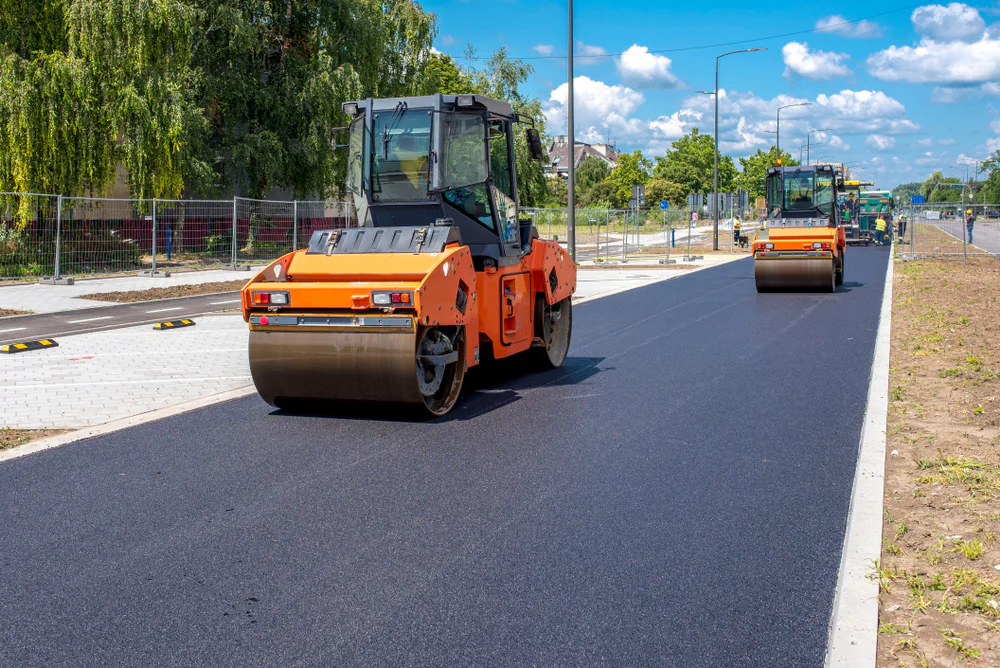
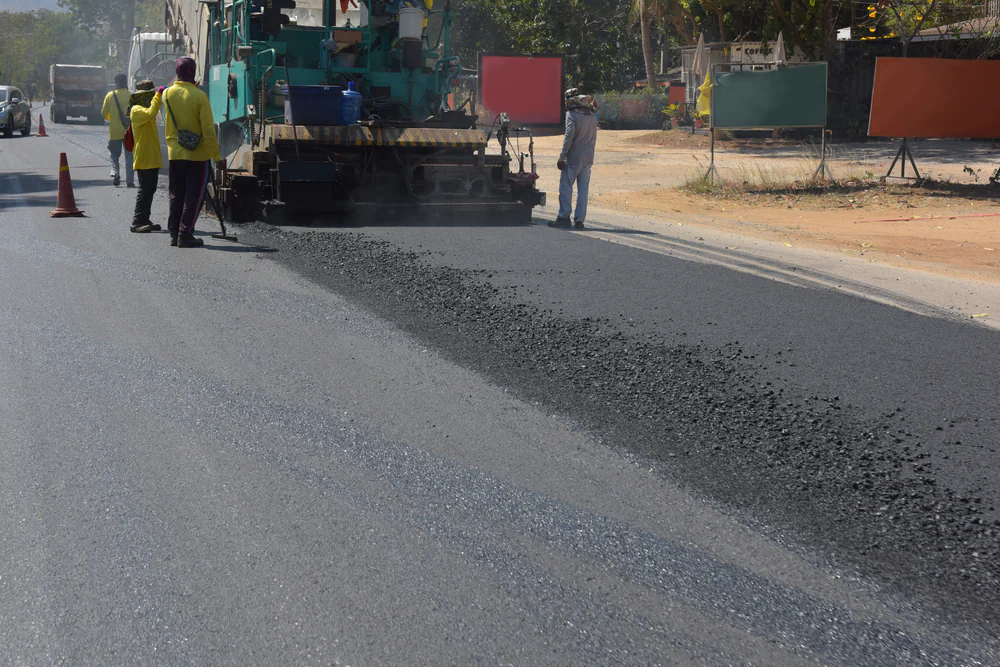
You get a smooth, properly graded surface that drains water where it should. No pooling. No premature cracking from shortcuts you can’t see until it’s too late.
Your driveway handles Pennsylvania winters without falling apart after two seasons. That’s because the base is compacted right, the thickness matches your usage, and the asphalt mix is designed for freeze-thaw cycles—not just the cheapest option at the plant.
Commercial property owners get parking lots that look professional and hold up under traffic. Residential clients get driveways that boost curb appeal and actually last. Both get the same level of care, the same attention to drainage and grading, and the same commitment to doing it right the first time.
We bring expertise that goes back to 1948. That’s not just time in business—it’s knowledge about what actually holds up in Bucks County weather, what drainage solutions work for New Hope properties, and what installation techniques prevent the problems other contractors create.
The difference shows in how we handle projects. One job at a time means our entire crew focuses on your property, not split between three other sites. You get real answers when you call, not excuses about being too busy to update you on your own project.
Our five-star reviews on Angie’s List didn’t happen by accident. They came from treating every client like the priority they deserve to be, whether it’s a residential driveway or a complex commercial site. New Hope property owners know the difference between a contractor who shows up and one who actually delivers.
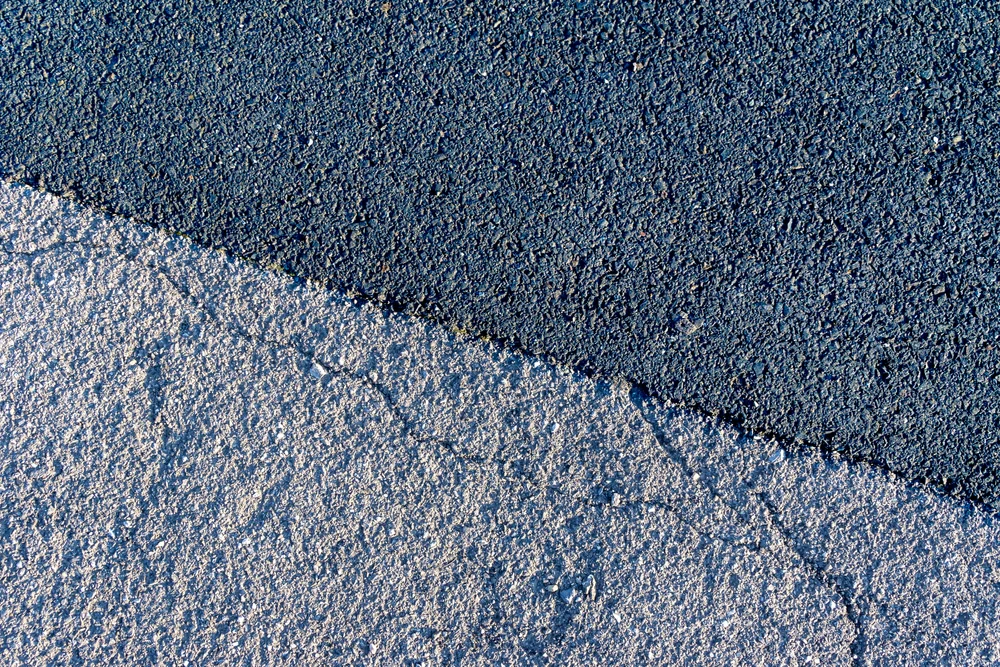
First, we evaluate the site for drainage, grade, and base condition. If water’s going to pool or the foundation won’t support the weight, you need to know before asphalt goes down—not after you’ve paid for work that’ll fail in a year.
The existing surface gets removed if it’s beyond repair, or properly prepped if it’s salvageable. Base material goes down in layers, each one compacted to the right density. This isn’t the exciting part, but it’s what determines whether your pavement lasts 5 years or 25.
Asphalt gets laid at the proper temperature and thickness for your specific use. A driveway for two sedans needs different specs than a commercial lot handling delivery trucks daily. The surface is rolled and finished to the right grade, then given adequate cure time before you drive on it.
You get a clear timeline upfront and updates when anything changes. No disappearing for days with half-finished work sitting in your driveway.
Ready to get started?
Residential driveway paving gets sized and graded for your property’s specific layout and drainage patterns. Slopes, curves, and connection points to existing surfaces all factor into the approach. You get recommendations based on your actual usage—not a one-size-fits-all estimate.
Commercial paving handles the heavier demands of parking lots, loading areas, and high-traffic zones. That means thicker asphalt, reinforced base layers where needed, and proper striping that meets ADA requirements. Industrial sites get solutions for equipment weight and turning radius.
New Hope properties face specific challenges. Winter salt eats at poorly sealed asphalt. Freeze-thaw cycles exploit any weakness in the base. UV exposure from summer sun breaks down surfaces that weren’t protected properly. We understand these factors and design installations that account for them—not just pour asphalt and hope.
Water management matters more than most property owners realize until they have a drainage problem. Grading directs runoff away from structures and prevents pooling that accelerates deterioration. Some sites need additional drainage solutions built into the paving plan from the start.
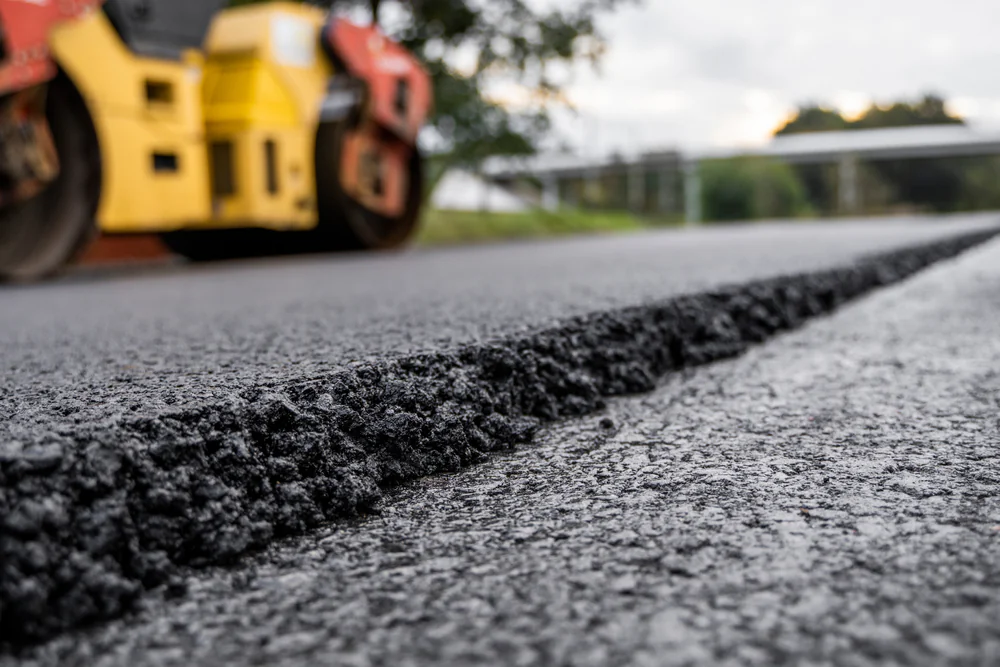
Asphalt paving in New Hope typically runs $5 to $13 per square foot for new installation, depending on site conditions, thickness requirements, and project complexity. A standard two-car residential driveway of about 600 square feet usually costs $3,000 to $7,800 installed.
That range exists because every property is different. A flat, easily accessible driveway with good existing drainage costs less than a sloped site that needs extensive grading and base work. Commercial projects requiring thicker asphalt for heavy vehicle traffic run higher per square foot but often benefit from economies of scale on larger areas.
The cheapest bid isn’t always the best value. Contractors who cut corners on base preparation or asphalt thickness deliver work that fails prematurely. You’ll spend more fixing those problems than you saved upfront. Look for detailed estimates that break down materials, base prep, thickness specs, and drainage solutions—not just a total square footage price.
A properly installed asphalt driveway in Pennsylvania lasts 15 to 25 years with regular maintenance, and potentially 30+ years with excellent care. The lifespan depends heavily on three factors: installation quality, maintenance consistency, and usage patterns.
Installation quality means adequate base preparation, proper asphalt thickness for your usage, and correct compaction at every layer. Shortcuts here cost you years of life. A driveway installed with 2 inches of asphalt over poorly compacted base might fail in 5 to 7 years. The same driveway with 3 to 4 inches of asphalt over properly prepared base could last 20+ years.
Maintenance extends lifespan significantly. Sealcoating every 2 to 3 years protects against UV damage, water penetration, and chemical breakdown from salt and oil. Prompt crack repair prevents small issues from becoming major failures. Pennsylvania’s freeze-thaw cycles are particularly hard on asphalt—water gets into cracks, freezes, expands, and creates bigger problems fast.
Asphalt repair addresses localized damage like cracks, potholes, or small failed sections without replacing the entire surface. Replacement means removing and reinstalling the pavement. The right choice depends on damage extent, age, and overall condition.
Repair makes sense when damage is isolated and the overall pavement structure is sound. Crack filling, patching individual potholes, or replacing small sections costs a fraction of full replacement. If your driveway is relatively new and only has minor damage from a specific incident, repair is usually the smart move.
Replacement becomes necessary when damage is widespread or the base has failed. If you’re seeing alligator cracking (interconnected cracks forming a pattern), significant settling, or drainage problems across large areas, the underlying structure has likely deteriorated. Patching these issues is throwing money at symptoms while the real problem continues underneath. A driveway approaching 20+ years old with multiple problem areas typically needs replacement, not more patches.
Late spring through early fall offers the best conditions for asphalt paving in New Hope, PA. Asphalt needs warm temperatures to properly compact and cure—ideally above 50°F during installation and for several days after.
Spring paving (April through June) works well once temperatures stabilize and ground moisture from winter has dissipated. Properties with drainage issues become apparent in spring, making it a good time to address those problems during paving projects. Summer (July through August) provides consistently warm temperatures ideal for asphalt installation and curing, though extreme heat can occasionally complicate scheduling.
Early fall (September through October) is prime paving season in Pennsylvania. Temperatures remain warm enough for proper installation, but you’re working ahead of winter damage season. Getting paving done before winter means your surface has time to cure properly before facing freeze-thaw cycles and salt exposure. Late fall and winter paving is possible but requires special considerations and may cost more due to weather-related challenges.
Most residential driveway paving projects in New Hope require a permit from the local municipality, particularly if you’re changing the driveway footprint, altering drainage patterns, or connecting to public roads. Repaving an existing driveway in the same location typically has simpler requirements, but you should verify before work begins.
Commercial paving projects almost always require permits, often including site plan approval, stormwater management plans, and ADA compliance documentation for parking areas. The permitting process can take several weeks, so factor that into your project timeline.
We handle permit applications as part of our service or guide you through the process. If a contractor suggests skipping permits to save money or time, that’s a red flag. Unpermitted work can create problems with property sales, insurance claims, and municipal violations that cost far more to fix than the permit would have cost. Ask us about permit requirements specific to your project during the estimate phase.
New asphalt needs 6 to 12 months to fully cure before sealcoating. During that time, avoid heavy loads in one spot, clean up oil or gas spills promptly, and watch for any settling or drainage issues that need attention while the surface is still adjusting.
After the initial cure period, sealcoating every 2 to 3 years protects your investment. Sealcoating costs $0.15 to $0.25 per square foot in Pennsylvania—a fraction of replacement costs—and can extend pavement life by 25% or more. It creates a protective barrier against UV rays, water penetration, salt damage, and petroleum products that break down asphalt.
Crack repair should happen promptly when cracks appear. Small cracks filled early prevent water infiltration that leads to bigger problems. Pennsylvania’s freeze-thaw cycles turn minor cracks into major failures quickly once water gets underneath the surface. Regular inspection after winter identifies issues before they become expensive repairs.
Other Services we provide in Newhope