You’re not looking for the cheapest option. You’re looking for someone who shows up, does the work right, and doesn’t leave you guessing what happens next.
That’s where most paving projects go sideways. Poor drainage creates potholes by spring. A sub-base that wasn’t compacted properly shifts and settles. A crew rushes through to get to the next job, leaving you with a surface that looks fine on day one but fails by year two. You end up paying twice: once for the install, and again for the repairs.
When we take on a project in Richboro, our full crew focuses on your property until it’s done. No splitting time between three other jobs. No subcontractors who may or may not show up. We handle everything from grading and drainage to the final roll, and we do it with techniques designed specifically for Pennsylvania’s freeze-thaw cycles. The result is a driveway or parking lot that doesn’t crack apart after one winter.
We’ve been in the paving business since 1948. That’s not a typo—we’ve been doing this since before most of the houses in Richboro Woods were built.
What that means for you is straightforward: we’ve seen every type of soil condition, drainage challenge, and weather pattern this area can produce. We know how water moves through Northampton Township properties. We understand why certain base materials work better near Churchville Reservoir and what it takes to handle the heavy traffic patterns around Council Rock School District.
We’re not the biggest paving company in Bucks County, and that’s by design. We work on one project at a time so every customer gets the same level of attention—whether you’re paving a residential driveway on Almshouse Road or a commercial lot on Second Street Pike.
We start with an honest assessment. That means walking your property, looking at drainage, checking the existing base if you have one, and talking through what you actually need—not what makes us the most money.
If your current driveway has drainage issues, we’ll tell you. If the base needs work, we’ll explain why. If you can get away with resurfacing instead of a full replacement, we’ll let you know that too.
Once we agree on the scope, we clear and prep the site. This includes removing old asphalt or concrete, grading for proper water flow, and building a compacted sub-base that can handle Pennsylvania winters. The sub-base is the most important part of the whole project—it’s what keeps your pavement from cracking and settling over time.
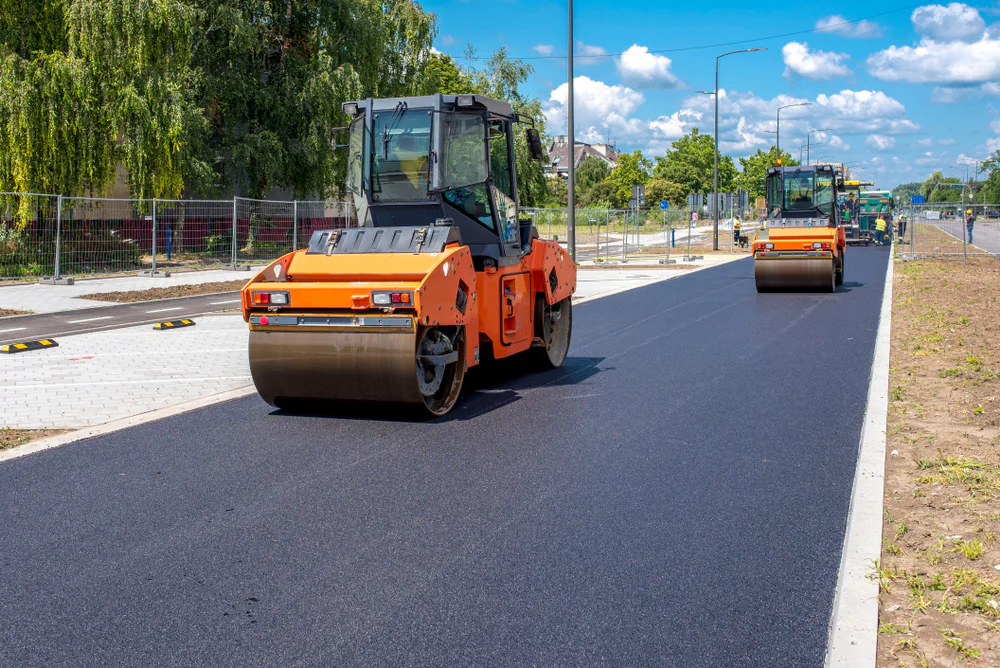
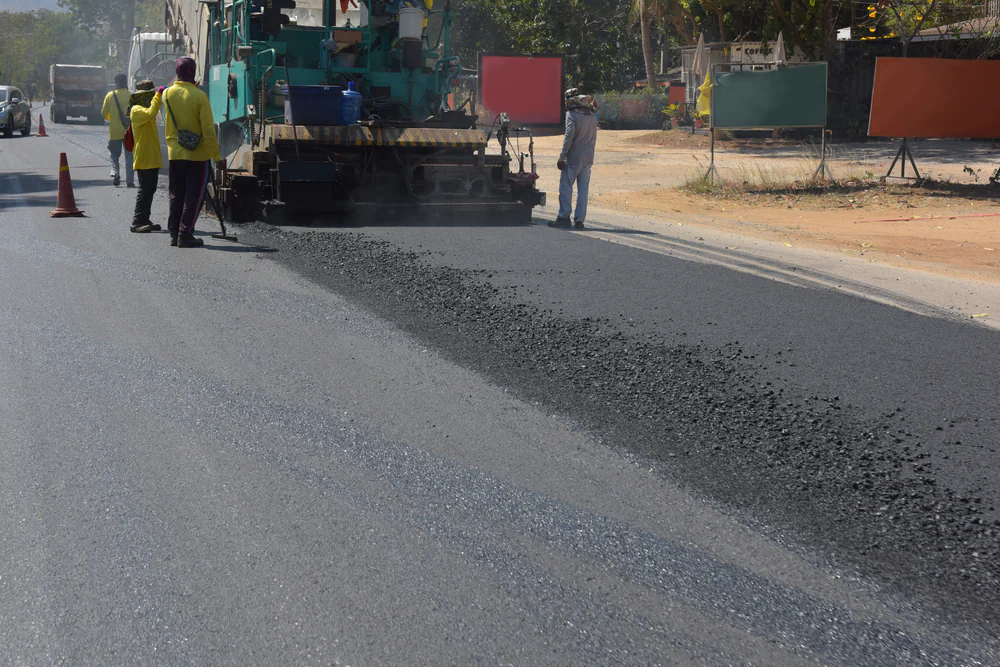
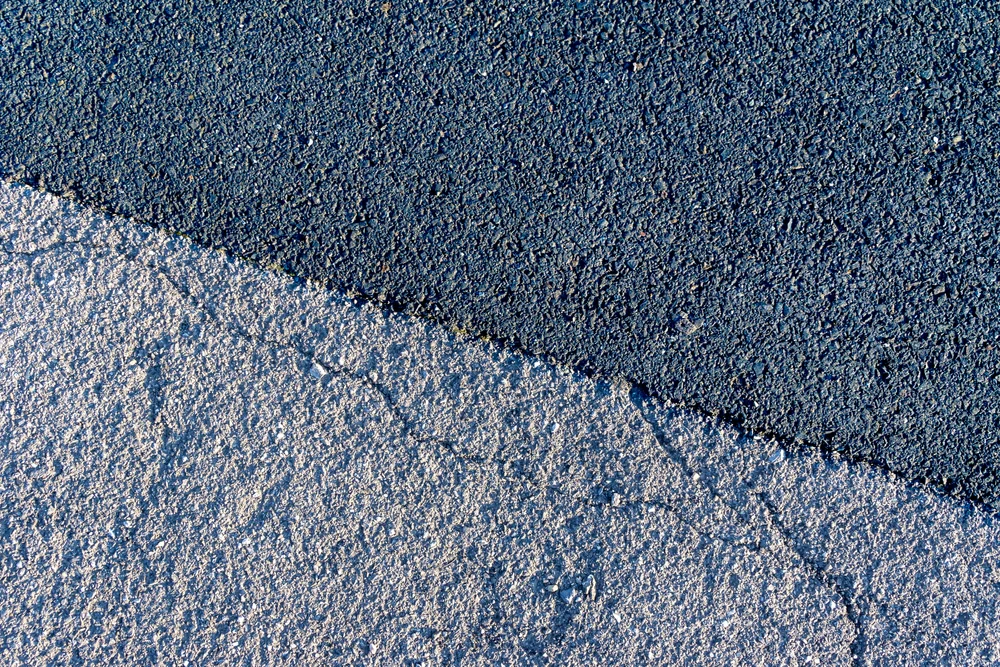
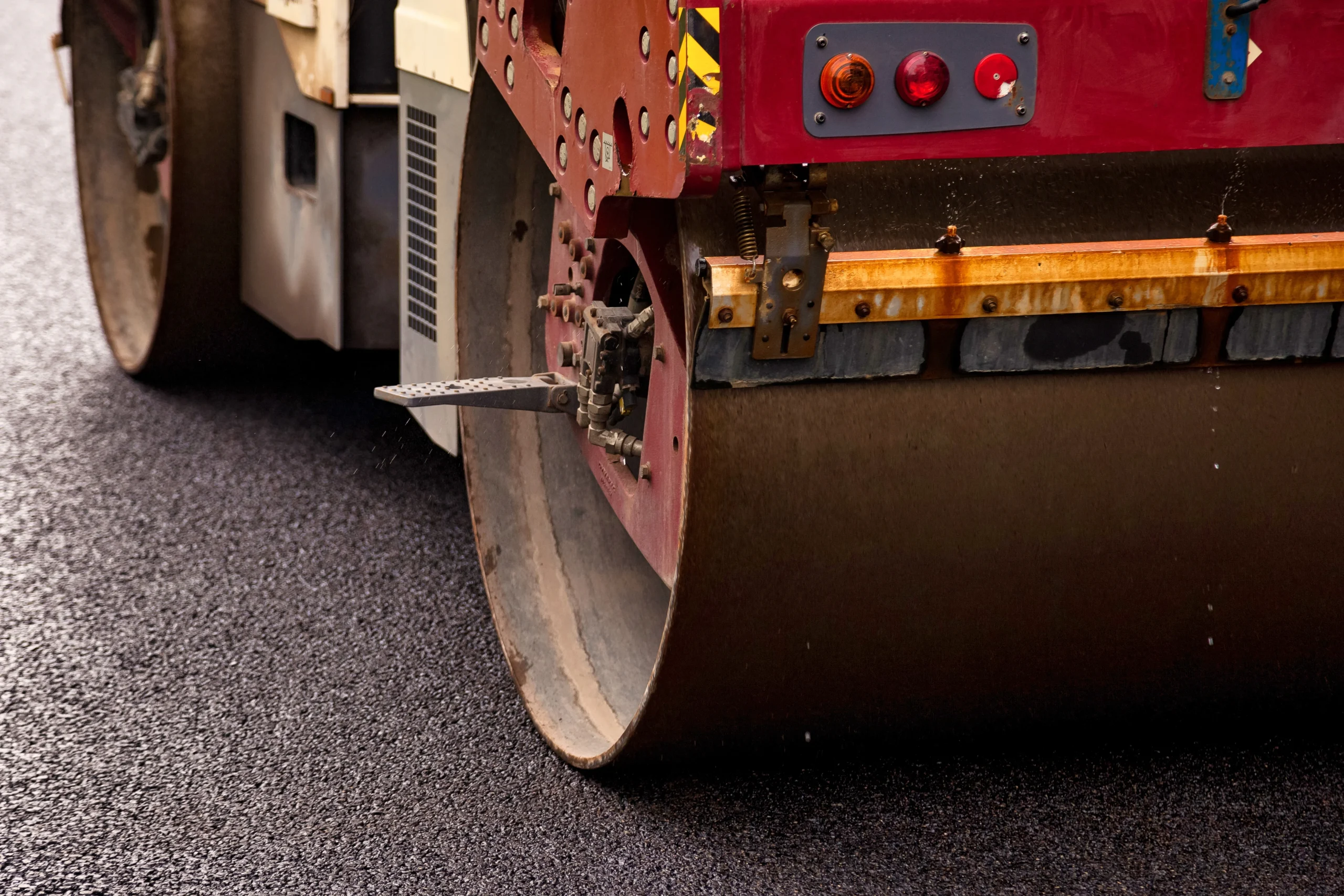
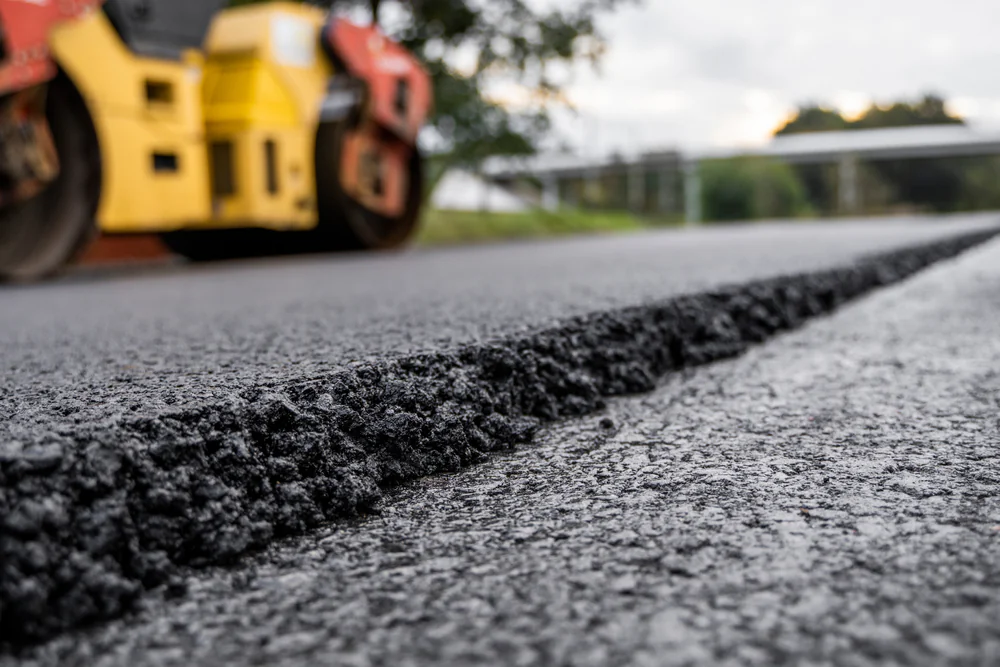
After the base is solid, we install the asphalt. The mix arrives hot from the plant, gets laid down with precision grading equipment, and then compacted with heavy rollers to eliminate air pockets and create a dense, durable surface. We make sure transitions between old and new pavement are smooth, and we don’t leave until the job meets our standards.
Most residential driveways take one to two days. Larger commercial projects take longer, but we’ll give you a realistic timeline upfront and keep you updated if anything changes.
Ready to get started?
Every paving project in Richboro starts with the same foundation: proper drainage and a solid base. Without those two things, it doesn’t matter how nice the asphalt looks on day one—it won’t last.
We handle residential driveways, commercial parking lots, and industrial paving projects. For homeowners, that usually means a new driveway or overlay, with grading adjustments to fix water pooling issues. For commercial properties, it might include parking lot striping, ADA-compliant access routes, and phased construction so your business stays operational during the work.
Richboro’s clay-heavy soil and proximity to natural water sources mean drainage is a bigger deal here than in some other parts of Bucks County. Properties near Churchville Reservoir or along the lower-lying areas off Jacksonville Road often need additional subsurface drainage solutions. We account for that in every estimate. If your property needs catch basins, grading adjustments, or French drains, we’ll include that in the plan from the start—not as a surprise add-on halfway through the job.
We also offer sealcoating, crack repair, and ongoing maintenance services. Asphalt needs protection from UV rays, water intrusion, and the oil and salt that Pennsylvania roads see every year. Regular sealcoating extends the life of your pavement and keeps small cracks from turning into expensive problems.
Most residential driveway paving projects in Richboro run between $5 and $12 per square foot, depending on the condition of your existing base, drainage needs, and the size of the area. A typical two-car driveway costs anywhere from $3,000 to $7,000 for a complete installation.
If your current driveway just needs resurfacing and the base is still solid, you’re looking at the lower end of that range. If we need to remove old pavement, regrade for drainage, and build a new sub-base, the cost goes up—but so does the lifespan of the finished product. You’re not just paying for asphalt. You’re paying for a foundation that won’t shift, drainage that prevents water damage, and compaction that keeps everything stable through decades of freeze-thaw cycles.
We don’t give ballpark estimates over the phone because every property is different. What works for a flat driveway with good drainage won’t work for a sloped property with water issues. We’ll come out, assess your site, and give you a transparent breakdown of what’s included and why.
Most residential driveways in Richboro take one to two days to complete, depending on size and site conditions. If we’re doing significant grading or drainage work, it might take an extra day for prep.
You can usually walk on new asphalt within 24 hours and drive on it carefully within two to three days. We recommend avoiding heavy vehicles and sharp turns for the first week while the asphalt fully cures. Full curing takes about 30 days, but you don’t need to stay off it completely during that time—just be mindful of where you park and avoid dragging heavy equipment across the surface.
If you’re getting sealcoating done later, you’ll need to wait at least 90 days (and sometimes up to six months) after installation before applying the first sealcoat. Fresh asphalt needs time to cure and release oils before it can be sealed properly. Rushing this step can trap moisture and actually shorten the life of your pavement.
Pennsylvania gets 30 to 50 freeze-thaw cycles every winter, which is one of the harshest conditions asphalt can face. When water seeps into small cracks, it freezes, expands, and pushes the pavement apart. Then it thaws, contracts, and the cycle repeats—turning hairline cracks into potholes in a single season.
The best prevention starts with proper installation. That means a well-compacted sub-base that doesn’t shift, grading that moves water away from the pavement, and asphalt thick enough to handle the stress. If any of those things are missing, cracks are inevitable. Most driveways that fail after one or two winters weren’t installed with adequate drainage or base preparation. The asphalt itself is rarely the problem—it’s what’s underneath that determines how long your driveway lasts.
Once your driveway is installed, regular maintenance makes a huge difference. Sealcoating every three to five years fills surface pores and prevents water from penetrating. Repairing small cracks as soon as they appear keeps them from spreading. And keeping your driveway clear of standing water—whether that means cleaning gutters or adjusting landscaping—reduces the amount of moisture that gets into the pavement in the first place.
It depends on the condition of your existing base. If the current asphalt has minor surface cracks, some fading, and light wear but the base underneath is still solid, resurfacing is usually a good option. We’ll add a new layer of asphalt over the top, giving you a fresh surface at a lower cost than full replacement.
But if your driveway has deep cracks, widespread potholes, or areas that have sunk or heaved, resurfacing won’t fix the problem—it’ll just cover it up temporarily. In those cases, the base has failed, and you need a full removal and reinstall to get a driveway that lasts. Putting new asphalt over a failed base is like putting a new roof on a house with rotten framing. It might look better for a few months, but the underlying problem will resurface quickly.
When we assess your property, we’ll do a proof roll test if needed to check the base stability. If it flexes too much under weight, that’s a sign the foundation isn’t strong enough to support new asphalt. We’ll give you an honest recommendation based on what we find, not what makes us the most money.
Start with experience—specifically, experience with projects like yours in this area. A contractor who’s been working in Bucks County for decades will understand the soil conditions, drainage challenges, and climate factors that affect how asphalt performs here. Someone from out of the area might not know why certain properties near Churchville Reservoir need extra drainage attention or how to handle the clay-heavy soil common in Northampton Township.
Ask how they handle the base and drainage. If a contractor doesn’t talk about grading, water flow, and sub-base compaction in the first conversation, that’s a red flag. Those are the most important parts of the job, and they’re where most cheap installations fail. Anyone can pour asphalt. Not everyone knows how to build the foundation that makes it last.
Check references and reviews, but don’t just look at the star rating—read what people actually say. Are there complaints about communication? Projects that dragged on for weeks? Surprise costs that weren’t in the estimate? Those patterns tell you more than a single bad review. And make sure they’re licensed and insured. Ask who’s actually doing the work—some companies subcontract everything, which creates a disconnect between what you’re promised and what gets delivered.
The two most important things you can do are sealcoating and crack repair. Sealcoating should happen every three to five years, depending on how much sun exposure and traffic your driveway gets. It protects against UV damage, prevents water intrusion, and keeps the surface from oxidizing and turning brittle. Think of it as sunscreen for your pavement—it’s a small investment that prevents much bigger problems down the road.
Crack repair should happen as soon as you notice cracks forming. Small cracks are easy and inexpensive to fill. If you ignore them, they turn into bigger cracks, then potholes, and eventually you’re looking at major repairs or replacement. Water is asphalt’s biggest enemy, and cracks are the entry point.
Beyond that, keep your driveway clean. Sweep off debris regularly, especially leaves and dirt that can trap moisture. If you get oil or gas spills, clean them up quickly—petroleum products break down asphalt over time. And avoid using metal shovels or plows in the winter—they can gouge the surface and create weak spots where water gets in. A plastic shovel or snow blower is a better choice for protecting your investment.
Other Services we provide in Richboro