Your asphalt takes a beating. Pennsylvania winters crack weak installations. Summer heat tests poor materials. And when contractors cut corners on the base or rush the compaction, you’re looking at repairs within a year or two.
That’s not how we work. We build surfaces designed to handle freeze-thaw cycles, heavy loads, and decades of use. Our crew prepares every inch of the base, manages water drainage properly, and compacts each layer to prevent premature cracking or settling.
You get a driveway or lot that looks clean, drains correctly, and doesn’t need constant patching. No callbacks for sinking spots. No crumbling edges after one winter. Just solid asphalt that does its job.
Our foundation goes back to 1948. That’s decades of understanding what works in this region—what base materials hold up, how to grade for Bucks County drainage, and which shortcuts lead to callbacks.
We operate with a straightforward approach: one crew, one project at a time. No juggling multiple jobs. No stretched-thin teams. Every driveway, parking lot, or commercial site gets full attention from start to finish. The owner stays involved, communication stays clear, and the work reflects standards built over generations—not quarterly profit targets.
Upper Makefield property owners work with a local contractor who knows the area’s soil conditions, understands township requirements, and has completed countless projects throughout Newtown, Yardley, and surrounding Bucks County communities. That local presence means accountability, reputation that matters, and expertise specific to what your property needs.
Good asphalt work starts below the surface. First, the existing material gets removed completely—old asphalt, concrete, or failing base layers. Heavy equipment clears the area down to stable ground.
Next comes grading and drainage planning. Water is asphalt’s worst enemy. We slope the surface to direct runoff away from the pavement, preventing pooling that leads to cracks and frost heave during winter months.
The sub-base gets installed and compacted in layers. This foundation supports everything above it and acts as a frost barrier. Proper compaction here determines whether your asphalt lasts five years or twenty-five. A proof roll—running a loaded truck over the entire base—identifies any soft spots that need reinforcement before asphalt goes down.
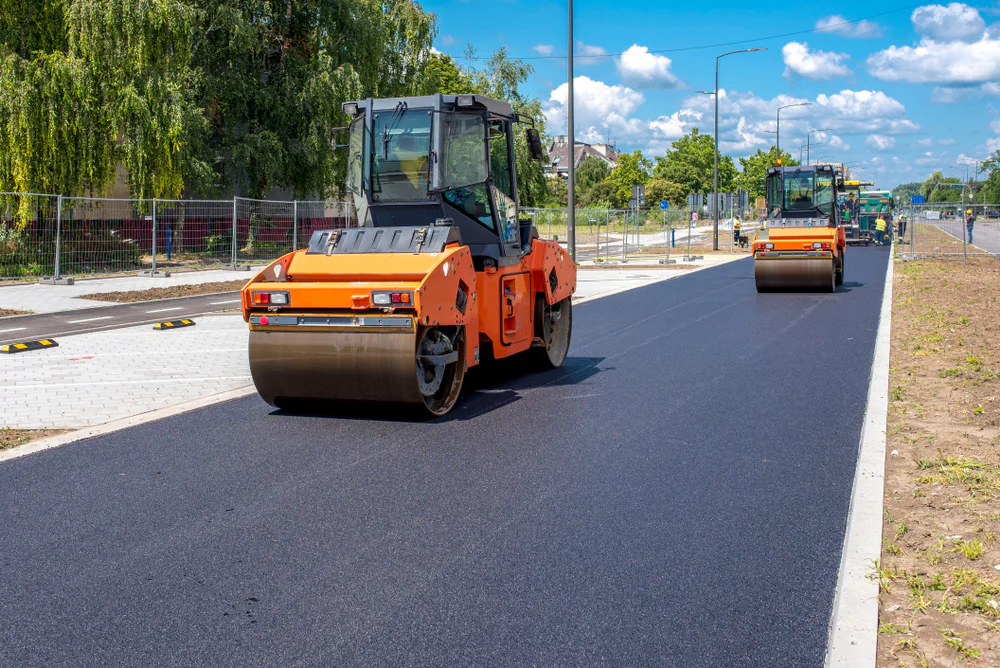
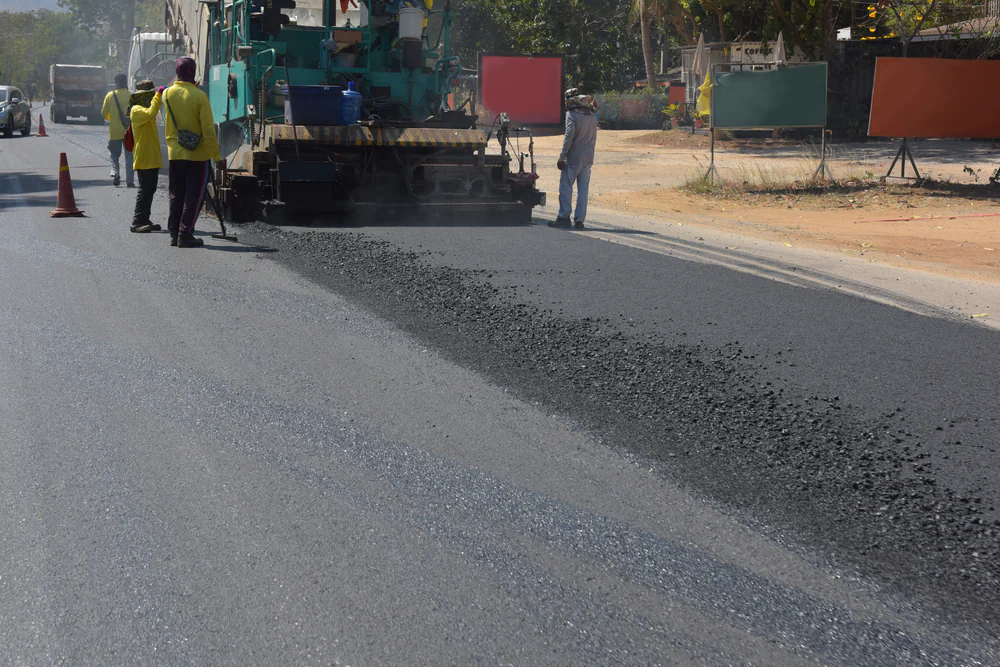
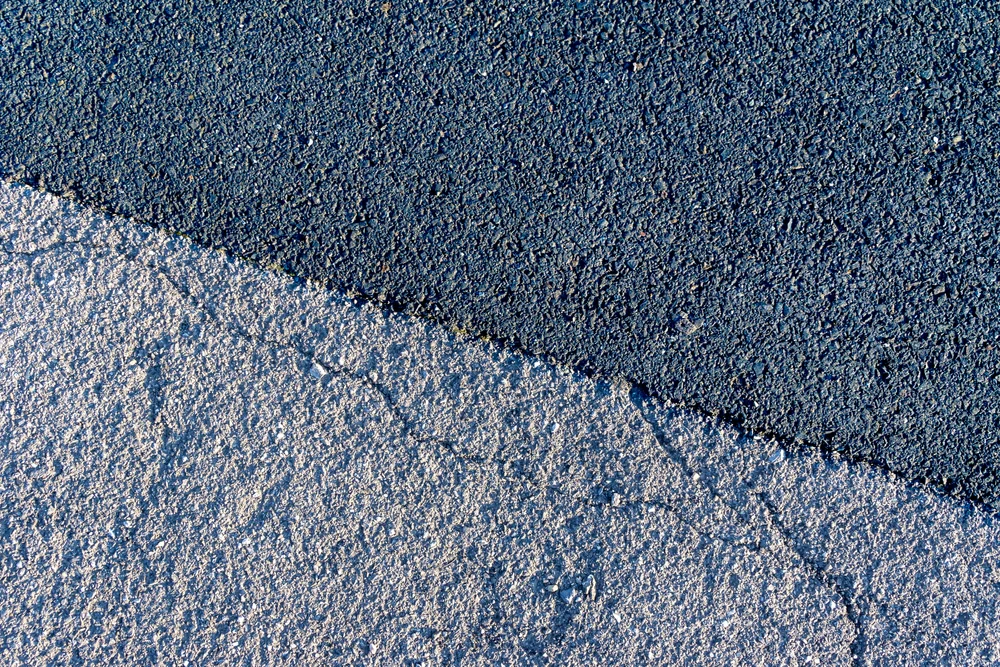
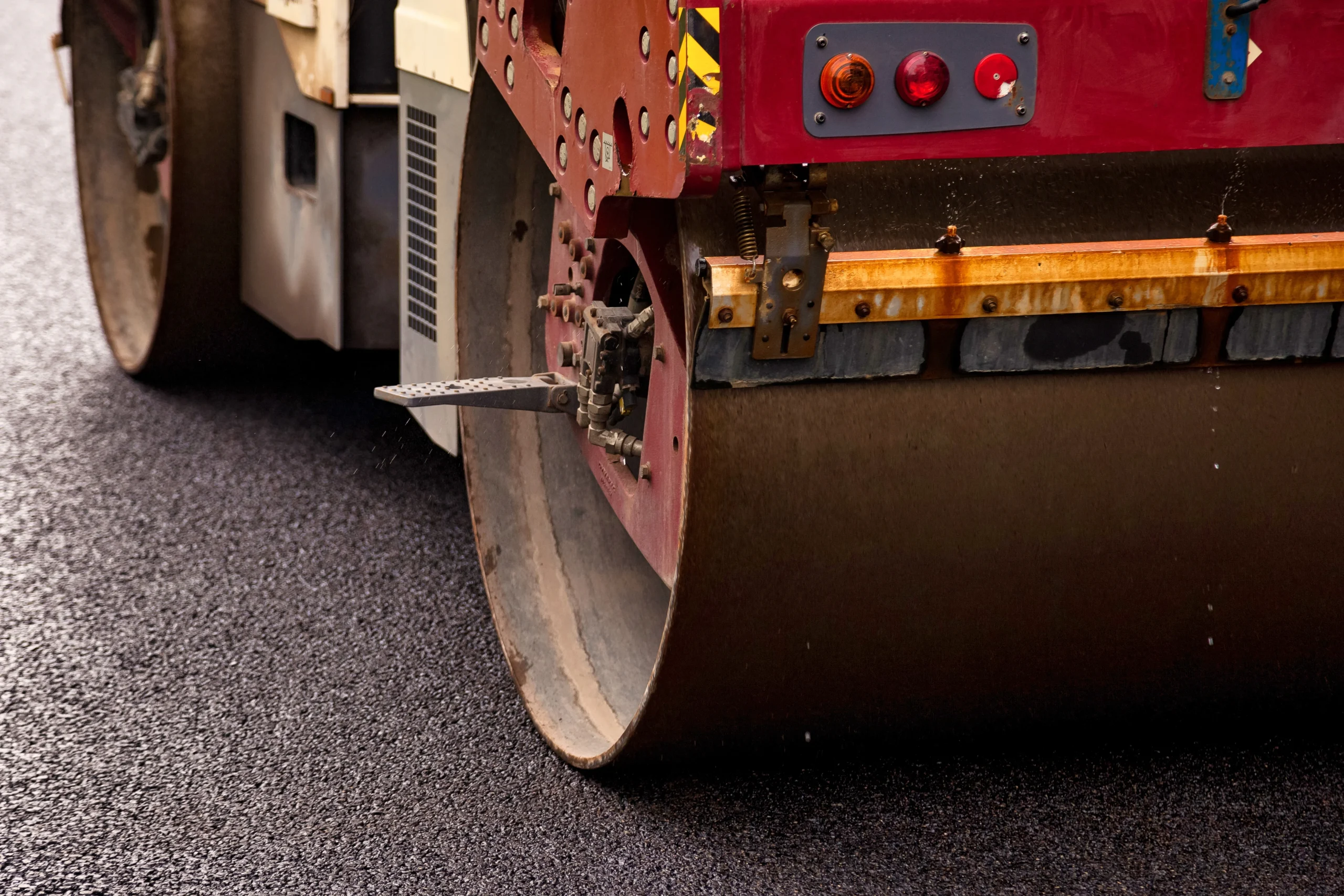
Then the asphalt layers: a binder course for strength, followed by the smooth surface course. Each layer is compacted while hot to eliminate air pockets and create a dense, durable surface. Transitions to existing pavement get special attention to prevent lips or gaps.
The entire process follows a sequence that can’t be rushed. Skipping steps or compressing timelines creates problems you’ll see within months.
Ready to get started?
We handle residential driveways, commercial parking lots, and industrial paving throughout Upper Makefield and surrounding Bucks County areas. Services include new installations, complete replacements, and water management solutions.
Every project starts with a site assessment and written estimate. No vague quotes. No “we’ll figure it out as we go.” You get exact scope, timeline, and pricing before work begins. We coordinate scheduling around your needs—not the other way around.
Bucks County properties face specific challenges. The region’s freeze-thaw cycles demand proper base preparation. Local soil conditions require attention to drainage and compaction. Upper Makefield’s mix of historic properties and newer developments means we need flexibility to handle everything from tight residential driveways near Eagle Road to expansive commercial lots serving the township’s growing business corridor.
We offer specialized discounts for seniors, military personnel, and first-time customers. Not as a gimmick, but as a straightforward way to work with the community that’s supported our business for decades. Communication stays direct throughout—project updates, timeline adjustments, and any site-specific issues get addressed immediately, not after you’ve called three times.
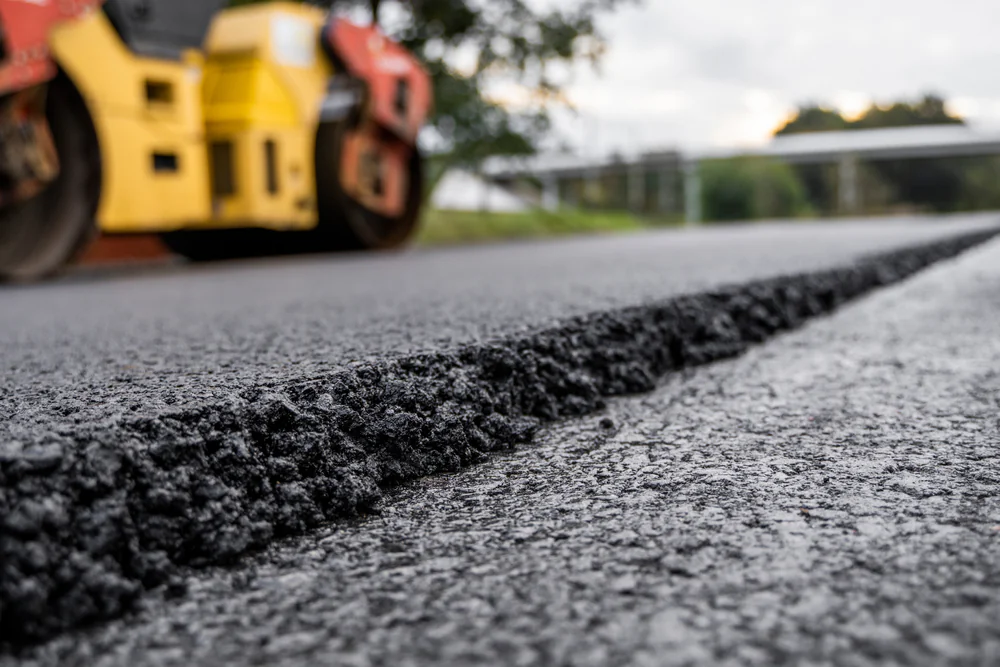
Timeline depends on project size and site conditions. A standard residential driveway typically takes two to three days from demolition to final compaction. Day one involves removing old material and preparing the base. Day two focuses on sub-base installation and compaction. Day three includes asphalt installation and final rolling.
Commercial projects or larger parking lots extend that timeline based on square footage and complexity. Weather plays a role—asphalt needs temperatures above 50 degrees for proper installation and curing. Rain delays can push schedules, which is why transparent communication about realistic timelines matters more than promising unrealistic completion dates.
We work one job at a time, so your project gets continuous attention rather than sporadic visits between other sites. You’ll know the schedule upfront and get updates if anything changes.
Poor drainage tops the list. Water that pools on or under asphalt weakens the base and accelerates deterioration. Pennsylvania’s freeze-thaw cycles amplify this—water seeps into small cracks, freezes, expands, and creates larger damage. Proper grading and drainage planning during installation prevent most of these issues.
Inadequate base preparation is the second major culprit. If the sub-base isn’t thick enough, properly compacted, or built with quality materials, the asphalt above will crack and settle. Some contractors rush this step because it’s not visible in the finished product, but it determines how long your pavement lasts.
Thin asphalt layers also fail quickly. Residential driveways need at least two to three inches of compacted asphalt. Commercial lots handling heavier traffic require more. Skimping on thickness to lower costs creates problems within a year or two. Finally, lack of maintenance—ignoring small cracks, skipping sealcoating—allows minor issues to become major repairs.
It depends on the condition of what’s currently there. If the existing asphalt has a solid base, minimal cracking, and proper drainage, an overlay might work. This involves milling the top layer and applying new asphalt over the existing surface. It’s faster and less expensive than full replacement.
However, if the current pavement has widespread cracking, base failure, drainage problems, or significant settling, overlay just covers up issues that will resurface quickly. In those cases, complete removal and reinstallation is the only solution that makes sense. Trying to save money with an overlay on failing pavement wastes your investment.
A proper site assessment determines which approach fits your situation. That involves looking at crack patterns, checking for base stability, evaluating drainage, and being honest about what will actually hold up long-term. Some contractors push overlays because they’re easier to sell, but if the underlying structure is compromised, you’re better off doing it right the first time.
Commercial paving handles heavier loads and higher traffic volume, which changes the specifications. Parking lots typically need thicker asphalt—often four inches or more compared to two to three inches for residential driveways. The base preparation is also more robust to support delivery trucks, constant vehicle traffic, and potential heavy equipment.
Commercial projects include additional elements like striping, ADA-compliant spaces, proper drainage for larger surface areas, and coordination with business operations to minimize disruption. Timing matters more—most commercial paving happens during off-hours or scheduled closures to avoid impacting customers or operations.
Residential work focuses on aesthetics, proper transitions to garages and sidewalks, and ensuring the driveway integrates with the property’s overall appearance. The scale is smaller, but attention to detail remains critical. Both require proper base preparation, quality materials, and correct installation techniques. The main differences are load requirements, surface area, and project complexity.
You can typically walk on new asphalt within 24 hours. Light vehicle traffic—standard cars—can use the surface after 48 to 72 hours in good weather conditions. However, full curing takes longer, and asphalt continues to harden over several weeks.
During the first week, avoid parking in the same spot repeatedly, especially in warm weather. Asphalt is more pliable when new and hot temperatures can cause temporary indentations from stationary weight. Also avoid sharp turns with your steering wheel locked, which can scuff the surface before it’s fully cured.
Heavy vehicles like delivery trucks or moving vans should wait at least a week, preferably longer. The exact timeline depends on weather—hot temperatures slow curing, while cooler conditions help asphalt set faster. We provide specific guidance based on installation conditions and your property’s typical use. Following these recommendations protects your investment and prevents surface damage during the curing period.
Start with verifiable local presence and track record. Companies that have served Bucks County for years have reputations you can check. Look for reviews on multiple platforms, ask for references, and confirm they’re properly licensed and insured.
Get everything in writing before work starts—detailed scope, specific materials, timeline, and total cost. Be wary of contractors who show up unannounced offering deals, can’t provide written estimates, or want large upfront payments in cash. Those are red flags that appear repeatedly in complaints about paving scams.
Ask about their process. Contractors who can explain base preparation, drainage planning, and compaction procedures demonstrate actual expertise. Those who gloss over details or promise unrealistically fast timelines often cut corners. Find out if they handle one project at a time or juggle multiple jobs—that affects the attention your property receives.
Finally, clear communication matters. You should be able to reach your contractor, get straight answers, and receive updates throughout the project. If getting information feels difficult during the sales process, it won’t improve once they have your money. Check how they handle questions during your initial consultation—that’s usually how they’ll handle the entire project.
Other Services we provide in Uppermakefield