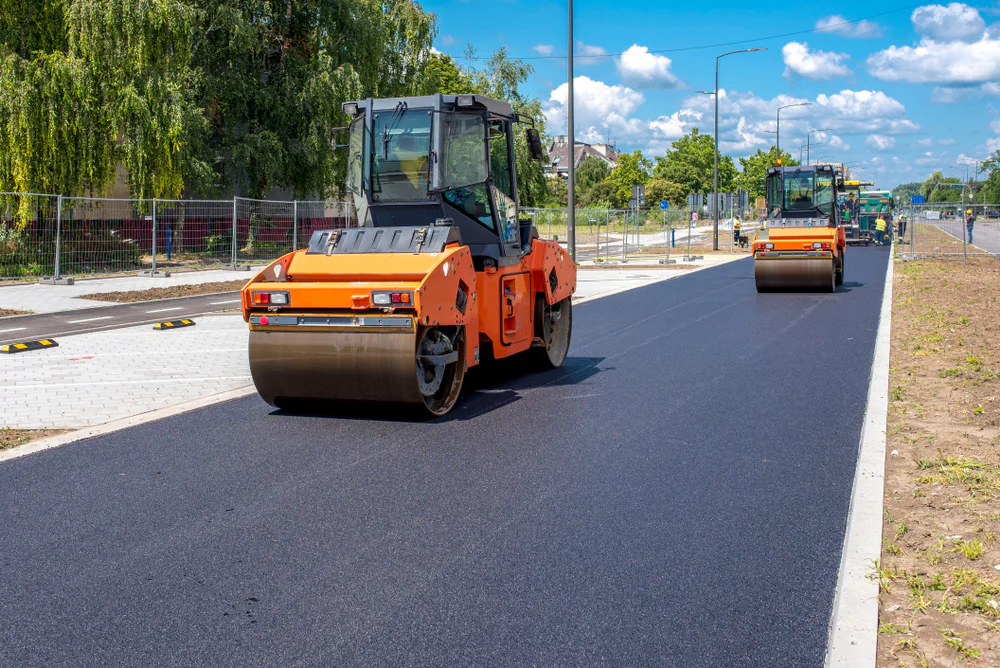
A smooth driveway that doesn’t crack after one winter. A parking lot that drains properly instead of pooling water at the entrance. Asphalt that looks clean, holds up under traffic, and doesn’t need patching six months later.
That’s what happens when your paving installation is planned correctly from the start. Proper grading means water flows away from your foundation. The right base depth means the surface won’t sink or buckle. Quality materials mean the asphalt stays flexible through temperature swings instead of turning brittle and cracking.
You stop worrying about whether you made the right call. Your property looks better. And you’re not calling someone back next year to fix what should’ve been done right the first time.
We’ve been in the paving business since 1948. That’s not a typo—nearly 80 years of understanding what works in New Jersey and what doesn’t.
Our crew works on one job at a time. Not three jobs in one day where we’re rushing between sites. Your project gets full attention until it’s finished correctly. The owner is on-site for every job, which means quality control isn’t left to chance.
Windsor property owners deal with the same weather extremes as the rest of Mercer County—cold winters that crack weak asphalt and hot summers that test poor installations. We know how to build for those conditions because we’ve been doing it for decades across residential driveways, commercial parking lots, and industrial projects throughout the area.
First, we come out to look at your property. Not to give you a quick number and leave—to actually assess drainage, base conditions, and what your specific site needs. You get a clear explanation of what needs to happen and why.
If there’s an existing surface, we remove it properly. Then the base is graded and compacted to the right depth. This step matters more than most people realize because a weak base means your asphalt will fail no matter how good the top layer looks.
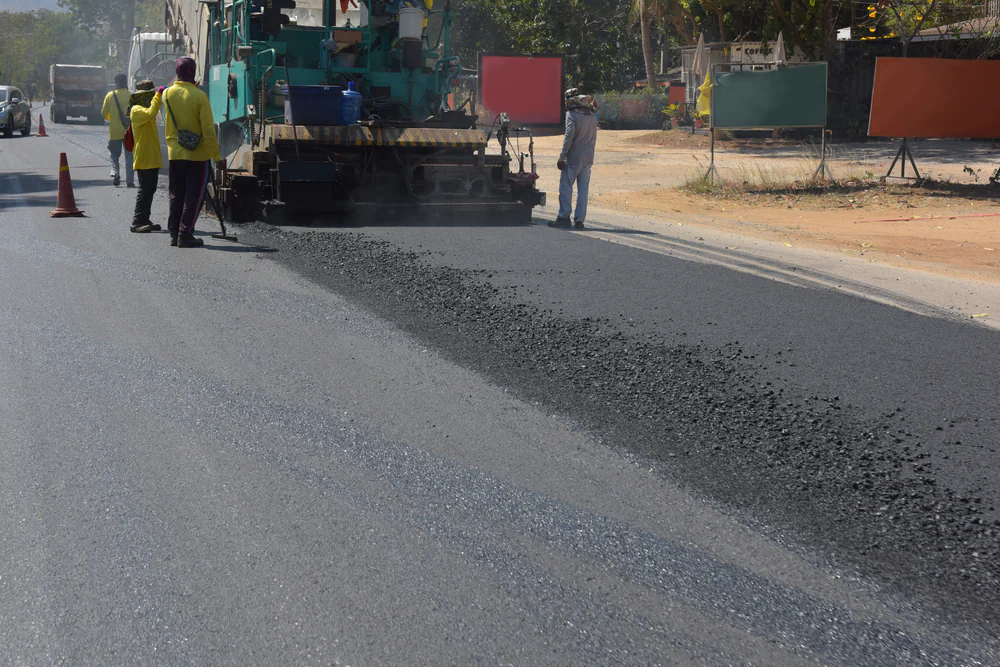
The asphalt goes down at the proper thickness for your use case. Residential driveways and commercial parking lots have different requirements. We compact everything correctly, make sure edges are clean, and confirm drainage is working as planned.
You’re kept in the loop the whole time. No surprises. No showing up whenever we feel like it. The timeline is clear from the start, and if anything changes, you hear about it before it becomes a problem.
After installation, you’ll need to stay off the new asphalt for at least 24 to 48 hours while it cures. Then it’s ready to handle traffic. Down the road, sealcoating every few years will protect your investment and keep it looking good—but that’s a conversation for later, not a sales pitch on day one.
Ready to get started?
Whether you need a new driveway at your home or a parking lot resurfaced at your business, our approach stays the same: figure out what your property actually needs, not what’s easiest to sell you.
Residential paving includes new driveway installation, resurfacing existing driveways, driveway extensions, and repairs. If your current driveway has minor damage, resurfacing might save you money compared to full replacement. If the base is shot or drainage is wrong, a new installation makes more sense. You get an honest assessment either way.
Commercial paving covers parking lots, private roads, and industrial sites. Businesses in Windsor need surfaces that handle daily traffic, look professional, and don’t create liability issues from potholes or uneven pavement. Proper line striping, ADA-compliant access, and drainage solutions are part of the conversation—not add-ons you find out about later.
Windsor sits in Mercer County where weather can swing from below freezing to summer heat in a matter of months. That means your asphalt needs to be installed with those conditions in mind. Water management is critical here because standing water accelerates damage, especially when it freezes. Grading, proper slope, and attention to how water moves across your property aren’t optional—they’re what separates work that lasts from work that fails.
We also offer specialized discounts for seniors, military members, and first-time customers. It’s one way to make quality paving more accessible without compromising on the work itself.
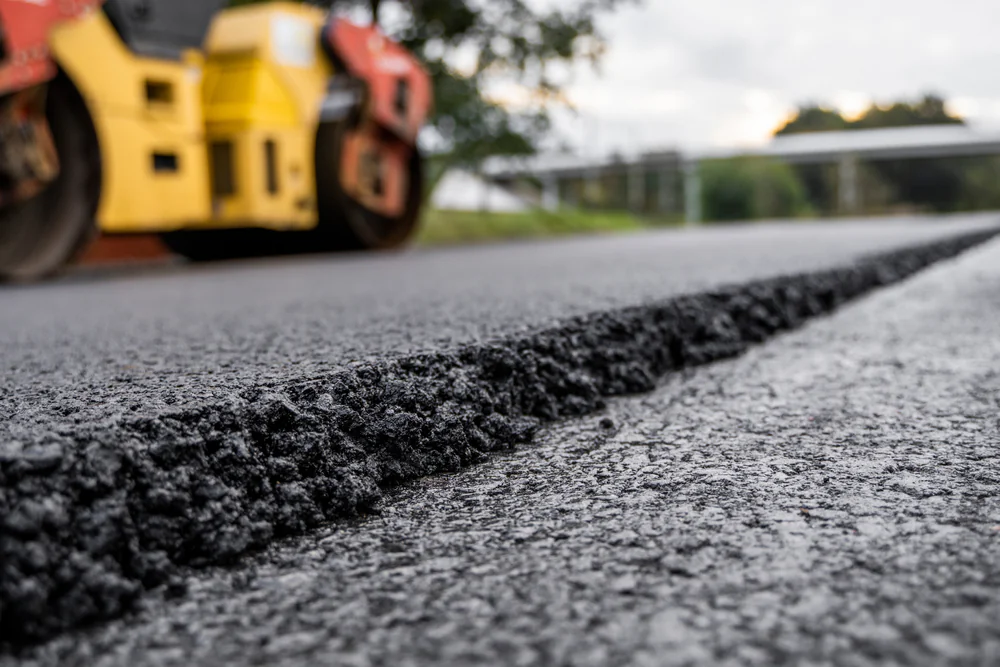
With proper installation and regular maintenance, your asphalt should last 15 to 20 years. That timeline depends on a few things: how well the base was prepared, whether drainage was handled correctly, how much traffic the surface sees, and if you keep up with sealcoating.
New Jersey weather is tough on asphalt. Freeze-thaw cycles cause water to seep into small cracks, freeze, expand, and make those cracks bigger. Summer heat can dry out asphalt that wasn’t sealed properly. If your contractor skipped steps during installation—like using the wrong base depth or ignoring drainage—you’ll see problems much sooner.
Sealcoating every two to three years protects against UV damage, water penetration, and chemicals like oil or salt. It’s not just cosmetic. Catching small cracks early and filling them prevents water from getting under the surface and causing bigger issues. Maintenance isn’t expensive compared to replacing an entire driveway or parking lot that failed prematurely.
Resurfacing means putting a new layer of asphalt over your existing driveway. Replacing means tearing out the old surface and starting from scratch. Which one makes sense depends on the condition of what’s already there.
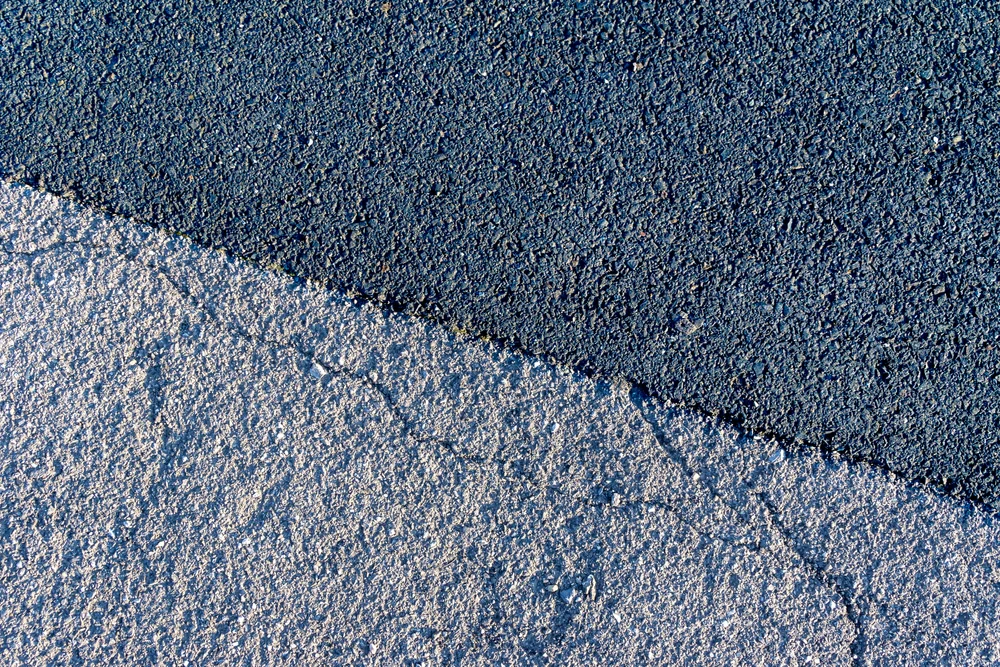
If your driveway has surface cracks, minor wear, or fading but the base is still solid, resurfacing can save you money. It’s less intensive, costs less, and gives you a fresh surface without the expense of a full replacement. But if the base has settled, drainage is wrong, or there’s significant cracking and buckling, resurfacing is just putting a band-aid on a bigger problem.
An honest contractor will tell you which option actually solves your issue. Resurfacing when you need replacement means you’ll be dealing with the same problems again soon. Replacing when resurfacing would work means you’re spending more than necessary. The right call comes from looking at your specific property, not pushing whatever makes the most profit.
Most residential driveway paving in New Jersey runs between $7 and $15 per square foot, with the national average project coming in around $4,740. Your actual cost depends on the size of your driveway, the condition of the existing surface, how much prep work is needed, and site accessibility.
If the old driveway needs to be removed, that adds to the cost. If grading or drainage work is required to fix water issues, that’s additional. A straightforward installation on a property with good access and no complications costs less than a job that requires extra base work or dealing with tricky slopes.
Pricing should be transparent. You should know what you’re paying for—materials, labor, prep work, removal, grading—not just a lump sum with no explanation. Cheaper isn’t always better if it means shortcuts that lead to problems down the line. The goal is to understand what you’re getting for your money so you can make an informed decision.
Late spring through early fall—roughly May through September—is ideal for asphalt work in New Jersey. You need consistent temperatures above 50 degrees and dry conditions for the asphalt to cure properly.
Sealcoating specifically requires at least 24 hours without rain after application and temperatures that stay above 50 degrees during the day. Cold weather makes asphalt harder to work with and affects how well it compacts and bonds. Rain during or right after installation can cause problems with curing.
That said, crack sealing and some repairs can happen in slightly cooler temperatures, so early spring or late fall might still work depending on the scope. If you’re planning a major project like a new driveway or parking lot, booking during the warmer months gives you the best conditions. Scheduling in advance helps because contractors fill up fast during peak season.
Yes, if you want it to last. Sealcoating isn’t just about making your driveway look darker and cleaner—it’s about protection.
Asphalt is petroleum-based, and over time, UV rays from the sun break down the binders that hold it together. Water seeps into tiny cracks and pores, then freezes in winter and expands, making those cracks bigger. Oil, gasoline, and salt from winter de-icing cause chemical damage. Sealcoating creates a barrier against all of that.
You should sealcoat about a year after new asphalt is installed, then every two to three years after that. It’s one of the most cost-effective ways to extend the life of your driveway and avoid expensive repairs. Skipping sealcoating means you’ll see faster deterioration, more cracks, and a surface that starts looking worn much sooner than it should.
Start with experience and reputation. How long has the contractor been in business? Do they have verifiable reviews from real customers? Are they licensed and insured? Those basics matter because they tell you whether you’re dealing with a legitimate company or someone who might disappear after taking your deposit.
Ask how they handle the actual work. Do they do the job themselves or subcontract it out? Will the owner or a project manager be on-site? What’s their process for base preparation, grading, and drainage? A good contractor explains what they’re going to do and why, not just what it costs.
Get a detailed estimate that breaks down materials, labor, and any additional work like removal or grading. Vague pricing or pressure to sign immediately are red flags. You should feel like the contractor is trying to solve your problem, not just close a sale. References, clear communication, and transparency about timelines and costs are what separate professionals from fly-by-night operators.
Other Services we provide in Windsor