
Top 7 Questions to Ask Before Hiring a Paving Company for Your Next Project
You’ve seen the estimates. You’ve heard the promises. Now you’re trying to figure out which paving company won’t leave you with cracked asphalt and regrets a year from now. The problem is that most contractors sound the same until the work starts—and by then, it’s too late to fix a bad choice.
The difference between a driveway that lasts twenty years and one that fails in two often comes down to the questions you ask before anyone shows up with equipment. This isn’t about being difficult. It’s about protecting an investment that typically runs $5,000 to $15,000 or more, and making sure the company you hire actually knows what they’re doing.
Let’s walk through the seven questions that separate qualified paving contractors from the ones who’ll cost you more in the long run.
Are You Licensed, Insured, and Registered in New Jersey?
This question should be the first thing out of your mouth, and any legitimate paving company will answer it without hesitation. In New Jersey, contractors must register with the Division of Consumer Affairs under the Contractors’ Registration Act. This isn’t optional paperwork—it’s the law.
But registration alone isn’t enough. You need to verify we carry general liability insurance, typically at least $500,000 per occurrence, and workers’ compensation coverage for our crew. Why does this matter to you? Because if an uninsured worker gets injured on your property, or if equipment damages your home, you could be held financially responsible.
Ask to see proof. Not just a verbal “yes, we’re insured,” but actual certificates you can verify. A professional contractor will have these documents ready and won’t act offended when you ask. If they hesitate, push back, or promise to send them “later,” that’s your signal to move on.
What Happens If Something Goes Wrong During the Project?
Here’s what most homeowners don’t realize until it’s too late: accidents happen on paving jobs. Equipment can damage existing structures. Workers can get hurt. Materials can cause property damage. The question isn’t whether these things might happen—it’s what happens when they do.
This is where insurance and bonding become your financial safety net. General liability insurance covers damage to your property caused by the contractor’s work or equipment. If a paving machine cracks your foundation or damages your landscaping, their insurance should cover repairs. Workers’ compensation protects you from liability if a crew member is injured while working on your property. Without it, you could face a lawsuit from an injured worker—even though you didn’t employ them.
Some contractors in New Jersey are also bonded, which provides an additional layer of protection. A contractor bond guarantees that if the company fails to complete the work as promised or doesn’t pay their suppliers and subcontractors, you have financial recourse. The bond company will investigate claims and can compensate you for losses up to the bond amount.
But here’s the catch: not all contractors carry adequate coverage, and some carry none at all. Low-bid operators often skip insurance to keep their prices down, passing that risk directly to you. When you ask about insurance and bonding, you’re not being paranoid—you’re being smart. A contractor who bristles at this question or can’t provide current certificates of insurance is telling you everything you need to know about how they run their business.
Don’t just take their word for it. Call the insurance company listed on the certificate to verify the policy is active and covers the dates of your project. Check that the coverage amounts are adequate for your project size. And if a contractor says they’re bonded, ask for the bond number and verify it with the issuing company. These steps take fifteen minutes and could save you from financial disaster if something goes wrong.
Can You Provide References from Recent Projects Similar to Mine?
Any paving company can claim they do great work. The ones who actually do it won’t have any problem proving it. When you ask for references, you’re not just looking for names and numbers—you’re looking for recent projects that match what you need done.
If you’re paving a residential driveway, you want to hear from other homeowners who hired us for the same thing. If you’re managing a commercial parking lot, you need references from business owners, not someone who had their backyard patio done. A contractor who mainly does small residential work might not have the equipment or expertise for a large commercial job, and vice versa.
When you contact these references, ask specific questions. Did the project start and finish on time? Was the estimate accurate, or did costs balloon once work began? How did the contractor handle problems or changes? Would they hire this company again? And here’s a question many people forget: can you go see the finished work? Seeing a driveway or parking lot that’s been in use for a year or two tells you more than any sales pitch ever could.
Pay attention to how recent the references are. A company that can only provide references from five years ago might be coasting on old reputation while their current work quality has declined. Look for patterns in the feedback. If multiple references mention the same issue—poor communication, surprise charges, delays—take that seriously. One complaint might be an outlier. Three complaints about the same thing is a pattern you can’t ignore.
And don’t just rely on references the contractor provides. Check online reviews on platforms like Google, Angie’s List, or the Better Business Bureau. Look for detailed reviews that mention specific aspects of the work, not just generic praise. Notice how the company responds to negative reviews. Do they blame the customer, or do they try to resolve issues? That tells you a lot about how they’ll treat you if something goes wrong.
A contractor with nothing to hide will make this process easy. We’ll provide multiple references, encourage you to check our online reviews, and might even offer to show you current job sites. If a paving company gets defensive about references or only offers vague assurances about their reputation, that’s not confidence—that’s a red flag.
What Equipment Do You Use and Who Will Be on My Job Site?
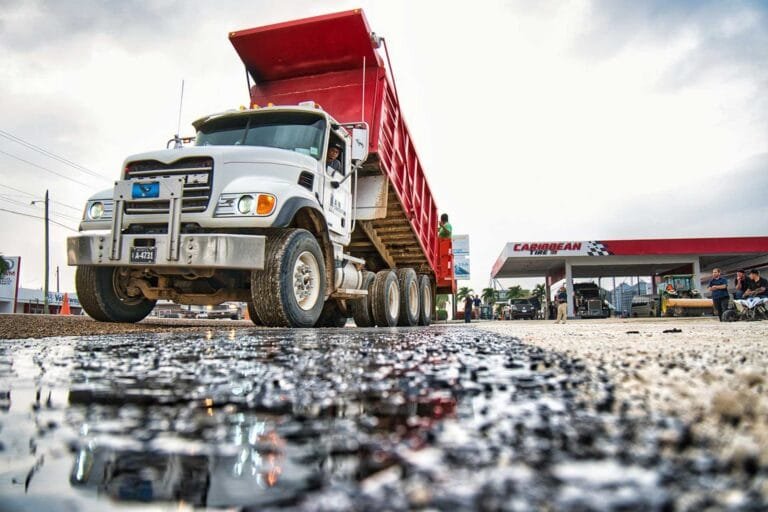
The equipment a paving company uses tells you whether we’re set up to do professional work or cutting corners to save money. Proper asphalt paving requires specialized machinery—milling machines to remove old pavement, asphalt pavers to lay new material evenly, steel-wheeled rollers and pneumatic tire rollers for proper compaction, and dump trucks to transport hot mix asphalt from the plant to your site.
If a contractor shows up with just hand tools and a small roller, you’re not getting professional installation. Proper compaction requires heavy equipment, not someone spreading asphalt with a rake and hoping for the best. The difference between adequate equipment and the right equipment often determines whether your pavement lasts two years or twenty.
Ask who will actually be doing the work. Will it be the company’s own crew, or are they subcontracting to someone else? How long have these workers been with the company? What training do they have? A crew that’s worked together for years will deliver more consistent results than a group of day laborers assembled for your job.
How Do You Handle Base Preparation and Drainage?
Here’s what separates pavement that lasts from pavement that fails: what happens before any asphalt gets laid. Most premature paving failures—the cracking, settling, and potholes that show up within a year or two—happen because of poor base preparation or inadequate drainage planning. The asphalt surface you see is only as good as what’s underneath it.
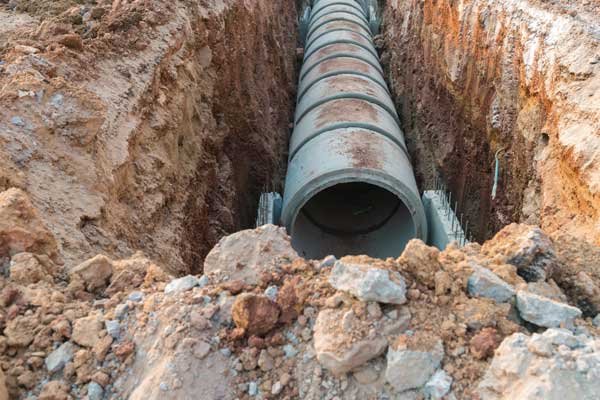
Proper base preparation starts with excavation. The existing material needs to be removed to the right depth, and the subgrade—the soil underneath everything—needs to be properly compacted. If the soil is soft, wet, or unstable, it should be addressed before any base material goes down. Skipping this step is like building a house on sand. It might look fine at first, but it won’t stay that way.
Next comes the base layer, typically six to eight inches of compacted gravel. This isn’t just dumped in a pile and called good enough. It needs to be spread evenly, graded for proper drainage, and compacted in layers with heavy equipment. Each layer should be compacted before the next one goes down. This creates a stable, load-bearing foundation that won’t shift or settle under the weight of vehicles.
Drainage is equally critical. Water is asphalt’s worst enemy. If water pools on the surface or seeps into the base, it will cause cracking, heaving during freeze-thaw cycles, and eventual pavement failure. The site should be graded so water flows away from buildings and doesn’t collect in low spots. In some cases, additional drainage solutions like catch basins or French drains might be necessary.
When you ask a paving contractor how we handle base preparation and drainage, listen carefully to the answer. A professional will explain the process in detail—excavation depth, base material specifications, compaction methods, and how we’ll ensure proper water runoff. We should be able to explain why these steps matter and what could go wrong if they’re skipped.
A contractor who gives you a vague answer like “we do it right” or “don’t worry, we know what we’re doing” is probably planning to skip steps to save time and money. The ones who take shortcuts on base preparation are the same ones whose work starts failing within a year, leaving you with expensive repairs and no recourse because they’re long gone or refuse to stand behind their work.
What Thickness of Asphalt Will You Install?
Asphalt thickness matters more than most people realize. For residential driveways, you need at least two inches of compacted asphalt, and three inches is better if you have heavy vehicles or high traffic. Commercial parking lots typically require three to four inches depending on the expected load and usage. Anything less than this and you’re setting yourself up for premature failure.
Here’s the problem: asphalt is expensive, and some contractors will try to save money by laying it too thin. They’ll quote you for two inches but actually install one and a half, or they’ll compact it improperly so what was supposed to be three inches ends up closer to two. The difference might not be visible to your eye, but it will be visible in how quickly the pavement deteriorates.
When a contractor gives you an estimate, it should specify the thickness of asphalt we’ll install and whether that measurement is before or after compaction. Compaction reduces the thickness, so two inches of loose asphalt might compact down to one and a half inches. You want to know the final compacted thickness, not the pre-compaction measurement.
Ask how we’ll ensure the correct thickness across the entire project. Professional contractors use screeds on our paving machines that control thickness precisely. We don’t just eyeball it or spread it by hand and hope it’s close enough. And we should be willing to verify thickness during the job if you have concerns.
Thicker isn’t always better if the base underneath isn’t properly prepared, but adequate thickness is non-negotiable for durability. A contractor who tries to talk you into thinner asphalt to save money is prioritizing their profit margin over your pavement’s longevity. The few hundred dollars you might save on thinner asphalt will cost you thousands in premature replacement when the surface starts failing years earlier than it should.
This is also where you find out if a contractor is honest. If their bid is significantly lower than others, ask about asphalt thickness. You might find out they’re quoting thinner material, which explains the price difference. There’s no such thing as magic—a contractor who charges substantially less is cutting corners somewhere, and thickness is one of the easiest places to hide it.
Making a Confident Decision About Your Paving Project
The questions in this guide aren’t about being difficult or distrusting. They’re about making an informed decision on an investment that will affect your property for the next fifteen to twenty years. A qualified paving contractor will welcome these questions because we know our answers demonstrate professionalism and expertise.
When you ask about licensing, insurance, references, equipment, base preparation, drainage, and asphalt thickness, you’re separating contractors who do the job right from those who take shortcuts. The ones who get defensive or provide vague answers are showing you who they are—believe them.
The right paving company for your project in Hunterdon County, NJ, Bucks County, PA, or Mercer County, NJ will answer every question clearly, provide documentation without hesitation, and help you understand what you’re paying for. We’ll treat your project with the same care regardless of size, communicate throughout the process, and stand behind our work when it’s done.
If you’re ready to move forward with a paving contractor who’s been doing this right since 1948, Productive Asphalt LLC brings three generations of expertise to every job. Reach out to discuss your project and get straight answers to all your questions.