Why a Professional Paving Contractor is Your Best Investment for Property Value
You’ve probably driven past homes with cracked, faded driveways and noticed how they drag down the entire property’s appearance. Maybe your own driveway is showing its age. If you’re thinking about selling soon—or just want to protect what you’ve built—you’re facing a choice that affects more than just curb appeal. The contractor you choose determines whether your driveway adds thousands to your property value or becomes a negotiating point that costs you at closing. It’s the difference between an investment that lasts 25 years and one that starts failing in three. Let’s talk about why that choice matters more than most homeowners realize.
How Professional Asphalt Installation Affects Home Resale Value
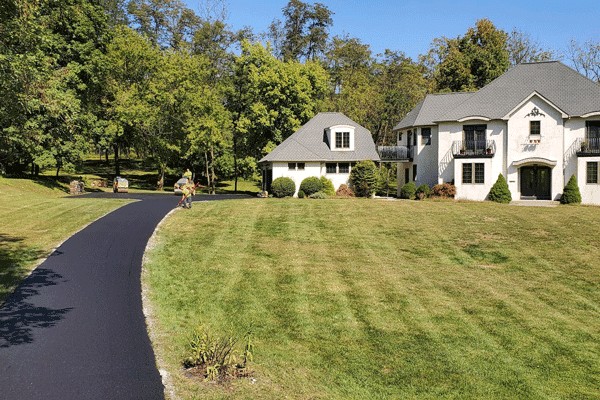
The numbers tell a clear story. A professionally installed asphalt driveway can increase your property value by 5-10%, which translates to $5,000-$20,000 for most homes. But here’s what matters more than the percentage: homes with well-maintained driveways sell 7-10 days faster than comparable properties with gravel or damaged surfaces.
Real estate agents know what appraisers look for. When 72% of homebuyers say curb appeal influences their first impression, your driveway isn’t just pavement—it’s the welcome mat that sets expectations before anyone walks through your front door. A smooth, professionally installed surface signals that the property has been maintained. Cracks, settling, and patches tell a different story.
The return on investment runs deeper than resale value. Quality installation protects your home’s foundation through proper drainage and grading. It eliminates safety hazards. And in markets where paved driveways are standard, the absence of one can reduce your appraised value by up to 10%. You’re not just buying asphalt—you’re buying the expertise that makes it perform for decades.
What Makes Professional Installation Worth More Than Budget Options
The lowest bid looks tempting until you understand what it actually costs. Contractors who undercut everyone else don’t work magic—they cut corners. Usually in places you can’t see until it’s too late.
The sub-base is where quality lives or dies. It’s the foundation beneath the asphalt, and it accounts for most of the driveway’s structural integrity. Professional contractors excavate to proper depth, install adequate aggregate base material, compact it correctly, and proof roll with heavy equipment to identify weak spots before any asphalt goes down. Budget contractors skip steps. They’ll lay a thin base, skip the compaction, or pour asphalt over unstable soil. The driveway looks fine for six months. Then it starts settling. Cracks appear. Water gets underneath and accelerates the damage. Within two or three years, you’re looking at repairs that cost more than proper installation would have.
Proper drainage planning separates professionals from amateurs. Water is asphalt’s biggest enemy. A contractor who understands grading creates slopes that direct water away from your driveway and your home’s foundation. We plan for runoff. We consider how water moves across your property during heavy rain. Contractors who don’t think about drainage leave you with pooling water, erosion, and pavement that breaks down from below.
Material quality matters too. Not all asphalt is the same. Higher-grade mixes with less recycled content last longer and look better. Professional contractors specify the right mix for your climate and use, then apply it at proper thickness—typically 2-3 inches for residential driveways. Budget contractors use whatever’s cheapest and lay it thin to save material costs. The difference shows up in how long your driveway lasts and how well it holds up to freeze-thaw cycles in Hunterdon County, Bucks County, and Mercer County.
The installation process itself requires expertise most people underestimate. Timing matters—asphalt needs to be installed and compacted while hot. Compaction technique affects density and durability. Transitions between new and existing surfaces need careful attention to prevent water infiltration. These aren’t details you can learn from a weekend YouTube tutorial. They’re skills developed over years of projects.
Professional contractors also carry proper insurance and licensing, protecting you from liability if something goes wrong. We provide warranties that back our work. We communicate clearly about timelines and what to expect. Budget contractors often lack insurance, disappear when problems arise, and leave you holding the bill for their mistakes.
Understanding the ROI of Professional Paving vs DIY or Budget Work
Let’s talk about what you’re actually getting for your money. Professional installation costs more upfront—there’s no getting around that. But the math changes when you factor in longevity, maintenance costs, and property value impact.
A professionally installed asphalt driveway lasts 20-30 years with basic maintenance like sealcoating every 3-5 years. Poor installation might give you 5-7 years before major repairs become necessary. If professional installation costs $7,000 and lasts 25 years, you’re paying $280 per year. If a budget job costs $4,000 but needs replacement in 7 years, you’re paying $571 per year—and that’s before accounting for the hassle and disruption of redoing the work.
The property value equation tilts even more in favor of quality. Studies show new driveways yield 50-75% ROI at resale. But that assumes the driveway is in good condition when you sell. A professionally installed surface that’s held up for 10 years still looks good and adds value. A budget installation that’s cracking and settling after 5 years becomes a negotiating point that costs you thousands at closing. Buyers either ask for credits to fix it, or they simply choose a different house.
Maintenance costs differ significantly too. Professional installation with proper drainage and base work requires minimal repairs. You’ll sealcoat periodically and maybe fill a few small cracks. Poor installation means constant patching, drainage fixes, and eventually full replacement. Each repair costs money and time. More importantly, each visible patch diminishes curb appeal and signals to potential buyers that there are underlying problems.
The hidden costs of budget work extend beyond the driveway itself. Improper drainage can damage your home’s foundation, creating moisture problems in basements or causing settling that affects your house’s structure. Water that pools on your driveway and doesn’t drain properly can wash out landscaping, erode soil, and create ice hazards in winter. These aren’t theoretical risks—they’re common problems that result from contractors who don’t understand or don’t care about proper site preparation.
Consider the opportunity cost too. If you’re planning to sell within 5-10 years, professional installation ensures your driveway is still an asset when you list. Budget work might force you to choose between selling with a deteriorating driveway that hurts your price, or paying for replacement right before listing—meaning you invested twice in the same square footage.
The math is straightforward once you see it clearly. Professional installation costs more initially but delivers lower annual cost, higher property value, minimal maintenance expenses, and peace of mind that the work won’t fail prematurely. Budget options look cheaper until you calculate the true cost over time.
What to Look for When Choosing a Paving Contractor
Not every contractor with a truck and a roller deserves your business. The difference between contractors who deliver quality and those who don’t comes down to specific, verifiable factors you can check before signing anything.
Start with licensing and insurance. In New Jersey and Pennsylvania, paving contractors should carry proper licensing, liability insurance, and workers’ compensation coverage. Ask for proof. Verify it directly with the insurance company. Contractors who hesitate or can’t produce documentation are telling you something important. If someone gets hurt on your property and the contractor isn’t insured, you could be liable. If the work damages your property and they’re not bonded, you have limited recourse.
Experience matters, but the right kind of experience matters more. A contractor who’s paved hundreds of residential driveways in your area understands local soil conditions, drainage challenges, and climate factors that affect installation. We know which techniques work in freeze-thaw cycles. We’ve solved problems similar to yours dozens of times. Ask how long we’ve been in business, how many projects we complete annually, and whether we can show you recent work in your neighborhood.
Red Flags That Signal You Should Keep Looking
Some warning signs are obvious. Others are subtle. Knowing what to watch for protects you from contractors who either lack competence or operate dishonestly.
Pressure tactics are the first red flag. Contractors who push you to sign immediately, claim special pricing expires today, or discourage you from getting other quotes aren’t confident in their value proposition. Legitimate contractors know their work speaks for itself. We’re comfortable giving you time to make an informed decision.
Vague or incomplete estimates signal trouble. Professional quotes break down costs by phase—demolition, base preparation, asphalt installation, finishing work. They specify material grades, thickness, and square footage. They include timeline estimates and payment terms. If a contractor gives you a single number with no detail about what’s included, they’re either inexperienced or leaving room to change terms later.
Lack of references should end the conversation. Every established contractor has past clients willing to vouch for their work. If someone can’t or won’t provide references, there’s a reason. When you do get references, actually call them. Ask about communication, whether the project stayed on schedule and budget, how the contractor handled unexpected issues, and whether the work has held up over time.
Requiring large upfront deposits is unusual in the paving industry. Established contractors have relationships with material suppliers and don’t need your money to buy asphalt. Asking for 50% or more upfront creates risk that the contractor won’t complete the work or will cut corners to preserve profit. Standard practice is minimal deposit or payment upon completion.
Inability to explain the process clearly suggests the contractor doesn’t actually understand proper installation. Ask them to walk you through how they’ll handle base preparation, drainage, compaction, and finishing. Professional contractors can explain these steps in plain language because we’ve done them hundreds of times. Contractors who give vague answers or change the subject probably don’t follow best practices.
Missing equipment or relying entirely on subcontractors raises questions. Established paving companies own their equipment—excavators, pavers, rollers, trucks. We employ trained crews who work together regularly. Contractors who subcontract everything have less control over quality and timeline. They’re essentially acting as middlemen, adding cost without adding value.
Questions to Ask Before You Hire Anyone
The contractors you interview should expect questions. Their answers—and how they deliver them—tell you whether they’re the right fit.
Start with the basics: How long have you been in business? How many residential driveways do you install annually? Can you provide references from projects in my area completed within the last two years? These questions establish credibility and let you verify their claims.
Get specific about your project: What base preparation will you do for my property? How thick will the base material be? How will you ensure proper compaction? What drainage considerations apply to my site? Professional contractors assess your specific situation. We don’t give cookie-cutter answers. We explain why your property might need more excavation due to soil conditions, or how we’ll grade to prevent water from flowing toward your foundation.
Ask about materials: What grade of asphalt will you use? How thick will the asphalt layer be? Where do you source your materials? Quality contractors specify higher-grade asphalt with appropriate thickness for residential use. We have established relationships with reputable suppliers. We can explain why we recommend certain materials for your climate and use case.
Clarify the timeline and process: How long will the project take from start to finish? What’s your schedule for starting? How will you manage disruption to my property access? Will I be able to park in my driveway during installation? When can I drive on the new surface? Clear answers to these questions help you plan and indicate the contractor has done this enough times to know what to expect.
Understand the warranty and maintenance: What warranty do you provide on your work? What does it cover and for how long? What maintenance will I need to do to keep the warranty valid? When should I sealcoat? Reputable contractors stand behind their work with meaningful warranties. We also provide guidance on maintenance that extends your driveway’s life.
Address potential problems: What happens if you encounter unexpected soil conditions or drainage issues? How do you handle changes to the scope? What if weather delays the project? Professional contractors have contingency plans. We explain how we’ll communicate changes and handle issues that arise.
Get everything in writing: Will you provide a detailed written estimate? What payment terms do you offer? When is payment due? Verbal agreements mean nothing if problems arise. Written estimates protect both parties and ensure everyone understands what’s included.
The way contractors answer matters as much as the answers themselves. Professionals respond confidently and specifically. We’re patient with questions because we want you to understand what you’re getting. We’re transparent about costs and realistic about timelines. If a contractor seems annoyed by questions, gives evasive answers, or tries to rush you past details, trust your instincts and keep looking.
Making the Investment That Protects Your Property Value
Your driveway represents more than just a place to park. It’s a significant factor in your property’s value, appearance, and long-term maintenance costs. The contractor you choose determines whether that investment pays off or becomes a recurring problem.
Professional installation costs more upfront because it includes the expertise, materials, and attention to detail that make asphalt last 20-30 years instead of failing in five. It protects your home’s foundation through proper drainage. It eliminates safety hazards and creates the curb appeal that helps homes sell faster and for higher prices. Most importantly, it gives you confidence that the work won’t need premature replacement.
The difference between contractors isn’t just price—it’s approach, experience, and commitment to doing the work right. When you’re ready to move forward with your project in Hunterdon County, Bucks County, or Mercer County, we bring decades of expertise and a client-centered approach that treats every project with the attention it deserves.