
How Driveway Design Controls Water Runoff and Drainage
Designing a driveway with drainage in mind is essential for preventing water buildup and runoff issues. When a driveway lacks the proper slope, materials, or installation techniques, it can lead to standing water, pavement erosion, and damage to nearby structures or landscaping. Ensuring that a driveway allows for proper water runoff is critical in protecting the pavement and surrounding areas from long-term damage.
A well-designed driveway takes into account factors such as surface slope, drainage channels, and the use of permeable materials. Whether installing a new driveway or improving an existing one, homeowners and business owners can benefit from understanding how thoughtful design can enhance water management and minimize the risk of flooding, erosion, and pavement deterioration.
The Importance of Proper Driveway Slope
The grade of a driveway is one of the most important considerations when it comes to water runoff. It’s essential to have a slight slope to allow water to flow away from the house or garage. Ideally, the slope should be between 2% and 5% to help water drain away without making it too steep to drive on.
Too flat of a driveway can lead to standing water, while too steep can lead to runoff. Rainwater can cause damage to asphalt or concrete over time if it’s allowed to pool on the surface. The best way to ensure proper drainage is by grading the driveway correctly during installation. All these factors underscore the importance of proper driveway design.

Using Permeable Paving Materials for Drainage
Traditional solid asphalt or concrete driveways are durable but don’t allow the water to pass through the surface of the driveway. Some permeable paving materials, such as porous asphalt, permeable pavers, or even a gravel driveway, can absorb water into the material to reduce runoff. These products help reduce runoff by allowing rainwater to filter through tiny holes or pores, enabling water to naturally seep into the ground rather than forcing it to flow to another area.
A permeable driveway system is most helpful in climates that receive a lot of rainfall or where there is little or no municipal drainage. Installing these materials helps prevent erosion and reduces the likelihood of puddles or pooling in low-lying areas. Groundwater is also recharged with the use of permeable materials.
Incorporating Drainage Channels and Swales
You can use drainage channels and swales in your driveway to move standing water off the pavement. Channels (also known as trench drains) are linear ditches that are placed along the sides of your driveway. These traps the runoff and direct it to a specific drainage location so it doesn’t run onto sidewalks, roads, or other sensitive areas.
Swales (or shallow ditches) are another type of driveway drainage system. These are small depressions or channels that are dug to collect and route runoff to natural drainage features. The use of swales in a driveway will minimize erosion and decrease the burden on city stormwater infrastructure. Swales are especially beneficial in areas with high rainfall or hilly topography.
The Role of Driveway Edging and Borders
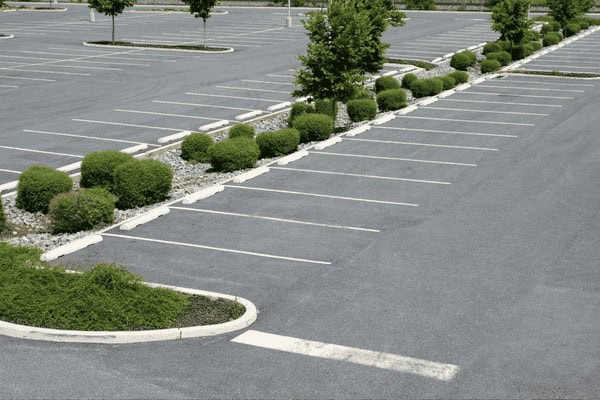
Edging and borders not only improve the appearance of your driveway but also play a significant role in water management. By installing curbs, bricks, or stone borders along the edges of your driveway, you can effectively contain water and direct it towards drainage systems. This helps prevent erosion at the edges of the driveway and reduces the risk of water washing away loose gravel or asphalt.
Edging is particularly crucial for gravel or permeable driveways in preventing the displacement of materials. Without proper edging, heavy rainfall can cause gravel to spread, resulting in uneven surfaces and drainage issues. Strategic placement of edging materials ensures the driveway remains intact while guiding runoff towards designated drainage paths.

Preventing Water Damage with Routine Maintenance
A well-designed driveway can also develop drainage problems over time if not properly maintained. Cracks, potholes, and uneven surfaces can form, allowing water to seep underneath the pavement and erode its foundation. Repairing these issues as they arise, such as sealing cracks, filling potholes, and regrading the surface, can help to preserve the integrity of the drainage system.
Inspecting the drainage systems on a regular basis to ensure that trench drains, swales, and other features are free of debris is also important. Leaves, dirt, and other debris can clog these features, impeding water flow and causing pooling or erosion in unexpected places. Regular cleaning and maintenance of these drainage features can extend the life of a driveway and help to avoid expensive repairs.
Conclusion on Driveway Design & Managing Water
Water management is crucial in effective driveway design to avoid drainage issues. Homeowners can keep their driveways safe from water damage by implementing a few key strategies. These include ensuring proper slope, using permeable materials, installing drainage channels, and maintaining edging. Regular maintenance and preventive measures are also important to ensure water is directed away from the driveway and property.
The best way to get lasting results is to speak with a paving contractor. Homeowners and businesses that want to improve driveway drainage will benefit from the expertise of a professional contractor. A well-designed and properly installed driveway will enhance curb appeal and keep the pavement and landscape looking good for years.
If you’re planning a driveway design project and want expert solutions for proper drainage and water runoff control, contact Productive Asphalt today!