How Long Does Asphalt Crack Filler Last? A Guide for Homeowners and Property Managers
The Role of Crack Filler in Asphalt Maintenance
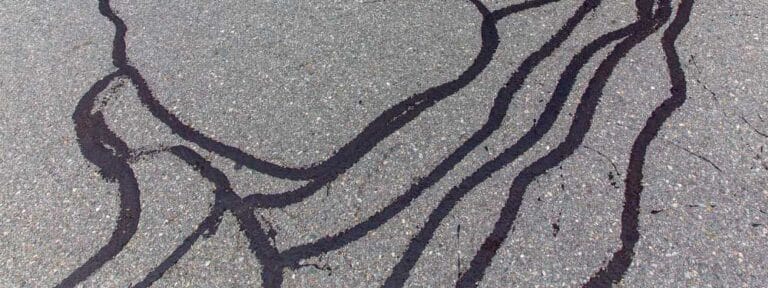
Crack filler is one of the best investments you can make for asphalt maintenance and longevity. Whether you have a homeowner’s driveway or a business lot to manage, you should fill asphalt cracks as soon as you see them. This can keep water out of the asphalt and prevent further, more costly damage. But many people ask:
How long does asphalt crack filler last? The answer to this question depends on factors such as the type of crack filler used, environmental conditions, traffic, and proper application. In this article, we will discuss how long crack filler lasts and what you can do to maximize its lifespan.

Understanding Different Types of Asphalt Crack Filler
Not all crack fillers are created equal. You will find two main varieties: cold-pour and hot-pour crack filler. Cold-pour products are simpler to apply, and are the best choice for do-it-yourself jobs. These crack fillers will generally last 1-3 years depending on exposure and maintenance. Hot-pour crack fillers are applied using specialized equipment and can last 3-7+ years with proper maintenance. These crack fillers are more durable and flexible, and are often used for larger cracks or commercial jobs.
Factors That Affect Crack Filler Longevity
The longevity of asphalt crack filler can vary based on several factors beyond the product itself. Climate, traffic load, subsurface stability, and application quality all play a role. In regions with frequent freeze-thaw cycles, filler may degrade more quickly. High-traffic areas can also cause filler to wear away faster. If the underlying asphalt is unstable or poorly maintained, cracks may reappear sooner, even with filler applied. Ensuring that the surface is clean, dry, and properly prepped before application is key to maximizing results.
The Importance of Surface Preparation
Crack filler applied without proper surface preparation will almost always fail prematurely. Dirt, moisture, and other debris in the crack prevent the filler from bonding with the surrounding asphalt. The crack should be blown out, cleaned and dried before application of any filler. Professionals use high-pressure air or heat in commercial applications to create ideal bonding conditions. The more prep work, the longer your crack filler will last. This will buy time before you have to make more expensive repairs or resurfacing.
How Weather Conditions Influence Durability
Temperature and precipitation are also major factors to crack filler performance. Crack fillers designed for cold-pour are much more susceptible to weather extremes, contracting in the cold winter months and becoming soft in high heat. Hot-pour crack fillers are much more pliable and are better able to expand and contract, but will eventually break down over the years if exposed to weather. Crack filling works best in temperatures above 50°F and in a dry spell to allow the crack filler time to cure. If not allowed to properly cure, the life of the crack filler will be shortened.
Regular Maintenance Extends Performance
Of course, even the highest quality crack filler eventually needs to be redone. But, if you stay on top of things by performing regular maintenance and inspections, you can get more longevity out of each treatment. An annual checkup will help you spot cracks that need to be repaired before they get larger and more difficult to treat. You can reapply filler to previously treated areas as they begin to break down to ensure a watertight seal and prevent moisture from infiltrating the lower levels of your pavement. Simply put, having maintenance every 12 to 24 months, particularly on commercial properties, can greatly extend the life of your asphalt surface.

When to Reapply Crack Filler
When to Reapply Crack Filler. Reapply the filler if it has shrunk, pulled away from the edges of the crack or if it has crumbled. If there are new cracks near the original crack that needs to be sealed, it’s important to seal them too as they will most likely spread. Check the pavement in spring and fall each year to see if it needs touch-up, particularly after a rough winter or a wet summer. When you stay on top of the problem, you’ll avoid costly repairs and keep your pavement safe and attractive.
Cost vs. Value: Is Crack Filling Worth It?
Crack filling is one of the least expensive pavement maintenance options. For a minimal cost, you can protect your pavement from costly structural damage. Left alone, cracks will cause potholes, base failures and require total resurfacing. These are far more expensive problems to fix. Crack filler extends the life of your asphalt, making it look and function better, too. It’s a wise long-term investment for homeowners and property managers.
Crack Filling vs. Other Repair Methods
Crack filling is an important part of asphalt maintenance, but it isn’t always the appropriate solution to address the problem. When pavement has larger structural cracks or widespread deterioration, the only solution is to resurface or replace. Crack filler is only meant for longitudinal, transverse, and block cracks that are stable and haven’t shown signs of movement. If your pavement is alligator cracked or has other indicators of base failure, it’s time for a new pavement. Talk to a qualified paving contractor to help you determine the best course of action.
DIY or Professional Application?
Cracks in the driveway are common and many homeowners try to fill them in as a do-it-yourself project, particularly with cold-pour crack fillers. While this method can be less expensive, the results are not as durable and can be applied incorrectly. Professional contractors have access to hot-pour fillers and other tools to apply a high-quality product that adheres better and will last longer. If your pavement is developing multiple cracks or has one that is a few inches wide, call in a professional to ensure the value of your investment. The additional protection and peace of mind is well worth the cost.
Signs Your Crack Filler Is Failing
It’s inevitable for asphalt crack filler to break down over time, but there are a few indicators that your filler is breaking down prematurely. These include crumbling, noticeable gaps, weed growth, and water pooling. The presence of any of these signs should lead you to inspect the filler more closely. However, if the filler is failing in large swaths, you may want to consider revisiting your pavement maintenance program. Maintaining your pavement before more serious issues arise will keep your pavement healthier longer and save you from more costly measures in the future.
Best Practices for Crack Filling Success
A few simple best practices can help ensure you get the longest life possible out of your crack filler. First, always clean and dry the crack completely before applying any filler. Second, choose the right filler for the size and type of crack you have. Third, apply it in good weather and allow adequate curing time. Lastly, follow up with routine inspections and maintenance. With the proper technique, crack filling can offer years of dependable service and significantly extend the life of your asphalt surface.

Choosing the Right Contractor
Choosing the right paving contractor is essential to get the longest life out of your crack filler. Hire a company with experience, licensing and a good reputation. A qualified contractor will assess your pavement and recommend and apply the right filler. They will also be able to give you advice about the future maintenance of your pavement. Most reputable contractors provide warranties as well. Protect your pavement and your wallet by hiring a good contractor.
Environmental Considerations
Crack filler can have environmental impacts, particularly those with petroleum-based ingredients. Newer, more eco-friendly crack fillers are available with low VOC emissions and longer-lasting formulas. If you are interested in green crack-filling options, consult your contractor on sustainable products. You can still achieve outstanding performance while reducing environmental impact.
Conclusion: Crack Filling is Essential for Pavement Longevity
Asphalt crack filling is a temporary solution. So, how long does asphalt crack filler last? In the best case, hot-pour fillers can last up to 7 years. Cold-pour options, on the other hand, may only last 1–3 years before reapplication is necessary. As with most things, the actual timeframe depends on several factors, including weather, use, and maintenance. The good news is that you can maximize the longevity of your crack filler by choosing the right product for your needs and applying it correctly. Plus, regular upkeep will help keep your pavement in good condition for years to come. Whether you’re taking care of a residential driveway or a high-traffic parking lot, crack filling is a quick and easy preventative maintenance measure that will save you time and money in the long run.