
The Best Seasonal Guide to Protecting Your New Parking Lot Paving
You just invested in new parking lot paving. The surface is smooth, the lines are crisp, and everything looks perfect. But here’s what most property owners don’t realize until it’s too late: the first year sets the foundation for how long that pavement will actually last. Miss the critical seasonal maintenance windows, and you’re looking at cracks, potholes, and water damage years before you should be. The good news? Protecting your investment doesn’t require guesswork. It requires understanding what your pavement faces each season and taking action before problems start. Let’s walk through exactly what your new parking lot needs, season by season.
Understanding What Threatens Your New Parking Lot Paving
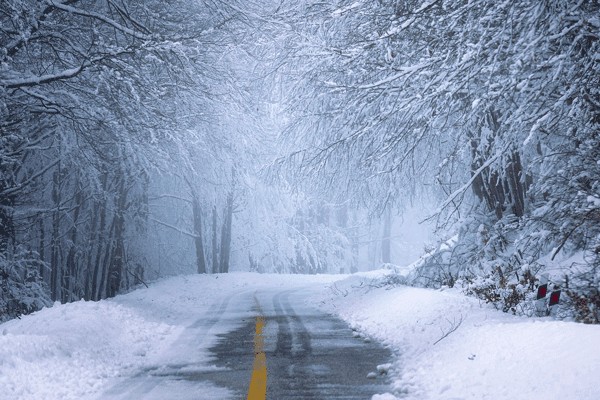
Your parking lot faces a different enemy every few months. In winter, it’s the freeze-thaw cycle that forces water into tiny cracks, expands when it freezes, and tears your pavement apart from the inside. Spring brings heavy rainfall that tests your drainage systems and exposes any weak spots winter created. Summer heat causes UV oxidation, slowly drying out the oils in your asphalt until it becomes brittle and prone to cracking.
Then fall arrives with falling leaves that clog your catch basins, combined with temperature swings that stress your pavement right before winter hits again. Each season compounds the damage from the last if you’re not staying ahead of it. Property owners in Hunterdon County, NJ, Bucks County, PA, and Mercer County, NJ know this cycle well because the regional climate doesn’t give pavement a break.
How freeze thaw cycles damage new asphalt parking lots
The freeze-thaw cycle is the single most destructive force your parking lot will face, especially in the first few years. Here’s how it works: water seeps into small surface cracks or pores in your asphalt. When temperatures drop below freezing, that water expands by about nine percent as it turns to ice. The pressure forces cracks to widen. As the ice melts, it leaves new space for more water to enter the next time it rains.
This repeating cycle breaks down your asphalt’s structure layer by layer. It weakens the bond between aggregates and eventually forms visible cracks, depressions, and potholes. What starts as a hairline crack in November can become a pothole by March if water gets in and freezes repeatedly.
The damage isn’t just cosmetic. Freeze-thaw cycles affect your pavement at the micro level too, damaging the binder and reducing stiffness, compressive strength, and fatigue resistance of the asphalt concrete. Your pavement literally loses its ability to flex and handle weight properly. In areas like Mercer County, NJ, where temperatures fluctuate above and below freezing multiple times per week during winter, the stress on pavement happens repeatedly in short intervals. That constant expansion and contraction is worse than a single deep freeze because it never gives your asphalt time to stabilize.
The key to preventing freeze-thaw damage isn’t stopping winter from happening. It’s making sure water never gets the chance to infiltrate your pavement in the first place. That means addressing cracks immediately, applying proper sealcoating before winter, and ensuring your drainage systems move water away from the surface quickly. Property owners who wait until spring to assess damage are already too late. The damage happened months earlier, and now they’re paying for repairs instead of prevention.
UV protection and oxidation prevention for parking lot surfaces
While everyone worries about winter damage, summer quietly destroys parking lots in a completely different way. Ultraviolet rays from the sun cause oxidation, a natural process that dries out the bitumen in your asphalt pavement. As the oils evaporate, your pavement becomes brittle and loses its flexibility. That rich black color fades to gray, which isn’t just an aesthetic problem—it’s a warning sign that your asphalt is exposed and vulnerable.
Oxidized asphalt cracks more easily under pressure. It can’t flex and bend the way it should when vehicles drive over it. Those cracks then invite water infiltration, which brings us right back to freeze-thaw problems when winter returns. UV damage is cumulative and accelerates over time. The more oxidized your pavement becomes, the faster additional damage occurs.
Sealcoating acts as sunscreen for your parking lot. It creates a protective barrier that shields the asphalt from UV rays, preventing the oxidation process from accelerating. A properly applied sealcoat also repels water, resists fuel spills, and helps your pavement maintain the flexibility it needs to handle daily traffic without cracking. For new parking lots, timing matters. You should seal your pavement within the first year of installation, then reapply every two to three years depending on traffic levels and weather exposure.
Property owners in Bucks County, PA often ask whether sealcoating is really necessary if their parking lot looks fine. The answer is yes, because by the time oxidation damage becomes obvious, you’ve already lost years of pavement life. Sealcoating is preventive, not reactive. It protects the investment you just made and delays the need for expensive repairs or resurfacing by years. The cost difference is significant—resealing runs about 19 cents per square foot while resurfacing costs $1.50 per square foot or more. Protecting your pavement before damage occurs is always cheaper than fixing it after.
Seasonal Maintenance Schedule for New Parking Lot Paving
Protecting your parking lot isn’t a once-and-done task. It’s a year-round commitment that changes with the seasons. Each season brings specific maintenance needs, and missing any of them creates compounding problems that cost more to fix later. The good news is that seasonal maintenance is predictable. You can plan for it, budget for it, and handle it before it becomes an emergency.
Spring is your inspection season. Winter just put your pavement through months of stress, and spring is when you’ll see what survived and what didn’t. Summer is your protection season—the ideal time for sealcoating and major repairs when temperatures are warm enough for materials to cure properly. Fall is your preparation season, the last chance to weatherproof your pavement before winter returns. Winter is your survival season, focused on minimizing damage through proper snow removal and drainage management.
Spring and summer parking lot maintenance essentials
Spring maintenance starts with a thorough inspection. Walk your entire parking lot and look for cracks, potholes, areas where the surface has crumbled, and any spots where water pools instead of draining. Pay attention to your catch basins—if they’re clogged with debris from winter, water can’t drain properly and you’ll have flooding problems during spring rains. Clean out any leaves, dirt, or sediment that accumulated over winter.
Address cracks immediately. Even small cracks need attention because they’ll grow exponentially once summer heat and traffic stress them further. Fill cracks with a quality crack filler that seals out water and prevents the crack from widening. If you have potholes or areas where the asphalt has failed completely, those need patching before you move forward with any other maintenance.
Once repairs are complete, spring is an ideal time to apply sealcoating if your parking lot is ready for it. The moderate temperatures provide the perfect environment for sealcoat to cure properly. However, if your parking lot is brand new, wait until it’s at least six months to a year old before applying the first sealcoat. New asphalt needs time to cure fully before sealing.
Summer is when you tackle major projects. The warm, dry weather makes it the best season for sealcoating, line striping, and any extensive repairs. Sealcoating needs temperatures between 50 and 85 degrees Fahrenheit to cure properly, and summer provides consistent conditions. This is also the time to address any drainage improvements you identified during your spring inspection. Proper grading ensures water flows away from your pavement instead of pooling on the surface or seeping into the base.
Keep your parking lot clean throughout spring and summer. Sweep away debris regularly, and address oil or fuel spills immediately. These substances break down asphalt and create soft spots that will fail under traffic. A clean surface also makes it easier to spot new problems before they become serious. For property owners in Hunterdon County, NJ, staying on top of spring and summer maintenance means your parking lot enters fall in the best possible condition to handle what’s coming next.
Fall preparation and winter protection strategies
Fall is your last opportunity to protect your parking lot before winter arrives. Start with another inspection, looking specifically for any cracks that developed over summer or areas where sealcoat has worn thin. Small cracks that seem harmless now will become major problems once water gets in and freezes. Seal them before temperatures drop.
Clean your catch basins thoroughly. Fallen leaves are one of the biggest threats to parking lot drainage systems in fall. When leaves clog your catch basin grates, water can’t enter the drainage system. Instead, it pools on your parking lot surface, and when that water freezes, it causes heaving and cracking. Make it a habit to check and clear catch basin grates after storms or heavy winds. If the depth of debris in your catch basin reaches one-third of the basin’s depth, it’s time for professional cleaning.
Consider applying sealcoating in early fall if you didn’t do it in summer. You want to give the sealcoat time to cure before freezing temperatures arrive. Once temperatures consistently drop below 50 degrees, sealcoating becomes less effective because it can’t cure properly. Fall sealcoating gives your pavement an extra layer of protection against winter’s freeze-thaw cycles and helps water bead off the surface instead of seeping in.
Winter protection focuses on minimizing damage since you can’t do major repairs in freezing temperatures. Establish a snow removal plan before the first snowfall. Quick removal prevents snow from compacting into ice, which is much harder to clear and more damaging to your pavement. Use plastic shovels or snowblowers instead of metal blades that can scrape and gouge your asphalt surface. When plowing is necessary, make sure plow blades are equipped with rubber guards to prevent direct contact with your pavement.
Choose your de-icing products carefully. Rock salt is cheap but harsh on asphalt. It accelerates oxidation and can cause surface deterioration. Look for ice melt products that are labeled as asphalt-safe. Use them sparingly—you need just enough to prevent ice bonding, not to melt every flake of snow. Applying de-icing agents before a storm (anti-icing) is more effective and requires less material than trying to break up ice after it forms (de-icing).
Monitor your parking lot throughout winter for standing water or ice buildup. These are signs that your drainage system isn’t working properly, and you’ll need to address it as soon as temperatures allow. Keep catch basin grates clear of snow and ice so water from melting snow can drain away instead of refreezing on your parking lot surface. Property owners in areas like Bucks County, PA and Mercer County, NJ who stay vigilant during winter prevent the majority of cold-weather damage before it starts.
Protecting your parking lot investment year round
Your new parking lot paving represents a significant investment in your property. Protecting it doesn’t require complicated strategies or expensive emergency repairs. It requires understanding what threatens your pavement each season and taking action before damage occurs. Address cracks when they’re small. Apply sealcoating on schedule. Keep your drainage systems clear. Remove snow properly. These aren’t optional maintenance tasks—they’re the difference between a parking lot that lasts 30 years and one that needs major repairs in 10.
The first year after installation is the most critical. The maintenance decisions you make now determine how your parking lot performs for decades. Miss the sealcoating window, ignore small cracks, or let your catch basins clog, and you’re setting yourself up for expensive problems that could have been prevented for a fraction of the cost.
If you’re ready to protect your parking lot investment with a maintenance plan built for the realities of Hunterdon County, NJ, Bucks County, PA, and Mercer County, NJ weather, we bring decades of experience to every project. From seasonal maintenance to drainage solutions and winter preparation, we treat every parking lot with the attention it deserves.