
The Most Commonly Asked Questions Regarding Residential Driveway Paving
Curious about residential driveway paving? From your first driveway to repaving an older or damaged one, new paving projects can be exciting but may raise several questions. If you have a residential driveway installation or replacement project on the horizon, you’ll need answers to a few common questions before you dive in. Continue reading as we tackle these questions to ensure your next residential driveway project is a success.
What is the best material for a residential driveway?
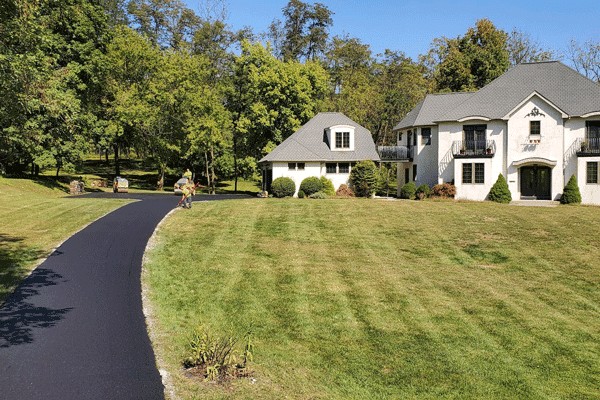
Asphalt is a popular choice for residential driveways. It’s affordable, durable, and can be installed relatively quickly. Asphalt also holds up well in both hot and cold weather and requires less maintenance than concrete or pavers. Additionally, asphalt has a smooth, clean look that suits most home styles.
How long does an asphalt driveway last?
An asphalt driveway has an average life expectancy of 15 to 20 years if it has been installed correctly and has been subject to regular maintenance. I’d like to point out that essential aspects to consider include the base layer thickness, the amount of traffic it must withstand, local weather conditions, and the level of care you provide the driveway. Sealcoating every few years and repairing cracks as they develop can prolong the life of your driveway.
How much does an asphalt driveway cost?
Asphalt driveway costs will vary by region, size, thickness of the material used, and the amount of prep work needed. The national average for an asphalt driveway is $4 to $8 per square foot. Costs will be higher for driveways that need grading, excavation or additional drainage. I would suggest that your best option to determine pricing for your project is to obtain a free estimate from a professional paving contractor.
How long does it take to install an asphalt driveway?
Typically, residential asphalt driveway installations take 1 to 3 days based on the size and complexity of the job. Generally, one should wait at least 24 to 48 hours after installation is complete before driving on the surface; however, complete curing may take up to 30 days, and there may still be some scuff marks or indentations from heavy objects.
What kind of maintenance does an asphalt driveway require?
Routine maintenance will keep your asphalt driveway in top shape for years to come. Keep it free of debris, don’t let vehicles repeatedly drive in the same place, and sealcoat every 2-3 years. Repair cracks and small holes as soon as you notice them to prevent water from getting inside. You can schedule an occasional inspection with your paving professional to address issues before they become bigger problems.
Can an asphalt driveway be resurfaced instead of replaced?
Yes you can if the bottom layer of your driveway is in good condition. Resurfacing would just put a new layer of asphalt on top of the current layer. It will refresh the look and add several more years to the driveway’s life. If there are any structural issues, such as base failure or extensive alligator cracking, the entire thing will need to be replaced.
What is the difference between resurfacing and sealcoating?
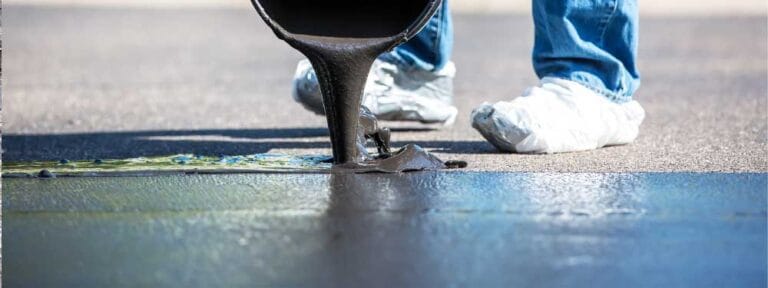
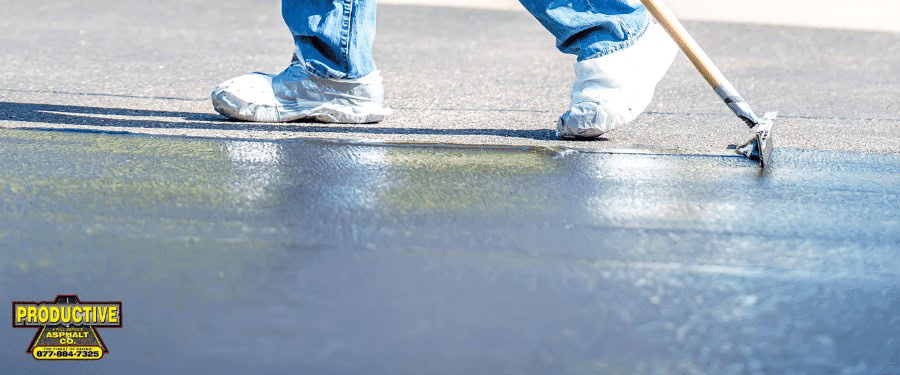
Resurfacing is the process of putting a new structural layer of asphalt on the driveway. Sealcoating, on the other hand, is a surface treatment. Sealcoating prevents the sun’s ultraviolet rays, moisture, and chemicals from damaging asphalt pavement. Sealcoating does not repair structural damage or level an uneven surface. Resurfacing a driveway is a more involved process that requires patching, leveling, and overlaying a new asphalt layer.
When is the best time of year to pave a driveway?
The optimal time for asphalt driveway installation or repair is in warm, dry conditions; late spring through early fall. The ideal temperature range for asphalt compaction and curing is 50°F to 85°F. But we have years of experience in cold-weather paving that can yield the same outcome.
How thick should an asphalt driveway be?
Residential asphalt driveways are typically 2 to 3 inches compacted thickness installed over a 4- to 6-inch base course of crushed stone. For heavier traffic or heavier vehicles such as RVs or trucks, thicker pavements or reinforced sub-bases may be needed. Your contractor will help you determine the best thickness for your needs.
Can I park on my new driveway right away?
Wait at least 24 to 48 hours before driving or parking on a new asphalt driveway. The asphalt is still curing and soft so that it can be easily damaged during this time. For the first month, avoid putting any heavy or sharp-edged items on the surface and do not turn your steering wheel while the vehicle is stopped.

What causes asphalt to crack or deteriorate?
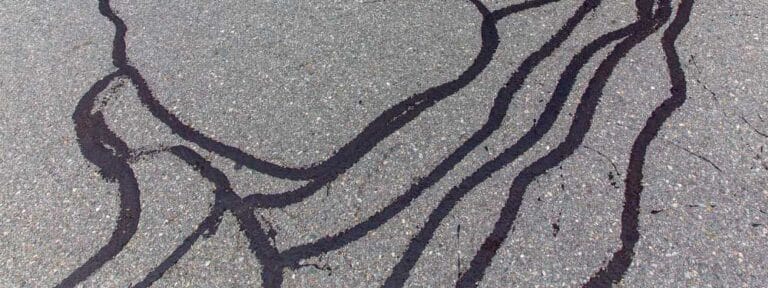
Cracks are typically caused by water infiltration, freeze/thaw, heavy loads, and UV radiation. Inadequate drainage and unstable base also accelerate damage to asphalt pavement. Maintenance measures include sealing and patching as required to prevent water damage. Drainage issues should be addressed, and the proper slope should be achieved to direct water away from the surface.
How do I choose a reliable driveway paving contractor?
Research any paving contractor for experience, licensing, insurance and reputation. Request references, examples of work and estimates. A reliable contractor will be upfront about materials, timelines, and costs and will explain the process from start to finish. Beware of anyone who rushes you into making decisions on the spot or who only works for cash.
Is driveway paving a good investment for home value?
A new or freshly paved driveway can add to the curb appeal and value of your home. It can also make your home more appealing to potential buyers who may equate the condition of your driveway with the condition of your home. A driveway upgrade may have a strong return on investment, particularly in competitive real estate markets.
How can I prevent damage during winter?
Winter conditions can be hard on asphalt driveways. Use sand or calcium chloride instead of rock salt or harsh chemicals to increase traction. Plow or shovel snow with plastic shovels or snow blowers, rather than metal blades that can gouge the asphalt. Keeping the driveway sealed and free of cracks can help resist damage from the freeze-thaw cycle.
What should I expect after the job is done?
After the driveway is paved, there may be some slight differences in the surface texture or tire marks as it cures. Your contractor should provide some instructions on how to care for the new paving, when it is safe to walk or drive on, and how to maintain it in the future. If you experience drainage issues, cracking, or irregular settling, call your contractor as soon as possible to have it inspected.
Conclusion
Paving your residential driveway is a big investment for most people, which is why it’s always good to know what to expect before, during, and after the paving process. We’ll cover some of the most common questions people ask, so you can be confident in your choices and get the most value out of your paving investment to protect and improve your home.
If you have further questions or are interested in a paving project for your driveway, call Productive Asphalt and ask for a free consultation. We serve residential customers throughout New Jersey and Pennsylvania and provide high-quality asphalt paving services.