
Top 7 Ways Professional Commercial Paving Increases Your Property Value
Your parking lot is working against you right now. Every crack signals neglect. Every pothole whispers lawsuit. Every faded line tells potential tenants you don’t care about details.
Or maybe your parking lot is working for you—creating powerful first impressions, protecting you from liability, and quietly adding thousands to your property’s value.
The difference comes down to one decision: treating commercial paving as an expense, or recognizing it as one of the smartest investments you can make in your property. Here’s what actually happens when you get it right.
How Commercial Paving Directly Impacts Property Value
Let’s start with numbers that matter. Quality commercial paving can increase property value by 5-10%, translating to real dollar increases ranging from $5,000 to $20,000 or more depending on your property size and market. For a mid-sized office building or retail center in Hunterdon County, NJ or Bucks County, PA, that percentage translates to tangible equity you can leverage or pocket when you sell.
Real estate appraisers don’t miss this. When they evaluate commercial properties, parking lot condition factors directly into their assessment. A freshly paved lot with clear markings and proper drainage signals professional management. A deteriorating lot raises red flags about deferred maintenance across the entire property.
The value boost goes beyond appraisal numbers. Well-maintained parking areas reduce vacancy rates, command higher rental rates, and attract higher-quality tenants who recognize—and will pay for—properties that won’t cause them headaches. Property managers throughout Mercer County, NJ know that commercial spaces with superior parking facilities lease faster and retain tenants longer. That’s not just curb appeal—it’s asset management that directly impacts your net operating income.
Curb Appeal That Actually Converts to Dollars
Curb appeal isn’t just a residential real estate term. For commercial properties, it’s the difference between a prospect driving past or pulling in. Your parking lot is the first thing anyone sees—tenants, customers, delivery drivers, potential buyers. Before they notice your building’s architecture or landscaping, they’re judging your pavement.
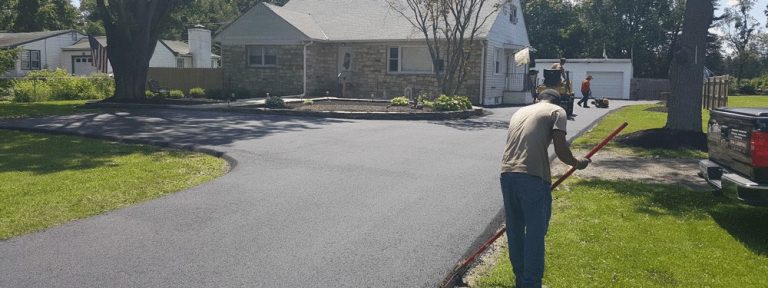
A smooth, dark asphalt surface with crisp white striping creates an immediate impression of professionalism and attention to detail. It suggests that if you care this much about the parking lot, you probably maintain the rest of the property just as well. That psychological impact matters more than most property owners realize.
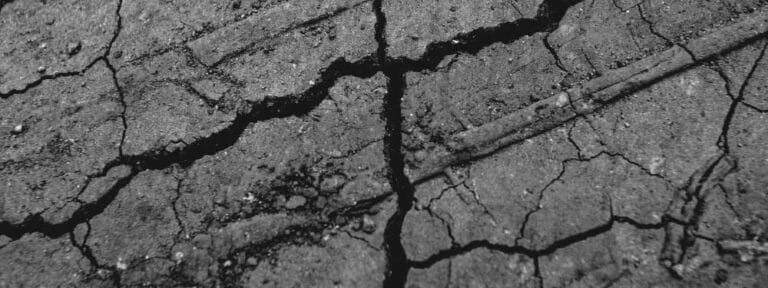
The opposite is equally true. Faded pavement, cracked surfaces, and barely visible line striping send a clear message: this property isn’t well-managed. Prospective tenants wonder what else has been neglected. Customers question whether they want to do business here. When it comes time to sell, buyers use visible deterioration as leverage to negotiate lower prices.
Research backs this up. Studies show that 94% of real estate agents report buyers will pay more for properties with strong curb appeal. For commercial properties in areas like Flemington, Doylestown, or Trenton—where competition for quality tenants is real—this advantage compounds over time.
Fresh paving also signals recent investment. When prospects see new asphalt, they’re not just seeing a parking lot—they’re seeing proof that ownership is willing to invest in the property. That confidence translates directly into stronger lease negotiations and higher property valuations. It’s the kind of competitive edge that separates properties that sit vacant from those that maintain 95%+ occupancy rates.
The Hidden ROI of Proper Drainage Solutions
Here’s what most property owners don’t realize until it’s too late: drainage problems don’t just damage pavement—they damage your entire property value. Water is asphalt’s biggest enemy. When parking lots lack proper drainage, water pools on the surface. That standing water seeps into cracks, works its way into the base layer, and begins a cycle of deterioration that accelerates with every freeze-thaw cycle.
In Bucks County, PA alone, pavement experiences 30-50 freeze-thaw cycles each winter. Each cycle expands cracks, creates potholes, and shortens pavement lifespan. Multiply that by the humid summers and heavy rainfall common to the tri-county area, and you’re looking at conditions that can destroy poorly-drained parking lots in half the time they should last.
The damage doesn’t stop at the parking lot. Poor drainage affects your entire property. Water that doesn’t drain properly erodes landscaping and creates unsightly mud patches. It damages building foundations as water migrates toward structures. It creates slip hazards that increase liability exposure. It accelerates deterioration of curbs, sidewalks, and building exteriors. In severe cases, it causes basement flooding or moisture issues in adjacent structures.
Professional commercial paving includes engineered drainage solutions from the start. This means proper grading to direct water away from buildings, strategically placed catch basins and drains, and surface slopes designed to prevent pooling. The investment in getting drainage right during initial paving pays back exponentially by protecting your entire property infrastructure.
Property managers in Mercer County, NJ understand this reality. They know that a parking lot with proper drainage isn’t just easier to maintain—it’s protecting tens or hundreds of thousands of dollars in building value. When appraisers and potential buyers evaluate properties, drainage issues raise immediate concerns about hidden damage and future repair costs.
The math is straightforward. Proper drainage during paving might add 10-15% to upfront costs. But it eliminates the risk of foundation repairs, landscape restoration, and premature pavement replacement—expenses that can easily run into six figures for commercial properties. That’s not just ROI. That’s risk management that protects your property value for decades.
ADA Compliance and Liability Protection Through Professional Paving
ADA compliance isn’t optional, and the penalties for getting it wrong aren’t minor. But beyond avoiding fines, proper ADA-compliant paving is one of the most effective liability shields you can put in place for your commercial property.
The Americans with Disabilities Act sets specific standards for parking lots. Surface slopes can’t exceed 1:48 (about 2%). Accessible spaces need proper dimensions and access aisles. Signage must be mounted at least 60 inches above ground. The path from parking to building entrance must be continuous and unobstructed.
Miss any of these requirements, and you’re exposed. Federal law allows individuals to sue for ADA violations, and some states impose statutory penalties starting at $4,000 per violation. More importantly, non-compliance signals to potential tenants and customers that your property doesn’t meet professional standards—a reputation hit that’s hard to recover from.
How We Ensure ADA Compliance in Every Commercial Paving Project
Getting ADA compliance right requires more than painting wheelchair symbols on pavement. It demands precise engineering, proper materials, and attention to details that most property owners don’t even know exist. We understand these requirements inside and out, and we build them into every commercial paving project from day one.
We start by evaluating your property’s specific needs—how many accessible spaces you need based on total parking count, where those spaces should be located for shortest accessible route to entrances, and how to integrate them seamlessly into your overall parking layout. For a 100-space lot, you need four accessible spaces. For a 200-space lot, you need six. Get the count wrong, and you’re out of compliance before the first car parks.
The technical requirements matter. Accessible parking spaces must be level, with surface slopes not exceeding 1:48 in any direction. That’s roughly a 2% grade—tight enough that it requires skilled grading and compaction during installation. Access aisles must be the same level as the parking space and connect directly to accessible routes without curbs or obstructions. One poorly-graded section can make an entire accessible space non-compliant.
Striping and signage have their own specifications. Lines must be a certain width and color. Signs must include the International Symbol of Accessibility and be mounted at the correct height. Van-accessible spaces need additional signage designating them as such. These aren’t suggestions—they’re federal requirements with real consequences for non-compliance.
In areas like Hunterdon County, NJ, local codes sometimes exceed federal ADA standards, adding another layer of complexity. We check both federal requirements and local regulations, ensuring your property meets the stricter of the two. That local knowledge prevents costly retrofits down the road.
The benefit of getting this right goes beyond compliance. ADA-compliant parking lots are safer and more functional for everyone—not just people with disabilities. Clear markings, proper slopes, and well-designed access routes reduce accidents, improve traffic flow, and create a more professional environment. That safety and functionality translates directly into reduced liability exposure and increased property appeal to quality tenants who notice these details.
Property Liability Reduction Through Quality Paving
Slip-and-fall accidents are one of the leading causes of premises liability claims. For commercial property owners, cracked pavement, potholes, and uneven surfaces represent constant exposure to costly lawsuits. The legal reality is straightforward: property owners have a duty to maintain safe conditions. When someone trips on a pothole or falls due to uneven pavement, you’re potentially liable for their medical expenses, lost wages, pain and suffering, and legal costs.
These claims can easily reach six figures, and they damage your property’s reputation in the process. One serious injury in your parking lot becomes public record. Potential tenants research these incidents. Existing tenants question whether they want to renew leases. The reputational damage often exceeds the direct legal costs.
Quality commercial paving eliminates these hazards at the source. Smooth, even surfaces with no cracks or depressions give people nowhere to trip. Proper drainage prevents water pooling that creates slip hazards, especially dangerous during winter months in the tri-county area. Clear striping separates pedestrian and vehicle traffic, reducing the risk of accidents.
The liability protection goes deeper than just preventing falls. Well-maintained parking lots also reduce vehicle damage claims. Potholes that damage tires, suspension systems, or vehicle undercarriages can lead to property owner liability. Unclear markings that contribute to vehicle collisions create additional exposure. Every crack you ignore is a potential lawsuit waiting to happen.
Insurance companies recognize this reality. Properties with well-maintained parking lots often qualify for lower premises liability premiums because they present less risk. That ongoing savings adds to the ROI of professional paving—you’re not just avoiding potential claims, you’re reducing your annual insurance costs year after year.
For property managers overseeing multiple commercial properties in Bucks County, PA or Mercer County, NJ, this liability reduction becomes a significant factor in asset management strategy. Properties with superior paving require less legal budget allocation, carry lower insurance costs, and present fewer crisis management situations. That operational efficiency directly impacts net operating income and property value.
The proactive approach makes sense from every angle. Investing in quality paving costs a fraction of what you’d spend defending a single serious liability claim. And unlike insurance, which just transfers risk, proper paving eliminates it. That’s the difference between reactive property management and strategic asset protection.
Maximizing Commercial Property Value Through Strategic Paving Investment
Professional commercial paving isn’t an expense line item—it’s a strategic investment with measurable returns. From the 5-10% property value increase to reduced liability exposure, from ADA compliance that avoids costly fines to drainage solutions that protect your entire property infrastructure, quality paving work pays dividends across multiple dimensions.
The property owners and managers who understand this are the ones with lower vacancy rates, higher-quality tenants, and properties that command premium prices when it’s time to sell. They’re not spending more on paving—they’re investing smarter in their property’s long-term value and performance. They recognize that every dollar invested in professional paving returns multiples through increased property value, reduced liability, lower insurance costs, and improved tenant retention.
If your commercial property in Hunterdon County, NJ, Bucks County, PA, or Mercer County, NJ hasn’t had professional paving attention recently, you’re leaving money on the table. More importantly, you’re carrying liability exposure and property value risk that doesn’t need to exist. We specialize in commercial paving projects that deliver both immediate curb appeal and long-term value protection—with the personalized attention and decades of expertise that make the difference between pavement and investment.