Asphalt Paving vs. Gravel Driveways: Which is Best for Your Home?
Choosing between a paved and a gravel driveway is an essential decision for any homeowner. Asphalt vs. gravel driveways have distinct advantages and disadvantages, and your choice should be based on your budget, needs, and preferences. We’re here to help you compare both to find the one that best suits your home.
The Basics: Understanding Paving vs. Gravel
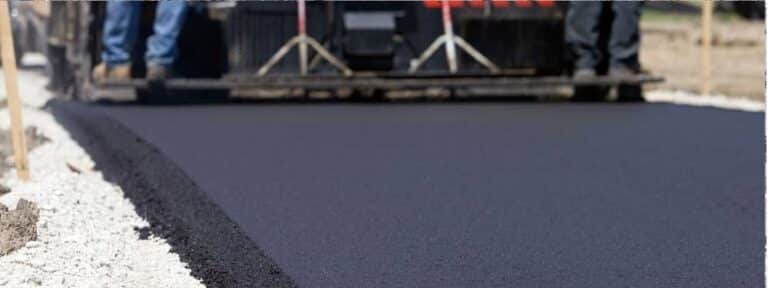
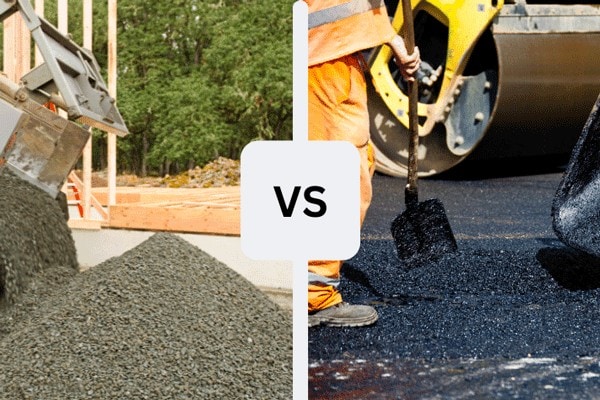
Gravel driveways consist of loose small stones which are spread across a prepared surface. Asphalt paving, by contrast, is the process of applying a combination of aggregates and bitumen to form a smooth and long-lasting surface. The two can create a practical driveway, but they differ significantly in price, maintenance, durability, and appearance.
1. Initial Installation Cost
Cost is a crucial factor when weighing paving vs. gravel. Gravel driveways are significantly cheaper. Material costs are minimal, and installation can be completed with fewer labor and equipment requirements. For homeowners on a budget, gravel may seem like the obvious choice. Asphalt driveways are more expensive initially. Asphalt requires professional installation with specialized equipment and a focus on even layers and proper preparation. Although the upfront cost is higher, asphalt is well worth the investment for most homeowners.
2. Maintenance and Upkeep
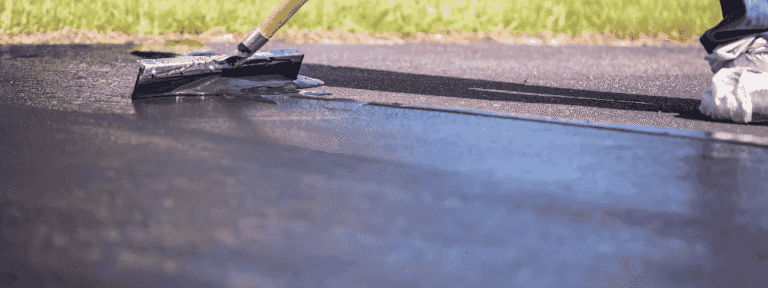
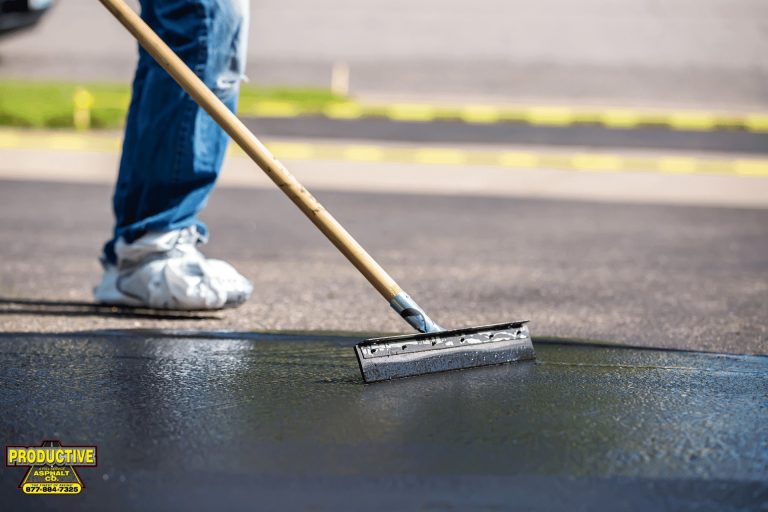
Maintenance is another important point in the paving vs. gravel argument. Gravel driveways need more attention. The loose surface can easily become uneven, requiring regular re-leveling to prevent ruts or potholes. Rain and vehicle traffic will also shift the gravel, so you may need to top off the surface periodically. Asphalt, in contrast, requires minimal maintenance. Sealcoating every 2-3 years will keep it in good condition, and minor cracks can be filled with a sealant.
3. Durability and Longevity
Durability and longevity are two other factors to consider with paving vs. gravel. Gravel driveways are not very durable, especially in wet climates or places with heavy snowfall. Rain and snow can cause gravel to wash or shift away, and the surface will eventually develop more bumps and uneven spots. Properly installed and maintained asphalt driveways can last 20 to 30 years or more. Asphalt can withstand the freeze-thaw cycles of winter and all the elements better than gravel, making it a great long-term solution.
4. Appearance and Curb Appeal
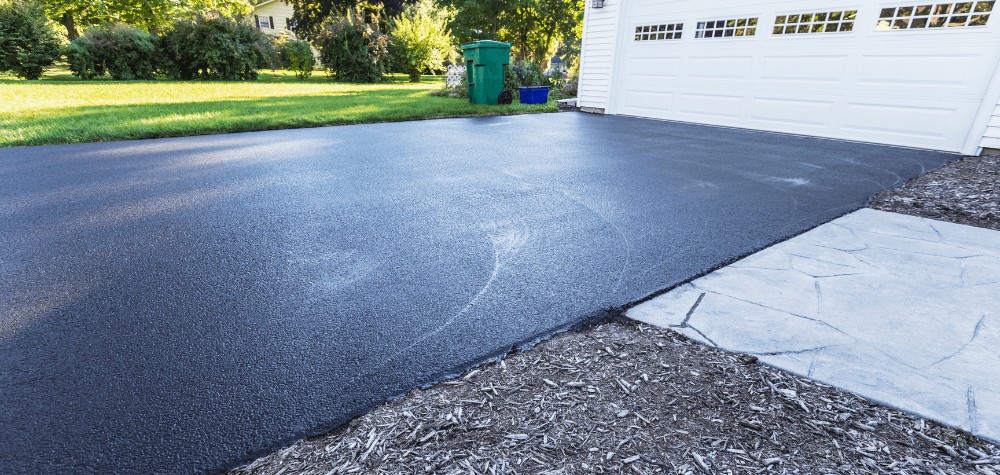
Appearance and curb appeal are important, too, especially if you want to resell in the future. As for the paving vs. gravel curb appeal, asphalt is the clear winner. The smooth, black asphalt of the driveway lends a modern, professional look that complements almost any architectural style. Gravel driveways, on the other hand, can seem messy and less refined, especially as the gravel shifts and becomes uneven. If you want a polished look, asphalt is the best choice.
5. Weather Resistance
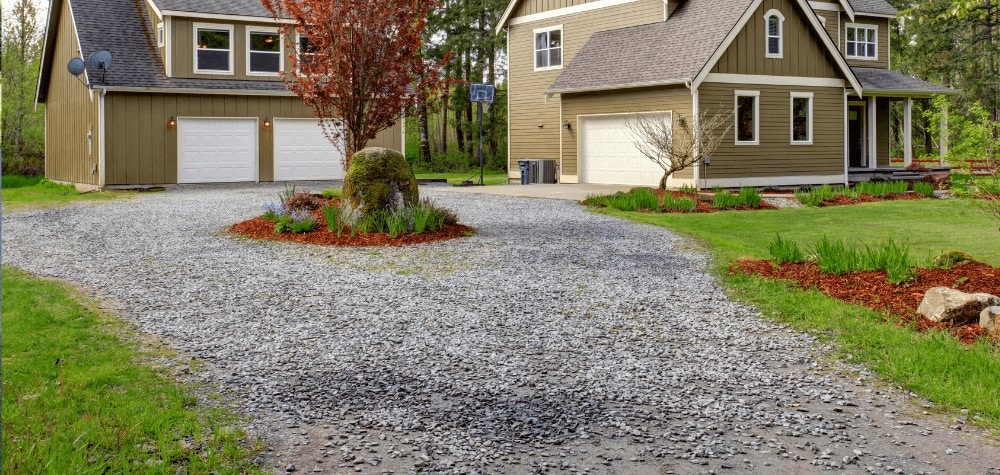
Weather resistance is important as your driveway will be exposed to elements that can cause damage or degradation. Gravel driveways can erode and wash away during heavy rains, and snow removal is more difficult. Plowing or shoveling gravel often displaces the stones, leaving you with more re-leveling work in the spring.
Asphalt driveways are more weather-resistant. They are easier to plow or shovel in the winter, and proper drainage can prevent pooling or surface damage. Asphalt is also more resistant to freeze-thaw cycles, which can cause cracks or other damage.
6. Environmental Impact
If you are concerned about environmental impact, there are some pros and cons of each paving vs. gravel option. Gravel driveways are more environmentally friendly as they use natural materials and require less energy to install. However, they can contribute to dust and sediment runoff.
Asphalt driveways have a higher energy cost in production, but asphalt is 100% recyclable. Old asphalt can be ground up and reused for new paving, which reduces its environmental impact in the long term. Compare paving vs. gravel for environment when choosing.
7. Noise and Comfort
One final point to compare paving vs. gravel driveways is noise and comfort. Gravel driveways can be noisy as tires grind on the gravel. Loose gravel can also be uncomfortable and harder to navigate on foot or by bike. Kids and older people may find it more challenging to walk or ride on gravel.
Asphalt driveways are quieter and more comfortable for both cars and pedestrians. The smooth surface means less noise and safer, easier walking for everyone.
Which is Right for Your Home?
At the end of the day, whether you choose paving vs. gravel comes down to your needs and preferences. If low cost and maintenance are your priorities, gravel may be the best option. However, for most homeowners, an asphalt driveway is a better investment in the long run. Asphalt driveways are durable, low-maintenance, and add to your home’s curb appeal with their modern, polished look.
Trust Productive Asphalt for Your Driveway Needs
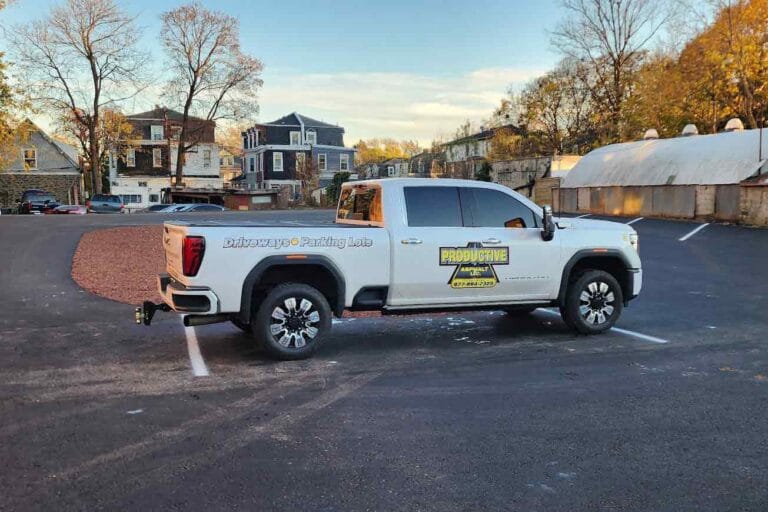
With over 10 years of experience in the industry, Productive Asphalt has the resources and know-how to provide you with top-quality asphalt paving that will fit your requirements, your budget and last you a lifetime. Each driveway we install is done so professionally, from start to finish, so that you can rest assured that no matter what you are upgrading from (gravel, dirt, new construction, etc.), your driveway is built to last.
Contact us today to discuss your options and receive a free quote for your driveway project. Let us help you decide between paving vs. gravel and provide you with a driveway you will be proud to show off for years to come!