Is Pollen Bad for Your Driveway? How to Manage It the Right Way
Warm weather brings thoughts of lawn care, landscaping and other outdoor maintenance to the minds of most homeowners. However, there’s one seasonal inconvenience people often overlook in their driveways: pollen. If you’ve seen a filmy yellow-green residue covering your asphalt or concrete, you’re not alone. Pollen may not directly damage the structure of your driveway, but it can affect its appearance and durability if left unchecked.
Learning more about how pollen affects driveways and what to do to clean and protect those surfaces can help you maintain your investment and curb appeal. Here’s what every homeowner needs to know about pollen.
What Is Pollen and Why Does It Matter?
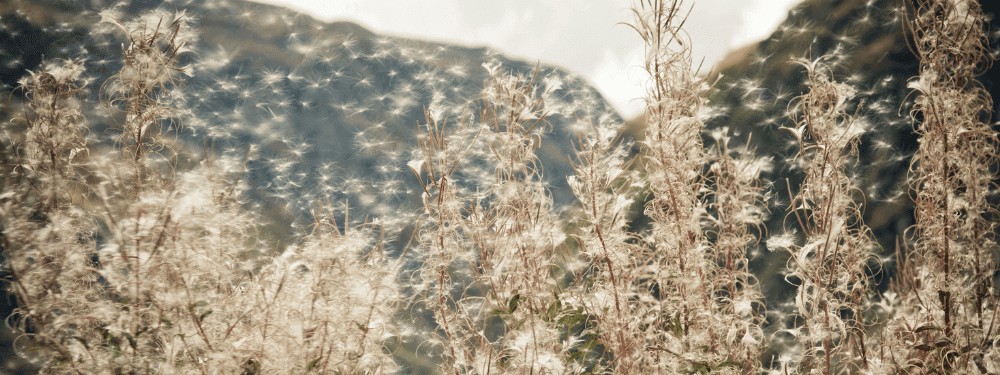
Pollen is the fine powder produced by trees, grasses, and other plants during their reproductive cycles, usually in the spring and early summer. It blows on the wind and lands on every outdoor surface: cars, roofs, patios, and, yes, driveways. Most people think of pollen only in terms of allergies. But for driveways and other hard surfaces, pollen can also pose a threat to appearance and cleanliness.
Pollen can leave driveways with a dusty or grimy film. It won’t eat away at asphalt or concrete like other deposits might, but it can attract moisture and dirt. This can lead to surface discoloration, promote mildew or algae growth, and generally make your driveway look bad. If you live in a high-pollen area, you may need to add driveway cleaning to your spring and summer routine.
Aesthetic Impact and Surface Concerns
The most visible impact that pollen has on your driveway is aesthetic. Pollen creates a dull, yellowish coat that clings to your driveway, covering up the clean, crisp appearance of asphalt or concrete. On darker driveways, like asphalt, this pollen may not be as immediately visible. However, it still creates a visible layer of residue that can trap more dust and debris.
On lighter-colored concrete driveways, the pollen is even more noticeable. It can also be a source of staining if it mixes with rain or car fluids. For homeowners who pride themselves on their property’s curb appeal, pollen buildup can be an ongoing battle during the spring season.
Pollen on its own is not acidic or corrosive. However, mixed with other organic materials like leaves, dust, and tree sap, it can create an environment that’s hospitable to moss or algae. These plants can further stain or weaken your driveway’s surface over time, especially in shady, low-traffic areas.
Drainage and Structural Considerations
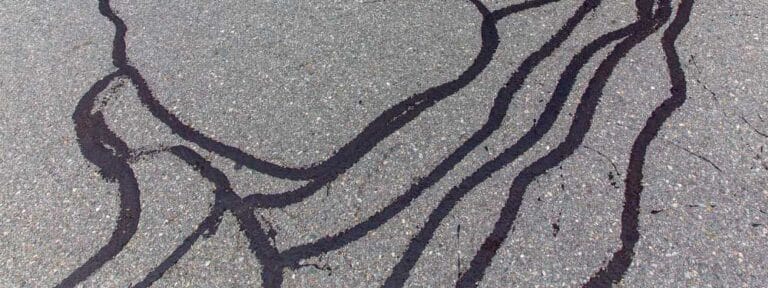
The other issue to keep in mind when it comes to pollen and your driveway is drainage. Rain washes pollen from roofs, cars, and trees all over your driveway. If your driveway has surface depressions or cracks, they can pool there. From there, it’s either washed into nearby drains or gets stuck in expansion joints and other cracks, causing minor clogs or simply slowing down the rate at which water runs off.
If the water continues to pool, organic matter and pollen mixed in can create a dirtier grime that is harder to remove. It also traps moisture in your driveway, where it can seep into cracks and cause minor freeze-thaw damage when temperatures cool again. It won’t cause serious damage on its own, but it could contribute to early wear if conditions are right.
The same issue arises with gravel driveways, except the pollen can get packed several inches deep into your driveway. It creates a dusty, damp layer that holds in moisture and attracts weeds. It can also cover up spots where your gravel has become patchy or uneven.
Best Practices for Cleaning Pollen from Driveways
Ideally, your solution to pollen on your driveway will be preventative and ongoing. Sweeping or blowing off the loose accumulation of debris and pollen is a great first step and should be part of your regular driveway maintenance. Simply using a leaf blower and a broom to sweep away pollen and other debris is enough to remove most particles, and it’s best done once or twice a week during high pollen season.
If you have a hose, consider using a bit of water as well to wash off your driveway. Water pressure can be pretty helpful when rinsing off stubborn spots of pollen, dust, and dirt that may have become lodged in small pores or crevices on the surface. Using a pressure washer is an even better option, but it should be done carefully, with an eye toward avoiding damage to the asphalt surface, especially if it’s older or already in need of repair.
In cases of heavy staining or pollen residue, try using a mild detergent or all-purpose outdoor surface cleaner. You will want to take care when using chemicals on asphalt driveways, however, as many cleaning solutions can erode the sealant or otherwise eat away at the surface itself. Check the label or ask a professional if you’re uncertain about how a product will interact with your driveway’s asphalt.
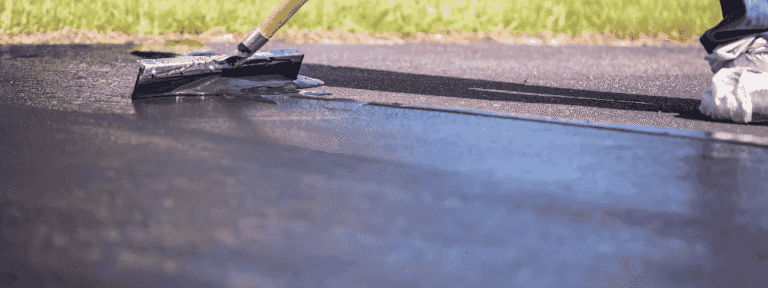
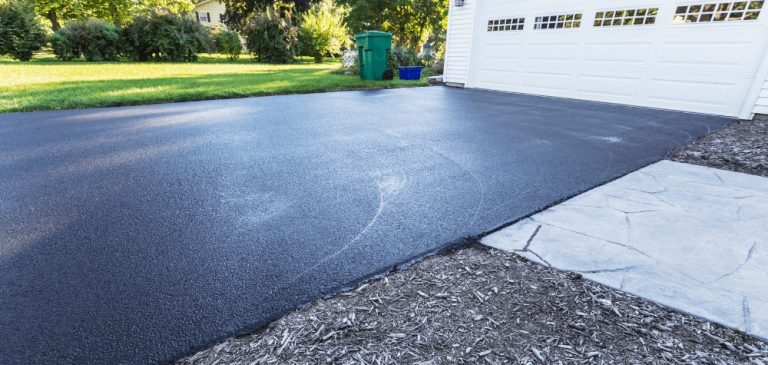
Once your driveway has been cleaned, you may want to consider sealing the asphalt to help protect it. A good sealcoat adds a layer of protection against moisture, dirt, and UV rays while also making the surface easier to clean. Sealant can also help prevent fine airborne particles like pollen from penetrating the surface and becoming difficult to clean.
Long-Term Maintenance Tips and When to Seek Help
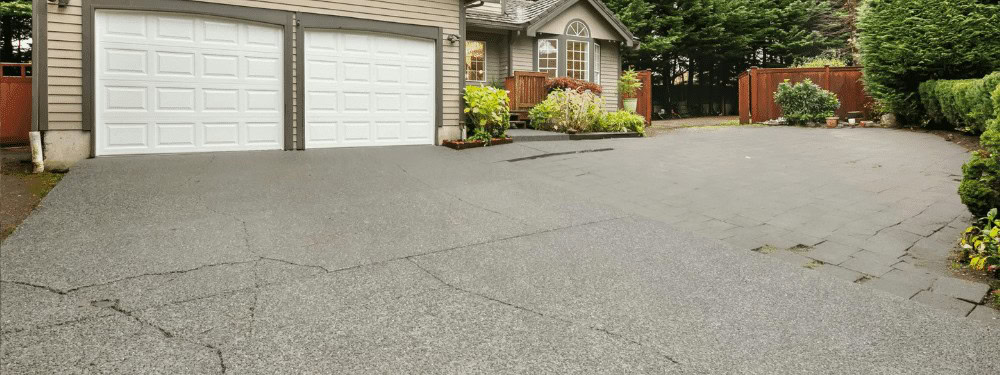
One final way to maintain your driveway is to add surface care to your seasonal driveway maintenance checklist. After cleaning, inspect the surface for cracks, low spots, and general wear and tear. Addressing minor driveway maintenance issues early, before they cause more serious damage, is a great way to keep the surface looking and performing its best for years to come.
If pollen buildup is excessive or if your driveway surface has stains that simply won’t come out after cleaning, then it may be time to have the surface professionally cleaned or resurfaced. A paving contractor can inspect the surface and recommend the power washing, patching, and sealing services best suited to your property. In areas with extensive tree cover, these services can be a great way to restore your driveway after a particularly messy spring season.
It can also be a good idea to trim back overhanging trees and maintain nearby gutters to minimize the amount of pollen that lands on the surface in the first place. Regularly cleaning these areas will also help reduce the amount of debris that accumulates on your driveway’s surface, making day-to-day cleaning tasks that much easier.
Homeowners with gravel driveways may also want to rake or grade the surface periodically to remove compacted pollen, leaves, and dirt. Doing so will not only keep the surface even but also encourage proper drainage and discourage plant growth that could lead to future maintenance problems.
Conclusion
You probably associate pollen with seasonal allergies and irritating sneezing. While it may not be a huge issue on your drive, pollen can contribute to the appearance of your driveway over time. A pollen-covered driveway does not look attractive to the eye. However, a clean driveway will often take regular sweeping, rinsing, and sealcoating if you want to avoid issues from pollen and maintain a longer period of surface cleanliness. Productive Asphalt has compiled a list of common problems and solutions to extend the attractiveness of your driveway:
Don’t let pollen dull your driveway. Maintaining a clean drive takes effort. Depending on where you live, you can have several varieties of pollen that can settle on your driveway and, in some cases, affect your asphalt or concrete. Regular sweeping and washing can help keep pollen from damaging the surface. If you are unsure about which products to use or are interested in a long-lasting, durable result, Productive Asphalt has a qualified paving contractor on our team that can assist you.
Reach out today for a free estimate and more information on how to keep your driveway pollen-free this season.