Common Mistakes Property Owners Make When Maintaining a Parking Lot
Parking lot maintenance seems like an easy task to keep up with, but a lot of things can go wrong when the little details get overlooked. Neglecting proper care and upkeep can result in costly damage, safety hazards and expensive repairs. Whether you own a strip mall, office park, apartment complex, or any other property with parking facilities, it’s essential to know the ins and outs of proper maintenance procedures to preserve pavement longevity, visitor safety, and your investment. Here are some of the most common mistakes that parking lot owners make – and our expert tips for avoiding them.
Why is ignoring small cracks in asphalt a big mistake?
Small cracks may not appear to be dangerous, however, they can quickly turn into major issues. Cracks left unsealed allow moisture to penetrate into the sub-base, softening it and making it weaker. In colder climates, the freeze-thaw cycle will cause humidity to expand and contract, further damaging the area. The cracks will only continue to grow and eventually turn into potholes. Sealing cracks early is a cost-effective way to prevent costly future repairs. Routine inspections will help you find and fix cracks before they spread.

How often should parking lots be sealcoated, and what happens if they’re not?
Sealcoating is one of the best ways to prolong the life of your asphalt. It helps to prevent damage from UV rays, water, oil spills, and other chemicals. If you do not sealcoat, your pavement will fade and become brittle, and cracks will develop much more quickly. Plus, your pavement will lose its aesthetic appearance. We recommend that you sealcoat your lot every two to three years, depending on traffic and exposure. If you choose not to perform this regular maintenance, it will reduce the protective properties of your asphalt and shorten its lifespan.
Is poor drainage really that harmful to a parking lot?
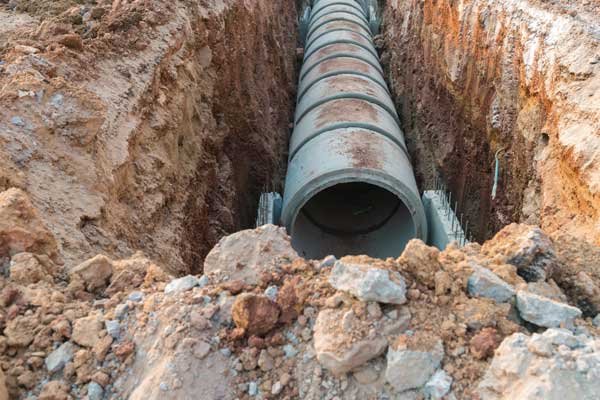
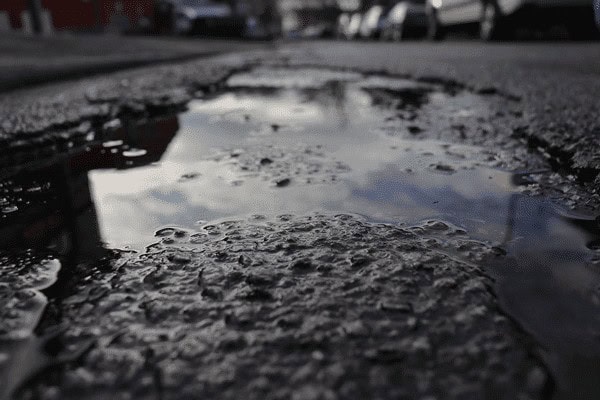
Yes, improper drainage is a primary cause of premature asphalt failure. Water allowed to stand on the surface penetrates into the pavement and softens the sub-base. The entire pavement is weakened, increasing the risk of cracks and potholes. Lot grading and clean-out of drains, catch basins and gutters should be a regular part of a property owner’s maintenance. The cost of drainage solutions now will save you from structural problems later.
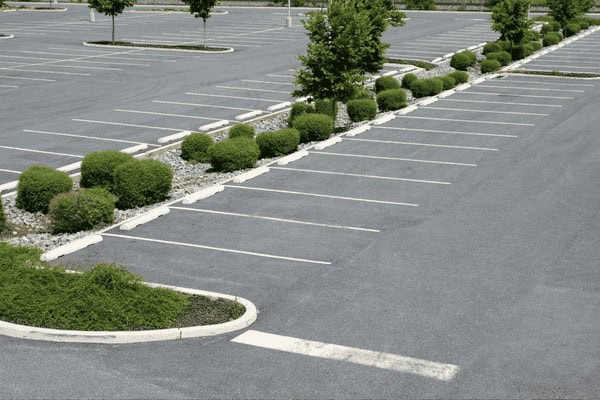
Why do some property owners skip striping and re-striping?
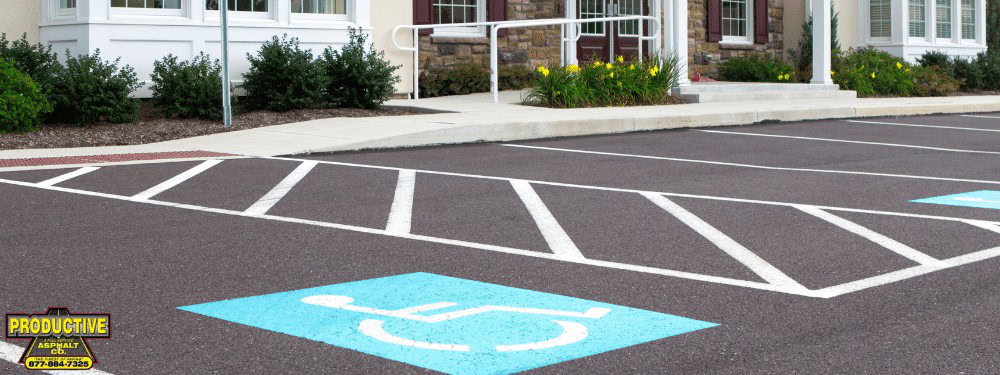
Striping is an important aspect of maintaining order, safety and ADA compliance. When lines are faded or hard to see, people will park incorrectly, block fire lanes, and cause all kinds of unsafe conditions. It also causes significant confusion for pedestrians. Lines should be repainted every 12-24 months to maintain order, keep your property looking neat and tidy and reduce your liability for traffic accidents.
What are the dangers of delaying pothole repairs?
Potholes are dangerous to cars, people, and your wallet. If left alone, potholes get bigger, damage more things, and become more expensive to fix. Potholes are also a liability risk. When a customer or tenant damages their car or gets injured, you could be liable. By fixing potholes right away, they won’t spread, cause as many accidents, or damage your reputation. For the best results, please make sure to patch any potholes as soon as you find them.
Should I use de-icing salts in winter, or are there better alternatives?
De-icing salts will melt ice, but excessive use can damage your asphalt and landscaping. Salt promotes faster freeze-thaw activity, and the potential for cracking increases, particularly if water has found its way into existing cracks. Sand and calcium chloride are alternatives for ice control. Removing snow quickly and not plowing too close to the surface will also help you avoid unnecessary scraping. Strive for a balance between safety and preservation during winter maintenance.
Can hiring an inexperienced contractor affect my parking lot?
Yes, selecting an unqualified or uninsured contractor is a typical error that can lead to shoddy work and expensive reworks. Substandard workmanship can result in incorrect grading, thin asphalt layers, uneven compaction, and early degradation. It’s important to hire a licensed, insured contractor with an excellent portfolio and local expertise. Inquire about references, request written bids, and confirm they follow the latest ADA and zoning codes. Your parking lot is an investment for many years to come, so it’s worth working with qualified pros.
Why do property owners underestimate the importance of regular inspections?
A common misconception is that property owners have that if the parking lot surface looks good, the entire parking lot must be in good condition. Many parking lot issues start beneath the surface and can go unnoticed until they escalate to the point of becoming visible. By regularly inspecting your parking lot once a season, you can spot small issues like drainage blockages, incipient cracking, or weakening pavement before it is too late. Addressing these issues early keeps costs down and extends the life of your asphalt. A preventive maintenance plan will always outperform a reactive one.
What impact does heavy vehicle traffic have, and how can it be managed?
Dumpsters, heavy trucks, and delivery vans can create excessive stress on certain sections of your parking lot. This can lead to depressions, cracking, and premature surface failure. One common mistake is failing to reinforce these high-impact areas. Install thicker asphalt in high-traffic zones and consider concrete pads for dumpster placement. Properly marking and controlling vehicle flow can also help distribute weight more evenly.
Why is it important to consider ADA compliance during maintenance?
ADA compliance is not optional; it’s the law. Failing to keep your parking spaces, ramps and clear paths accessible is an invitation for legal action and fines. When it comes to resurfacing or striping, many property owners forget to consider ADA guidelines. Ensuring your lot has proper slope, signage and designated spaces for disabled drivers and visitors is a must. Any lot resurfacing or repairs should leave your property in ADA-compliant condition, not in violation.
Is it better to repair or repave a damaged parking lot?
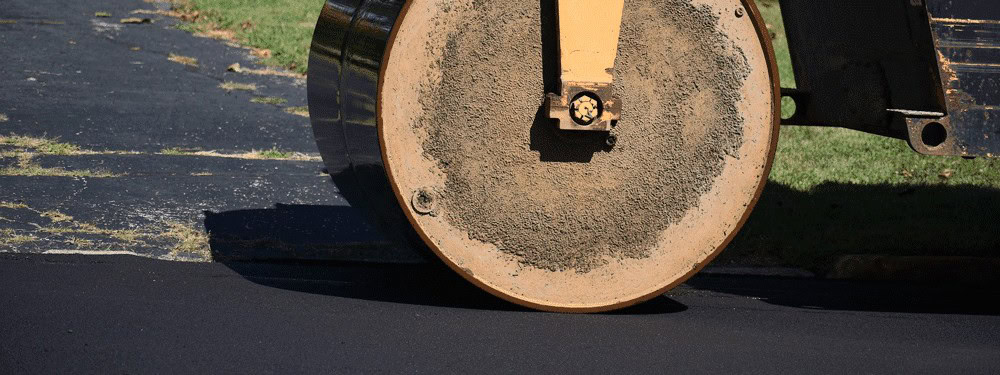
That depends on how bad it is. Spot repairs work well for individual issues, but if more than 30% of your parking lot is in bad shape, resurfacing or complete replacement may be more cost-effective. Patching over failing asphalt only puts it off for later and, in the long term, usually ends up more expensive. An experienced contractor will inspect the lot’s overall condition and help you decide between repairs, overlays, or a full repave.
What’s the best way to develop a long-term maintenance plan?
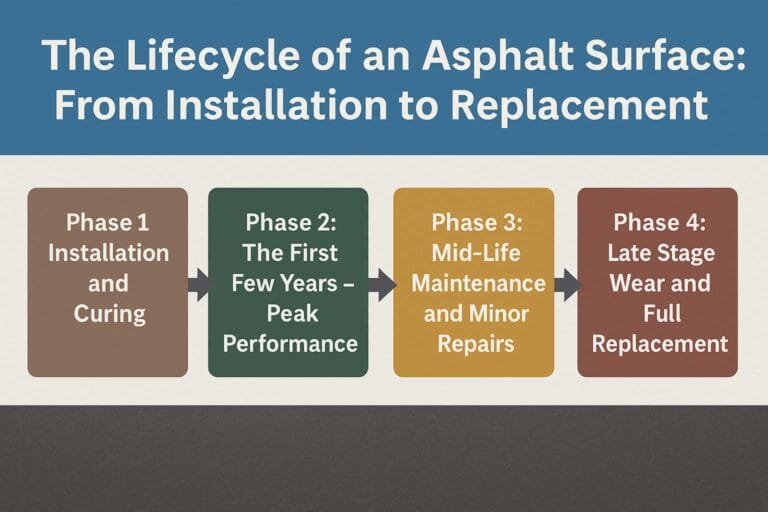
Maintenance is often something many property owners neglect to plan for. They miss chances to use preventative maintenance to avoid having to do extensive repairs later. The most effective way to handle pavement maintenance is to work with a contractor. They will develop a customized program for you based on your lot’s age, use, and environment. A great maintenance plan includes regular inspections, crack sealing, sealcoating, line striping, and long-term resurfacing. A set maintenance program will allow you to build it into your annual property operating budget.
Conclusion
Parking lot maintenance doesn’t just happen—it’s a process. You might find yourself putting off a crack seal job here or skipping a sealcoat there. Maybe you’re not paying enough attention to drainage or trusting your work to an inexperienced contractor. And the list goes on. Parking lot maintenance mistakes are almost always caused by the same two things: neglect and improper planning. The good news is that every single one of these mistakes is preventable.
Stay proactive and partner with the right people, and you’ll keep your pavement in the best condition, looking and performing the way it should for years to come. Here in New Jersey and Pennsylvania, we at Productive Asphalt are helping property owners take their pavement problems into their own hands with practical, budget-friendly solutions. Give us a call today, and let’s talk about a free assessment and set up your maintenance plan the right way.