Driveway Repair: How to Fix Common Pavement Issues
That crack in your driveway didn’t appear overnight, even if you just noticed it yesterday. Water’s been working its way in for months, and now you’re wondering if it’s a quick fix or the start of something expensive. Here’s what you need to know: most driveway problems give you warning signs long before they become emergencies. Catching them early means choosing repair over replacement. Ignoring them means watching a $200 crack repair turn into a $5,000 resurfacing project. This guide covers the repairs that actually work, the ones that don’t, and how to tell the difference.
Asphalt Sealcoating: Your First Line of Defense
Sealcoating isn’t a repair. It’s insurance. Think of it as sunscreen for your driveway—it doesn’t fix existing damage, but it prevents new damage from starting. A proper sealcoat creates a waterproof barrier that keeps moisture from seeping into cracks and protects the surface from UV rays that make asphalt brittle.
Most driveways need sealcoating every 2-3 years, depending on traffic and weather exposure. In Hunterdon County, NJ, where freeze-thaw cycles hit hard every winter, that protective layer makes the difference between a driveway that lasts 15 years and one that lasts 25. The application process takes a day, costs a fraction of what you’d pay for repairs, and adds years to your pavement’s life.
Seal Coating Asphalt: When Timing Matters Most
You can’t sealcoat whenever you feel like it. Temperature, weather, and the condition of your asphalt all determine whether the application will work or waste your money. The surface needs to be completely dry, temperatures should stay above 50°F for at least 24 hours after application, and there can’t be rain in the forecast.
Spring and early fall are your best windows in New Jersey. Summer heat can make the sealcoat dry too fast, creating an uneven finish. Winter obviously won’t work. And if your driveway already has significant cracks or potholes, sealcoating won’t fix them—you’ll need to repair those issues first, then seal the surface.
The sealcoat itself needs time to cure before you can drive on it. Most applications require 24-48 hours of no traffic, which means planning around your schedule. If you’re running a business with a parking lot, that timing becomes even more critical. You can’t afford to shut down customer access for days, which is why many commercial properties schedule sealcoating work over weekends or during slow seasons.
Here’s what actually happens during a professional sealcoat application: the surface gets cleaned thoroughly to remove dirt, oil, and debris. Any vegetation growing in cracks gets removed. Then the sealcoat material—usually a coal tar or asphalt-based emulsion—gets applied in thin, even layers using squeegees or spray equipment.
The material fills in small surface voids and creates that protective barrier we talked about. It also gives your driveway that fresh, dark appearance that makes it look new again. But that cosmetic benefit is secondary to the real purpose: keeping water out and preventing oxidation damage that causes cracking.
One thing to understand: sealcoating works best as preventive maintenance, not as a repair solution. If your driveway is already severely cracked or has drainage problems, you’re putting a bandaid on a broken bone. Fix the structural issues first, then protect your investment with sealcoating.
Asphalt Patching and Repair: Fixing Localized Damage
When you’ve got isolated problem areas—a pothole here, a sunken section there—patching makes more sense than resurfacing the entire driveway. But not all patches are created equal. The difference between a patch that lasts five years and one that fails in five months comes down to preparation and materials.
Surface patching works for shallow damage where the base layer is still solid. The damaged asphalt gets removed, the area gets cleaned, and new hot-mix asphalt fills the void. It’s straightforward, relatively inexpensive, and effective for minor issues. You’ll pay somewhere between $100-$500 per patch depending on size and depth.
Dig-out patching is what you need when the damage goes deeper. The entire section of failed asphalt gets removed down to the base layer. If the base has deteriorated, that gets rebuilt too. Then new asphalt gets installed from the ground up. This approach costs more but actually fixes the problem instead of covering it up.
The key question: why did the damage happen in the first place? If it’s just normal wear and tear, a straightforward patch works fine. But if poor drainage caused the failure, or if the base was never properly compacted, patching without addressing those issues means you’ll be patching the same spot again next year.
Here’s how to tell if patching is your best option: the damage covers less than 25-30% of your total driveway surface. The base layer is still solid in most areas. You’re dealing with isolated problems, not widespread deterioration. And you’re willing to address any underlying drainage or compaction issues that caused the damage.
When patching stops making sense: if you’re constantly repairing new problem areas, or if the same spots keep failing, or if cracks are spreading across more than a third of your driveway. At that point, you’re throwing good money after bad. Resurfacing or replacement becomes the smarter investment.
We know the difference between a patch that’s worth doing and one that’s just postponing the inevitable. We look at your base layer, check your drainage, and give you an honest assessment. If someone’s willing to patch everything without mentioning the bigger picture, find a different contractor.
Pothole Repair: Permanent Solutions vs. Temporary Fixes
Potholes don’t just appear. They’re the end result of a process that started with a crack you probably ignored. Water seeped in, froze, expanded, thawed, and repeated that cycle until the asphalt broke apart. Now you’ve got a hole that damages vehicles and creates liability issues.
You’ve got options for fixing potholes, but they’re not all equal. Cold patch material—the stuff you can buy at hardware stores—is designed for temporary repairs. It works in any weather, which makes it convenient for emergency fixes, but it doesn’t bond permanently to the surrounding asphalt. Most cold patches fail within a year.
Hot-mix asphalt repairs are what you want for permanent fixes. The material gets heated to around 300°F, bonds chemically with the existing asphalt, and compacts properly under weight. These repairs last years instead of months, but they require professional equipment and can only be installed in warm weather.
Hot Patch Asphalt Repair: The Professional Standard
Hot patch repairs start with proper preparation, which most DIY approaches skip entirely. The pothole edges get cut clean and straight, creating a defined repair area. Loose material gets removed completely. The hole gets cleaned out so the new asphalt bonds to solid material, not debris.
Then comes the hot-mix asphalt, installed in layers if the hole is deep. Each layer gets compacted properly before the next one goes in. The final surface should sit slightly higher than the surrounding pavement because it’ll compact further under traffic. Get this wrong and you’ll have a depression that collects water.
Temperature matters enormously with hot-mix repairs. The asphalt needs to stay hot enough to compact properly, which is why professionals use insulated trucks and work quickly. Cold weather makes this harder, which is why most quality contractors won’t do hot-mix work when temperatures drop below 50°F.
The repair should be nearly invisible when done right. You might see a slight color difference initially, but that fades as the new asphalt weathers. What you shouldn’t see: edges that separate from the old pavement, depressions that hold water, or cracks forming around the patch within the first year.
Cost runs anywhere from $100-$800 per pothole depending on size and depth. That sounds like a wide range because a small surface pothole is a completely different repair than a deep hole that requires base reconstruction. Get multiple estimates and make sure contractors are looking at the same scope of work.
Here’s what separates a quality repair from a quick patch job: attention to the base layer. If water damaged the foundation beneath your driveway, filling the surface hole doesn’t solve anything. The base needs to be excavated, rebuilt, and properly compacted. Otherwise, you’re just buying yourself a few months before the same spot fails again.
Infrared pothole repair is a newer technology that heats the existing asphalt until it becomes workable again, then blends in new material for a seamless repair. It works well for certain situations and can be done year-round, but it’s not suitable for every type of damage. Deep structural failures still need traditional excavation and reconstruction.
Cold Patch Pothole Repair: When Emergency Fixes Make Sense
Cold patch has its place, but you need to understand what you’re getting. It’s designed for temporary repairs when hot-mix isn’t available—during winter, after hours, or in remote locations. The material doesn’t require heating, can be applied in any weather, and provides immediate usability.
But “temporary” is the key word. Cold patch doesn’t bond permanently to asphalt. It’s more like filling a hole than repairing it. Traffic gradually compacts the material, but it can also dislodge it. Rain washes around the edges. Freeze-thaw cycles work underneath it. Most cold patches need replacement within 6-12 months.
That doesn’t make cold patch useless. It makes it a strategic choice for specific situations. You’ve got a safety hazard that needs immediate attention but temperatures are too cold for hot-mix work. You need to keep a parking lot functional until you can schedule proper repairs. You’re buying time until spring when permanent work can happen.
The application process matters even with cold patch. Clean the hole first. Remove standing water if possible. Compact the material in layers, not all at once. Overfill slightly because traffic will compress it. These steps won’t make cold patch permanent, but they’ll make it last longer.
Cost-wise, cold patch is cheaper upfront—maybe $50-$150 for materials and labor on a small pothole. But if you’re replacing the same patch twice a year, you’re spending more than you would have on a single permanent repair. Run the numbers before deciding which approach makes sense.
One scenario where cold patch makes perfect sense: you’ve got a pothole in January, temperatures won’t support hot-mix work until April, and you can’t leave a safety hazard for three months. Apply cold patch now, budget for permanent repair in spring. That’s using the right tool for the situation.
What doesn’t make sense: using cold patch because it’s cheaper, then acting surprised when it fails. Or applying cold patch to multiple potholes year after year instead of addressing why you keep getting potholes. That’s not maintenance, that’s denial.
Asphalt Resurfacing Cost: When Overlay Makes More Sense Than Replacement
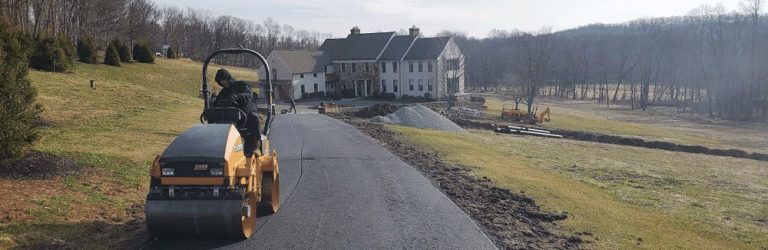
Resurfacing means installing a new layer of asphalt over your existing driveway. It’s cheaper than full replacement, faster to complete, and can add 8-15 years to your pavement’s life. But it only works if your foundation is still solid. Pour new asphalt over a failed base and you’re just covering up problems that’ll show through within months.
The decision between resurfacing and replacement comes down to your base layer. If cracks and surface damage are your main issues but the foundation is sound, resurfacing makes sense. If you’ve got widespread structural failure, drainage problems, or severe base deterioration, replacement is your only real option.
The cost to resurface an asphalt driveway in New Jersey typically runs $2-$5 per square foot, which means $1,200-$3,000 for an average two-car driveway. That’s 30-50% less than full replacement. The work usually takes 1-2 days, and you can drive on it within 24-48 hours.
Asphalt Resurfacing: The Process and What to Expect
Resurfacing starts with surface preparation. Existing cracks get filled. Any potholes get patched. Drainage issues get addressed. Edges get milled down or built up so the new layer transitions smoothly. This prep work determines whether your resurfacing job lasts 2 years or 15.
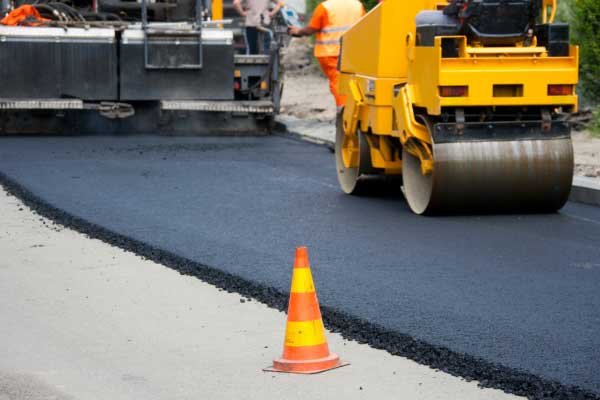
Then comes the new asphalt layer, typically 1.5-2 inches thick. It gets laid hot, compacted properly, and smoothed to match your existing grade. The surface should have proper slope for drainage—standing water is your enemy. Edges need to be sealed where new asphalt meets old.
Temperature and timing matter just like with any asphalt work. The existing surface needs to be dry. Air temperature should be above 50°F and rising, not falling. You can’t resurface in rain or with rain forecasted within 24 hours. And you definitely can’t do it in winter.
Here’s what good resurfacing looks like: a smooth, even surface with no dips or high spots. Proper drainage that moves water off the pavement. Clean edges that won’t crumble or separate. And most importantly, no cracks appearing in the first year. If cracks show up quickly, it usually means the base wasn’t sound or the prep work was inadequate.
Cost varies based on several factors beyond just square footage. How much prep work is needed? What’s the condition of the existing surface? Are there drainage improvements required? How accessible is your property? A straightforward residential driveway costs less per square foot than a commercial parking lot with complicated grading.
Most contractors will give you a per-square-foot estimate, but make sure you understand what’s included. Does that price cover crack filling and patching before resurfacing? What about edge work? Drainage improvements? Get the scope in writing so you’re comparing apples to apples.
One thing to understand: resurfacing isn’t a permanent solution, it’s an extension. You’re adding a new wear layer, but you’re not rebuilding the foundation. Properly done, resurfacing buys you another 10-15 years. But eventually, even resurfaced driveways need replacement when the base finally fails.
Asphalt Resurfacing Companies: What Separates Quality from Cheap
The lowest bid isn’t always the best value. Some contractors lowball the estimate, then cut corners on prep work, use thinner asphalt layers, or skip crucial steps like proper compaction. You save money upfront and spend it twice over fixing problems within a year.
Quality resurfacing companies do thorough site assessment before quoting. We check your base condition, evaluate drainage, measure accurately, and explain what prep work is needed. We’ll tell you honestly if resurfacing makes sense or if you’re better off replacing. That consultation costs nothing but saves you from bad decisions.
Look for contractors who’ve been in business at least 5-10 years. Check their references, not just their online reviews. Ask to see examples of work they completed 3-5 years ago—you want to see how their jobs hold up over time, not just how they look when first finished.
Equipment matters too. Professional paving requires specialized machinery—pavers, rollers, compactors. If someone shows up with basic hand tools and a pickup truck, they’re not equipped for quality work. The right equipment doesn’t guarantee quality, but the wrong equipment guarantees problems.
Insurance and licensing aren’t optional. You need a contractor with proper liability coverage and workers’ comp insurance. Some municipalities in Hunterdon County, NJ require permits for driveway work. A legitimate contractor handles these requirements as standard practice. Someone who doesn’t mention insurance or permits is someone you don’t want on your property.
Communication style tells you a lot. Does the contractor explain things clearly? Do they return calls promptly? Are they willing to put everything in writing? Or do they pressure you to decide immediately, offer deals that expire today, or get vague when you ask specific questions?
Price should be competitive but not suspiciously low. Get 3-4 estimates from established local contractors. If one bid is dramatically lower than the others, there’s usually a reason—and it’s not because they’re more efficient. They’re either cutting corners, underestimating the work, or planning to surprise you with change orders.
Driveway Repair: Addressing Root Causes, Not Just Symptoms
Most driveway problems aren’t random. They happen for specific reasons—poor drainage, inadequate base preparation, or normal wear exceeding the pavement’s capacity. Fix the surface without addressing the cause and you’ll be fixing it again soon.
Water is the enemy of asphalt. It seeps into cracks, saturates the base, freezes and expands, thaws and seeps deeper. New Jersey experiences 55-75 freeze-thaw cycles every winter. Each cycle causes water in asphalt cracks to freeze and expand by about 9%, widening cracks and loosening surrounding materials. This destroys pavement from the inside out.
If your driveway has drainage problems—water pooling on the surface, runoff flowing across instead of away, low spots that stay wet—those issues need fixing before any repair makes sense. Otherwise, you’re just creating a temporary fix that water will destroy again.
Blacktop Repair: Understanding Material Differences
Blacktop and asphalt are essentially the same thing—the terms are often used interchangeably. Both refer to a mixture of aggregate (gravel and sand) bound together with bitumen (a petroleum-based binder). The repair approaches are identical whether you call it blacktop or asphalt.
What matters more than terminology is the quality of materials used in repairs. Hot-mix asphalt comes in different grades and specifications. Some mixes are designed for heavy traffic, others for residential use. Some perform better in cold climates, others in hot. Using the wrong mix for your situation means shorter repair life.
The aggregate quality affects durability too. Premium mixes use harder stone that resists breaking down under traffic and weather. Cheaper mixes might use softer aggregate that deteriorates faster. You won’t see the difference when the repair is new, but you’ll see it in how long it lasts.
Binder content also varies. Too much binder and the surface becomes soft, susceptible to rutting in hot weather. Too little and it becomes brittle, prone to cracking in cold weather. The right balance depends on your climate and traffic conditions. Professional contractors know these specifications; fly-by-night operators don’t.
Color isn’t a quality indicator. Fresh asphalt is dark black, but it weathers to gray over time as UV exposure breaks down the binder. That’s normal and doesn’t indicate a problem. What does indicate problems: rapid color change within months, surface raveling (aggregate coming loose), or oil spots that suggest too much binder.
When evaluating repair materials, ask what mix specification the contractor plans to use. For residential driveways in Hunterdon County, NJ, you typically want a mix designed for cold climate performance with moderate traffic resistance. Commercial parking lots need heavier-duty specifications.
Temperature at installation matters as much as material quality. Hot-mix asphalt needs to be installed at proper temperature—too hot and it’s difficult to compact properly, too cold and it won’t bond correctly. We monitor temperature throughout the process. This is one reason quality work costs more—it requires more attention to detail.
Driveway Repair Services: What Professional Work Actually Includes
Professional driveway repair services start with diagnosis, not just fixing whatever you pointed out. We walk your entire driveway, identify all problem areas, determine root causes, and explain what needs fixing and why. That assessment is part of the service, not an upsell.
The estimate should be detailed and specific. Not just “resurface driveway – $3,000” but a breakdown of what work is included: crack filling, patching, drainage improvements, surface preparation, asphalt thickness, compaction specifications. This detail protects both parties and ensures you’re getting what you paid for.
Prep work often takes longer than the actual repair. Cleaning, cutting clean edges, removing failed material, addressing drainage, letting repairs cure before proceeding to the next step—all this takes time. Contractors who rush through prep work to get to the “real” work are doing it backward. Prep work is the real work.
Quality control happens throughout the job, not just at the end. Checking base compaction before laying asphalt. Monitoring temperature during installation. Verifying proper thickness and slope. Making adjustments as needed. We actively manage the work, not just show up to collect payment.
Cleanup is included in professional service. That means hauling away debris, sweeping the area, and leaving your property in better condition than we found it. If a contractor finishes the work and leaves a mess for you to deal with, that’s not professional service.
Communication matters during the work too. You should know what’s happening each day, when the crew will arrive, how long they’ll be there, and when you can use your driveway again. Surprises are for birthday parties, not construction projects.
A warranty or guarantee should be standard. Not a lifetime guarantee—no one can promise that—but a reasonable warranty that covers defects in workmanship and materials. One year is minimum, 2-3 years is better. This shows the contractor stands behind their work.
Parking Lot Repair: Commercial Considerations and Requirements
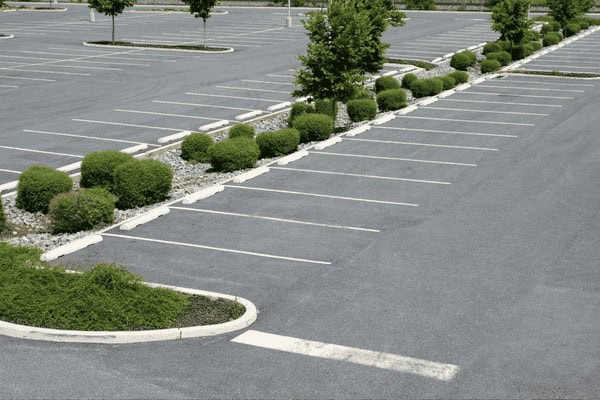
Commercial parking lots face different challenges than residential driveways. Heavier traffic, larger vehicles, ADA compliance requirements, liability concerns, and the need to minimize business disruption all affect repair decisions.
Timing becomes critical when you can’t afford to close your parking lot for days. Many commercial repairs get scheduled for nights, weekends, or phased over multiple short periods to keep some parking available. This adds complexity and sometimes cost, but it’s necessary to keep your business operating.
ADA compliance isn’t optional. Accessible parking spaces, proper slopes, smooth transitions, and clearly marked pathways are legal requirements. Any repair work needs to maintain or improve compliance, not create new violations. We understand these requirements and factor them into repair plans.
Parking Lot Maintenance: Preventive Strategies That Save Money
Regular maintenance costs less than emergency repairs. A structured maintenance program—annual inspections, crack sealing every 2-3 years, sealcoating on schedule, prompt pothole repairs—extends parking lot life by decades and reduces total cost of ownership.
The maintenance cycle for commercial parking lots typically follows this pattern: Years 1-3 after installation, minimal maintenance needed beyond cleaning and monitoring. Years 3-5, crack sealing becomes necessary as small cracks appear. Years 5-7, first sealcoating application protects the surface. Years 7-10, continued crack sealing and second sealcoating.
This cycle continues until year 15-20 when resurfacing becomes necessary. Without maintenance, that timeline compresses dramatically. Skipping crack sealing means water intrusion accelerates deterioration. Skipping sealcoating means UV damage makes the surface brittle. Small problems become big problems fast.
Budget planning for parking lot maintenance should allocate funds annually, not wait until emergency repairs force spending. A typical maintenance budget might be 2-5% of replacement cost per year. That sounds like a lot until you compare it to the cost of premature replacement.
Documentation helps track maintenance history and justify budget requests. Photos, repair records, inspection reports—all this creates a clear picture of how the parking lot is aging and what it needs. This is especially important for property managers who need to explain maintenance costs to ownership.
Seasonal timing affects maintenance scheduling. Spring is ideal for assessing winter damage and making repairs. Fall is good for sealcoating and crack sealing before winter. Summer works for major projects when weather is most reliable. Winter is generally for emergency repairs only, not planned maintenance.
Vendor relationships matter for commercial properties. Working with the same qualified contractor over time means we understand your property, your budget constraints, and your scheduling needs. We can spot developing problems early and help you plan maintenance strategically.
Asphalt Crack Sealing Contractors: Why This Service Prevents Bigger Problems
Crack sealing is the single most cost-effective maintenance you can do. It prevents water infiltration, which prevents freeze-thaw damage, which prevents potholes. Studies show that 75% of unsealed cracks become potholes within three years. Only 1% of sealed cracks do.
The process involves cleaning cracks thoroughly, heating them with a hot air lance to ensure they’re dry, and filling them with hot-pour rubberized sealant that flexes with temperature changes. This creates a waterproof barrier that moves with the pavement instead of cracking apart.
Timing matters for crack sealing. Cracks should be sealed when they’re about 1/4 inch wide—wide enough for sealant to grip but before they’ve caused deeper damage. Wait too long and water has already reached the base layer, causing damage that sealant alone can’t fix.
Asphalt Driveway Patch Repair: When Small Fixes Prevent Big Costs
Small patches done right prevent the need for larger repairs later. A 2-foot section of damaged asphalt that gets properly patched might cost $150-$300. Ignore it and water infiltration can undermine a 10-foot section, turning a $300 repair into a $1,500 problem.
The key to effective patching is proper edge preparation. Cutting clean, straight edges around the damaged area gives the new asphalt something solid to bond against. Jagged edges or trying to patch right up against crumbling asphalt means the patch will fail at the perimeter.
Depth matters too. If damage extends through the asphalt into the base layer, a surface patch won’t hold. The base needs repair first—removing failed material, adding and compacting new gravel, ensuring proper drainage. Then the asphalt patch goes in.
Compaction is where many DIY and low-quality repairs fail. The new asphalt needs to be compacted to the same density as the surrounding pavement. Hand tamping doesn’t achieve this. Proper compaction requires mechanical equipment—plate compactors at minimum, rollers for larger areas.
Temperature affects patch quality significantly. Hot-mix asphalt needs to stay hot enough during installation to compact properly and bond with existing pavement. Cold weather makes this harder. This is why quality contractors have temperature requirements and won’t do hot-mix work when it’s too cold.
The finished patch should be nearly invisible when done correctly. You might see slight color difference initially, but the repair should be smooth and level with surrounding pavement. If you can feel a bump or depression when driving over it, the work wasn’t done right.
Cost for professional patching typically runs $100-$500 per area depending on size and depth. That’s cheap insurance compared to the cost of letting damage spread. And it’s infinitely cheaper than ignoring problems until you need full driveway replacement.
Asphalt Driveway Hole Repair: Addressing Structural Failures
When you’ve got an actual hole—not just a crack or surface damage, but a void where asphalt used to be—you’re dealing with structural failure. Something caused the base to fail, the asphalt to break apart, and material to wash away or get dislodged by traffic.
Hole repair requires understanding what failed. Was it poor drainage that undermined the base? Freeze-thaw cycles that broke up inadequately compacted material? Tree roots that lifted and cracked the pavement? Heavy vehicles that exceeded the pavement’s load capacity? The repair needs to address the cause, not just fill the hole.
Proper hole repair often means excavating deeper than the visible damage. If the base layer is compromised, it needs to be removed and rebuilt. This might mean digging down 8-12 inches, removing failed material, adding new compacted gravel, and then installing asphalt in proper layers.
Drainage improvements might be necessary as part of the repair. If water caused the failure, it’ll cause it again unless you redirect that water. This might mean adjusting grade, adding drainage channels, or improving how runoff flows away from the pavement. In Hunterdon County, NJ, where rolling hills and soil conditions create unique drainage challenges, this expertise becomes particularly important.
The repair area needs to be larger than the visible hole. Cutting back to solid, stable material ensures the patch has something sound to bond against. Trying to minimize the repair area to save money usually means the patch fails at the edges where it meets damaged material.
Layer installation matters for deeper holes. Asphalt should be installed in lifts (layers) no more than 2-3 inches thick, with each layer compacted before the next goes in. Trying to fill a deep hole in one pour means the bottom material doesn’t compact properly, creating a weak spot that will fail.
Cost for structural hole repair can range from $300-$1,500 or more depending on size, depth, and required base work. That’s significantly more than surface patching, but it’s the only approach that actually fixes the problem. Surface patches on structural failures are just temporary bandaids.
Asphalt Repair Cost Per Square Foot: Understanding What You’re Really Paying For
Per-square-foot pricing sounds simple but can be misleading if you don’t understand what’s included. A contractor quoting $3 per square foot might be giving you a better value than one quoting $2.50 if the first includes prep work, proper materials, and quality compaction while the second doesn’t.
In New Jersey, typical costs run 15-25% above national averages due to higher labor costs, material costs, and the challenging climate that requires better specifications. You’re looking at $2-$5 per square foot for repairs, $3-$7 for resurfacing, and $4-$10 for full replacement depending on conditions.
These ranges exist for good reasons. A simple residential driveway with easy access, minimal prep work, and straightforward conditions costs less per square foot than a commercial property with complicated drainage, heavy traffic requirements, and difficult access. Both might be fair prices for what they include.
Asphalt Pothole Repair Cost: What Affects the Price
Pothole repair costs vary based on size, depth, cause, and whether you’re fixing the symptoms or the problem. A shallow surface pothole might cost $100-$200 to patch. A deep pothole requiring base reconstruction might run $500-$800. The difference is in what actually needs fixing.
Size matters obviously—a pothole the size of a dinner plate costs less to fix than one the size of a kitchen table. But depth matters more. A pothole that’s 2 inches deep needs different treatment than one that’s 8 inches deep and has compromised base material underneath.
Access and location affect cost too. A pothole in an easily accessible residential driveway costs less to repair than one in a commercial parking lot where the contractor needs to work around business hours, set up traffic control, and coordinate with property management.
Emergency repairs cost more than scheduled work. If you need a pothole fixed immediately—say, it’s a safety hazard or liability issue—expect to pay premium pricing for that urgency. Scheduled repairs during normal business hours cost less because contractors can plan efficiently.
Material choice affects price. Cold patch is cheaper but temporary. Hot-mix asphalt costs more but lasts longer. Infrared repair might be more expensive upfront but can be done year-round and provides seamless results. The right choice depends on your situation and timeline.
Quantity matters for pricing too. One pothole costs more per hole than fixing five potholes at the same time. Contractors have mobilization costs—getting equipment to your site, setting up, cleanup. Spreading those costs across multiple repairs reduces per-unit price.
The cheapest repair isn’t always the best value. A $100 cold patch that needs replacing twice a year costs more over three years than a $400 hot-mix repair that lasts five years. Run the numbers on total cost of ownership, not just initial price.
Getting Driveway Repair Done Right in Hunterdon County, NJ
Your driveway is telling you something. Those cracks aren’t just cosmetic issues—they’re warning signs that water is getting in and damage is spreading. The pothole that appeared after last winter won’t heal itself. And that drainage problem that creates puddles after every rain is actively destroying your pavement from underneath.
Here’s what matters: catching problems early, fixing root causes instead of symptoms, and working with contractors who do it right the first time. That means proper diagnosis before repair, addressing drainage issues that cause failures, using quality materials and proven methods, and standing behind the work with real warranties.
The cost of doing it right is always less than the cost of doing it twice. A $300 crack sealing service now prevents a $3,000 resurfacing project later. Proper drainage work adds to the upfront cost but eliminates recurring repairs. Quality materials cost more per square foot but last twice as long. When you’re ready to address your driveway issues with someone who understands these principles, we bring four generations of experience to every project—treating each job with the same attention regardless of size or budget.