
Guide to Asphalt Driveway Installation Costs
You’re trying to figure out what a new asphalt driveway will actually cost, and you’re probably finding that contractors give you wildly different numbers. Some seem too cheap to be real. Others make you wonder if they’re paving the driveway in gold.
Here’s what makes this confusing: your driveway cost depends on factors most homeowners don’t even know to ask about. Square footage matters, sure. But so does what’s happening six inches below your current surface, how water moves across your property, and whether your soil can actually support asphalt long-term.
This guide walks through real cost breakdowns for Hunterdon County properties, explains what drives your price up or down, and shows you what separates a driveway that lasts 20+ years from one that cracks in three. You’ll understand what you’re paying for and why it matters.
Asphalt Price Per Square Foot
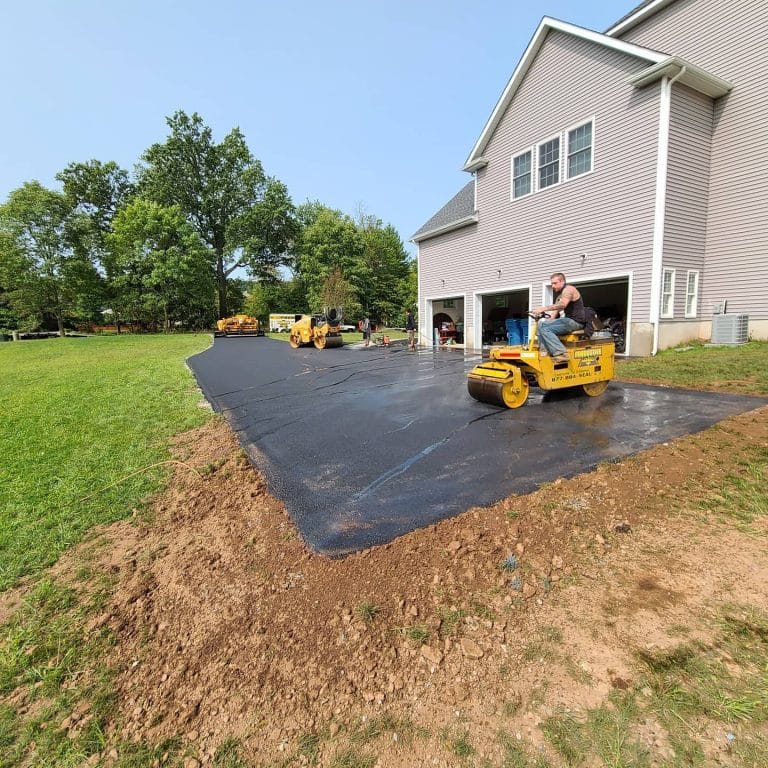
The cost to install asphalt driveway projects in Hunterdon County typically runs between $7 and $15 per square foot for a complete installation. That’s materials, labor, and the site work that makes everything hold together.
But that range is wide for a reason. A straightforward installation on level ground with good drainage sits at the lower end. Properties that need significant grading, have drainage challenges, or require extra base preparation push toward the higher end. The difference isn’t contractor markup—it’s the actual work your property needs.
Most homeowners in Hunterdon County have driveways between 400 and 800 square feet. A standard two-car driveway around 600 square feet typically costs between $4,200 and $9,000 installed. Single-car driveways run smaller, while circular driveways or properties with longer approaches from the road increase square footage and total cost.
Average Cost of Asphalt Driveway by Size
Size is the most obvious cost factor, but it’s not the only one. Here’s what typical Hunterdon County projects look like by square footage.
A 200-square-foot single-car driveway generally costs between $1,400 and $3,000. These smaller driveways work for properties with limited parking needs or shorter distances from the road. Keep in mind that smaller jobs sometimes cost slightly more per square foot because contractors still need to bring the same equipment and crew.
For a standard 400 to 600-square-foot two-car driveway, you’re looking at $2,800 to $9,000. This is the most common size for suburban Hunterdon County homes. The wide range reflects differences in site conditions—a flat, well-drained property with easy access costs less than one requiring significant excavation or drainage solutions.
Larger driveways of 800 square feet or more typically run $5,600 to $12,000 or higher. These projects often include circular driveways, extended approaches, or additional parking areas. While the total price climbs, the per-square-foot cost sometimes drops slightly on larger projects due to efficiency gains.
The asphalt driveway cost per square foot also depends on what’s included in that number. A complete installation includes removing old material if needed, grading and compacting the subgrade, installing a proper base layer, laying asphalt to the correct thickness, and ensuring proper drainage. Quotes that seem unusually low often skip critical steps that you’ll pay to fix later.
Material costs for asphalt typically run $2 to $6 per square foot, depending on the type and thickness. Labor adds another $5 to $7 per square foot. But the real cost driver is often what happens before the asphalt goes down—site preparation, base installation, and drainage work that you can’t see but that determines whether your driveway lasts five years or twenty-five.
Hunterdon County’s rolling hills and transitioning suburban landscape mean many properties need more extensive grading and drainage work than flat suburban lots elsewhere. Water management is critical here. A driveway that doesn’t properly direct water away from your foundation causes problems that extend far beyond the pavement itself. Proper site preparation might add to your upfront cost, but it prevents the expensive failures that happen when contractors cut corners.
What’s Included in Installation Costs
When you’re comparing estimates, understanding what’s actually included matters more than the bottom-line number. A complete installation involves several distinct phases, and skipping any of them creates problems.
Site preparation starts with assessing your property’s drainage patterns, soil conditions, and any existing pavement that needs removal. If you have an old driveway, removal typically adds $1 to $2 per square foot for demolition and disposal. Some contractors can reuse certain materials as base, which reduces costs, but that only works if the existing base is sound.
Grading and excavation ensure water flows away from your driveway and foundation. Hunterdon County properties often need more attention here due to the area’s topography. Poor drainage is the leading cause of premature asphalt failure—water that can’t escape weakens the base, leading to settling, cracking, and eventually complete failure. Proper grading might add $500 to $2,000 depending on your property, but it’s not optional if you want a driveway that lasts.
The base layer installation creates the foundation everything else sits on. A proper base requires 4 to 8 inches of compacted crushed stone. This layer distributes weight, prevents shifting, and allows water to drain through rather than pooling under your asphalt. Contractors who skimp here save money in the short term but guarantee you’ll have problems within a few years. The base material itself costs $0.50 to $1 per square foot, but proper installation requires time and equipment to compact it correctly.
Asphalt thickness matters more than most homeowners realize. Residential driveways need at least 2 to 3 inches of compacted asphalt. If you park larger vehicles, have steep grades, or want maximum longevity, 3 to 4 inches is better. Thicker asphalt costs more upfront but provides significantly better performance. A driveway that’s too thin shows wear quickly—you’ll see raveling, cracking, and surface breakdown much sooner than you should.
The asphalt itself comes in different grades. Standard hot mix asphalt works for most residential applications and offers good durability at a reasonable cost. Recycled asphalt costs less but may not last as long. Porous asphalt costs more but provides excellent drainage, which matters on properties with water management challenges. Your contractor should recommend the right mix for your specific property conditions, not just the cheapest option.
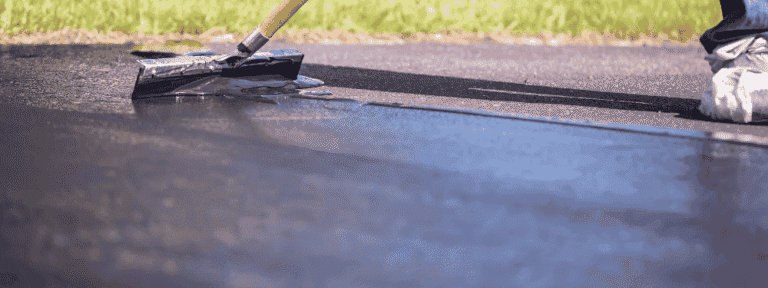
Edge work and finishing separate professional installations from rushed jobs. Properly compacted edges prevent the crumbling you see on poorly installed driveways. The transition between your driveway and existing surfaces should be smooth and properly sealed. These details don’t add much to the cost, but they dramatically affect how your driveway looks and performs over time.
Cost of New Driveway: What Affects Your Price
Two Hunterdon County properties with the same square footage can have significantly different installation costs. Understanding what drives those differences helps you evaluate estimates and spot when a contractor is cutting corners versus when they’re addressing real site challenges.
Your property’s soil conditions affect everything. Clay soils, common in parts of Hunterdon County, hold water and require more extensive base preparation to prevent settling. Sandy soils drain better but may need stabilization. Rocky conditions increase excavation costs. A good contractor assesses your soil before providing an estimate, not after they’ve started digging.
Access and site conditions matter more than you might think. Can equipment easily reach your property? Is there room for trucks to maneuver? Do trees or landscaping need protection or removal? Difficult access increases labor time and sometimes requires specialized equipment. These factors legitimately affect cost, but they should be identified during the estimate, not added as surprises later.
Drainage Requirements and Water Management
Drainage isn’t just about keeping puddles off your driveway. It’s about protecting your entire property investment. Water is asphalt’s worst enemy—it weakens the base, causes settling, and accelerates surface breakdown. Hunterdon County’s rolling terrain and seasonal weather make proper drainage critical.
Surface drainage starts with proper slope. Your driveway should slope away from your house and garage at a minimum grade that allows water to run off rather than pool. On properties with challenging topography, this might require more extensive grading work. The goal is directing water to appropriate discharge points—usually toward the street or into designed drainage areas, never toward your foundation.
Subsurface drainage addresses water that travels through the ground. If your property has a high water table or areas where water naturally collects, you need solutions that handle water below the surface. This might include French drains, drainage pipes, or gravel-filled trenches that intercept water before it reaches your driveway base. These systems add to upfront costs but prevent the expensive failures that happen when water undermines your pavement.
Some properties need more creative solutions. Swales can direct water around problem areas. Catch basins collect water from low spots. Proper drainage design considers your entire property, not just the driveway itself. Water that runs off your driveway has to go somewhere—if it floods your yard or your neighbor’s property, you haven’t solved the problem.
We solve drainage problems without always relying on extensive pipe systems. Sometimes strategic grading, properly placed swales, and correct driveway slope handle water more effectively than expensive underground infrastructure. The key is understanding how water moves across your specific property and designing solutions that work with your landscape, not against it.
Drainage work typically adds $500 to $2,000 to your project depending on complexity. That might seem like a lot until you consider the alternative. A driveway that fails due to drainage issues requires complete removal and reinstallation, often costing more than the original project. Proper drainage isn’t an optional upgrade—it’s fundamental to whether your driveway lasts five years or twenty-five.
Replacement vs. New Installation Costs
If you already have an asphalt driveway, you’re probably wondering whether replacement costs more than a brand-new installation. The short answer: yes, but not always by much, and sometimes replacement is actually simpler.
Full replacement typically costs $8 to $15 per square foot. That includes removing your existing driveway, disposing of the material, and then proceeding with a complete new installation. Removal adds $1 to $2 per square foot in labor and disposal costs. Some contractors can reuse portions of your old asphalt as base material, which reduces costs slightly, but that only works if the existing base is still sound.
The advantage of replacement is that your contractor can see exactly what they’re working with once the old asphalt comes out. Hidden problems become visible—poor base preparation, drainage issues, or soil problems that caused your original driveway to fail. Fixing these issues during replacement prevents repeating the same mistakes.
Overlay or resurfacing costs less—typically $3 to $7 per square foot. This involves laying new asphalt over your existing driveway without removing it. Overlays work when your current driveway has minor surface issues but a sound base and structure. They don’t work if you have significant cracking, drainage problems, or base failure. An overlay over a failing driveway just delays the inevitable while wasting money on a temporary fix.
How do you know which approach you need? Look at your current driveway honestly. Minor surface cracks, fading, and light wear suggest overlay might work. Widespread cracking, settling, drainage issues, or areas where the base has failed require full replacement. A reputable contractor will tell you which approach actually solves your problems, not just which one costs less to sell.
The timing of replacement matters too. Waiting until your driveway completely fails often costs more because the damage extends beyond just the asphalt. Water infiltration from a failing driveway can damage your base, subgrade, and even affect your foundation. Replacing a driveway when it’s nearing the end of its useful life but before complete failure is usually more cost-effective than waiting for catastrophic breakdown.
New installations on previously unpaved areas sometimes cost less than replacements because there’s no removal work. But they require the same attention to site preparation, base installation, and drainage. Don’t let a contractor convince you that a new installation is simpler or requires less preparation just because there’s no existing pavement to remove.
Understanding Your Driveway Investment
The cost to install asphalt driveway projects in Hunterdon County ranges from about $7 to $15 per square foot for complete, professional installation. Your specific price depends on your property’s size, soil conditions, drainage requirements, and site access. Those factors aren’t contractor markup—they’re the real work your property needs for a driveway that lasts.
The difference between a quality installation and a cheap job shows up in what you can’t see. Proper site preparation, adequate base depth, correct asphalt thickness, and effective drainage cost more upfront but determine whether you’re repaving in five years or still driving on smooth pavement in twenty-five. Transparent contractors explain what your property needs and why, giving you estimates that reflect the actual work required.
When you’re ready to move forward with your project, we bring 75 years of family expertise to Hunterdon County properties. We focus on one project at a time, with owner Mark Harrison on-site for every installation, ensuring the transparent communication and quality workmanship that turns a driveway project into a long-term investment.