Is Your Driveway Ready for Winter? The Ultimate Driveway Paving Maintenance Guide
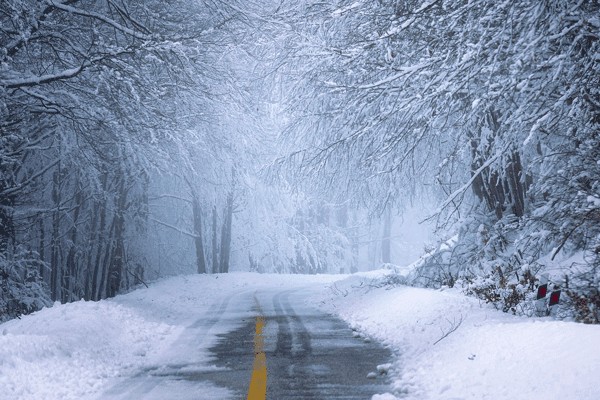
Winter doesn’t ask permission before it tests your driveway. Every freeze-thaw cycle, every snowfall, every temperature swing puts stress on asphalt that wasn’t properly prepared. By the time spring arrives, small cracks you ignored in October have become potholes that need immediate attention—when contractors are booked solid and prices are at their peak.
Here’s what most property owners don’t realize: the difference between a driveway that lasts 15 years and one that goes 30 isn’t luck. It’s knowing what your asphalt actually needs before winter arrives. This guide walks you through the maintenance steps that matter, the timing that makes them work, and the science behind why winter is so hard on unprepared surfaces.
Why Winter Destroys Unprepared Asphalt Driveways
Water is asphalt’s worst enemy, and winter gives it the perfect weapon. When temperatures drop below freezing, any moisture that’s worked its way into cracks expands by about 10%. That expansion forces cracks wider, stresses the pavement structure, and creates space for even more water to seep in.
Then the temperature rises. The ice melts, the pavement contracts, and the cycle starts over. Each freeze-thaw cycle weakens your driveway’s structural integrity a little more. In areas like Hunterdon County, Bucks County, and Mercer County, you’re not dealing with one or two cycles per winter—you’re facing dozens.
The damage compounds fast. What starts as a hairline crack in November becomes a quarter-inch gap by January and a pothole by March. Once water reaches the base layer beneath your asphalt, the deterioration accelerates exponentially. The base shifts, the surface buckles, and suddenly you’re looking at repairs that cost thousands instead of hundreds.
How the Freeze-Thaw Cycle Actually Damages Your Driveway
Understanding what happens beneath your driveway’s surface explains why preventative maintenance works—and why skipping it costs so much more later. Asphalt isn’t a solid, impenetrable barrier. It’s a porous material made of aggregate stones bound together with petroleum-based binder. Over time, exposure to UV rays, vehicle traffic, and weather causes that binder to oxidize and become brittle.
When your asphalt reaches that brittle state, tiny cracks form on the surface. These aren’t always visible to the naked eye, but they’re big enough for water to enter. During mild fall days or early winter thaws, moisture seeps into these cracks and settles into the layers below—the base and subgrade that support your entire driveway.
Once temperatures drop below 32°F, that trapped water freezes. Ice takes up more space than liquid water, so it pushes outward in all directions. The crack widens. The pavement lifts slightly. The base material shifts. When the ice melts, everything settles back down—but not quite into the original position.
This is why you see so much driveway damage appear suddenly in late winter and early spring. The damage wasn’t sudden at all. It was accumulating with every temperature swing, every freeze, every thaw. By the time the evidence becomes visible, the structural damage is already significant.
The type of soil beneath your driveway matters too. Clay and silt soils retain more moisture than sandy or gravelly soils, making them more susceptible to frost heave. When water in the soil freezes, it can push the ground—and your driveway—upward by several inches. As it thaws and settles, you’re left with an uneven surface, cracks, and depressions that trap even more water.
Property owners who understand this cycle know why fall maintenance is critical. You’re not just filling cracks or applying sealcoat. You’re creating a barrier that keeps water out before winter gives it the opportunity to cause damage. Once the freeze-thaw cycle starts, it’s too late for prevention—you’re in repair mode.
What Standing Water and Poor Drainage Do to Asphalt in Winter
If you notice puddles on your driveway after rain, you’re looking at a problem that will get significantly worse once winter arrives. Standing water is a clear sign that your driveway isn’t draining properly, and that trapped moisture has nowhere to go except down—into cracks, into the base, into the subgrade.
Proper drainage is one of those things that’s easy to overlook when your driveway looks fine. But water that pools on the surface doesn’t just sit there harmlessly. It works its way into any available opening. It saturates the layers beneath your asphalt. And when temperatures drop, all that saturated material freezes, expands, and causes the kind of structural damage that requires major repairs or complete replacement.
Low spots in your driveway are particularly vulnerable. These depressions collect water, and in winter, they become ice patches that go through repeated freeze-thaw cycles. The constant expansion and contraction in these areas accelerates cracking and can cause the pavement to buckle or sink further.
Edge drainage matters just as much as surface drainage. Water that runs off your driveway needs somewhere to go. If it’s pooling along the edges or flowing back toward the pavement, it’s undermining the support structure from the sides. This is especially common where driveways meet lawns or landscaping. Over-watering from sprinkler systems compounds the problem.
The solution isn’t complicated, but it does require attention before winter. Addressing drainage issues might mean adjusting the slope of your driveway, installing or cleaning drainage systems, or regrading areas where water collects. Sometimes it’s as simple as redirecting a downspout or adjusting irrigation patterns.
The key is recognizing that drainage problems don’t fix themselves, and winter makes them exponentially worse. Every property is different, which is why we evaluate drainage as part of any maintenance plan. A driveway that sheds water properly can handle winter weather. One that doesn’t is fighting a losing battle from the start.
If you’re seeing standing water now, don’t wait until spring to address it. The damage happening beneath the surface during winter will cost far more to fix than preventing the problem would have cost in the first place.
The Maintenance Your Driveway Actually Needs Before Winter
Not every maintenance recommendation you hear is worth the investment. Some are essential. Some extend your driveway’s life significantly. And some are optional upgrades that make sense for certain situations but aren’t universal requirements.
The three maintenance tasks that make the biggest difference for winter protection are crack filling, sealcoating, and drainage management. Each serves a specific purpose, and together they create a comprehensive defense against freeze-thaw damage. Understanding what each one does—and when it needs to happen—helps you make informed decisions about your property.
Timing matters as much as the work itself. Fall is the ideal window for most driveway maintenance because temperatures are still warm enough for materials to cure properly, but cool enough that cracks have expanded to their widest point. Once winter arrives, your options become limited. Once spring comes, you’re dealing with damage that’s already occurred.
Crack Filling: Why It’s Your First Line of Defense
Every crack in your driveway is an entry point for water. Fill those cracks before winter, and you prevent moisture from reaching the vulnerable layers beneath your asphalt. Ignore them, and you’re inviting the freeze-thaw cycle to turn minor surface damage into major structural problems.
Crack filling works best when done in fall or early winter, as long as temperatures stay above 40°F for application. Here’s why the timing matters: asphalt expands in heat and contracts in cold. During cooler months, cracks are at their widest, which means the filler material has more space to settle into. Fill a crack in summer when it’s contracted, and it might reopen once temperatures drop.
Not all cracks need the same treatment. Hairline cracks—those thin surface fractures that are barely visible—can often be addressed with a quality sealcoat application. Cracks wider than a quarter inch need hot-pour rubberized crack filler, which stays flexible through temperature changes and forms a waterproof seal.
The process itself is straightforward, but execution matters. Cracks need to be cleaned of debris, vegetation, and loose material before filler is applied. Any dirt or organic matter left in the crack prevents proper adhesion and compromises the seal. Professional-grade hot-pour crack filler penetrates deeper and lasts longer than cold-pour products available at hardware stores.
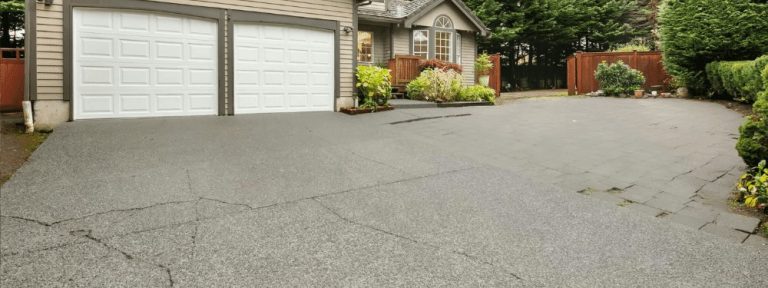
Here’s what property owners often don’t realize: crack filling isn’t a one-time fix. It’s preventative maintenance that should happen whenever new cracks appear. Catch them early, and you’re spending a few hundred dollars to prevent thousands in future repairs. Wait until they’ve widened into alligator cracking—that interconnected pattern that looks like reptile skin—and you’re beyond simple crack filling. At that point, you’re looking at patching or replacement.
The return on investment is clear. A crack that’s sealed before winter won’t allow water infiltration. No water infiltration means no freeze-thaw damage in that location. No freeze-thaw damage means the crack doesn’t expand into a pothole. The progression stops before it starts.
If you’re walking your driveway right now and seeing cracks, don’t file them away as a spring project. Every day those cracks stay open is another opportunity for moisture to seep in. Once winter arrives and the freeze-thaw cycle begins, that moisture becomes a destructive force working against your driveway’s structural integrity.
Sealcoating Benefits: Protection That Pays for Itself
Sealcoating is one of those maintenance tasks that looks cosmetic but delivers serious protective benefits. Yes, it makes your driveway look freshly paved. But more importantly, it creates a barrier between your asphalt and everything trying to damage it—water, UV rays, chemicals, and temperature extremes.
Think of sealcoating as a protective skin over your driveway. Quality sealcoat fills in surface voids and small cracks, creating a smoother, less porous surface. Water that might have seeped into tiny imperfections now runs off instead. That alone makes a significant difference in freeze-thaw protection.
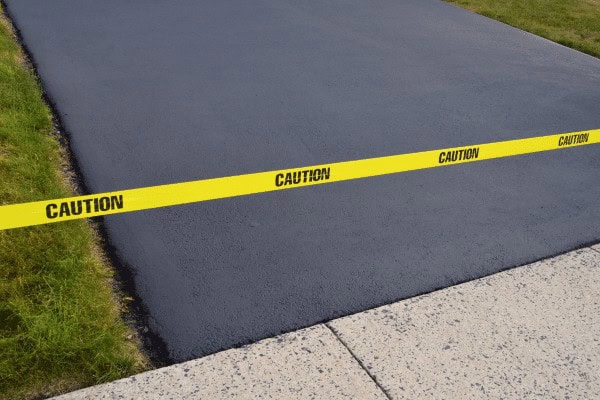
The timing for sealcoating is specific. Your driveway needs to be at least six months old before the first application—new asphalt needs time to cure fully. After that initial application, reapply every two to three years depending on traffic and weather exposure. For sealcoat to cure properly, you need temperatures above 50°F during application and for at least 24 hours afterward. That makes late spring through early fall the ideal window.
Sealcoating does more than block water. It protects against UV damage that makes asphalt brittle and prone to cracking. It resists oil and gas spills that can soften and degrade the pavement. It provides a layer of protection against the corrosive effects of deicing salts used during winter. All of these factors contribute to extending your driveway’s usable life.
The cost-benefit calculation is straightforward. Sealcoating typically runs between $0.15 and $0.35 per square foot. A properly maintained and sealed asphalt driveway can last 25 to 30 years. Without regular sealcoating, that same driveway might need replacement after 15 to 20 years. The math works heavily in favor of preventative maintenance.
Here’s what makes sealcoating particularly valuable for winter protection: it accelerates snow and ice melting. The dark, sealed surface absorbs more solar heat than faded, unsealed asphalt. That means faster melting, less ice accumulation, and reduced need for harsh deicing chemicals that can damage your driveway.
Property owners sometimes question whether sealcoating is worth the investment, especially if their driveway looks fine. But “fine” is deceiving. By the time asphalt looks significantly weathered—when it’s faded to gray and showing extensive cracking—you’re already past the point where sealcoating delivers maximum benefit. The ideal time to seal is before visible deterioration begins.
One important note: sealcoating isn’t a repair solution. It won’t fix structural problems, fill large cracks, or level an uneven surface. Those issues need to be addressed first. Sealcoating is protective maintenance that works best when applied to asphalt that’s in good condition. Fill the cracks, fix the potholes, address drainage issues, then seal. In that order.
The difference between a driveway that was sealed regularly and one that wasn’t becomes obvious after a decade. The sealed driveway still looks good, functions well, and shows minimal cracking. The unsealed one is faded, cracked, and likely developing potholes. Both started the same way. The only difference was consistent protective maintenance.
Protecting Your Driveway Investment Before Winter Arrives
Your driveway is a significant investment in your property, and winter is its biggest test. The freeze-thaw cycles, moisture infiltration, and temperature extremes that define winters in Hunterdon County, Bucks County, and Mercer County don’t care whether your asphalt is prepared or not. They’ll find every crack, every drainage problem, every weak point and exploit it.
But you’re not powerless. Crack filling stops water infiltration before it starts. Sealcoating creates a protective barrier that extends your driveway’s life by years. Proper drainage prevents the standing water that accelerates deterioration. Together, these maintenance steps give your asphalt the protection it needs to survive winter without major damage.
The difference between a driveway that lasts 15 years and one that goes 30 isn’t luck or the initial installation quality alone. It’s consistent, informed maintenance performed at the right times. Fall is that time. Temperatures are still warm enough for materials to cure properly, but cracks have expanded to their widest point for effective filling.
If you’re seeing cracks, noticing drainage issues, or realizing your driveway hasn’t been sealed in years, now is the time to address it. We’ve been helping property owners protect their asphalt investments since 1948, combining family tradition with modern expertise to deliver maintenance that actually works. Every project receives our full attention, transparent communication, and the kind of meticulous care that comes from treating each client like the top priority—because that’s exactly what they are.