
10 Most Commonly Asked Residential Paving Questions
If you’re planning a residential paving project, you’ve probably got questions. Needing a new driveway paved or sealer applied? Having your current driveway maintained and repaired? It’s important to understand how the paving process works to ensure the job is done correctly.
At Productive Asphalt, we get a lot of the same questions from our residential clients. We’re always happy to answer these questions and provide some solid paving advice. Here are the 10 most frequently asked residential paving questions, along with the information you need to make smart decisions for your residential paving project.
Choosing the Right Materials
What is the best material for a residential driveway?
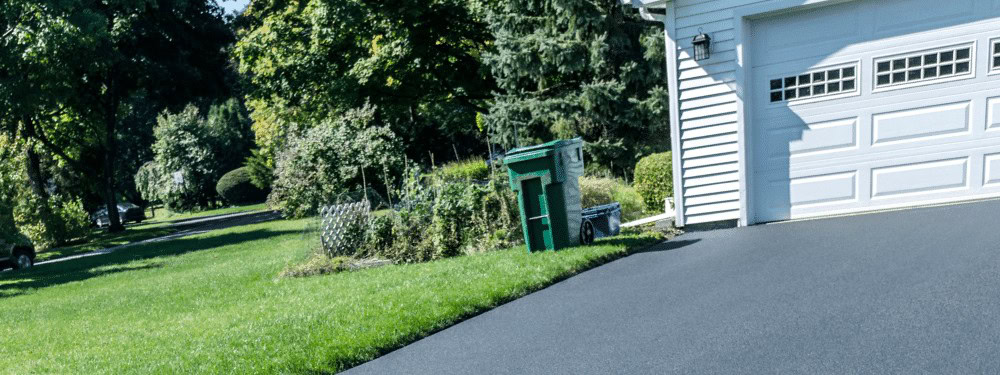
One of the most commonly used materials for residential driveways is asphalt. This is because asphalt is durable, more affordable, and clean-looking. Asphalt also holds up well in colder climates, and can be flexible enough to prevent cracking from minor shifting. Concrete and gravel are also used, but asphalt tends to have the best longevity and price point.
Is asphalt better than concrete for a driveway?
Both materials have their pros and cons for residential paving projects. Asphalt is cheaper and easier to maintain initially. It is also more resistant to freeze-thaw cycles than concrete, so it is better suited for areas with temperature fluctuations. Concrete can last longer and have a different look, but it is usually more expensive and susceptible to cracking in cold weather.
Preparing for Installation
How long does it take to pave a residential driveway?
Paving a standard residential driveway can usually be accomplished in one to two days, depending on the size of the driveway and the conditions of the site. Preparation work, such as excavation and grading, may require additional time. Weather can also be a factor in scheduling. Allow time for the paving material to cure properly before using the surface.
What should I do to prepare for a new driveway?
Ask the homeowners to remove all vehicles, equipment, and debris from the driveway area. It is also a good idea to discuss underground utilities with your contractor. If the project has drainage issues, they should be addressed during the design phase. Proper communication with your paving company will create a seamless experience from start to finish.
Cost and Budget
How much does a new asphalt driveway cost?
The price of an asphalt driveway depends on the size, thickness, location, and site conditions. Excavation, grading, or sealcoating increases the cost. A free estimate provides a more specific number.
Are there any hidden costs I should know about?
Most paving quotes are standard, although there may be extra expenses resulting from unexpected problems, such as poor soil conditions or drainage issues. Always work with a contractor who gives you a detailed estimate and is clear about the possibility of additional charges. It’s also good to ask about warranty and maintenance costs.
After Installation Care
How soon can I use my new driveway after paving?
In most cases, you will want to wait 24 to 48 hours before walking or driving on the new surface. If you are paving for heavy vehicles or extreme temperatures, your contractor may advise a longer waiting period. It takes about 30 days for the driveway to fully cure, but it remains more vulnerable to damage from sharp objects or turning tires during this time.
How long does an asphalt driveway last?
When well maintained an asphalt driveway should last you 20 to 30 years. This life span can be affected by the climate of the area, as well as the use of the driveway and how well you maintain it. Regular sealing and crack filling can help your asphalt last and look great longer.
Maintenance and Repairs
How often should I seal my driveway?
Asphalt driveways should be sealed every 2 or 3 years. This helps prevent water damage, sun damage, and oil spills. It also improves the look of a driveway by restoring asphalt’s natural dark color. Too much sealcoating can cause cracking.
What should I do if my driveway cracks?
Cracks are expected with age, especially in areas that have extreme weather patterns. It’s essential to fix these as soon as possible before water intrusion worsens them. Crack sealing is a simple repair to prevent further damage. If not repaired, they can turn into potholes or other structural problems.
Conclusion: Ask Before You Start Any Residential Paving Project
When homeowners know the paving process and understand what to expect, they make wiser decisions and reduce the chance of being surprised… In our experience, clear communication is essential for a successful project. From a new driveway to replacing an existing one, make sure you have the answers to these common questions so your investment stays safe. At Productive Asphalt, we guide and support you every step of the way on your residential paving project. Call us for a free consultation anytime.